- Company Articles
- Products and Technology
- Product knowledge
- Eco-Friendly 3030 Aluminum Profile End Caps: Sustainable Materials & Reusability

Eco-Friendly 3030 Aluminum Profile End Caps: Sustainable Materials & Reusability
Related Product
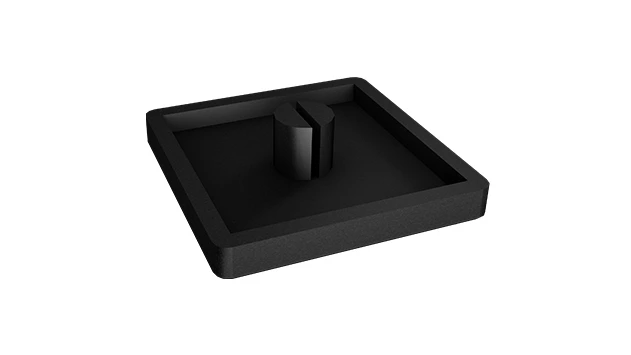
3030 Aluminum Profile End Cap
The aluminum profile end cap adds a finishing touch to your project and closes off profile ends to limit dust and debris buildup, also it can avaid some scratch for material and labor during the assemble work.
Walk into any modern factory, warehouse, or workshop today, and you'll notice a quiet but powerful shift happening—one that's not always headline-grabbing but is reshaping the future of manufacturing. It's in the workbenches that adjust with ease, the material racks that reconfigure in minutes, and the sleek, silver components that seem to last longer than their predecessors. At the heart of this shift? Small, unassuming parts that play a big role in sustainability: aluminum profile end caps. Specifically, the 3030 aluminum profile end cap—a component so integral to eco-friendly systems that it's become a symbol of how even the tiniest details can drive meaningful change.
In a world where businesses are under increasing pressure to reduce waste, cut carbon footprints, and embrace circular economy principles, the focus has turned to the building blocks of production. Aluminum extrusion profiles have long been a staple in manufacturing, thanks to their strength, versatility, and lightweight nature. But it's the accessories—like end caps—that are turning these profiles into tools of sustainability. Let's dive into why 3030 aluminum profile end caps are more than just "caps," and how they're helping businesses build greener, more resilient operations.
Aluminum Extrusion Profiles: The Backbone of Modern Manufacturing
Before we zoom in on end caps, let's take a step back to understand the bigger picture: aluminum extrusion profiles. These are the workhorses of industrial design—long, uniform pieces of aluminum shaped through a process called extrusion, where heated aluminum is pushed through a die to create specific cross-sections. From 2020 small-scale frames to 4080 heavy-duty structures, these profiles form the skeleton of everything from assembly line workbenches to automated conveyor systems.
What makes aluminum extrusion profiles so popular? For starters, aluminum itself is a sustainability champion. Unlike plastic or steel, aluminum is 100% recyclable, meaning it can be melted down and reused indefinitely without losing quality. Producing aluminum from recycled materials uses just 5% of the energy required to make it from raw ore—a statistic that alone makes it a go-to for eco-conscious brands. Add to that its high strength-to-weight ratio (it's lighter than steel but just as durable) and resistance to corrosion, and it's easy to see why aluminum extrusion profiles have replaced traditional materials in countless applications.
Among the many profile sizes available, the 3030 aluminum profile stands out for its versatility. Measuring 30mm by 30mm, it's the Goldilocks of profiles—not too small for heavy-duty tasks, not too large for compact setups. You'll find it in electronics manufacturing workbenches, automotive part racks, and even retail display systems. And like all aluminum profiles, the 3030 relies on a suite of aluminum profile accessories to function at its best—connectors, brackets, and yes, end caps.
The Unsung Hero: What Are 3030 Aluminum Profile End Caps?
At first glance, an end cap might seem like an afterthought—a simple piece of plastic or metal that plugs the open end of a profile. But in reality, it's a multitasker that solves several critical problems. Think of it as the "protector" of the profile: it seals the open end to prevent dust, debris, and moisture from getting inside, which can cause corrosion or damage internal components. It also smooths out sharp edges, making the profile safer to handle during assembly and reconfiguration. And perhaps most importantly, it gives the profile a clean, finished look—because even industrial spaces benefit from a polished aesthetic.
But not all end caps are created equal. Traditional end caps are often made of plastic or low-grade steel. Plastic caps, while cheap, are prone to cracking, warping, or breaking under heat or pressure—meaning they need frequent replacement, creating waste. Steel caps, on the other hand, are heavy, prone to rust, and difficult to recycle without specialized processes. Enter the 3030 aluminum profile end cap: a game-changer that checks all the boxes for sustainability, durability, and functionality.
Made from the same high-quality aluminum as the profiles themselves, these end caps are designed to last. They're lightweight but tough, resistant to impacts and temperature changes, and—crucially—100% recyclable. Unlike plastic, they won't leach harmful chemicals into the environment if they do reach the end of their life. And unlike steel, they won't add unnecessary weight to systems, reducing energy use during transportation and installation.

Sustainable Materials: Why Aluminum End Caps Outshine the Rest
The sustainability story of 3030 aluminum profile end caps starts with their material: aluminum. Let's break down why this metal is a sustainability standout:
1. Recyclability Without Compromise: Aluminum is one of the few materials that can be recycled repeatedly without losing strength or quality. A 3030 aluminum end cap today could become part of a new profile tomorrow, then a bicycle frame next year, and so on. This closed-loop system drastically reduces the need for mining bauxite (the ore from which aluminum is derived), which is energy-intensive and environmentally disruptive.
2. Energy Efficiency in Production: Producing aluminum from recycled scrap uses 95% less energy than producing it from raw ore, according to the Aluminum Association. That's a staggering statistic. For businesses, this translates to lower carbon footprints for every end cap produced—and lower costs in the long run, as recycled aluminum is often more affordable than virgin material.
3. Durability = Less Waste: Aluminum end caps don't just recycle well—they also last longer. Unlike plastic end caps, which can crack, fade, or degrade when exposed to UV light, chemicals, or heavy use, aluminum end caps hold up. A single aluminum end cap can outlive multiple plastic ones, reducing the frequency of replacements and the waste that comes with them.
To put this in perspective, let's compare 3030 aluminum profile end caps with two common alternatives: plastic and steel. The table below highlights the key differences in sustainability and performance:
| Feature | 3030 Aluminum End Caps | Plastic End Caps | Steel End Caps |
|---|---|---|---|
| Recyclability | 100% recyclable; infinite loops | Limited (often downcycled to lower-quality products) | Recyclable but energy-intensive to process |
| Durability | High; resistant to impact, heat, and corrosion | Low; prone to cracking, fading, and degradation | High but prone to rust without coating |
| Carbon Footprint | Low (especially with recycled aluminum) | High (plastic production relies on fossil fuels) | High (mining and smelting steel require massive energy) |
| Weight | Lightweight (reduces transportation energy use) | Lightweight but less durable | Heavy (increases energy use during transport/installation) |
The verdict? Aluminum end caps aren't just better for the planet—they're better for business. They reduce long-term costs by lasting longer, cut down on waste management expenses, and align with consumer and regulatory demands for sustainability.

Reusability: The Secret to Circular Manufacturing
Sustainability isn't just about recycling—it's about reusing. In the lean manufacturing world, where "waste not, want not" is a mantra, the ability to repurpose components is gold. This is where 3030 aluminum profile end caps truly shine: they're designed for reusability, making them a cornerstone of circular economy systems.
Think about how manufacturing setups evolve. A workshop might start with a simple assembly line, then expand to add a testing station, then reconfigure again to accommodate a new product line. With traditional fixed systems, this often meant tearing down old structures and buying new ones—generating mountains of waste. But with aluminum extrusion profiles and their accessories, reconfiguration is seamless. And end caps play a key role in this process.
When a workbench or rack is disassembled, the 3030 aluminum end caps can be easily removed, cleaned, and reused on new profiles. Unlike glued or welded components, they don't damage the profiles during removal, ensuring both the end cap and the profile stay intact. This means a single end cap can serve multiple purposes over its lifetime: starting on a material rack, moving to a workbench, then to a turnover trolley, and so on. For businesses, this translates to fewer new purchases, lower costs, and less waste sent to landfills.
Take the example of a mid-sized electronics manufacturer in Ohio. A few years ago, they switched from steel frames with plastic end caps to aluminum extrusion profiles with 3030 end caps. When they reconfigured their assembly line last year, they were able to reuse 85% of their end caps on the new setup. "We used to throw away buckets of cracked plastic caps every time we changed our layout," says their operations manager. "Now, those end caps are still going strong. It's not just about saving money—it's about knowing we're not contributing to the problem anymore."
Aluminum Profile Accessories: End Caps as Part of a Larger Eco-System
3030 aluminum profile end caps don't work alone. They're part of a broader family of aluminum profile accessories—connectors, brackets, hinges, and more—that together create modular, sustainable systems. This ecosystem is designed with one goal in mind: to make reconfiguration and reuse as easy as possible, thereby reducing waste.
Consider, for example, the 90° aluminum profile connectors that join two 3030 profiles at a right angle. Like end caps, these connectors are made of recyclable aluminum and designed for quick assembly and disassembly. When paired with end caps, they create structures that can be taken apart and rebuilt in hours, not days. This modularity is a game-changer for businesses that need to adapt quickly to market changes—whether scaling up production, shifting to new products, or downsizing temporarily.
Another key accessory? The aluminum profile rubber strip, which fits into the T-slots of extrusion profiles to seal gaps and reduce noise. Like end caps, these strips are made of durable, recyclable materials, ensuring the entire system remains eco-friendly from top to bottom. Together, these accessories turn aluminum extrusion profiles into more than just building materials—they become tools for sustainable innovation.
What's truly exciting is how this ecosystem reduces the "lock-in" effect of traditional manufacturing setups. In the past, investing in a fixed steel frame meant being stuck with that design for years, even if it became inefficient. Today, with 3030 profiles, end caps, and compatible accessories, businesses can pivot quickly without abandoning their initial investment. It's a win-win: flexibility for the business, and less waste for the planet.
Beyond the Factory: How End Caps Support Global Sustainability Goals
The impact of 3030 aluminum profile end caps extends far beyond individual factories. They're part of a global movement to align industrial practices with the United Nations Sustainable Development Goals (SDGs)—specifically Goal 12: "Responsible Consumption and Production." By reducing waste, promoting recycling, and enabling circular economy models, these end caps help businesses contribute to a more sustainable world.
For instance, consider the construction industry, which is one of the largest consumers of aluminum extrusion profiles. By using 3030 end caps and other sustainable accessories, construction companies can reduce the amount of waste generated during building projects. A single commercial build might use thousands of aluminum profiles; choosing recyclable end caps means those profiles (and their accessories) can be repurposed at the end of the building's life, rather than ending up in a landfill.
Even small businesses are getting in on the action. A local furniture maker in Portland, Oregon, now uses 3030 aluminum profiles and end caps to build modular shelving units. "Our customers love that they can add or remove shelves as their needs change," says the owner. "And we love that when a unit does wear out, we can take it apart, recycle the aluminum, and turn it into something new. It's not just good for business—it's good for our community."
The Future of Eco-Friendly Manufacturing: Small Parts, Big Dreams
As we look ahead, the role of 3030 aluminum profile end caps is only set to grow. With advancements in aluminum recycling technology, the carbon footprint of these end caps will shrink even further. Innovations in design—like end caps with integrated gaskets for better sealing, or modular designs that fit multiple profile sizes—will make them even more versatile and reusable.
But perhaps the biggest shift will be in mindset. As more businesses realize that sustainability isn't a cost but an investment, components like end caps will become a priority, not an afterthought. The days of choosing the cheapest plastic cap "because it's just a cap" are fading. In their place is a new understanding: every part matters. Every choice adds up.
So the next time you walk into a factory or workshop, take a closer look at those silver end caps on the aluminum profiles. They might not seem like much, but they're a sign of progress—a small, shiny reminder that we're building a future where manufacturing and sustainability go hand in hand. And in that future, the 3030 aluminum profile end cap will be remembered not just as a component, but as a pioneer.
In the end, sustainability isn't about grand gestures—it's about the choices we make every day, in every part of the process. 3030 aluminum profile end caps are proof that even the smallest parts can lead to big change. So whether you're a manufacturer looking to reduce waste, a supplier aiming to offer greener products, or simply someone who cares about the planet, remember: the future of eco-friendly manufacturing starts with the details. And right now, those details look a lot like a 3030 aluminum end cap.