- Company Articles
- Products and Technology
- Product knowledge
- Eco-Friendly Benefits: 40 Aluminum Roller Track Grey's Recyclability & Sustainability

Eco-Friendly Benefits: 40 Aluminum Roller Track Grey's Recyclability & Sustainability
Related Product
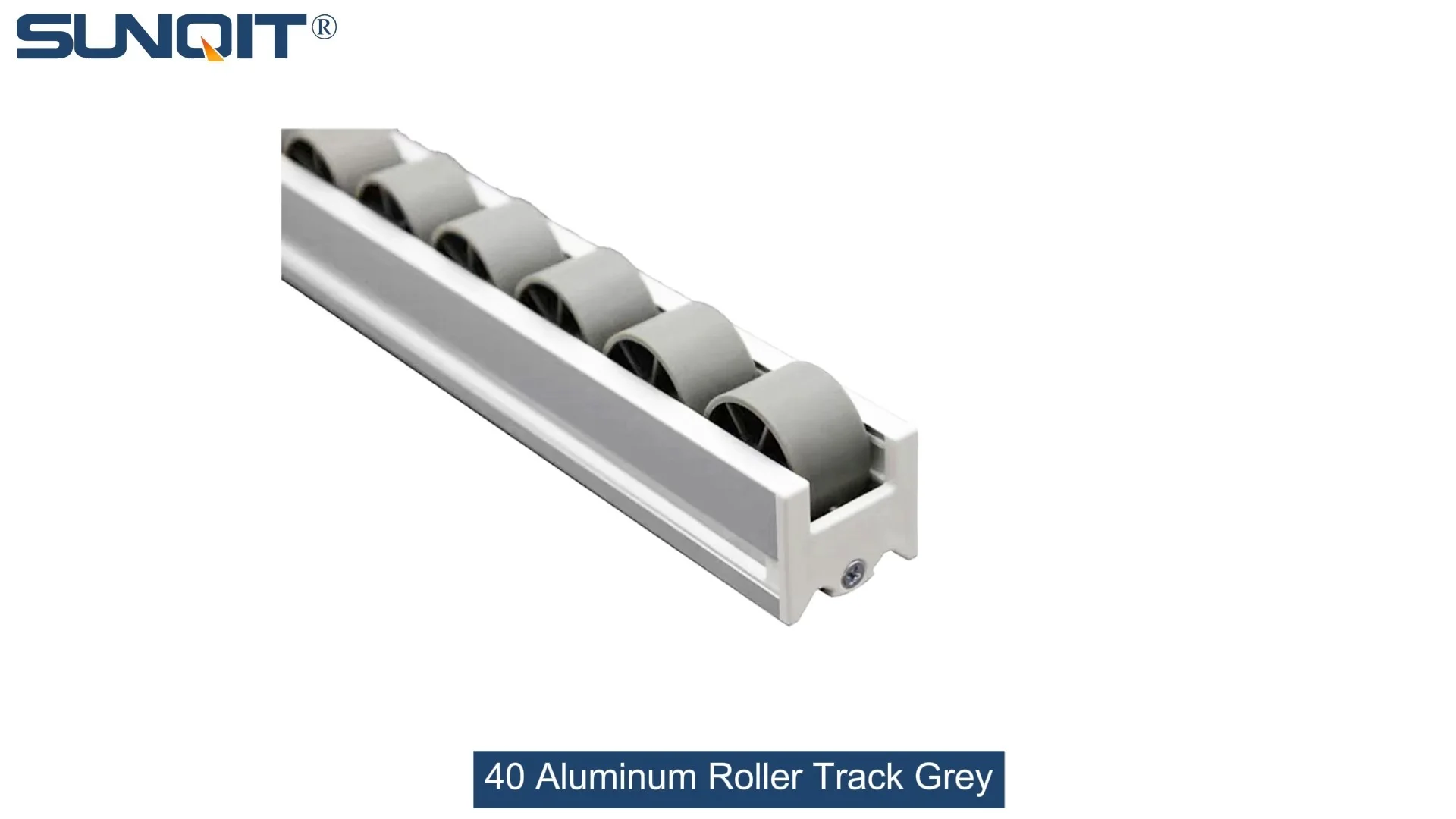
40 Aluminum Roller Track Grey
Durable and smooth-running modular roller rails. The system is fully assembled. The roller rail profile contains plastic rollers mounted on steel axles. Aluminum frame with plastic wheel make it anti corrosion,and material convey more smooth.
The Shift Toward Greener Manufacturing
In today's fast-paced industrial landscape, the phrase "sustainability" has evolved from a buzzword to a core business imperative. Manufacturers, big and small, are rethinking every aspect of their operations—from raw material sourcing to end-of-life product disposal—in a bid to reduce their environmental footprint. This shift isn't just driven by regulatory pressures or consumer demand (though those play a big role); it's also about building resilient, future-proof businesses that thrive by working with the planet, not against it. One area where this change is particularly tangible? The tools and equipment that form the backbone of production lines. Enter the 40 aluminum roller track grey—a humble yet mighty component that's quietly revolutionizing how we think about both efficiency and eco-friendliness in manufacturing.
If you've ever walked through a warehouse, assembly plant, or distribution center, you've likely seen roller tracks in action. They're the unsung heroes that move materials, components, and finished products smoothly from one station to the next, minimizing manual labor and keeping workflows on track. But not all roller tracks are created equal. Traditional options, often made from steel or plastic, come with hidden costs—both financial and environmental. Steel is heavy, energy-intensive to produce, and tricky to recycle without losing quality. Plastic, while lightweight, is derived from fossil fuels and can take centuries to decompose. So, when manufacturers started asking for a better alternative, the industry responded with something game-changing: aluminum. Specifically, the 40 aluminum roller track grey, a product that marries durability, versatility, and sustainability in a way that older materials simply can't match.
What Is 40 Aluminum Roller Track Grey?
Before diving into its eco-friendly benefits, let's get to know the star of the show: the 40 aluminum roller track grey. At its core, it's a type of conveyor component designed to facilitate the smooth, controlled movement of goods. The "40" refers to its width (typically 40mm), making it a popular choice for medium-duty applications—think moving small to medium-sized parts in electronics manufacturing, automotive assembly, or e-commerce fulfillment centers. The "aluminum" part is key: unlike steel, aluminum is lightweight yet surprisingly strong, and it boasts natural resistance to corrosion, which means it holds up well in busy, sometimes humid industrial environments. The "grey" finish? That's not just for aesthetics (though it does look sleek); it's often a powder-coated layer that adds an extra barrier against wear and tear, ensuring the track stays functional for years.
But what really sets this roller track apart is its construction. It's made from aluminum extrusion profile—a process where aluminum is heated and pushed through a die to create a specific cross-sectional shape. This method isn't just efficient; it allows for precise, consistent designs that integrate seamlessly with other components like aluminum pipe accessories. Whether you need to connect multiple tracks, add side guides, or attach it to a workbench, the extrusion process ensures compatibility and flexibility. And because aluminum is malleable, the track can be customized to fit unique layouts without compromising structural integrity. For lean system suppliers, this adaptability is a dream: it means they can design modular, scalable solutions that grow with their clients' needs, reducing the need for frequent replacements.

Recyclability: Aluminum's Superpower
Let's talk about the elephant in the room (or rather, the aluminum in the recycling bin): recyclability. Aluminum is often called the "eternal metal" for a reason: it can be recycled repeatedly without losing its inherent properties. In fact, nearly 75% of all aluminum ever produced is still in use today—a staggering statistic that highlights just how circular this material's lifecycle can be. Compare that to steel, which loses strength with each recycling cycle, or plastic, which can only be downcycled into lower-quality products before reaching the end of its useful life. For the 40 aluminum roller track grey, this means that even after decades of heavy use, it can be melted down, reshaped, and turned into a new roller track, aluminum profile, or even something entirely different—like a bicycle frame or a soda can.
The environmental impact of this recyclability can't be overstated. Producing aluminum from raw bauxite ore is energy-intensive, requiring massive amounts of electricity to extract and refine the metal. Recycling aluminum, however, uses just 5% of that energy. Let that sink in: 5%. That's a 95% reduction in energy consumption, which translates directly to lower greenhouse gas emissions. For a single 40 aluminum roller track grey, that might not seem like much, but multiply it by thousands of tracks across countless factories, and the numbers add up. It's a small change that ripples into a big difference—one that helps manufacturers meet their carbon reduction goals without sacrificing performance.
But recyclability isn't just about energy savings; it's also about waste reduction. Every year, millions of tons of industrial waste end up in landfills, including old conveyor parts and production equipment. When a steel roller track reaches the end of its life, it's often too heavy or corroded to be worth recycling, so it gets tossed. Plastic tracks, meanwhile, break down into microplastics that pollute soil and water. Aluminum tracks, though? They have value even when they're "worn out." Scrap aluminum is a hot commodity in the recycling market, so manufacturers can often sell their old tracks to recyclers, turning waste into revenue. It's a win-win: the environment benefits from less landfill waste, and businesses get a little extra cash to reinvest in their operations.

Sustainability Beyond Recycling: Durability and Longevity
Recyclability is a major feather in the 40 aluminum roller track grey's cap, but its sustainability story doesn't end there. True sustainability is about more than just what happens when a product is discarded—it's about how long it lasts, how much energy it consumes during use, and how it contributes to efficient, waste-free workflows. Here, aluminum once again shines. Let's start with durability: aluminum's natural corrosion resistance means the 40 aluminum roller track grey can withstand spills, humidity, and even occasional exposure to chemicals without rusting or degrading. Unlike steel, which needs regular painting or coating to prevent corrosion, aluminum requires minimal maintenance. A quick wipe-down with a damp cloth is usually all it takes to keep it in top shape. This not only saves time and labor but also reduces the need for harsh cleaning chemicals, further lowering the product's environmental impact.
Then there's longevity. A well-made aluminum roller track can last 10, 15, even 20 years in a typical industrial setting. Compare that to plastic tracks, which might crack or warp after just a few years, or steel tracks that rust through if not properly maintained. Fewer replacements mean fewer resources consumed in manufacturing new tracks, less waste generated, and lower costs for businesses over time. It's a classic example of "buy once, buy well"—investing in a higher-quality, more sustainable product upfront pays off in the long run, both financially and environmentally.
But perhaps the most underrated sustainability benefit of the 40 aluminum roller track grey is its role in enabling lean manufacturing. Lean systems are all about eliminating waste—whether that's wasted time, wasted materials, or wasted energy. By providing a smooth, reliable surface for material transport, aluminum roller tracks reduce bottlenecks and downtime, ensuring that production lines run at peak efficiency. When materials move quickly and predictably, there's less need for excess inventory (since parts arrive exactly when they're needed), fewer errors (since manual handling is minimized), and lower energy use (since automated systems can operate more efficiently). For a lean system supplier, integrating aluminum roller tracks into their solutions is a no-brainer: it aligns with their clients' goals of reducing waste while also staying true to their own commitment to sustainability.

How Does It Compare to Other Materials?
To truly appreciate the eco-friendly benefits of the 40 aluminum roller track grey, it helps to see how it stacks up against traditional alternatives. Let's break it down with a side-by-side comparison:
| Material | Recyclability | Energy Use (Production) | Durability (Typical Lifespan) | Maintenance Needs | Weight |
|---|---|---|---|---|---|
| 40 Aluminum Roller Track Grey | 100% recyclable; retains quality after multiple cycles | High for virgin production, but 95% less energy for recycling | 10–20 years (corrosion-resistant, low wear) | Minimal (occasional cleaning; no rust prevention needed) | Lightweight (easy to install, reduces transport emissions) |
| Steel Roller Track | Recyclable, but quality degrades with each cycle | High energy use for production and recycling | 5–10 years (prone to rust without regular coating) | High (regular painting/coating to prevent corrosion) | Heavy (increases transport emissions, requires more support structure) |
| Plastic Roller Track | Limited recyclability (often downcycled; hard to separate from additives) | Derived from fossil fuels; high carbon footprint | 3–5 years (prone to cracking, warping in heat/cold) | Moderate (susceptible to UV damage; may need replacement due to brittleness) | Lightweight, but low strength (limits load capacity) |
The table tells a clear story: when it comes to recyclability, energy efficiency, and longevity, aluminum outperforms both steel and plastic. But what about cost? It's true that aluminum roller tracks often have a higher upfront price tag than plastic or even steel. However, when you factor in lower maintenance costs, longer lifespan, and the potential to recycle the track at the end of its life (and maybe even get paid for the scrap), the total cost of ownership is often lower. For businesses committed to sustainability, this is a small price to pay for a product that aligns with their values and saves them money in the long run.
Real-World Impact: Case Studies in Sustainability
Talk is cheap, so let's look at how the 40 aluminum roller track grey is making a difference in real-world settings. Take, for example, a mid-sized electronics manufacturer in the Midwest. A few years ago, they were using steel roller tracks on their assembly line, which were rusting despite regular painting and requiring replacement every 5–6 years. Their maintenance team was spending hours each month sanding, priming, and repainting the tracks, and the heavy steel made reconfiguring the line (a common need in electronics manufacturing, where products evolve quickly) a logistical nightmare. Then, they partnered with a lean system supplier that recommended switching to 40 aluminum roller track grey.
The results were striking. Within the first year, maintenance costs dropped by 40%—no more painting, no more rust-related repairs. The lighter aluminum tracks made it easier for the team to rearrange the line when new product models were introduced, cutting downtime by half. And when the old steel tracks were removed, the manufacturer sold them as scrap for a small profit (though the steel recycler noted that the material had degraded significantly, limiting its reuse potential). Fast-forward five years: the aluminum tracks are still going strong, showing minimal wear, and the manufacturer estimates they've reduced their carbon footprint by over 30 tons thanks to lower energy use in production and maintenance. "It's not just about being green," the plant manager told us. "It's about running a smarter, more efficient operation. The aluminum tracks gave us both."
Another example comes from a food and beverage distributor in California. They were using plastic roller tracks to move crates of produce, but the tracks were cracking under the weight and warping in the state's hot summers, leading to frequent jams and product damage. Switching to 40 aluminum roller track grey solved both issues: the aluminum's strength handled the heavy crates with ease, and the powder-coated grey finish stood up to the heat. Plus, since aluminum is non-toxic, there was no risk of chemical leaching—an important consideration for food-safe operations. The distributor also appreciated that, unlike plastic, the aluminum tracks wouldn't shed microplastics into the environment. "We pride ourselves on delivering fresh, healthy products," the logistics director explained. "It only makes sense that the equipment we use to move those products should be healthy for the planet, too."
The Role of the Lean System Supplier
Behind every successful adoption of sustainable manufacturing tools is a partner who understands both the technical and environmental aspects of the job: the lean system supplier. These suppliers aren't just selling products—they're selling solutions, and in today's market, that means prioritizing sustainability alongside efficiency. A good lean system supplier will take the time to understand a client's unique needs, then recommend components like the 40 aluminum roller track grey that align with both their operational goals and their sustainability targets. They'll also provide guidance on how to integrate these components into existing systems, ensuring minimal disruption and maximum ROI.
But the supplier's role doesn't end with installation. Many are now offering "cradle-to-grave" support, helping clients plan for the end-of-life phase of their equipment. That might mean facilitating the recycling of old aluminum tracks, or repurposing them for secondary uses within the facility. Some suppliers even offer take-back programs, where they'll collect and recycle their products once they're no longer needed—closing the loop on the product's lifecycle. This level of commitment is crucial because, as the electronics manufacturer example showed, the sustainability of a product often depends on how it's managed throughout its life. A lean system supplier that truly cares about the environment won't just hand over a roller track and walk away; they'll be there to ensure it delivers on its eco-friendly promise from day one to day 3,650 and beyond.
Looking to the Future: Innovations in Aluminum Sustainability
The 40 aluminum roller track grey is already a sustainability standout, but the future holds even more promise. Researchers and manufacturers are constantly finding new ways to make aluminum production and use even greener. For starters, there's the rise of "green aluminum"—aluminum produced using 100% renewable energy, like hydroelectric or solar power. This could further reduce the carbon footprint of aluminum extrusion profile, making products like the 40 aluminum roller track grey even more eco-friendly. Some suppliers are also experimenting with recycled aluminum (often called "secondary aluminum") in their tracks. Since recycled aluminum uses 95% less energy than virgin aluminum, this could make the tracks even more cost-effective and sustainable.
Another area of innovation is in aluminum pipe accessories. Engineers are designing connectors, brackets, and guides that are lighter, stronger, and easier to recycle, ensuring that the entire system—tracks and accessories alike—contributes to sustainability. There's also a focus on modularity: creating components that can be easily disassembled and reused, reducing waste when lines are reconfigured. Imagine a future where a roller track that's no longer needed in one part of the factory can be taken apart, and its pieces used to build a new track elsewhere—no waste, no new materials required. That's the vision driving much of the research in aluminum industrial components.
Perhaps most exciting is the potential for aluminum to play a role in the circular economy—a system where products are designed to be reused, repaired, or recycled, eliminating the concept of "waste." The 40 aluminum roller track grey is already a circular economy star, but as more manufacturers adopt this mindset, we could see a ripple effect across industries. From automotive to aerospace, from consumer goods to construction, aluminum's unique properties make it a linchpin in building a more sustainable future.
Conclusion: Small Components, Big Impact
At the end of the day, the 40 aluminum roller track grey is more than just a conveyor component. It's a symbol of how even the smallest parts of our industrial ecosystem can drive meaningful change. By choosing materials that are recyclable, durable, and energy-efficient, manufacturers aren't just doing their part for the planet—they're building stronger, more resilient businesses. They're reducing costs, improving efficiency, and creating workplaces that attract and retain talent (since today's employees, especially younger generations, want to work for companies that prioritize sustainability).
So, the next time you see a roller track moving products along a factory line, take a closer look. Is it steel, rusting and heavy? Plastic, cracking and fragile? Or is it aluminum—sleek, strong, and quietly contributing to a greener future? For the manufacturers, suppliers, and workers who rely on these tools every day, the choice is clear. The 40 aluminum roller track grey isn't just a better option; it's the only option for those who believe that sustainability and success go hand in hand.
In the end, sustainability isn't about grand gestures—it's about the cumulative impact of thousands of small, thoughtful choices. And when it comes to those choices, the 40 aluminum roller track grey is proof that even the most unassuming components can make a world of difference.