- Company Articles
- Products and Technology
- Product knowledge
- Eco-Friendly Comparison: Aluminum Workbench C vs Recyclable Plastic Workstations

Eco-Friendly Comparison: Aluminum Workbench C vs Recyclable Plastic Workstations
Related Product
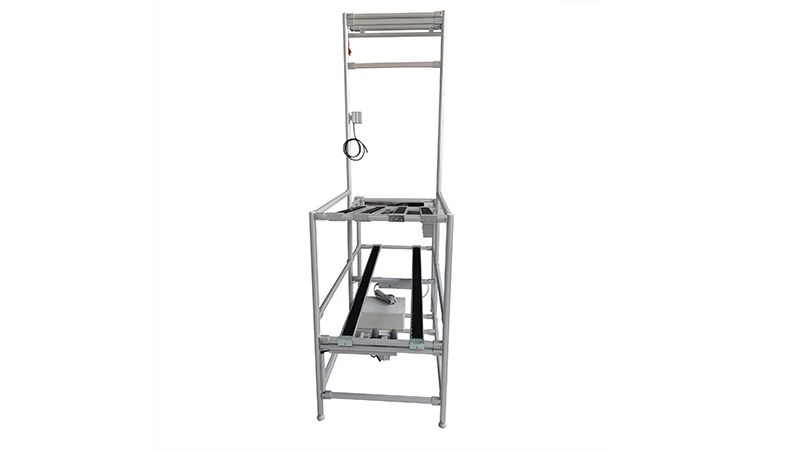
Aluminum Workbench C
aluminum-tube-workbench-is-more-flexible-and-durable,-compared-with-traditional-pe/abs-coated-steel-tube.-it-is-easy-to-assemble,-anti-corrosion,-rust-protection,-and-recycle-use-after-disassemble.
In today's manufacturing world, where "going green" isn't just a trend but a business imperative, the tools and furniture we use in our workspaces matter more than ever. From the factory floor to the assembly line, every piece of equipment contributes to a company's environmental footprint. That's why choosing the right workstation—one that balances functionality with sustainability—has become a top priority for forward-thinking operations. Today, we're diving into two popular options: the Aluminum Workbench C and recyclable plastic workstations. Both claim to be eco-friendly, but how do they really stack up? Let's break it down, conversation-style, so you can make the most informed choice for your team and the planet.
The Rise of Eco-Friendly Workstations: Why It Matters
Before we jump into the specifics, let's take a step back. Why are eco-friendly workstations suddenly such a big deal? Well, for starters, consumers and regulators alike are holding businesses accountable for their environmental impact. A 2023 study by the Sustainable Manufacturing Forum found that 78% of manufacturers report increased pressure to reduce waste and carbon emissions— and that includes everything from production processes to the furniture on the shop floor.
But it's not just about checking boxes. Sustainable workspaces often lead to better efficiency, too. Think about it: a durable, adaptable workstation reduces the need for frequent replacements (cutting waste), while lightweight materials can lower transportation costs and energy use. Plus, employees tend to feel more engaged in workplaces that prioritize sustainability— and happy employees mean higher productivity. It's a win-win.
So, when we talk about Aluminum Workbench C and recyclable plastic workstations, we're not just comparing two pieces of furniture. We're comparing two approaches to sustainability: one rooted in metal's timeless durability and recyclability, and the other in plastic's promise of lower upfront impact and design flexibility. Let's explore each in detail.
Aluminum Workbench C: The Heavyweight Contender with a Light Environmental Footprint
What Even Is Aluminum Workbench C, Anyway?
If you're not familiar with Aluminum Workbench C, let's start with the basics. This isn't your average workbench. It's built using aluminum extrusion profile — a process where aluminum is pushed through a die to create custom shapes, like the frames and supports that make up the workstation. The "C" in its name refers to its design: a single-deck setup (no casters, though you can add them later) that's built for stability and simplicity. But what really sets it apart is its commitment to sustainability, starting with the material itself: aluminum.
The Star Material: Aluminum Profile and Extrusion
Aluminum is often called the "green metal," and for good reason. Let's start with where it comes from. Unlike plastic, which is derived from fossil fuels, aluminum is mined from bauxite ore— a natural resource, but one that's processed in a way that's surprisingly energy-efficient, especially when compared to other metals like steel. Here's the kicker: while extracting aluminum from bauxite does require energy, once it's processed into aluminum profile , it becomes incredibly durable and, crucially, 100% recyclable.
The extrusion process itself is another sustainability win. Extruding aluminum uses less energy than casting or forging, and the ability to create complex shapes in one go means less waste. For example, the frame of Aluminum Workbench C is made from a single extrusion, so there's no need for multiple pieces to be welded or glued together— which not only makes the workstation sturdier but also reduces the number of materials (and potential waste) involved.
Recyclability: Aluminum's Secret Superpower
Let's talk about the end of the lifecycle, because that's where aluminum truly shines. When an Aluminum Workbench C reaches the end of its useful life (which, by the way, could be decades— more on that later), it doesn't end up in a landfill. Instead, it can be melted down and reused to make new aluminum products— and here's the mind-blowing part: recycling aluminum uses just 5% of the energy required to produce it from raw bauxite. That's a 95% energy savings! And unlike plastic, which often degrades in quality when recycled (a process called "downcycling"), aluminum retains its properties no matter how many times it's recycled. It's a closed-loop system, which is the gold standard for sustainability.
Durability: Less Waste, More Work
Sustainability isn't just about recyclability— it's also about longevity. After all, the most eco-friendly product is the one you never have to replace. Aluminum Workbench C nails this. The aluminum extrusion profile is resistant to rust, corrosion, and dents, even in harsh factory environments. It can handle heavy tools, constant use, and even the occasional spill without breaking a sweat. Compare that to a plastic workstation, which might crack under heavy weight or warp if exposed to high temperatures, and you start to see why durability matters for the planet: fewer replacements mean less waste, less energy used in manufacturing new products, and a lower overall carbon footprint.
Customization Without the Guilt
One of the reasons Aluminum Workbench C is popular in lean manufacturing setups is its adaptability. Lean system principles emphasize minimizing waste and maximizing efficiency, and this workbench fits right in. Thanks to its modular design, you can add shelves, tool hooks, or even casters later on using aluminum pipe accessories — no need to buy a whole new workstation. This flexibility means your workspace can evolve with your needs without contributing to landfill waste. For example, if you need to expand your bench's surface area, you can simply add an extension using the same aluminum profile, rather than scrapping the old one.

Recyclable Plastic Workstations: The New Kid on the Block with Big Promises
Plastic's Reputation vs. Reality
When you hear "recyclable plastic workstations," you might have mixed feelings. Plastic has a bad rap for clogging landfills and oceans, but not all plastic is created equal. These workstations are made from "recyclable" plastics, like HDPE (high-density polyethylene) or PP (polypropylene), which are theoretically easier to recycle than, say, single-use plastic bags. But there's a catch: "recyclable" doesn't always mean "actually recycled." Let's unpack that.
What Makes These Plastics "Recyclable"?
Recyclable plastic workstations are typically made from post-consumer recycled (PCR) plastic or virgin plastic that's labeled as recyclable. PCR plastic is made from things like old water bottles or packaging, which is melted down and reshaped into workstation components. On the surface, this sounds great— it's diverting plastic from landfills, right? The problem is that plastic recycling is far less efficient than aluminum recycling. For one, plastic can only be recycled a limited number of times before it becomes too degraded to use. Each cycle weakens its structure, so it often ends up as lower-quality products (like park benches or trash cans) rather than new workstations. And let's not forget: only about 9% of all plastic ever produced has been recycled, according to the EPA. The rest ends up in landfills, incinerators, or the environment. So while these workstations are "recyclable" in theory, their actual end-of-life fate is far less certain than aluminum's.
Manufacturing Impact: Lower Upfront Energy, But…
Plastic workstations do have one advantage in manufacturing: they require less energy to produce than aluminum, at least initially. Molding plastic into workstation shapes is a relatively quick process, and plastic is lightweight, which can lower transportation emissions. But here's the trade-off: plastic is made from petroleum, a non-renewable resource. Every time you produce new plastic, you're contributing to fossil fuel depletion and greenhouse gas emissions. Aluminum, on the other hand, while requiring more energy to extract initially, makes up for it in recyclability— so over its lifecycle, its total energy use is often lower.
Durability: A Double-Edged Sword
Plastic workstations are lightweight and easy to move, which is a plus for some workspaces. But when it comes to durability, they often fall short of aluminum. Plastic can crack under heavy loads, warp in high temperatures (common in factories), or degrade when exposed to chemicals like cleaning agents. This means you might need to replace a plastic workstation every 3-5 years, whereas an aluminum one could last 10-15 years or more. More replacements mean more manufacturing, more transportation, and more waste— all of which chip away at the "eco-friendly" label.

Head-to-Head: Aluminum Workbench C vs. Recyclable Plastic Workstations
To make this comparison clearer, let's put the key points side by side. Here's a breakdown of how these two workstations stack up in terms of sustainability, durability, and practicality:
| Feature | Aluminum Workbench C | Recyclable Plastic Workstations |
|---|---|---|
| Material Source | Bauxite ore (natural, non-fossil fuel) | Petroleum-based plastics (fossil fuel-dependent) |
| Recyclability Rate (Theoretical) | 100% recyclable, infinite times, no quality loss | 30-50% recyclable (varies by type), limited cycles (downcycled) |
| Energy Use (Lifecycle) | High initial extraction energy, 95% savings on recycling | Low initial manufacturing energy, no significant recycling savings |
| Expected Lifespan | 10-15+ years | 3-5 years |
| Durability | Resistant to rust, dents, heat, and chemicals | Prone to cracking, warping, and degradation over time |
| Customization (Lean System Compatibility) | High: Modular with aluminum pipe accessories for easy reconfiguration | Low: Limited adaptability; often requires full replacement |
| Carbon Footprint (Per Unit) | Lower over lifecycle due to recyclability and longevity | Higher over time due to frequent replacements and fossil fuel reliance |

Beyond the Numbers: Real-World Scenarios Where It Matters
Numbers are great, but let's talk about how this plays out in real life. Imagine two factories: one using Aluminum Workbench C, the other using recyclable plastic workstations. Let's fast-forward 10 years.
In Factory A (Aluminum), the workbenches are still going strong. They've been reconfigured twice (adding shelves and tool holders using aluminum pipe accessories) to keep up with changing production needs. When a few parts started to show wear, the manufacturer recycled the old aluminum and used it to create new accessories— no waste, minimal energy. The total carbon footprint for each workstation over 10 years? Relatively low, thanks to recyclability and durability.
In Factory B (Plastic), they've already replaced their workstations twice. The first set cracked under heavy tool use after 3 years; the second warped in the summer heat and had to be scrapped at year 7. While the company tried to recycle the old plastic, only about 40% of it was actually reused— the rest ended up in a landfill. They've spent more money on replacements, used more energy in manufacturing new workstations, and contributed more waste. The "recyclable" label sounded good on paper, but in practice, the lifecycle impact was far higher.
So, Which One Should You Choose?
At the end of the day, the answer depends on your priorities. If short-term cost is your main concern, plastic workstations might seem appealing— they're often cheaper upfront. But if you're serious about sustainability (and long-term savings), Aluminum Workbench C is the clear winner. Its aluminum extrusion profile ensures durability, its recyclability closes the loop on waste, and its compatibility with lean system principles means it can grow and change with your business— no need for constant replacements.
Think of it this way: choosing a workstation is like choosing a car. A plastic workstation is the economy car— cheap now, but you'll be replacing it in a few years, and its environmental impact adds up. Aluminum Workbench C is the hybrid— a bit more investment upfront, but it lasts longer, uses less energy over time, and leaves a smaller footprint. And in today's world, where sustainability isn't just a trend but a responsibility, that's a choice that benefits both your business and the planet.
Wrapping It Up: The Future of Workstations Is Green— and Aluminum
As manufacturers continue to prioritize sustainability, the tools we use to build and create matter more than ever. Recyclable plastic workstations have their place, but they're not the silver bullet they're often made out to be. Aluminum Workbench C, with its aluminum profile construction, recyclability, and durability, represents the future of eco-friendly workspaces. It's a workstation that doesn't just get the job done— it does it while respecting the planet we all share.
So, the next time you're outfitting your factory or workshop, remember: sustainability isn't about perfection. It's about making choices that minimize harm and maximize longevity. And when it comes to workstations, Aluminum Workbench C is a choice you can feel good about— today, tomorrow, and for years to come.