- Company Articles
- Products and Technology
- Product knowledge
- Eco-Friendly Features of Gusset ALP 4040: Recyclability and Low Carbon Footprint

Eco-Friendly Features of Gusset ALP 4040: Recyclability and Low Carbon Footprint
Related Product
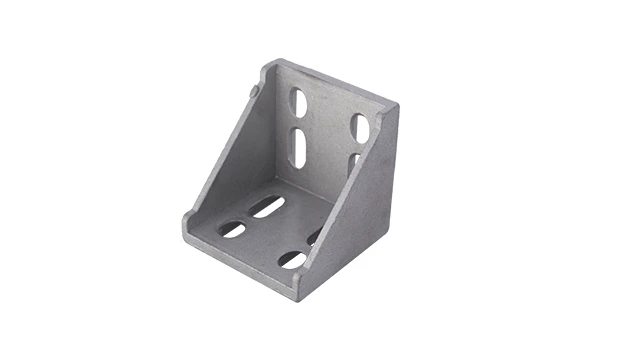
Gusset ALP 4040
The 4040 bracket/Gusset is an external fastening method that creates a 90 degree connection. 4040 means this size is used for 40 series aluminum profile with a quick connection by bolt and nut. It is a lightweight bracket that requires no machining servic
The Green Shift in Modern Manufacturing
Walk into any manufacturing facility today, and you'll notice a quiet revolution unfolding. Beyond the hum of machinery and the rhythm of assembly lines, there's a growing focus on something equally critical: sustainability. As businesses grapple with climate change pressures, stricter environmental regulations, and consumer demand for eco-conscious products, the industry is rethinking every component—including the humble gusset. Enter the Gusset ALP 4040, a small but mighty part of the aluminum extrusion profile family that's making big waves in sustainable manufacturing. In this article, we'll explore how this unassuming component embodies recyclability and a low carbon footprint, and why it's becoming a cornerstone for lean systems worldwide.
What is Gusset ALP 4040? A Closer Look at the Component
Before diving into its eco-friendly features, let's get familiar with what Gusset ALP 4040 is. Part of the broader category of aluminum profile accessories, this gusset is a structural bracket designed to reinforce connections between aluminum extrusion profiles—those versatile, T-slot aluminum pipes that form the backbone of workbenches, material racks, and production lines. Think of it as the "glue" that holds lean system setups together, ensuring stability without adding unnecessary weight or bulk.
What sets Gusset ALP 4040 apart is its origin: it's crafted from aluminum extrusion profile, a process that shapes aluminum into complex cross-sections using high pressure. This method isn't just about precision—it's inherently eco-friendly, as we'll explore later. And because it's part of the aluminum profile ecosystem, it works seamlessly with other accessories like brackets, connectors, and hinges, creating modular systems that adapt to changing production needs. This modularity is key to sustainability; instead of replacing entire structures when workflows change, manufacturers can reconfigure components like Gusset ALP 4040, reducing waste from the start.

Recyclability: Aluminum's Superpower, Gusset ALP 4040's Advantage
If there's one material that defines circular economy principles, it's aluminum. Unlike plastics or even steel, aluminum can be recycled repeatedly without losing its mechanical properties. A aluminum can recycled today could be back on store shelves as a new can in as little as 60 days—and the same logic applies to structural components like Gusset ALP 4040. Let's break down why this matters.
Aluminum Extrusion Profile: Born to Be Recycled
Gusset ALP 4040 starts life as an aluminum extrusion profile, and the extrusion process itself minimizes waste. Unlike casting, which often leaves excess material (flash) that's discarded, extrusion shapes aluminum billets into precise profiles with minimal scrap. Any leftover aluminum from extrusion is immediately recycled back into the production process, creating a closed loop from the start. This "near-net shape" manufacturing reduces raw material use by up to 30% compared to traditional machining, where blocks of metal are carved down to size—wasting valuable resources in the process.
But the real magic happens at the end of Gusset ALP 4040's lifecycle. When a production line is retired or reconfigured, the gusset (and its aluminum extrusion profile counterparts) can be melted down, purified, and reshaped into new components. The recycling process for aluminum uses just 5% of the energy required to produce new aluminum from bauxite ore. That's a 95% energy savings—a staggering number that translates directly to lower carbon emissions. For manufacturers, this isn't just good for the planet; it's good for the bottom line, as recycled aluminum often costs less than virgin material, especially as energy prices rise.
Closing the Loop: From Factory Floor to Recycling Bin (and Back)
Imagine a scenario: a electronics manufacturer upgrades its assembly line after five years. Instead of sending old workbenches and gussets to landfills, they dismantle the aluminum extrusion profiles and Gusset ALP 4040 brackets. These parts are sorted, cleaned, and sent to a recycling facility, where they're melted into ingots. Those ingots are then shipped to an extrusion plant, where they're transformed into new profiles—maybe even new Gusset ALP 4040 units. This loop can repeat indefinitely, turning "waste" into a valuable resource. In contrast, plastic gussets often end up in landfills or incinerators, releasing toxins, while steel gussets, though recyclable, lose structural integrity after multiple recycles and require more energy to process.

Low Carbon Footprint: From Production to Application
Recyclability is just one piece of the puzzle; the carbon footprint of a component starts long before it's recycled—it begins with how it's made. Gusset ALP 4040 shines here, too, thanks to the aluminum extrusion process and the inherent properties of aluminum.
Energy Efficiency in Aluminum Extrusion
Extruding aluminum is surprisingly energy-efficient. The process involves heating aluminum billets to around 500°C (932°F)—hot enough to make the metal malleable but far cooler than the 1,538°C (2,800°F) needed to melt steel. This lower temperature reduces energy consumption during production. Modern extrusion plants also increasingly rely on renewable energy sources like solar or wind power to heat billets and run presses, further slashing emissions. For example, a European extrusion facility using 100% renewable energy can produce Gusset ALP 4040 with a carbon footprint as low as 2 kg of CO2 per kg of aluminum—compared to 15-20 kg for steel and 2-3 kg for plastic (though plastic's lower footprint is offset by its poor recyclability and short lifespan).
Lightweight Design, Lower Emissions in Use
Aluminum's high strength-to-weight ratio is another eco-friendly win. Gusset ALP 4040, being lightweight, reduces the overall weight of structures like workbenches and material racks. Lighter equipment is easier to move, requires less energy to transport, and puts less strain on conveyor systems—all of which cut operational emissions. For instance, a lean system workbench built with aluminum extrusion profiles and Gusset ALP 4040 weighs 40% less than a steel equivalent. This means lower fuel use when shipping components, less energy to move the workbench on the factory floor, and reduced wear and tear on machinery—extending the lifespan of other equipment, too.
The Lean System Connection: Eco-Friendly Workflows
Lean system principles—eliminating waste, optimizing workflows, and continuous improvement—align perfectly with sustainability goals. Gusset ALP 4040, as a key component of lean setups, bridges the gap between efficiency and eco-friendliness. Here's how:
Modularity Reduces Waste
Lean systems thrive on adaptability. A production line that makes smartphones today might need to switch to tablets tomorrow, requiring reconfigured workbenches or material racks. With Gusset ALP 4040 and aluminum extrusion profiles, this reconfiguration is seamless. Instead of scrapping the entire structure, workers can loosen bolts, swap out components, and reuse Gusset ALP 4040 in the new setup. This "build once, reuse often" approach cuts down on material waste and the carbon emissions associated with manufacturing new parts.
Aluminum Profile Accessories: Completing the Sustainable Loop
Gusset ALP 4040 doesn't work alone. It's part of a ecosystem of aluminum profile accessories—hinges, clamps, casters, and more—all made from recyclable aluminum. This means the entire lean system, from workbench to conveyor, is built with sustainability in mind. For example, a turnover trolley using aluminum extrusion profiles and Gusset ALP 4040 can be disassembled at the end of its life, with every component recycled. Even better, many accessories are designed for minimal material use; a lightweight caster wheel paired with Gusset ALP 4040 reduces the trolley's weight, lowering energy use during transport.
Efficiency = Lower Emissions
Lean systems are all about reducing "muda" (waste), and waste equals emissions. By streamlining workflows with aluminum extrusion profiles and Gusset ALP 4040, manufacturers reduce idle time, cut down on excess inventory, and minimize errors—all of which lower energy use. A study by the Lean Enterprise Institute found that lean-adopting facilities reduced energy consumption by 25% on average, thanks in part to optimized layouts made possible by modular components. When every second of production is efficient, fewer resources are wasted, and fewer emissions are released.
Environmental Impact Assessment: Gusset ALP 4040 vs. Traditional Gussets
To put Gusset ALP 4040's eco-friendly features into perspective, let's compare it to common alternatives: steel gussets and plastic gussets. The table below highlights key environmental metrics (estimates based on industry data):
| Environmental Metric | Gusset ALP 4040 (Aluminum Extrusion) | Steel Gusset | Plastic Gusset |
|---|---|---|---|
| Recyclability Rate | ~95% (infinite recycling without degradation) | ~85% (loses strength after 3-4 recycles) | ~10% (most end up in landfills/incinerators) |
| Carbon Emissions (kg CO₂ per kg produced) | 4-6 (lower with renewable energy) | 15-20 | 2-3 (but higher lifecycle emissions due to short lifespan) |
| Typical Lifespan (years) | 15-20 (with proper maintenance) | 10-15 (prone to rust without coating) | 3-5 (degrades under heat/mechanical stress) |
| Energy Savings in Recycling | 95% vs. virgin aluminum production | 70% vs. virgin steel production | Minimal (recycling plastic saves ~5% energy vs. virgin) |
| End-of-Life Disposal | Recyclable; no toxic byproducts | Recyclable; may require coating removal (emissions) | Mostly landfilled/incinerated; releases methane/toxins |
The data speaks for itself: while plastic gussets have lower production emissions, their short lifespan and poor recyclability make them a poor long-term choice. Steel gussets are durable but energy-intensive to produce and recycle. Gusset ALP4040, with its high recyclability, long lifespan, and low lifecycle emissions, emerges as the clear eco-friendly leader.
Real-World Impact: How Manufacturers Are Using Gusset ALP 4040 to Go Green
Theory is one thing; real-world application is another. Let's look at two examples of manufacturers leveraging Gusset ALP 4040 and aluminum extrusion profiles to reduce their environmental footprint:
Case Study 1: Electronics Manufacturer Reduces Waste by 30%
A mid-sized electronics firm in Southeast Asia was struggling with frequent production line reconfigurations. Every time they launched a new smartphone model, they had to replace steel workbenches and plastic gussets, generating tons of waste. In 2023, they switched to lean systems built with aluminum extrusion profiles and Gusset ALP 4040. The results? They reduced material waste by 30% in the first year, as components were reused across multiple product lines. Recycling old aluminum parts also generated revenue, offsetting 15% of their material costs. "We used to see dumpsters full of broken plastic brackets," said the plant manager. "Now, we send aluminum scrap to a local recycler and get paid for it. It's a win-win."
Case Study 2: Automotive Supplier Cuts Energy Use with Lightweight Structures
A European automotive supplier needed to meet strict EU carbon targets. They replaced steel conveyor systems with aluminum extrusion profiles reinforced by Gusset ALP 4040. The lighter aluminum structures reduced the load on conveyor motors, cutting energy use by 22%. Additionally, when the plant expanded, they reconfigured 70% of the existing aluminum components, avoiding the emissions from manufacturing new steel parts. "The Gusset ALP 4040 was key," noted the sustainability director. "It's strong enough to support heavy car parts but light enough to keep energy use low. And when we eventually retire these systems, we know the aluminum will be recycled."
The Future of Sustainable Manufacturing: Gusset ALP 4040 and Beyond
As the world moves toward a circular economy, components like Gusset ALP 4040 will only grow in importance. Here's what the future holds:
- More Recycled Content: Extrusion plants are increasingly using post-consumer recycled aluminum (PCR) to make profiles like Gusset ALP 4040. Some suppliers now offer profiles with 70%+ PCR content, further reducing reliance on virgin material.
- Smart Design for Disassembly: Future aluminum profile accessories will be even easier to take apart, with tool-free connectors and color-coded components that simplify recycling sorting.
- Carbon Labeling: Just as food products have nutrition labels, industrial components may soon carry carbon footprint labels. Gusset ALP 4040, with its low emissions, will be a selling point for manufacturers eager to showcase sustainability.
Conclusion: Small Component, Big Change
Gusset ALP 4040 may be a small part of the manufacturing puzzle, but its impact on sustainability is significant. By leveraging aluminum's recyclability, the energy efficiency of extrusion, and the modularity of lean systems, it proves that eco-friendly manufacturing doesn't require sacrificing performance or cost-effectiveness. As more manufacturers adopt components like Gusset ALP 4040 and aluminum extrusion profiles, we move closer to a future where production lines are not just efficient—but regenerative.
In the end, sustainability isn't about grand gestures; it's about the choices we make in every component, every process, and every workflow. Gusset ALP 4040 is a testament to that truth—a reminder that even the smallest parts can help build a greener, more sustainable world.