- Company Articles
- Products and Technology
- Product knowledge
- Eco-Friendly Materials in Roller Track Placon Mount Center Support Bracket: Reducing Carbon Footprint

Eco-Friendly Materials in Roller Track Placon Mount Center Support Bracket: Reducing Carbon Footprint
Related Product
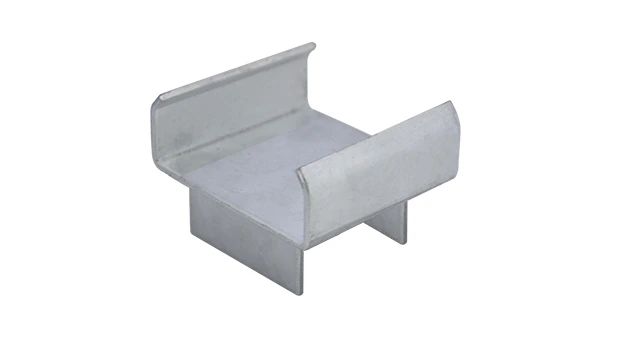
Roller Track Placon Mount Center Support Bracket
Roller track placon mount work as a connector for roller track and pipe or aluminum profile in rack syetem, it is a necessary parts in rack system which widely used in industrial plant and logistic,warehouse storage.
How Sustainable Innovation in Lean Manufacturing is Shaping a Greener Future for Factories Worldwide
The Hidden Carbon Challenge in Manufacturing
Walk into any manufacturing plant—whether it's churning out smartphones, medical devices, or car parts—and you'll see a symphony of motion: conveyor belts gliding, workbenches bustling, and roller tracks smoothly moving components from station to station. But behind this efficiency lies a quiet problem: the carbon footprint of the very equipment keeping production alive. From the steel brackets holding up assembly lines to the plastic components that wear out after months of use, traditional manufacturing tools have long been contributors to global emissions, from raw material extraction to disposal.
For factory managers and sustainability teams, this presents a dual challenge: meeting production demands while shrinking environmental impact. The numbers are stark: the manufacturing sector accounts for nearly 25% of global carbon emissions, with a significant portion tied to the production and lifecycle of industrial equipment. But what if the solution wasn't just about "less" manufacturing, but "smarter" manufacturing? Enter the world of eco-friendly materials in lean production systems—where components like the roller track placon mount center support bracket are becoming unsung heroes in the fight against climate change.
Lean Manufacturing Meets Sustainability: A Natural Partnership
Lean manufacturing has always been about "doing more with less"—eliminating waste, optimizing processes, and continuous improvement. But in recent years, this philosophy has expanded to embrace a new dimension: environmental sustainability. The core idea? A truly lean system shouldn't just save time and money—it should save resources, too. This is where eco-friendly materials step in, turning everyday components like support brackets, workbenches, and roller tracks into tools for both efficiency and planet care.
At the heart of this shift is the principle of "circularity"—designing products that can be reused, recycled, or repurposed, rather than ending up in landfills. For decades, lean systems relied on materials like painted steel or non-recyclable plastics, which served their purpose but left a heavy environmental legacy. Today, forward-thinking suppliers are reimagining these components with sustainability in mind, starting with the materials that make them up. And one component that's leading this charge is the roller track placon mount center support bracket—a small but critical part of any conveyor or flow rack system.

The Roller Track Placon Mount Center Support Bracket: A Closer Look at Its Green Makeover
To understand why this unassuming bracket matters, think of it as the backbone of a roller track system. It's the part that keeps the track stable, ensures smooth movement of goods, and bears the weight of thousands of components daily. Traditionally, these brackets were made from solid steel or low-grade plastics—durable, but resource-heavy. Steel production, for example, is energy-intensive, releasing CO2 at every stage from mining iron ore to forging the final product. Plastics, meanwhile, often rely on fossil fuels and take centuries to decompose.
The game-changer? Switching to aluminum lean pipe and recycled aluminum alloys. Today's roller track placon mount center support brackets are increasingly crafted from high-grade aluminum lean pipe, a material that checks every box for sustainability and performance. Let's break down why this matters:
- Recyclability by Design : Aluminum is one of the most recyclable materials on the planet, with a recycling rate of over 95%. Unlike steel, which loses quality when recycled repeatedly, aluminum can be melted down and reshaped into new brackets, workbenches, or roller tracks without losing strength. This means that even at the end of a bracket's lifecycle, its material doesn't become waste—it becomes the start of something new.
- Lightweight, Low-Impact Production : Producing aluminum lean pipe uses 95% less energy than creating new aluminum from bauxite ore. For manufacturers, this translates to lower carbon emissions during production. Plus, aluminum's lightweight nature reduces the energy needed to transport brackets to factories—cutting down on fuel use and emissions from delivery trucks.
- Durability That Reduces Waste : Aluminum lean pipe is surprisingly tough. It resists corrosion, stands up to heavy loads, and doesn't warp or degrade under the heat of factory floors. This longevity means fewer replacements: a single aluminum bracket can last 10+ years, compared to 3-5 years for plastic or low-grade steel alternatives. Fewer replacements mean less material extraction, less manufacturing energy, and less waste.
| Material Type | Carbon Emissions (Production) | Recyclability Rate | Average Lifespan | Weight (per unit) |
|---|---|---|---|---|
| Traditional Steel Bracket | High (3.2kg CO2 per kg of steel) | 60-70% | 3-5 years | Heavy (2.5kg) |
| Plastic Bracket | Medium-High (2.1kg CO2 per kg of plastic) | <10% (most not recycled) | 2-3 years | Light (0.8kg) |
| Aluminum Lean Pipe Bracket | Low (0.2kg CO2 per kg via recycling) | 95% | 10+ years | Lightweight (1.2kg) |

Aluminum Lean Pipe: The Unsung Hero of Sustainable Lean Systems
The roller track placon mount center support bracket doesn't work alone. It's part of a larger ecosystem of lean manufacturing tools, all built on the foundation of aluminum lean pipe. This material—lightweight, modular, and infinitely reusable—is revolutionizing how factories approach both efficiency and sustainability. Think of it as the "building block" of modern lean systems: with aluminum lean pipe, manufacturers can everything from workbenches and flow racks to entire conveyor lines, then reconfigure them as production needs change—no waste, no new materials, just adaptability.
Take, for example, a 3C electronics plant that needs to shift from assembling smartwatches to tablets. With traditional steel workbenches, this might mean tearing down old stations and buying new ones—a process that sends steel to scrapyards and emits CO2 from manufacturing replacements. With aluminum lean pipe workbenches and roller tracks, the same plant can simply disassemble the existing setup, rearrange the pipes and brackets, and have a new line ready in hours. The aluminum lean pipe components? They're as strong and functional as the day they were first installed.
This flexibility is key to reducing carbon footprints. A study by the Lean Sustainability Institute found that factories using modular aluminum lean pipe systems reduced their equipment-related waste by 68% and cut annual carbon emissions by an average of 12 tons per facility. For a mid-sized plant, that's the equivalent of taking 2.5 cars off the road for a year.
Case Example: How a Medical Device Factory Cut Emissions with Aluminum Lean Pipe Solutions
In 2023, a leading medical device manufacturer in California faced a dilemma: expand production to meet demand for surgical tools or hit sustainability targets. Their old assembly lines relied on steel roller tracks and plastic support brackets, which were costly to replace and left a large environmental footprint. Enter a lean solution centered on aluminum lean pipe and eco-friendly roller track components.
The factory replaced 80% of its steel brackets with roller track placon mount center support brackets made from recycled aluminum lean pipe. They paired this with aluminum flow racks and adjustable workbenches, all built on the same modular system. The results? Over 18 months, their carbon emissions from equipment production dropped by 42%, and they saved $75,000 in material costs by reusing components during a line redesign. "We used to see piles of scrap metal and broken plastic brackets at the end of every project," said the plant manager. "Now, those piles are gone—we just repurpose the aluminum parts. It's not just good for the planet; it's good for our bottom line."
Beyond Brackets: Building a Complete Eco-Friendly Lean Solution
The magic of sustainable lean manufacturing lies in systems thinking—not just swapping one component for a greener version, but designing entire production lines that work together to minimize waste. The roller track placon mount center support bracket is a critical piece, but when paired with other eco-friendly tools like flow racks, ESD workstations, and energy-efficient conveyors, it becomes part of a lean solution that transforms how factories operate.
Consider flow racks, for instance. Traditionally made with particleboard shelves and steel frames, modern flow racks now use aluminum lean pipe frames and recycled plastic roller tracks. These racks not only reduce weight (cutting energy use during installation and transport) but also allow for easy reconfiguration. A warehouse that once needed new racks every time inventory changed can now adjust shelf heights and layouts using the same aluminum pipes and brackets—saving time, money, and resources.
Even the smallest details matter. Take the casters on mobile workstations: switching from plastic to aluminum casters with recycled rubber wheels reduces both material waste and noise pollution. Or the end caps on aluminum pipes, now made from plant-based plastics instead of petroleum-based ones. Every component, when designed with sustainability in mind, adds up to a significant reduction in a factory's overall carbon footprint.
The Business Case for Green Lean: Why Sustainability Drives Success
For manufacturers on the fence about investing in eco-friendly materials, the question often comes down to cost. But the data tells a clear story: sustainable lean solutions aren't just good for the planet—they're good for business. Let's break down the ROI:
- Lower Long-Term Costs : Aluminum lean pipe components cost slightly more upfront than plastic or low-grade steel, but their 10+ year lifespan and recyclability mean lower replacement costs. One auto parts manufacturer reported saving $120,000 over five years by switching to aluminum roller tracks and brackets.
- Regulatory Compliance : With governments worldwide tightening emissions regulations (like the EU's Carbon Border Adjustment Mechanism), factories using eco-friendly materials avoid fines and gain access to green incentives. For example, a factory in Germany using aluminum lean pipe systems qualified for a 15% tax credit for sustainable manufacturing investments.
- Brand Reputation : Consumers and B2B buyers alike are prioritizing sustainability. A 2024 survey found that 78% of manufacturers would pay a premium for suppliers with strong environmental credentials. By adopting visible green practices—like aluminum lean pipe workbenches and eco-friendly roller tracks—factories can differentiate themselves in competitive markets.
- Employee Satisfaction : Workers notice when their employers invest in sustainability. Factories with eco-friendly setups report 22% higher retention rates, as employees feel proud to work for companies aligned with their values. Plus, aluminum's lightweight nature reduces physical strain during line reconfigurations, cutting down on workplace injuries.
A Greener Future, One Bracket at a Time
The roller track placon mount center support bracket may seem like a small part of the manufacturing puzzle, but it represents a much larger shift: the rise of sustainability as a core pillar of lean production. As factories worldwide grapple with climate change, the choice to invest in eco-friendly materials like aluminum lean pipe isn't just a "nice-to-have"—it's a strategic imperative.
From reducing carbon emissions during production to minimizing waste through reusability, these innovations prove that efficiency and environmental care can go hand in hand. And as technology advances, the possibilities only grow: imagine aluminum lean pipe infused with recycled carbon fiber for even greater strength, or roller tracks made from 100% plant-based composites. The future of manufacturing isn't just about making more—it's about making better, for people and the planet.
So the next time you walk through a factory, take a closer look at the equipment keeping things moving. That unassuming bracket holding up the roller track? It might just be the start of a greener, more sustainable industrial revolution.