- Company Articles
- Products and Technology
- Product knowledge
- Eco-Friendly Plastic Pipe Covers: Recyclable Options for Green Manufacturing

Eco-Friendly Plastic Pipe Covers: Recyclable Options for Green Manufacturing
Related Product
Plastic Pipe Cover
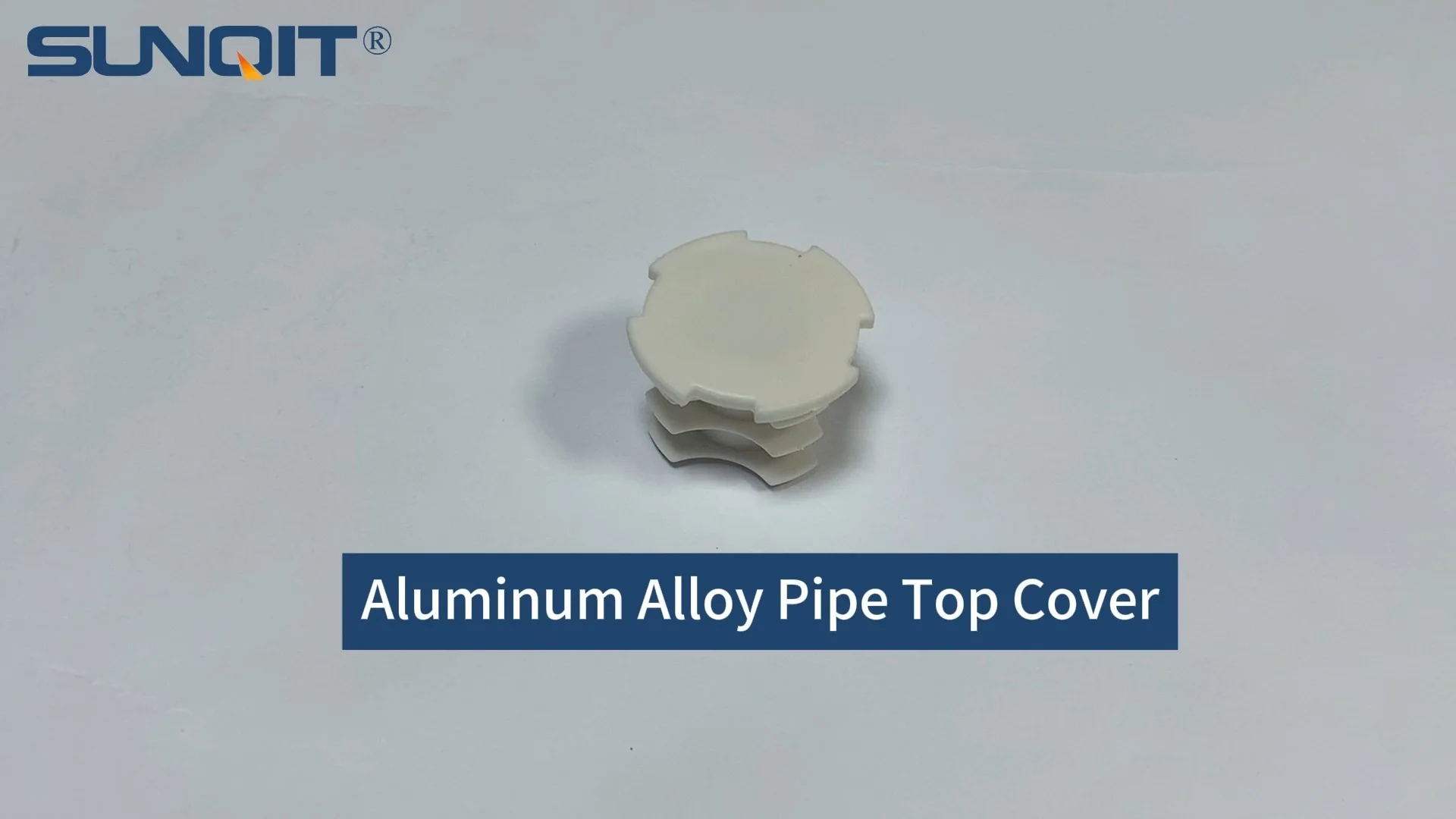
Plastic pipe cover to cover dia 28MM aluminum pipe end at workbench, flow rack, to prevent metal surface scratch material or worker.
Eco-Friendly Plastic Pipe Covers: Recyclable Options for Green Manufacturing
Walk into any modern manufacturing facility, and you'll notice a quiet revolution unfolding. Beyond the hum of machinery and the rhythm of assembly lines, there's a growing commitment to something bigger: sustainability. For decades, the industry has grappled with balancing productivity and profit with environmental responsibility, and today, that balance is shifting—one component at a time. Among these unsung heroes of green manufacturing are plastic pipe covers: simple, unassuming, yet critical to protecting equipment, streamlining workflows, and yes, reducing our collective carbon footprint. In this article, we'll explore how eco-friendly, recyclable plastic pipe covers are transforming the way manufacturers operate, why they matter in the context of lean systems, and how they're paving the way for a more sustainable future.
The Role of Plastic Pipe Covers in Modern Manufacturing
Before diving into sustainability, let's take a moment to appreciate what plastic pipe covers actually do. If you've ever worked on a factory floor, you've likely seen them: the protective sleeves that wrap around metal or aluminum pipes, the caps that seal the ends of lean pipes, or the sleeves that cushion joints and connections. They're the silent guardians of a facility's infrastructure, preventing scratches, corrosion, and damage from daily wear and tear. But their role goes beyond protection. In lean manufacturing systems—where efficiency and waste reduction are paramount—plastic pipe covers help maintain the integrity of lean pipe structures, ensuring that workbenches, flow racks, and material trolleys operate smoothly for years. A cracked or worn pipe cover might seem trivial, but it can lead to jams, delays, and even safety hazards. In short, these small components keep the heart of manufacturing beating.
Traditionally, though, many of these covers have been made from non-recyclable plastics—think single-use polyethylene or PVC, which end up in landfills after their short lifecycle. For manufacturers striving to meet sustainability goals, this has been a frustrating paradox: investing in tools to reduce waste on the production line, only to contribute to it through the very components that keep the line running. That's where eco-friendly plastic pipe covers come in. Today's innovations in materials science mean we can have the durability and functionality we need, without sacrificing our commitment to the planet.
From Waste to Worth: The Rise of Recyclable Plastic Pipe Covers
Let's talk about the elephant in the room: plastic waste. The manufacturing industry is one of the largest consumers of plastics globally, and while plastic's versatility is unmatched, its environmental impact is undeniable. Enter recyclable plastic pipe covers—designed from the ground up to minimize harm. These aren't just "greenwashed" versions of traditional products; they're engineered with circularity in mind. Many are made from post-consumer recycled (PCR) plastics, such as recycled PET bottles or industrial plastic waste, giving new life to materials that would otherwise clutter landfills. Others use bioplastics derived from renewable resources like cornstarch or sugarcane, which break down naturally over time without releasing toxic chemicals.
Take plastic pipe sleeves , for example. A standard sleeve might be made from virgin plastic, but an eco-friendly alternative could use 80% PCR plastic, with additives that enhance flexibility and resistance to heat and chemicals. The result? A product that performs just as well as its non-recyclable counterpart but can be melted down and repurposed at the end of its life. Similarly, plastic pipe covers made from PLA (polylactic acid)—a biodegradable plastic derived from plant starch—offer a compostable option for facilities that prioritize zero-waste goals. Imagine replacing a worn pipe cover, knowing it will break down into natural materials instead of lingering in a landfill for centuries. For manufacturers, that's not just a product choice; it's a statement of values.
Why Recyclable Matters: The Business Case for Eco-Friendly Covers
Sustainability isn't just about doing the right thing—it's also good for business. Today's consumers and clients are increasingly prioritizing eco-conscious partners, and regulatory bodies are tightening restrictions on non-recyclable materials. For manufacturers, switching to recyclable plastic pipe covers isn't just a moral imperative; it's a strategic one. Let's break down the benefits:
Cost Savings Over Time: While eco-friendly materials might have a slightly higher upfront cost, the long-term savings add up. Many recyclable plastic pipe covers are designed to be more durable, reducing the need for frequent replacements. Plus, as landfill taxes rise and recycling incentives grow, the cost of disposing of non-recyclable waste is becoming a significant financial burden.
Regulatory Compliance: Governments worldwide are cracking down on single-use plastics and non-recyclable materials. The EU's Circular Economy Action Plan, for example, mandates that by 2030, all plastic packaging must be recyclable or reusable. By adopting recyclable pipe covers now, manufacturers can avoid costly fines and disruptions down the line.
Brand Reputation: In an era where consumers research a company's sustainability practices before making a purchase, every choice matters. Using eco-friendly components like recyclable pipe covers signals to clients, employees, and the public that your business is committed to more than just profits—it's committed to the planet.
Lean Systems and Green Components: A Perfect Match
If you're familiar with lean manufacturing, you know its core principle: eliminate waste. From overproduction to unnecessary inventory, lean systems are designed to streamline processes and maximize value. But here's the thing: waste isn't just about time or materials on the production line—it also includes the environmental impact of the tools and components you use. That's where lean pipe systems and eco-friendly plastic pipe covers intersect.
Lean pipe structures—often made from aluminum or steel—are prized for their modularity, flexibility, and ability to adapt to changing production needs. They're the backbone of workbenches, flow racks, and material handling systems, allowing teams to reconfigure layouts in minutes instead of days. When paired with recyclable plastic pipe covers, these systems become even more aligned with lean principles. Think about it: a lean pipe workbench with a plastic pipe cover made from recycled materials isn't just efficient—it's sustainable. It reduces the need for frequent replacements (thanks to durable, recyclable covers), minimizes waste at the end of the product's life, and aligns with the "continuous improvement" ethos of lean by constantly seeking better, greener solutions.
Many manufacturers are now partnering with suppliers who specialize in both lean systems and eco-friendly components. These suppliers understand that sustainability isn't an afterthought; it's integrated into every step of the design process. For example, a lean pipe supplier might offer plastic pipe covers that are color-coded to indicate recyclability, making it easier for facilities to sort waste. Or they might provide take-back programs, where old covers are collected, recycled, and turned into new ones—a closed-loop system that embodies the circular economy.
Aluminum Profile: A Complementary Partner in Sustainability
While plastic pipe covers are stars in their own right, they rarely work alone. In many manufacturing setups, they're paired with aluminum profile structures—another champion of green manufacturing. Aluminum is one of the most recyclable materials on the planet, with nearly 75% of all aluminum ever produced still in use today. Its durability, lightweight nature, and resistance to corrosion make it ideal for everything from workbenches to conveyor systems. When combined with recyclable plastic pipe covers, aluminum profile creates a one-two punch of sustainability and functionality.
Consider a material rack built with aluminum extrusion profiles and topped with eco-friendly plastic pipe covers. The aluminum frame is 100% recyclable, and the plastic covers can be recycled or composted at the end of their life. Together, they form a structure that's not only strong and flexible but also leaves a minimal environmental footprint. What's more, aluminum's thermal conductivity means it can help reduce energy costs in temperature-controlled facilities, adding another layer of efficiency to the mix. For manufacturers looking to build a truly green operation, this combination is hard to beat.
Traditional vs. Eco-Friendly Plastic Pipe Covers: A Comparison
| Feature | Traditional Plastic Pipe Covers | Eco-Friendly Recyclable Plastic Pipe Covers |
|---|---|---|
| Material Composition | Virgin plastics (PVC, polyethylene), often non-recyclable | Post-consumer recycled (PCR) plastics, bioplastics, or plant-based materials |
| End-of-Life Impact | Landfill-bound; can take centuries to decompose | Recyclable, compostable, or biodegradable; minimal landfill waste |
| Durability | Moderate; prone to cracking in extreme temperatures | High; engineered with additives to enhance flexibility and heat resistance |
| Regulatory Compliance | Risk of non-compliance with emerging plastic waste regulations | Meets or exceeds global sustainability standards (e.g., EU Ecolabel, ISO 14001) |
| Cost (Long-Term) | Lower upfront cost, but higher replacement and disposal costs | Slightly higher upfront cost, but lower long-term costs due to durability and recyclability |
| Brand Alignment | May conflict with sustainability goals and consumer expectations | Aligns with eco-conscious branding and enhances reputation |
Real-World Impact: How Manufacturers Are Embracing Change
It's one thing to talk about sustainability in theory, but it's another to see it in action. Let's look at a hypothetical but realistic example: a mid-sized electronics manufacturer in the Midwest that recently switched to eco-friendly plastic pipe covers. For years, they'd relied on traditional PVC covers for their lean pipe workbenches and material racks. When their sustainability team conducted a waste audit, they discovered that these covers accounted for nearly 15% of their annual plastic waste—a statistic that didn't sit well with their goal to achieve carbon neutrality by 2030.
The team reached out to a local lean pipe supplier specializing in green components, who recommended switching to PCR plastic pipe covers. Initially, there was pushback: "Will they hold up in our facility's temperature fluctuations?" "What about the cost?" But after testing samples, the results spoke for themselves. The new covers were just as durable as the old ones, and over six months, the manufacturer saw a 20% reduction in waste disposal costs. More importantly, their employees—many of whom had voiced concerns about the company's environmental impact—felt a renewed sense of pride in their work. As one production manager put it: "It's small, but it matters. We're not just building products anymore; we're building a future."
Stories like this are becoming increasingly common. From automotive plants in Detroit to electronics factories in Asia, manufacturers are realizing that sustainability isn't a cost—it's an investment. And plastic pipe covers, once overlooked, are playing a key role in that investment.
Looking Ahead: The Future of Green Manufacturing Components
So, what's next for eco-friendly plastic pipe covers? The future is bright—and innovative. Researchers are experimenting with self-healing bioplastics that can repair small cracks, extending the lifespan of covers even further. Others are exploring 3D printing with recycled plastic filaments, allowing manufacturers to custom-design covers on-site and reduce shipping emissions. There's also a growing focus on transparency: suppliers are starting to provide detailed "sustainability scores" for their products, including carbon footprint, water usage, and recyclability metrics, so manufacturers can make fully informed choices.
Perhaps most exciting is the potential for collaboration across the industry. Imagine a world where manufacturers, suppliers, and regulators work together to standardize recyclable plastic components, making it easier for everyone to adopt green practices. A world where lean pipe systems and aluminum profile structures come pre-fitted with eco-friendly covers, and waste is seen not as a problem, but as a resource. That world isn't as far off as it might seem.
Conclusion: Small Components, Big Change
At the end of the day, eco-friendly plastic pipe covers are more than just a product—they're a mindset. They represent a shift in how we think about manufacturing: not as a process that takes from the planet, but as one that gives back. For too long, we've measured success in output and profit alone. Today, we're learning to measure it in something deeper: the health of our communities, the cleanliness of our oceans, and the legacy we leave for future generations.
So, to the manufacturers reading this: the next time you're ordering components for your lean pipe system, take a moment to consider the plastic pipe covers. Ask your supplier about recyclable options. Request a sustainability report. Challenge the status quo. Small choices, when multiplied across thousands of facilities, add up to big change. And to the suppliers: keep innovating. Keep pushing the boundaries of what's possible. Your work isn't just about selling products—it's about building a more sustainable world.
In the end, eco-friendly plastic pipe covers are a reminder that sustainability isn't about perfection. It's about progress. And in the world of manufacturing, progress is what keeps us moving forward—one pipe cover at a time.