- Company Articles
- Products and Technology
- Product knowledge
- Eco-Friendly Suction Cup Anti-Slip Foot Adjusters: Sustainable Materials

Eco-Friendly Suction Cup Anti-Slip Foot Adjusters: Sustainable Materials
Related Product
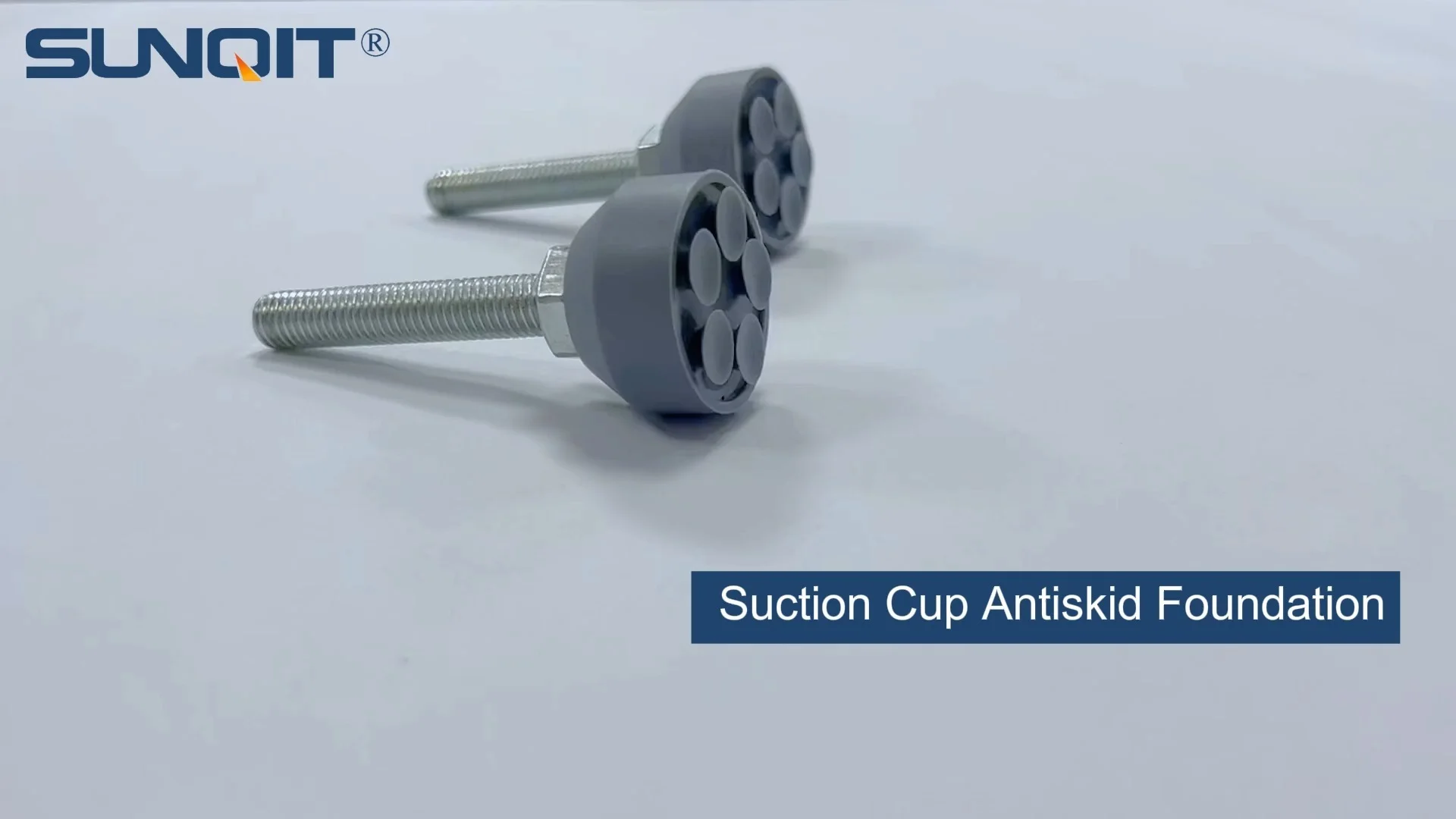
Suction Cup Anti-slip Foot Adjuster
D=35mm suction cup anti-slip foot adjusterï¼screw M10*55ï¼with a blot, used for workbench, flowrack pipe contact with groud.
In an era where sustainability is no longer a buzzword but a business imperative, every component in the manufacturing ecosystem is under scrutiny—including the smallest parts that keep operations running smoothly. Among these unsung heroes are suction cup anti-slip foot adjusters, unassuming yet critical tools that stabilize workbenches, flow racks, and machinery. But what sets today's leading foot adjusters apart isn't just their functionality; it's their commitment to eco-friendly materials. In this deep dive, we'll explore how sustainable materials are redefining these essential components, why they matter for lean systems, and how they're contributing to a greener future for manufacturing.
The Role of Suction Cup Anti-Slip Foot Adjusters in Modern Manufacturing
Before delving into sustainability, let's first understand the star of the show: the suction cup anti-slip foot adjuster. If you've ever walked through a factory, warehouse, or even a workshop, you've likely seen them without realizing it. These small, unobtrusive devices attach to the bottom of workbenches, material racks, or turnover trolleys, using a suction cup base to grip surfaces and adjustable threads to level uneven equipment. Their primary job? Prevent slipping, reduce vibration, and ensure stability—three factors that directly impact safety, efficiency, and product quality.
In lean manufacturing, where every second and every square foot counts, stability is non-negotiable. A wobbly workbench can slow down assembly line workers; an uneven flow rack might cause materials to jam or fall. Suction cup anti-slip foot adjusters solve these problems by creating a secure, level foundation. But as manufacturers increasingly prioritize sustainability, the question becomes: Can these workhorses of stability also be champions of the environment?
Sustainable Materials: The Building Blocks of Eco-Friendly Foot Adjusters
The shift toward sustainability in manufacturing has spurred innovation in materials science, and suction cup anti-slip foot adjusters are no exception. Traditional foot adjusters often relied on virgin plastics, non-recyclable rubber, or energy-intensive metals, leaving a significant carbon footprint. Today, leading suppliers are reimagining these components using materials that prioritize the planet without compromising performance. Let's break down the key sustainable materials driving this change.
1. Recycled and Low-Impact Plastics for Suction Cups
The suction cup itself is the heart of the adjuster, responsible for grip and flexibility. Historically, suction cups were made from virgin PVC or synthetic rubber, materials derived from fossil fuels and slow to degrade. Modern eco-friendly designs, however, are turning to recycled plastics—such as post-consumer polyethylene terephthalate (PET) or post-industrial polypropylene (PP)—to create suction cups that perform just as well, if not better, than their traditional counterparts.
Take, for example, a leading manufacturer that sources plastic waste from packaging industries, melts it down, and reforms it into suction cup bases. This process diverts plastic from landfills, reduces reliance on virgin materials, and cuts down on the energy needed to produce new plastics. The result? A suction cup that's not only durable and flexible but also 30% more eco-friendly in terms of carbon emissions compared to virgin PVC alternatives.
2. Aluminum Profile: Lightweight, Strong, and Endlessly Recyclable
While the suction cup handles grip, the adjuster's structural body—often a threaded rod or housing—requires strength and durability. Here, aluminum profile shines as a sustainable standout. Aluminum is one of the most recycled materials on the planet, with a recycling rate of over 95% in many industries. Unlike plastics or even steel, recycling aluminum requires just 5% of the energy needed to produce new aluminum, making it a low-carbon alternative for structural components.
In suction cup anti-slip foot adjusters, aluminum profile is often used for the adjuster's core rod or mounting bracket. Its lightweight nature reduces transportation emissions (since fewer trucks are needed to ship the same number of components), and its resistance to corrosion means the adjusters last longer, reducing the need for frequent replacements. For manufacturers using lean pipe systems, which prioritize flexibility and modularity, aluminum profile foot adjusters integrate seamlessly, aligning with the lean ethos of "do more with less."
3. Stainless Steel Pipe Series: Durability Meets Recyclability
For applications requiring extra strength—such as heavy-duty workbenches or industrial-grade flow racks—stainless steel from the stainless steel pipe series is a go-to material. Stainless steel is inherently durable, resistant to rust and wear, and fully recyclable. In fact, over 80% of stainless steel produced today contains recycled content, thanks to its magnetic properties, which make it easy to separate from other waste streams during recycling.
In foot adjusters, stainless steel is often used for the threaded insert or locking mechanism, ensuring that the adjuster can withstand heavy loads without deforming. What makes it sustainable? Its longevity. A stainless steel component can last decades, reducing the frequency of replacements and the associated waste. When it does reach the end of its life, it's melted down and reused, creating a closed-loop system that minimizes environmental impact.
4. Bio-Based Rubbers and Adhesives
No discussion of suction cup materials would be complete without mentioning the rubber or elastomer that gives the suction cup its seal. Traditional suction cups use synthetic rubbers derived from petroleum, but eco-friendly alternatives now include bio-based rubbers made from plant oils (like soybean or castor oil) or natural latex. These materials are biodegradable at the end of their life and require fewer harmful chemicals to produce, making them a safer choice for both the planet and factory workers.

Comparing Sustainable vs. Traditional Materials: A Closer Look
To truly appreciate the impact of sustainable materials, let's compare them side-by-side with traditional options. The table below breaks down key factors like carbon footprint, durability, and recyclability for common materials used in foot adjusters:
| Material Type | Carbon Footprint (kg CO₂ per kg produced) | Durability (Average Lifespan) | Recyclability | Key Sustainability Benefit |
|---|---|---|---|---|
| Recycled Plastic (Suction Cup) | 1.2 – 1.8 | 3 – 5 years | High (can be recycled 2–3 times) | Diverts plastic waste from landfills |
| Virgin PVC (Traditional Suction Cup) | 3.5 – 4.2 | 2 – 3 years | Low (difficult to recycle; often incinerated) | None – relies on fossil fuels |
| Aluminum Profile (Structural Body) | 2.0 – 2.5 (recycled) | 10 – 15 years | Very High (95%+ recycling rate) | Uses 5% of energy vs. virgin aluminum |
| Mild Steel (Traditional Structural Material) | 1.8 – 2.2 | 8 – 10 years (prone to rust) | High (but requires more energy to recycle) | Lower than PVC but higher than recycled aluminum |
| Stainless Steel Pipe Series (Threaded Components) | 3.0 – 3.5 (with 80% recycled content) | 15 – 20 years | Very High (100% recyclable, infinite loops) | Long lifespan reduces replacement waste |
| Bio-Based Rubber (Suction Cup Seal) | 0.8 – 1.2 | 2 – 4 years | Biodegradable | Reduces reliance on petroleum-based products |
The data speaks for itself: sustainable materials like recycled plastic, aluminum profile, and stainless steel pipe series components offer lower carbon footprints, longer lifespans, and higher recyclability than traditional options. For manufacturers, this translates to not just environmental benefits, but also cost savings—fewer replacements, lower energy bills, and alignment with green certifications that can open doors to new clients and markets.

Integrating Eco-Friendly Foot Adjusters into Lean Systems
Lean manufacturing is all about eliminating waste—whether it's time, materials, or energy. So, it's no surprise that lean systems and sustainability go hand in hand. Eco-friendly suction cup anti-slip foot adjusters fit perfectly into this philosophy, offering "lean" benefits in three key ways:
1. Reducing Waste Through Longevity
In lean terms, "waste" includes unnecessary replacements. A foot adjuster made from aluminum profile or stainless steel pipe series components lasts 2–3 times longer than one made from virgin plastic or mild steel. This means fewer orders, less inventory, and less waste from discarded components. For example, a factory using traditional plastic foot adjusters might replace them every 2 years; with aluminum or stainless steel alternatives, that replacement cycle stretches to 5–7 years, cutting waste by over 50%.
2. Lightweight Design for Energy Efficiency
Aluminum profile is significantly lighter than steel, which reduces the weight of the equipment it's attached to—whether it's a turnover trolley or a mobile workbench. Lighter equipment requires less energy to move, lowering fuel or electricity costs for material handling. Over time, these savings add up, making the factory more energy-efficient and aligned with lean goals of minimizing resource use.
3. Compatibility with Modular Systems
Lean systems thrive on modularity—the ability to reconfigure workspaces quickly as needs change. Eco-friendly foot adjusters, often designed to fit standard aluminum profile or lean pipe setups, are easy to detach, reposition, or reuse. This modularity means they don't end up in landfills when a production line is rearranged; instead, they're repurposed elsewhere in the facility, extending their useful life and reducing waste.

Real-World Applications: Where Sustainable Foot Adjusters Make a Difference
To understand the impact of these materials, let's look at a few real-world scenarios where eco-friendly suction cup anti-slip foot adjusters are making a difference:
Case Study 1: Automotive Assembly Plant
A major automotive manufacturer in the Midwest recently upgraded its assembly line workbenches to include aluminum profile frames and stainless steel pipe series foot adjusters. Previously, the plant used plastic foot adjusters that cracked under the weight of heavy tools, requiring replacements every 18 months. The new stainless steel adjusters, paired with recycled plastic suction cups, have now been in use for 4 years with zero failures. The result? A 60% reduction in waste from foot adjuster replacements and a 15% lower carbon footprint for the assembly line, helping the plant qualify for local sustainability grants.
Case Study 2: Electronics Manufacturing Facility
An electronics factory in California, which produces sensitive circuit boards, needed foot adjusters that could stabilize workbenches while avoiding static electricity (a critical concern for electronics). They chose ESD (electrostatic discharge) workbenches with suction cup anti-slip foot adjusters made from aluminum profile and carbon-infused recycled plastic (to dissipate static). Not only did the adjusters prevent slipping, but their recycled content helped the facility meet its goal of using 30% recycled materials in all equipment—earning it a spot on the state's "Green Manufacturing Leaders" list.
Case Study 3: Small-Scale Furniture Workshop
Even small businesses are benefiting. A family-owned furniture workshop in Oregon swapped traditional steel foot adjusters for ones made from aluminum profile and bio-based rubber suction cups. The switch reduced the weight of their mobile workbenches by 20%, making them easier for workers to move, and the bio-based rubber eliminated the strong chemical smell that previously lingered in the workshop. Best of all, the workshop now markets its products as "sustainably built from the ground up," appealing to eco-conscious customers and boosting sales by 25%.
Challenges and Myths About Sustainable Materials
Despite their benefits, some manufacturers remain hesitant to adopt eco-friendly foot adjusters, citing common myths:
Myth 1: "Sustainable materials are more expensive."
It's true that upfront costs for aluminum profile or stainless steel components may be higher than virgin plastic. But when you factor in longevity—paying $10 for a foot adjuster that lasts 7 years vs. $5 for one that lasts 2 years—the sustainable option is actually cheaper over time. Many suppliers also offer bulk discounts for eco-friendly orders, further narrowing the cost gap.
Myth 2: "They don't perform as well."
This couldn't be further from the truth. Aluminum profile is stronger than plastic; stainless steel resists corrosion better than mild steel; recycled plastics, when properly processed, have the same flexibility as virgin plastics. In fact, many sustainable materials outperform traditional ones in key areas like durability and temperature resistance.
Myth 3: "There's not enough supply."
As demand for sustainable materials has grown, so has supply. Major suppliers now offer a wide range of eco-friendly components, from aluminum profile foot adjusters to stainless steel pipe series inserts. Many even provide custom solutions, ensuring manufacturers can find the right fit for their needs.
The Future of Sustainable Foot Adjusters: Innovations on the Horizon
The sustainable materials revolution in foot adjusters is just getting started. Here are three innovations to watch:
1. Self-Healing Materials
Researchers are developing bio-based rubbers with self-healing properties, allowing small cracks in the suction cup to repair themselves when exposed to heat or light. This could extend lifespans even further, reducing waste.
2. 3D-Printed Components from Recycled Filaments
3D printing allows for custom foot adjuster designs, and using recycled plastic or aluminum filaments makes the process even more sustainable. Imagine a factory printing replacement suction cups on-site from recycled waste plastic, eliminating shipping emissions and reducing inventory.
3. Smart Materials with Environmental Sensors
Future foot adjusters may include sensors that monitor wear and tear, alerting maintenance teams when a replacement is needed—preventing failures and reducing unnecessary replacements. These sensors could even track the component's carbon footprint over its lifetime, providing data for sustainability reports.
Conclusion: Small Components, Big Impact
Suction cup anti-slip foot adjusters may be small, but their impact on sustainability is anything but. By choosing materials like aluminum profile, stainless steel pipe series components, and recycled plastics, manufacturers are proving that even the tiniest parts can drive meaningful change. These materials reduce carbon footprints, cut waste, and align with the lean principles that make modern manufacturing efficient and resilient.
As we look to the future, the message is clear: sustainability isn't optional—it's essential. And it starts with the choices we make about the components we use every day. Whether you're running a massive automotive plant or a small workshop, eco-friendly foot adjusters are a simple, effective way to build a greener, leaner, and more successful operation.
So, the next time you walk through a factory, take a moment to look down. The suction cup anti-slip foot adjuster holding up that workbench might just be a small part, but it's a big step toward a more sustainable world.