- Company Articles
- Products and Technology
- Product knowledge
- Eco-Friendly T-Slot Rubber Seal Covers: Sustainable Rubber Materials for Green Manufacturing

Eco-Friendly T-Slot Rubber Seal Covers: Sustainable Rubber Materials for Green Manufacturing
Related Product
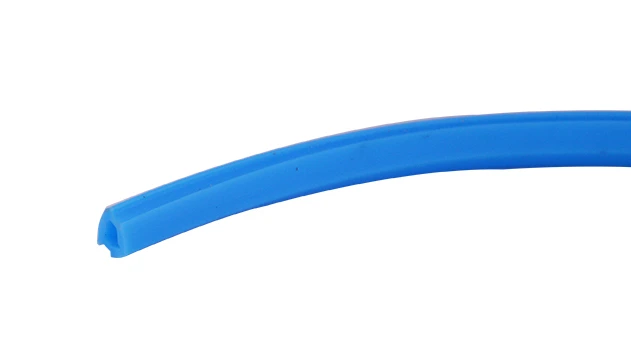
T-slot Rubber Seal Cover
The rubber T-slot seal cover prevents dust and debris buildup, covers wires in the T-slot channel, and adds an extra layer of protection to applications. It rolls into the T-slot, making it easy to assemble.
How small components are driving big change in sustainable production
The Quiet Revolution of Green Manufacturing
In the bustling world of manufacturing, where assembly lines hum and warehouses buzz with activity, it's easy to overlook the small parts that keep everything running smoothly. But here's the thing: sustainability in manufacturing isn't just about big-ticket investments like solar panels or electric forklifts. It's often the tiny, unassuming components that quietly contribute to a greener, more efficient operation. Today, we're shining a light on one such unsung hero: the T-slot rubber seal cover. These flexible, durable strips might seem, but they're playing a pivotal role in the shift toward eco-friendly production—especially when paired with systems designed for efficiency, like the lean system. Let's dive into how these small but mighty components are making a big difference.
What Are T-Slot Rubber Seal Covers, Anyway?
First things first: let's get clear on what we're talking about. If you've ever worked with aluminum profiles—those versatile, groove-lined beams used to build everything from workbenches to conveyor frames—you've probably noticed the T-shaped slots running along their length. These slots are where accessories like brackets, panels, or handles attach, making aluminum profiles a favorite for modular, customizable setups. But without proper sealing, these slots can collect dust, debris, or moisture over time. That's where T-slot rubber seal covers come in.
Think of them as the protective "skin" for aluminum profiles. Made from flexible rubber, these covers slide into the T-slots, creating a tight seal that keeps out contaminants. They also cushion the edges of the slots, reducing noise when parts move along the profile and preventing scratches on materials or workers' hands. But their role isn't just protective—modern T-slot rubber seal covers are engineered with sustainability in mind, using recycled or bio-based materials that align with green manufacturing goals. And they're often grouped under broader categories like aluminum profile accessories, which include everything from end caps to connectors, all working together to make aluminum profile systems more efficient and eco-friendly.

Sustainable Rubber Materials: Beyond Virgin Plastic
The magic of eco-friendly T-slot rubber seal covers lies in their materials. Traditional seal covers were often made from virgin rubber or PVC, which require significant energy to produce and can take centuries to decompose. But today's manufacturers are rethinking that approach, turning to sustainable alternatives that reduce environmental impact without sacrificing performance. Let's break down the most common sustainable materials used:
Recycled Rubber: One of the most popular choices is recycled rubber, often sourced from old tires or industrial rubber waste. By repurposing this material, manufacturers divert tons of waste from landfills and reduce the need for virgin rubber production—a process that involves harvesting latex (from rubber trees) or synthesizing petroleum-based polymers, both of which have high carbon footprints. Recycled rubber seal covers are surprisingly durable, withstanding wear, temperature fluctuations, and chemical exposure just as well as their virgin counterparts.
Bio-Based Rubber: For even greener options, some suppliers are turning to bio-based rubber, derived from renewable resources like dandelion latex, soybeans, or sugarcane. These materials reduce reliance on fossil fuels and sequester carbon during growth, making them a carbon-negative alternative in some cases. While bio-based rubber is still emerging in the seal cover market, early adopters report excellent flexibility and resilience, making it a promising choice for the future.
Blended Materials: Many eco-friendly seal covers combine recycled and bio-based rubber with small amounts of virgin materials to optimize performance. For example, a blend might include 70% recycled rubber and 30% bio-based polymers, balancing durability with sustainability. These blends are rigorously tested to ensure they meet industry standards for flexibility, UV resistance, and longevity—critical for components that need to last in busy manufacturing environments.

Why Does This Matter for Green Manufacturing?
At this point, you might be wondering: "Okay, seal covers are made from recycled rubber—so what? How does that impact my factory's sustainability goals?" The answer lies in the ripple effect of small, intentional choices. Let's break down the benefits:
Reduced Waste: By using recycled materials, T-slot rubber seal covers directly cut down on waste. The U.S. alone discards over 290 million tires annually, and while some are recycled into products like playground mulch or athletic tracks, there's still a surplus. Seal covers made from recycled tire rubber give this waste a second life, reducing the need for new landfills and lowering the environmental cost of raw material extraction.
Lower Carbon Footprint: Producing virgin rubber or plastic releases significant greenhouse gases. For example, manufacturing PVC (a common traditional seal material) involves chlorine gas, a potent toxin, and emits CO2 during production. Recycled rubber, on the other hand, requires far less energy to process—studies show recycling rubber can reduce carbon emissions by up to 80% compared to producing virgin rubber. Multiply that by the hundreds or thousands of seal covers in a typical factory, and the carbon savings add up quickly.
Durability = Less Replacement: Eco-friendly seal covers aren't just "green"—they're tough. Recycled rubber is naturally resistant to wear and tear, meaning these covers last longer than cheaper, flimsier alternatives. In a lean system, where minimizing waste (muda) is key, reducing the frequency of replacement parts is a win-win. Fewer replacements mean less material waste, lower shipping emissions (from ordering new parts), and less downtime for maintenance—all of which boost efficiency and sustainability.
Compliance and Brand Reputation: As regulations around sustainability tighten (think the EU's Circular Economy Action Plan or California's strict waste reduction laws), using eco-friendly components like T-slot rubber seal covers helps manufacturers stay compliant. Beyond regulations, consumers and business partners are increasingly prioritizing sustainability when choosing suppliers. A factory that can showcase even small green choices—like seal covers made from recycled materials—stands out in a crowded market.
| Feature | Traditional T-Slot Seal Covers (Virgin Plastic/Rubber) | Eco-Friendly T-Slot Rubber Seal Covers |
|---|---|---|
| Material Source | Petroleum-based or virgin rubber (high environmental impact) | Recycled rubber (e.g., old tires), bio-based polymers (renewable resources) |
| Carbon Footprint (per kg produced) | High (3–5 kg CO2 equivalent) | Low (0.5–1.5 kg CO2 equivalent) |
| Durability (Average Lifespan in Factory Use) | 1–2 years (prone to cracking/UV damage) | 3–5 years (recycled rubber resists wear better) |
| Recyclability at End of Life | Often non-recyclable (ends up in landfill) | Recyclable again (can be repurposed into new rubber products) |
| Cost (Lifespan Adjusted) | Lower upfront cost, but higher long-term (frequent replacement) | Slightly higher upfront cost, but 30–50% lower over lifespan |
Integration with Lean Systems: A Match Made in Efficiency Heaven
We've mentioned the lean system a few times, and for good reason: eco-friendly T-slot rubber seal covers and lean manufacturing go hand in hand. Lean, at its core, is about eliminating waste—whether that's wasted time, materials, or energy. By choosing sustainable seal covers, manufacturers align with two key lean principles: muda (waste reduction) and kaizen (continuous improvement).
Let's take a practical example: Imagine a factory using traditional plastic seal covers on its aluminum profile workbenches. Every 18 months, these covers crack from exposure to cleaning chemicals and UV light, requiring workers to stop production, remove the old covers, and install new ones. That's downtime (wasted time), discarded plastic (wasted materials), and the cost of new covers (wasted money). Now, switch to eco-friendly recycled rubber seal covers. They last 4 years instead of 18 months, reducing replacement frequency by over 50%. Workers spend less time on maintenance, less waste goes to landfills, and the factory saves money on replacement parts. That's lean in action.
Another lean benefit is modularity. Aluminum profiles are already a staple of lean systems because they're easy to reconfigure for changing production needs. Eco-friendly seal covers enhance this flexibility by ensuring the profiles stay in good condition over time. A workbench that's been in use for years, with well-sealed T-slots, can be disassembled and reassembled into a new conveyor frame or material rack without needing to replace corroded or damaged profiles. This "reuse, don't replace" mindset is central to both lean and sustainability.
Beyond Seal Covers: The Broader World of Sustainable Aluminum Profile Accessories
T-slot rubber seal covers are just one piece of the puzzle. The move toward sustainable manufacturing has spurred innovation across the entire spectrum of aluminum profile accessories. Let's explore a few related components that are making waves:
Aluminum Profile Rubber Strips: Similar to seal covers, these strips are used to line the edges of aluminum profiles, preventing scratches on materials and reducing noise during operation. Many are now made from the same recycled or bio-based rubber as seal covers, creating a cohesive, eco-friendly system.
Recycled Plastic End Caps: End caps seal the open ends of aluminum profiles, keeping out dust and improving safety. Traditional end caps are often made from non-recyclable plastic, but newer versions use recycled HDPE or PP, further reducing waste.
Biodegradable Adhesives: Some accessories, like cable management clips, use biodegradable adhesives instead of petroleum-based glues. These adhesives break down naturally over time, leaving no toxic residue when the accessory is removed or recycled.
Together, these components form a "green ecosystem" around aluminum profile systems, proving that sustainability doesn't require overhauling entire operations—it's about making intentional choices at every level.
Real-World Impact: A Case Study
To put this all in perspective, let's look at a real example. A mid-sized automotive parts manufacturer in Michigan recently decided to revamp its assembly line with lean principles and sustainability in mind. As part of the project, they replaced all traditional plastic T-slot seal covers and aluminum profile rubber strips with eco-friendly versions made from 80% recycled tire rubber. Here's what happened in the first year:
- Maintenance Time: Reduced by 40%—workers no longer spent hours replacing cracked seal covers every few months.
- Waste Reduction: Diverted 2,300 pounds of rubber waste from landfills (the equivalent of 120 old tires).
- Cost Savings: Spent $3,200 on new seal covers (upfront cost) but saved $5,100 on replacement parts and downtime compared to the previous year.
- Carbon Footprint: Reduced CO2 emissions by 1.2 tons, thanks to lower manufacturing and shipping impacts of recycled materials.
The plant manager noted, "We didn't expect such a big impact from something as small as seal covers. But when you multiply those savings across the entire factory—from workbenches to conveyor rails—it adds up fast. Plus, our team feels proud knowing we're doing our part for the environment."
Future Trends: What's Next for Eco-Friendly Seal Covers?
As sustainability becomes a core business priority, the future of T-slot rubber seal covers looks bright. Here are a few trends to watch:
Smart Materials: Researchers are developing "self-healing" rubber blends that can repair small cracks when exposed to heat or light, extending lifespan even further. Imagine a seal cover that fixes itself after a minor scrape—reducing maintenance needs to near zero.
Customization for Specific Industries: While general-purpose seal covers work for most factories, we'll see more specialized options—like high-temperature resistant covers for aerospace manufacturing or chemical-resistant versions for pharmaceutical plants—all made from sustainable materials.
Closed-Loop Recycling Programs: Some suppliers are launching take-back programs, where used seal covers are collected, recycled, and turned into new covers. This creates a circular economy, ensuring no rubber waste ends up in landfills.
Transparency and Certification: As consumers and regulators demand more accountability, suppliers will increasingly provide detailed sustainability reports for their seal covers, including origin of recycled materials, carbon footprint data, and third-party certifications (like the Global Recycled Standard).
Final Thoughts: Small Parts, Big Change
In the grand scheme of manufacturing, T-slot rubber seal covers might seem. But as we've explored, they're a powerful reminder that sustainability isn't about grand gestures alone—it's about the thousands of small choices that add up to meaningful change. By choosing seal covers made from recycled rubber, integrating them with lean systems, and embracing sustainable aluminum profile accessories, manufacturers are proving that green production is not just possible, but profitable and efficient.
So the next time you walk through a factory, take a closer look at those aluminum profiles. The little rubber strips in their T-slots might just be the unsung heroes driving a more sustainable future—one slot at a time.