- Company Articles
- Products and Technology
- Product knowledge
- Eco-Friendly Three Way Lean Pipe Joint: Recyclable Materials

Eco-Friendly Three Way Lean Pipe Joint: Recyclable Materials
Related Product
Three Way Lean Pipe Joint
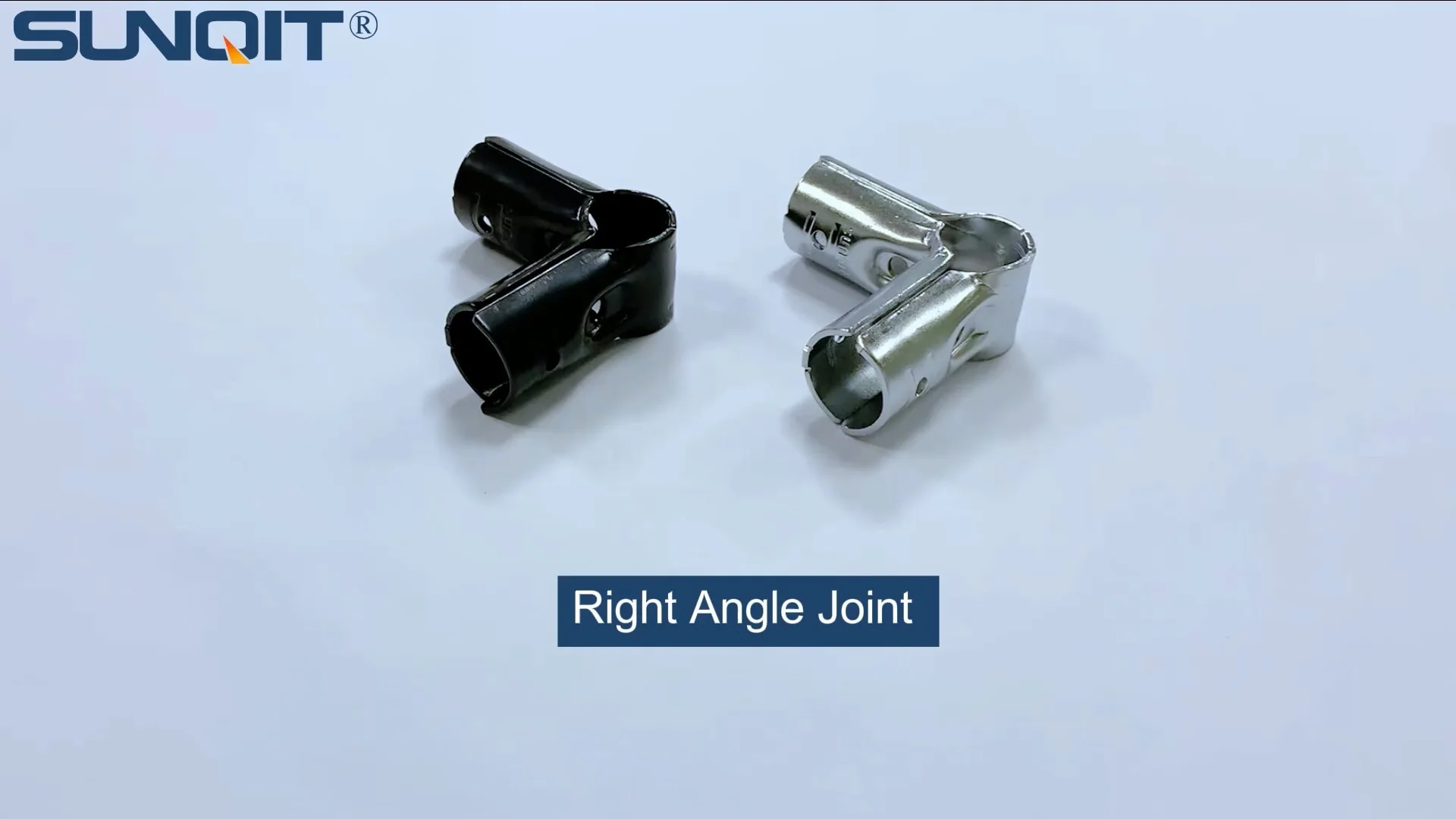
Three way lean pipe joint for 3 pcs 28MM lean pipe connection in straight angle, which used widely in workbench, flow rack, hand trolley frame connection.
The Quiet Revolution: Sustainability Meets Manufacturing Efficiency
Walk through any modern factory, and you'll notice a subtle but powerful shift: the clatter of heavy machinery is softening, replaced by the hum of streamlined workflows. But beyond the noise (or lack thereof), there's a deeper change happening—one that's reshaping how we build the tools that build our world. Sustainability, once a buzzword, has become the backbone of smart manufacturing. And at the heart of this shift? Components as small but mighty as the three way lean pipe joint .
For decades, manufacturing relied on rigid, single-use systems. Pipes, joints, and workbenches were built to last "forever," but "forever" came with a cost: mountains of waste when layouts changed, energy-guzzling production processes, and materials that sat in landfills long after their usefulness ended. Today, though, the industry is waking up to a simple truth: efficiency and sustainability aren't rivals—they're partners. And when it comes to building flexible, eco-friendly workspaces, few innovations have made as big an impact as the move to recyclable lean pipe systems, with the three-way joint acting as a critical connector in more ways than one.
What Are Lean Pipe Systems, and Why Do Joints Matter?
If you're new to the term, "lean pipe systems" might sound like jargon, but they're actually pretty straightforward. Imagine a set of pipes and joints that you can snap together like giant Tinkertoys to build workbenches, flow racks, conveyors, or material trolleys. These systems are the backbone of "lean manufacturing"—a philosophy focused on cutting waste, streamlining processes, and adapting quickly to change. Unlike fixed, custom-built furniture, lean systems are modular: you can reconfigure them in hours, not weeks, when your production line needs to shift.
But here's the thing: none of that flexibility works without reliable joints. Joints are the glue that holds the system together, literally and figuratively. They determine how strong the structure is, how easy it is to assemble, and—crucially—how reusable the whole setup is. And among all the joint types, the three-way lean pipe joint stands out. As the name suggests, it connects three pipes at once, opening up a world of design possibilities: think L-shaped workbenches with side shelves, multi-tiered flow racks, or conveyor systems that split into two directions. It's the kind of versatility that makes lean manufacturing, well, lean.
Historically, many of these joints were made from materials like carbon steel or even plastic. Steel is strong, but it's heavy, prone to rust if not coated, and—here's the kicker—hard to recycle efficiently. Plastic joints, while lightweight, often degrade over time, especially in industrial environments with heat or chemicals, and they rarely make it past a single use before ending up in landfills. That's where the shift to eco-friendly materials comes in. Today, forward-thinking suppliers are prioritizing recyclable options, with aluminum lean pipe and aluminum-based joints leading the charge.

The Star of the Show: Three Way Lean Pipe Joint Chrome—A Closer Look
Let's zoom in on the three way lean pipe joint chrome. At first glance, it might not look revolutionary—just a small, angular piece with three openings for pipes. But looks can be deceiving. This little component is a masterclass in sustainable design, especially when crafted from recycled aluminum and finished with a chrome coating for extra durability.
Why aluminum? For starters, aluminum is one of the most recyclable materials on the planet. Unlike plastic or even steel, aluminum can be melted down and reused repeatedly without losing quality. In fact, recycling aluminum uses just 5% of the energy needed to mine and produce new aluminum. That's a game-changer for manufacturers looking to shrink their carbon footprint. And when you pair that with a chrome coating, you get a joint that's resistant to scratches, corrosion, and the daily wear and tear of a busy factory floor. Chrome isn't just for shine—it's a protective layer that extends the joint's lifespan, meaning you won't have to replace it as often. Less replacement = less waste. It's a simple equation, but it adds up fast.
But the eco-friendly benefits don't stop at materials. The three-way joint's design itself promotes sustainability. Because it's modular, you can disassemble and reuse it when you reconfigure your system. Let's say you have a three-tiered material rack built with three-way joints. Six months later, you need a longer workbench instead. You can take apart the rack, pop the joints off the pipes, and use them to build the new bench. No need to buy new joints; no old joints in the trash. It's circular design in action.

Aluminum Lean Pipe: The Perfect Partner for Eco-Friendly Joints
Of course, even the best joint is only as good as the pipe it connects. That's why aluminum lean pipe has become the go-to choice for sustainable systems. Aluminum pipes are lightweight—about a third the weight of steel—so they're easier to handle during assembly and reconfiguration. That means fewer workplace injuries and less energy spent moving components around. But don't let the lightness fool you: aluminum is surprisingly strong, especially when paired with sturdy joints. It can support heavy loads, from stacks of circuit boards to automotive parts, without bending or warping.
But the real win with aluminum lean pipe is, again, recyclability. Most aluminum pipes on the market today are made from at least 70% recycled material, and once they've served their purpose, they can go right back into the recycling stream. Compare that to traditional steel pipes, which often end up in scrapyards or landfills because recycling them requires more energy and effort. Even better, aluminum doesn't rust, so you don't have to worry about corrosion weakening the structure over time. That longevity means your pipes and joints stay in use longer, further cutting down on waste.
Another bonus? Aluminum's natural conductivity makes it a great choice for ESD (Electrostatic Discharge) workstations—critical in industries like electronics manufacturing, where static electricity can fry sensitive components. When paired with ESD-safe joints and accessories, aluminum lean pipe systems create a safe, sustainable workspace that protects both products and the planet.

Beyond the Joint: Aluminum Profile Accessories and the Big Picture
A lean pipe system is more than just pipes and joints, though. To build a fully functional workspace, you need accessories: things like caster wheels for mobile trolleys, roller tracks for flow racks, or end caps to protect pipe ends. And here's the good news: the same commitment to sustainability that drives eco-friendly joints and pipes extends to these aluminum profile accessories too.
Take caster wheels, for example. Traditional casters might have plastic wheels that wear out quickly or steel frames that rust. Today, many suppliers offer casters with aluminum frames and rubber wheels made from recycled materials. These wheels roll smoothly, last longer, and when they do wear out, the aluminum frame can be recycled. Similarly, roller tracks—used to slide materials along a conveyor—are now often made from recycled aluminum or high-quality plastic that's designed to be reused or recycled. Even small parts like brackets and connectors are getting the eco-friendly treatment, with manufacturers using recycled aluminum or biodegradable plastics where possible.
The result? A fully integrated system where every component, from the three-way joint to the smallest bracket, is designed with sustainability in mind. It's not just about one "green" part—it's about creating a closed-loop system where waste is minimized at every step. When you can disassemble a workbench, send the aluminum pipes and joints to be recycled, and use the proceeds to buy new recycled components, you're not just saving money—you're helping build a circular economy.
Traditional vs. Eco-Friendly: A Side-by-Side Look at Lean Pipe Joints
Still on the fence about whether eco-friendly three-way joints are worth the switch? Let's break it down with a quick comparison. The table below pits traditional steel or plastic joints against modern, recyclable aluminum three-way lean pipe joints:
| Feature | Traditional Steel/Plastic Joints | Eco-Friendly Aluminum Three-Way Joints |
|---|---|---|
| Material Source | Often made from virgin materials (new steel/plastic). | Typically 70%+ recycled aluminum; reduces reliance on mining. |
| Recyclability | Steel is recyclable but energy-intensive; plastic often ends up in landfills. | Aluminum is 100% recyclable with minimal energy loss; can be reused indefinitely. |
| Durability | Steel is strong but prone to rust; plastic degrades in heat/chemicals. | Aluminum resists rust and corrosion; chrome coating adds extra protection. |
| Weight | Steel joints are heavy, making reconfiguration labor-intensive. | Aluminum is lightweight; easier to handle and reconfigure. |
| Long-Term Cost | Cheaper upfront, but frequent replacements and disposal costs add up. | Slightly higher upfront cost, but lower replacement and waste fees over time. |
| Environmental Impact | High carbon footprint from production; contributes to landfill waste. | Low carbon footprint; reduces waste and supports circular economy. |
As you can see, the eco-friendly option holds its own in nearly every category. The upfront cost might be a bit higher, but when you factor in longer lifespan, easier reconfiguration, and lower disposal costs, aluminum joints often end up being the more economical choice in the long run. And that's before you even consider the PR boost: more and more customers care about sustainability, and choosing eco-friendly suppliers can give your brand a competitive edge.
Real-World Impact: How Manufacturers Are Winning with Eco-Friendly Lean Systems
Talk is cheap, so let's look at real examples of how companies are benefiting from eco-friendly three-way joints and aluminum lean pipe systems. Take a mid-sized electronics manufacturer in California, for instance. A few years ago, they were using old steel workbenches and fixed flow racks. When they needed to retool their line to produce a new smartphone model, they had to tear out the old setup and send tons of steel to the scrapyard—a process that cost them $15,000 and took two weeks. Today, they've switched to aluminum lean systems with three-way joints. When they reconfigured for their latest model, they disassembled the old workbenches, reused 90% of the pipes and joints, and had the new line up in three days. Total cost? $3,000. And the old steel? They sold it for scrap, offsetting some of the cost of the new aluminum components.
Or consider a automotive parts supplier in Michigan. They used to buy plastic roller tracks for their conveyor systems, which wore out every six months and ended up in landfills. Now, they use aluminum roller tracks with recycled plastic guides. The tracks have lasted three years and counting, and when they do need replacement, the aluminum frame goes right back to the recycler. The company estimates they've cut waste by 60% and saved $20,000 annually on replacement parts.
These stories aren't outliers—they're the new norm. As more manufacturers see the twin benefits of sustainability and efficiency, the demand for eco-friendly lean pipe systems is skyrocketing. And at the center of it all is that humble three-way joint, quietly enabling smarter, greener factories.
Choosing the Right Supplier: What to Look For
Ready to make the switch to eco-friendly lean pipe systems? The first step is finding a supplier who shares your commitment to sustainability. Not all "aluminum lean pipe" suppliers are created equal, so here are a few things to ask:
- Recycled content: What percentage of their aluminum pipes and joints is made from recycled material? Look for suppliers who use at least 70% recycled aluminum.
- Recycling program: Do they offer a take-back program for old components? Some suppliers will recycle your used pipes and joints for free or at a discount on new orders.
- Certifications: Look for eco-labels or certifications, like ISO 14001 (an environmental management standard) or third-party verification of their recycling claims.
- Durability testing: How do their joints hold up under stress? Ask for test results on load capacity, corrosion resistance, and repeated assembly/disassembly.
- Accessory options: Can they provide eco-friendly accessories, like recycled plastic roller tracks or aluminum caster wheels? A one-stop shop makes sustainability easier.
Remember, sustainability shouldn't mean sacrificing quality. The best suppliers offer joints and pipes that are just as strong, if not stronger, than traditional options—with the added bonus of being better for the planet.
The Future of Manufacturing: Small Joints, Big Change
As we look ahead, it's clear that sustainability will only grow more important in manufacturing. Governments are cracking down on waste, consumers are demanding greener products, and companies are realizing that eco-friendly practices are good for the bottom line. In this context, the three-way lean pipe joint might seem like a small player, but small changes add up. When every factory replaces even a handful of traditional joints with recyclable aluminum ones, the collective impact is enormous—less waste, lower carbon emissions, and a more resilient supply chain.
But the future isn't just about recycling—it's about rethinking how we design products from the start. Suppliers are already experimenting with even more sustainable materials, like aluminum alloys made from 100% recycled content, or joints with built-in sensors to track wear and tear, so you only replace them when necessary. There's talk of 3D-printed joints using recycled plastic filaments, or "smart" pipes that can be repaired instead of replaced. The possibilities are endless, and they all build on the foundation laid by today's eco-friendly lean systems.
At the end of the day, manufacturing is about building things that make our lives better—cars, phones, medical devices, and more. But there's no reason those things can't be built in a way that makes the planet better too. The three-way lean pipe joint might not get the same attention as a new electric car or a solar panel, but it's a quiet hero in the fight for sustainability. It's proof that even the smallest components can drive big change. And that's a future worth building.