- Company Articles
- Products and Technology
- Product knowledge
- Electronics Manufacturing: ESD-Safe Aluminum Honeycomb Panels for PCB Assembly Lines

Electronics Manufacturing: ESD-Safe Aluminum Honeycomb Panels for PCB Assembly Lines
Related Product
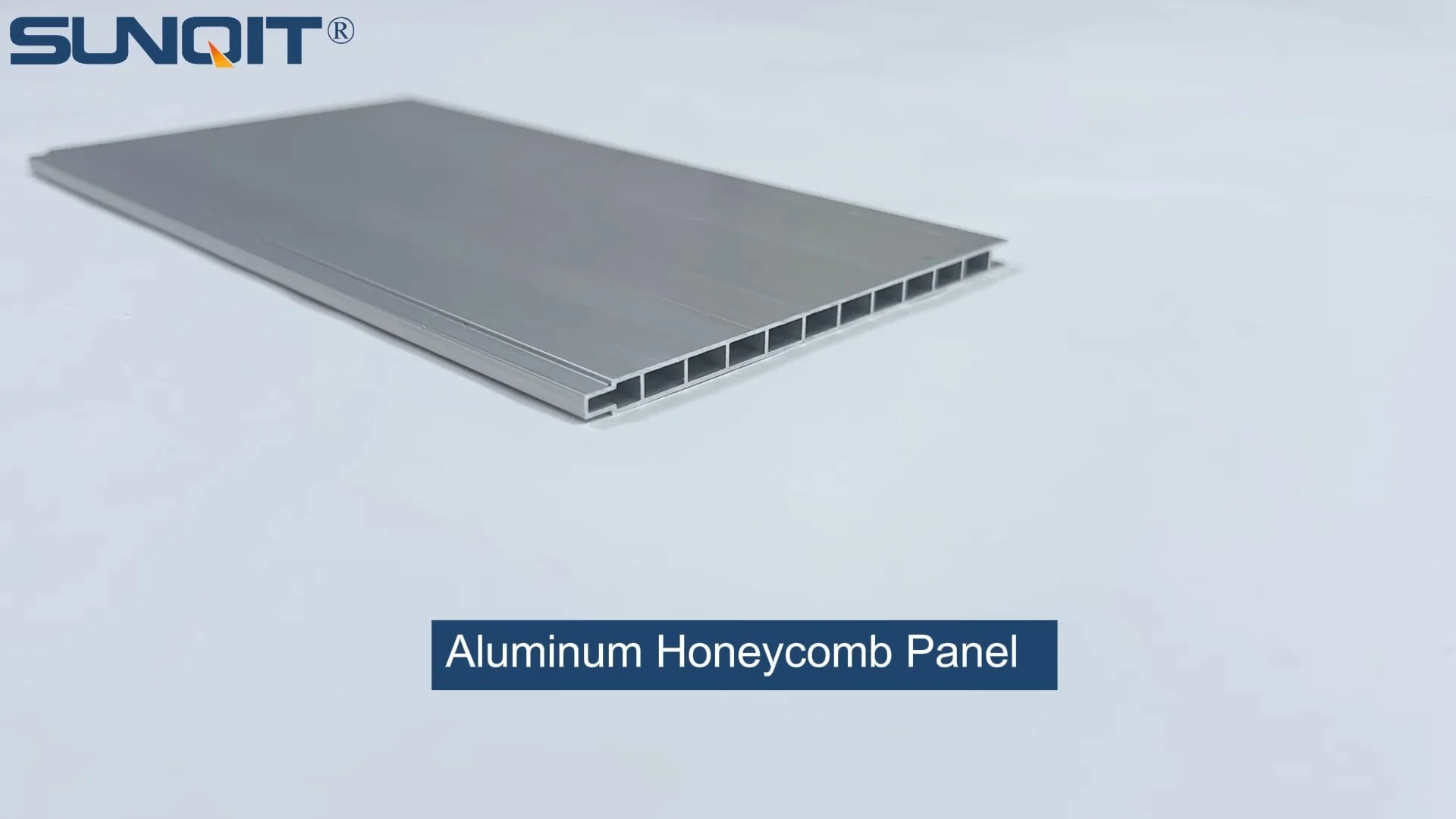
Aluminum Honeycomb Panel
Aluminum honeycomb panel used as table top, side wall, it is connected one pcs by one pcs from the side slot to make a full pieces.This panel width 105mm, 55mm, 35mm are optional for slection.
Walk into any modern PCB assembly facility, and you'll witness a carefully choreographed dance of precision. Robotic arms place components smaller than a grain of rice, workers peer through microscopes to inspect solder joints, and trays of circuit boards glide from station to station with barely a sound. Yet beneath this apparent harmony lurks a silent risk: electrostatic discharge (ESD). A single static spark—often imperceptible to the human eye—can destroy a $500 microchip in milliseconds. And that's just one piece of the puzzle. Manufacturers also grapple with keeping workflows efficient, reducing waste, and building workstations that can adapt as production needs shift. In this high-stakes environment, one component has emerged as a cornerstone of both safety and productivity: the ESD-safe aluminum honeycomb panel, a key part of today's lean workbench systems.
The Hidden Cost of Ignoring ESD in PCB Manufacturing
To understand why ESD-safe solutions matter, let's start with the basics. Electrostatic discharge occurs when two objects with different electrical potentials come into contact, releasing a sudden flow of electricity. In everyday life, this might manifest as a small shock when you touch a doorknob after shuffling across carpet. But in a PCB assembly line, where components like microprocessors and capacitors are sensitive to voltages as low as 250 volts (a fraction of the 3,000+ volts needed to feel a shock), ESD is a silent assassin.
The consequences of unmanaged ESD are stark. A 2023 study by the Electrostatic Discharge Association (ESDA) found that ESD-related failures cost the electronics industry over $50 billion annually. These losses stem from more than just scrapped boards—think of rework, delayed shipments, and even product recalls when latent ESD damage causes failures in the field. For example, a smartphone manufacturer once traced a batch of devices failing to power on back to ESD-damaged memory chips, resulting in a recall of 100,000 units and a PR nightmare.
This is why standards like ANSI/ESD S20.20 have become non-negotiable for manufacturers. These guidelines mandate that work surfaces, flooring, and even tools must dissipate static charge, preventing it from building up and discharging into sensitive components. And when it comes to work surfaces, few materials meet these demands as effectively as ESD-safe aluminum honeycomb panels.
Aluminum Honeycomb Panels: More Than Just a Work Surface
Traditionally, assembly line workbenches relied on materials like solid wood, particleboard, or even solid steel. But each came with tradeoffs. Wood warps over time, especially in humid factory environments, creating uneven surfaces that misalign components. Particleboard lacks durability, chipping easily when tools are dropped. Solid steel, while strong, is heavy—making workbenches hard to reconfigure and increasing shipping costs. Worse, none of these materials inherently dissipate static charge; they require additional ESD mats or coatings, which can wear off or peel, leaving gaps in protection.
Aluminum honeycomb panels solve these issues in one elegant design. Picture a sandwich: two thin sheets of aluminum (the "bread") bonded to a honeycomb-shaped core (the "filling"), usually made of aluminum or fiberglass. This structure delivers three critical benefits for PCB assembly lines: strength, lightness, and built-in ESD protection.
Strength Without the Weight
The honeycomb core is a marvel of engineering. Its hexagonal cells distribute weight evenly, making the panel as strong as solid steel but up to 70% lighter. This matters in a factory where workbenches might need to be moved to rebalance workflows or accommodate new machinery. A typical 4-foot by 6-foot aluminum honeycomb panel weighs just 25 pounds, compared to 80 pounds for a solid steel panel of the same size. This lightness also reduces strain on the workbench frame, extending its lifespan and lowering maintenance costs.
Built-In ESD Dissipation
Unlike wood or particleboard, aluminum is naturally conductive. When treated with an ESD-safe coating (often a clear, durable layer of conductive epoxy), the panel becomes a path for static charge to flow safely to ground, rather than building up and discharging into components. Most ESD-safe aluminum honeycomb panels have a surface resistance between 10^6 and 10^9 ohms, perfectly aligning with ANSI/ESD S20.20 standards. And because the aluminum layers are integral to the panel, there's no risk of the conductive coating peeling off—unlike mats that need frequent replacement.
Thermal and Chemical Resistance
PCB assembly lines are harsh environments. Workstations are exposed to soldering irons, cleaning solvents, and fluctuating temperatures. Aluminum honeycomb panels stand up to all of these: they resist warping in heat, won't absorb moisture, and are impervious to most industrial chemicals. A quick wipe with isopropyl alcohol is all it takes to clean flux residue or fingerprints, ensuring the surface stays smooth and static-dissipative for years.

From Panel to Workstation: Building the Ideal ESD-Safe Lean Workbench
An aluminum honeycomb panel is just one piece of the puzzle. To create a truly effective workstation, it needs to be integrated into a lean workbench system—one that's modular, adaptable, and designed to minimize waste. Let's break down how these components come together.
The Role of Aluminum Profiles in Modularity
Modern lean workbenches rely on aluminum profiles—extruded aluminum beams with T-slots that allow accessories to be attached without drilling. These profiles form the frame of the workstation, supporting the aluminum honeycomb panel on top. What makes them game-changing is their flexibility. Need to add a shelf for tools? Slide a bracket into the T-slot and tighten a screw. Want to mount a monitor arm? Just clip it on. This modularity aligns with lean manufacturing principles, where "waste" includes time spent reconfiguring fixed workstations. With aluminum profiles, a team can retool a workstation in 30 minutes instead of waiting days for custom modifications.
Casters for Mobility, Stability for Precision
Many lean workbenches sit on caster wheels, allowing them to be moved easily when rearranging the production line. But PCB assembly requires stability—you don't want a workbench shifting mid-solder. The solution? Heavy-duty casters with locking brakes. When locked, the brakes engage metal pads that grip the floor, keeping the workstation steady even when workers lean on it. And when it's time to move, a quick flip of the brake lever frees the casters, letting one person reposition the bench with minimal effort.
Integrating with Conveyors: Keeping Materials Flowing
A lean assembly line isn't just about individual workstations—it's about how materials move between them. That's where conveyors come in. ESD-safe workbenches with aluminum honeycomb panels often integrate with roller track conveyors, which use small, free-spinning wheels to slide trays of PCBs from one station to the next. The key here is alignment: the workbench height must match the conveyor height exactly to prevent jams. Aluminum honeycomb panels help here too—their lightweight design means the workbench frame can be adjusted with precision, ensuring a seamless handoff between worker and conveyor.

Comparing Workbench Materials: Why Aluminum Honeycomb Stands Out
| Feature | Solid Wood | Solid Steel | Aluminum Honeycomb Panel |
|---|---|---|---|
| Weight (4'x6' panel) | 50 lbs | 80 lbs | 25 lbs |
| ESD Protection | Requires external mats (prone to wear) | Conductive but heavy; hard to reconfigure | Built-in via conductive coating; long-lasting |
| Durability | Warps in humidity; prone to scratches | Resistant to damage but dents easily | Impact-resistant; resists warping and chemicals |
| Cost (Lifespan: 5 years) | $200 initial + $50/year for ESD mats = $450 total | $400 initial + $0 maintenance = $400 total | $350 initial + $0 maintenance = $350 total |
| Flexibility | Fixed; hard to modify | Heavy; difficult to move/reconfigure | Lightweight; integrates with modular aluminum profiles |
As the table shows, aluminum honeycomb panels offer a balance of cost, durability, and performance that's hard to beat. Over five years, they're actually cheaper than solid wood (when accounting for ESD mat replacements) and far more flexible than solid steel.
Real-World Impact: How One Manufacturer Cut Waste with ESD-Safe Honeycomb Workbenches
Consider the case of a mid-sized PCB manufacturer in the Midwest that specializes in medical devices. A few years ago, they were struggling with two issues: frequent ESD-related component failures (costing $10,000/month in scrapped boards) and bottlenecks in their assembly line, where workers wasted time walking to retrieve tools and materials.
Their solution? Upgrading to lean workbenches with ESD-safe aluminum honeycomb panels. Here's what happened next:
- ESD failures dropped by 85%: The built-in conductive panels eliminated gaps in protection, reducing scrapped boards from 200/month to 30/month.
- Workstation reconfigurations took 75% less time: With aluminum profiles and casters, the team rearranged the line to group similar tasks, cutting worker movement by 2 hours per shift.
- Material flow improved with roller track conveyors: By integrating the workbenches with conveyors, materials moved automatically to each station, reducing wait times by 40%.
Within six months, the manufacturer recouped the cost of the new workbenches—and then some. "It wasn't just about ESD," said their production manager. "It was about building a line that works with our team, not against them."
Choosing the Right ESD-Safe Honeycomb Panel: What to Look For
Not all aluminum honeycomb panels are created equal. When shopping for your assembly line, keep these factors in mind:
Surface Resistance Rating
Look for panels with a surface resistance between 10^6 and 10^9 ohms, as specified by ANSI/ESD S20.20. Avoid panels with resistance below 10^6 ohms (they conduct too much electricity, risking short circuits) or above 10^11 ohms (they don't dissipate static fast enough).
Core Material
Aluminum cores are more conductive than fiberglass cores, making them better for ESD applications. They're also more durable, though slightly heavier. Fiberglass cores are a budget option but may not last as long in high-traffic workstations.
Panel Thickness
Most workbenches use panels 0.5–1 inch thick. Thicker panels (1 inch) are better for heavy equipment, like automated screwdrivers, while thinner panels (0.5 inch) work well for manual assembly stations.
Edge Treatment
Sharp edges can snag gloves or materials. Look for panels with rounded, anodized edges, which are both safer and more resistant to chipping.
The Future of Lean Manufacturing: Adaptable, Safe, and Sustainable
As PCB components shrink and production demands grow, manufacturers need workstations that can keep up. ESD-safe aluminum honeycomb panels are more than a trend—they're a glimpse into the future of lean manufacturing: adaptable enough to reconfigure on the fly, safe enough to protect billion-dollar components, and sustainable enough to reduce waste (aluminum is 100% recyclable, and honeycomb panels use less material than solid alternatives).
At the end of the day, a PCB assembly line is only as strong as its weakest link. For many manufacturers, that link used to be static-prone, rigid workbenches. Now, with ESD-safe aluminum honeycomb panels, it's become a source of strength—one that keeps microchips safe, workers efficient, and production lines flowing.