- Company Articles
- Products and Technology
- Product knowledge
- Energy Sector: 2.0mm Stainless Steel Pipe for Equipment Frames

Energy Sector: 2.0mm Stainless Steel Pipe for Equipment Frames
Related Product
2.0mm Stainless Steel Pipe
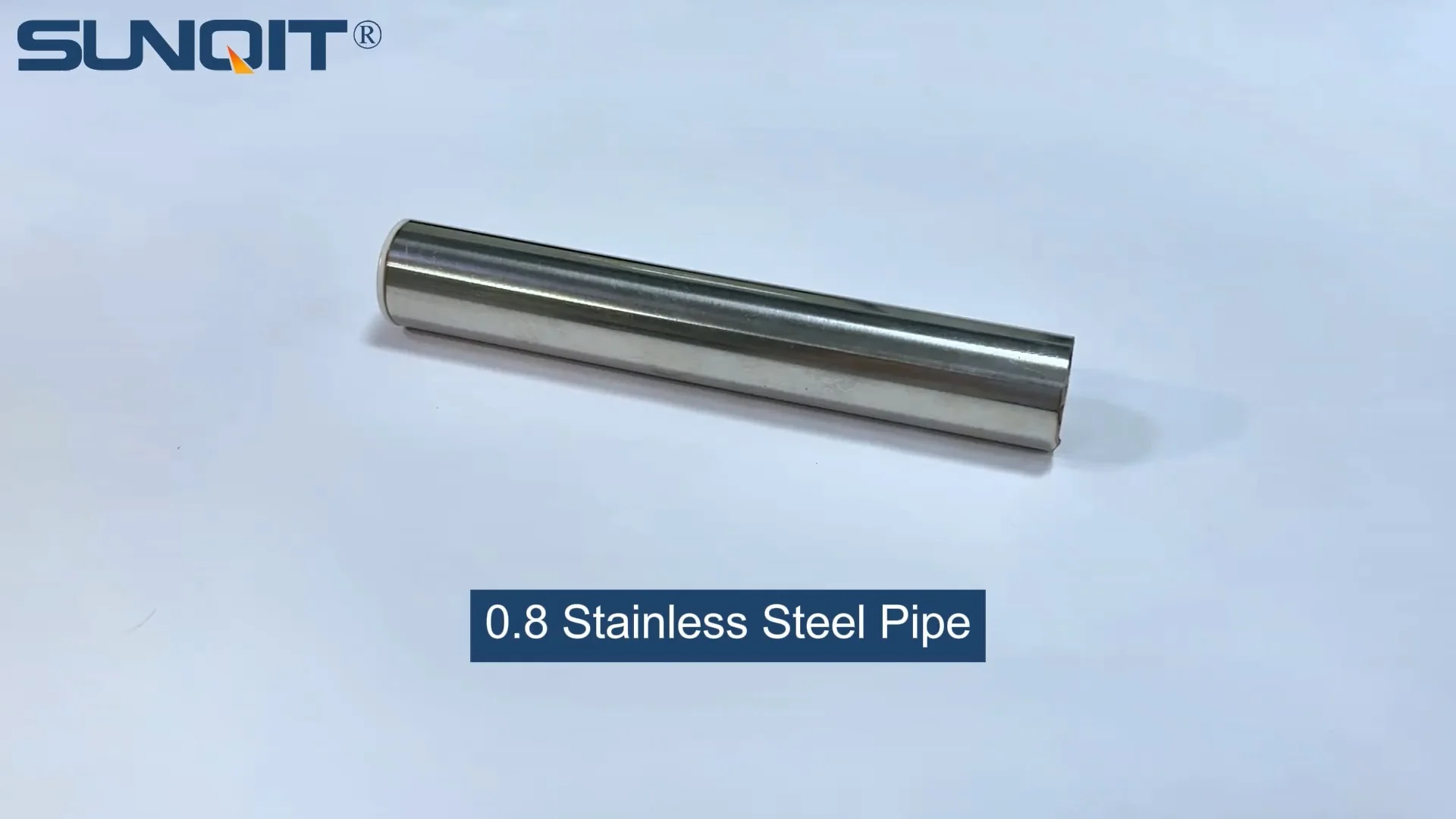
Stainless steel pipe, lean pipe, diameter is 28mm, material is SS201 or SS304, SS201 is normally used in the market. It knows a KARAKURI, KAIZEN material for industrial plant to improve efficiency, save labor cost, standard management.
The energy sector is the lifeblood of modern civilization, powering everything from our homes and hospitals to factories and data centers. Whether it's extracting oil from deep offshore reserves, harnessing wind energy from towering turbines, or converting sunlight into electricity through solar panels, the industry relies on a vast array of specialized equipment. At the heart of this equipment lies a critical but often overlooked component: the frames that support, protect, and organize these machines. These frames are not just structural afterthoughts—they are the backbone of operational efficiency, safety, and longevity. In recent years, one material has emerged as a game-changer for building these frames: the 2.0mm stainless steel pipe. In this article, we'll explore why this unassuming component has become indispensable in the energy sector, how it addresses the industry's unique challenges, and why it's poised to shape the future of equipment design.
The Energy Sector's Unique Demands: Why Equipment Frames Can't Afford to Compromise
To understand why 2.0mm stainless steel pipe has become a staple in energy equipment frames, we first need to grasp the extreme conditions these frames endure. The energy sector is not for the faint of heart—its environments are some of the harshest on the planet. Consider offshore oil rigs, where frames are bombarded by saltwater spray, high humidity, and relentless winds. Or desert solar farms, where temperatures swing from scorching days to freezing nights, and sandstorms abrade surfaces. Even onshore facilities like natural gas processing plants face corrosive chemicals, high pressures, and constant vibration from rotating machinery. In nuclear power plants, frames must withstand radiation exposure and strict safety regulations to prevent catastrophic failures.
Beyond environmental stressors, energy equipment frames carry immense responsibility. They support heavy loads: a single wind turbine gearbox, for example, can weigh over 30 tons, and its frame must keep it stable even during gale-force winds. They also protect sensitive components—think of the control cabinets in a solar inverter, which house circuit boards and sensors that can't tolerate dust, moisture, or physical damage. Additionally, frames often need to be mobile or modular to accommodate maintenance, upgrades, or reconfiguration. A poorly designed frame can lead to equipment downtime, safety hazards, or even environmental disasters—risks the energy sector simply can't afford.
This is where material selection becomes critical. Frames must be strong enough to bear heavy loads, corrosion-resistant to survive harsh environments, durable enough to last decades, and versatile enough to adapt to changing needs. For years, engineers relied on materials like carbon steel (affordable but prone to rust), aluminum (lightweight but less strong), or even wood (never a serious contender for industrial use). But none of these options checked all the boxes—until the rise of 2.0mm stainless steel pipe.
What Makes 2.0mm Stainless Steel Pipe Stand Out?
Stainless steel itself is no newcomer to industrial applications. Its reputation for corrosion resistance stems from its chromium content (at least 10.5%), which forms a thin, invisible oxide layer on the surface. This layer self-heals when damaged, preventing rust and degradation. But why 2.0mm specifically? The thickness is a carefully calculated balance: thick enough to provide structural rigidity without adding unnecessary weight, and thin enough to allow for flexibility in design and ease of fabrication.
Let's break down the key properties of 2.0mm stainless steel pipe that make it ideal for energy equipment frames:
- Corrosion Resistance: Most energy-grade stainless steel pipes are made from austenitic alloys like 304 or 316. 304 stainless steel contains 18% chromium and 8% nickel, offering excellent resistance to general corrosion—perfect for onshore facilities. For harsher environments like offshore or chemical plants, 316 stainless steel adds molybdenum, which enhances resistance to chloride-induced pitting (a common issue in saltwater). This means frames built with 2.0mm 316 stainless steel pipe can withstand years of exposure to salt spray without rusting, reducing maintenance costs and downtime.
- Strength and Durability: With a tensile strength ranging from 500 to 700 MPa (depending on the alloy), 2.0mm stainless steel pipe is surprisingly strong for its weight. To put that in perspective: a 20mm outer diameter (OD) 2.0mm wall stainless steel pipe can support over 2,000 kg of static load before bending—more than enough for most energy equipment. Its ductility also allows it to absorb vibrations from machinery without cracking, a critical feature in facilities with pumps, compressors, or turbines.
- Heat and Fire Resistance: Stainless steel retains its strength at high temperatures (up to 800°C for 304 and 900°C for 316), making it suitable for equipment near heat sources like boilers or exhaust systems. Unlike plastic or aluminum, it doesn't melt or release toxic fumes in fires, aligning with strict safety codes in the energy sector.
- Low Maintenance: Unlike carbon steel, which requires regular painting or coating to prevent rust, stainless steel is "maintenance-free" in most environments. A simple wipe-down with water or mild detergent is often enough to keep it clean and functional. This is a huge advantage in remote locations like wind farms or desert solar sites, where frequent maintenance is logistically challenging and expensive.
- Versatility in Fabrication: 2.0mm stainless steel pipe is easy to cut, weld, bend, and assemble using standard tools. This allows engineers to design custom frames tailored to specific equipment—whether it's a compact control cabinet frame or a large-scale solar panel mounting structure. It also pairs well with accessories like caster wheels for mobility or workbench attachments for maintenance stations, adding to its flexibility.

Comparing Materials: Why Stainless Steel Beats Aluminum, Carbon Steel, and More
To truly appreciate the value of 2.0mm stainless steel pipe, it helps to compare it to other common frame materials. Let's take a closer look at how it stacks up against aluminum profile, carbon steel, and even wood (for completeness):
| Material | Tensile Strength (MPa) | Corrosion Resistance | Weight (kg/m for 20mm OD) | Estimated Lifespan (Years) | Cost (Relative) |
|---|---|---|---|---|---|
| 2.0mm Stainless Steel (316) | 550-650 | Excellent (resists saltwater, chemicals) | 1.1 | 20-30+ | High |
| Aluminum Profile (6061-T6) | 310 | Good (natural oxide layer) | 0.8 | 15-20 | High |
| Carbon Steel (1018) | 440 | Poor (rusts without coating) | 1.2 | 5-10 (with coating) | Low |
| Wood (Hardwood) | 40-100 | Poor (rots in moisture) | 2.5 (varies) | 3-5 (outdoors) | Low |
As the table shows, aluminum profile is lighter than stainless steel but sacrifices strength and corrosion resistance—making it better suited for lightweight, indoor applications rather than heavy outdoor equipment. Carbon steel is cheaper but requires constant maintenance (like painting or galvanizing) and has a much shorter lifespan. Wood, of course, is irrelevant for industrial use due to its low strength and vulnerability to moisture. Stainless steel, despite its higher upfront cost, offers the best balance of strength, durability, and low maintenance—ultimately delivering a lower total cost of ownership over its lifespan.

Real-World Applications: How the Energy Sector Uses 2.0mm Stainless Steel Pipe
Now that we understand the "why," let's explore the "how." 2.0mm stainless steel pipe is used in a wide range of energy equipment frames, each tailored to specific needs. Here are some of the most common applications:
1. Offshore Wind Turbine Control Cabinets
Offshore wind turbines are exposed to some of the harshest conditions on Earth: saltwater spray, high winds, and constant vibration. The control cabinets that house their electrical systems and sensors need frames that can protect these components while remaining mobile for maintenance. 2.0mm 316 stainless steel pipe is the material of choice here. Its corrosion resistance ensures the frame won't rust, even after years of salt exposure, and its strength keeps the cabinet stable during storms. Many of these frames are also fitted with caster wheels, allowing technicians to easily move the cabinet for repairs or upgrades—proving that stainless steel's strength doesn't come at the cost of mobility.
2. Solar Panel Mounting Structures
Solar farms require mounting frames that can support heavy solar panels (each weighing 15-20 kg) while withstanding extreme temperatures, UV radiation, and wind loads. 2.0mm stainless steel pipe is ideal for these structures because it's lightweight enough to reduce installation costs (fewer supports needed) and strong enough to resist bending under wind stress. In desert solar farms, where sandstorms are common, the smooth surface of stainless steel also resists abrasion, ensuring the frames remain intact for decades. Some solar installers even use modular designs with stainless steel pipes and lean system principles—allowing panels to be reconfigured as needed, reducing waste and improving efficiency.
3. Oil and Gas Processing Equipment Frames
In oil refineries and natural gas plants, equipment like pumps, filters, and separators are often mounted on stainless steel frames. These frames must resist corrosive chemicals (like hydrogen sulfide) and high temperatures. 2.0mm 316 stainless steel pipe is preferred here for its molybdenum content, which prevents pitting corrosion in chemical-rich environments. The frames are also designed with integrated workbench areas, where technicians can place tools or test equipment during maintenance. This combination of durability and functionality makes stainless steel frames a staple in refineries worldwide.
4. Nuclear Power Plant Auxiliary Supports
Nuclear facilities have some of the strictest safety standards in the energy sector, and equipment frames are no exception. Frames for auxiliary systems (like cooling pumps or radiation shielding) must be non-magnetic (to avoid interfering with sensitive instruments) and resistant to radiation-induced embrittlement. 2.0mm 304L stainless steel (a low-carbon variant of 304) is often used here, as its low carbon content reduces the risk of carbide precipitation during welding (which can weaken the material). These frames are also designed to be easily decontaminated, with smooth surfaces that don't trap radioactive particles—another advantage of stainless steel's non-porous nature.
Supporting Lean System Principles: Modularity, Mobility, and Efficiency
The energy sector is increasingly adopting lean system principles to reduce waste, improve productivity, and lower costs. Lean systems focus on creating value for customers while minimizing non-essential activities—like excess inventory, unnecessary movement, or rework. 2.0mm stainless steel pipe aligns perfectly with these goals, thanks to its modularity and compatibility with a wide range of accessories.
One of the key benefits of stainless steel pipe frames is their modular design. Unlike welded steel structures, which are fixed in place, stainless steel pipe frames use friction-fit joints or bolts, allowing them to be disassembled, reconfigured, or expanded as needed. For example, a solar panel mounting frame built with 2.0mm stainless steel pipe and aluminum profile connectors can be easily adjusted to accommodate new panel sizes or layouts, avoiding the need to replace the entire frame. This reduces waste and makes it easier to adapt to changing technology or energy demands.
Mobility is another lean-friendly feature. By adding caster wheels to stainless steel frames, equipment can be moved to where it's needed, rather than requiring technicians to travel to the equipment. This is especially useful in large facilities like wind turbine factories or solar panel assembly lines, where workstations need to be flexible. A frame with caster wheels can be rolled to different parts of the plant, reducing downtime and improving workflow efficiency. And because stainless steel is strong, these wheels can support heavy loads without compromising stability.
Integrated workbench areas are also a lean innovation. Many energy equipment frames now include built-in workbenches, where technicians can perform inspections, repairs, or quality checks without needing a separate table. These workbenches are often made from stainless steel sheets mounted on the frame, creating a seamless, durable surface that's easy to clean. By combining the frame and workbench into one unit, companies save space and reduce the need for additional furniture—another win for lean efficiency.
Case Study: How 2.0mm Stainless Steel Pipe Transformed an Offshore Wind Farm's Maintenance Costs
Challenge: A European offshore wind farm operator was struggling with frequent corrosion issues on the frames of their turbine control cabinets. The previous frames were made from carbon steel with a protective coating, but the coating would chip after just 1-2 years of saltwater exposure, leading to rust and electrical malfunctions. Replacing the frames cost €50,000 per turbine (100 turbines total), and downtime during replacements was costing an additional €20,000 per day per turbine.
Solution: The operator switched to 2.0mm 316 stainless steel pipe frames with caster wheels for mobility. The new frames were designed with modular joints, allowing easy disassembly for upgrades, and included a small integrated workbench for technicians to use during repairs.
Results: After 5 years of operation, the stainless steel frames showed no signs of corrosion. Maintenance costs dropped by 90% (from €50,000/turbine to less than €5,000 for occasional cleaning). The caster wheels reduced downtime by 40%, as technicians could now move the cabinets to a sheltered area for repairs instead of working in the open. The integrated workbench also improved efficiency, with technicians completing repairs 25% faster. Overall, the operator saved over €4 million in maintenance and downtime costs in the first 5 years—proving that the higher upfront cost of stainless steel was a small price to pay for long-term savings.
The Future of 2.0mm Stainless Steel Pipe in the Energy Sector
As the energy sector continues to evolve—with a growing focus on renewables, decarbonization, and smart technology—2.0mm stainless steel pipe is poised to play an even bigger role. Here are three trends that will shape its future:
1. Sustainability and Recyclability
The energy sector is under increasing pressure to reduce its environmental footprint, and stainless steel aligns with this goal. Stainless steel is 100% recyclable, with over 80% of new stainless steel made from recycled materials. This reduces the need for mining raw materials and lowers carbon emissions. As renewable energy projects (like solar and wind) grow, demand for sustainable building materials will rise, making stainless steel an even more attractive choice.
2. Smart Frames with Embedded Sensors
The rise of the Industrial Internet of Things (IIoT) is transforming energy equipment into "smart" systems. In the future, we may see 2.0mm stainless steel pipe frames embedded with sensors that monitor stress, vibration, or corrosion in real time. These sensors could send alerts to maintenance teams if a frame is at risk of failure, allowing for proactive repairs instead of reactive replacements. Stainless steel's durability makes it an ideal host for these sensors, as it can protect delicate electronics from harsh environments.
3. Advanced Alloys for Extreme Conditions
As energy exploration pushes into more extreme environments—like deeper offshore wells or geothermal plants with temperatures over 300°C—engineers will need even more resilient materials. Companies are already developing new stainless steel alloys with higher chromium and nickel content, or adding elements like tungsten to improve high-temperature strength. These advanced alloys could extend the lifespan of frames in extreme conditions, opening up new possibilities for energy production.
Choosing the Right Supplier: What to Look For
Not all 2.0mm stainless steel pipes are created equal. To ensure your energy equipment frames meet industry standards, it's critical to choose a reputable supplier. Here are key factors to consider:
- Certifications: Look for suppliers with ISO 9001 certification (quality management) and compliance with industry standards like ASTM A312 (for stainless steel pipes) or ASME B31.3 (for process piping). These certifications ensure the pipe meets strict quality and safety requirements.
- Material Traceability: A reliable supplier should provide mill test reports (MTRs) for each batch of pipe, detailing its chemical composition, mechanical properties, and heat treatment. This is especially important in nuclear or offshore applications, where material consistency is critical.
- Customization Options: Energy equipment frames come in all shapes and sizes, so choose a supplier that offers cutting, bending, or welding services. Some suppliers even provide pre-assembled frames with caster wheels, workbenches, or other accessories, saving you time and labor.
- Technical Support: The best suppliers don't just sell pipe—they offer engineering support to help you design frames that meet your specific needs. Whether you need help calculating load capacities or selecting the right alloy, a knowledgeable team can make all the difference in your project's success.
Conclusion: The Unseen Hero of Energy Equipment
In the grand scheme of the energy sector, 2.0mm stainless steel pipe may seem like a small component. But as we've explored, it's a critical one—enabling the design of frames that are strong, durable, and efficient enough to meet the industry's toughest challenges. From offshore wind turbines to solar farms, from oil refineries to nuclear plants, this unassuming pipe is quietly supporting the energy that powers our world.
As the energy sector continues to innovate, 2.0mm stainless steel pipe will undoubtedly evolve with it—becoming more sustainable, more integrated with smart technology, and more resilient than ever. For engineers, operators, and sustainability advocates alike, it's a reminder that sometimes the most impactful solutions are the ones we build from the ground up—one pipe at a time.