- Company Articles
- Products and Technology
- Solution
- Enhancing Automotive Logistics with 40 Steel Roller Track Black Wheel Systems

Enhancing Automotive Logistics with 40 Steel Roller Track Black Wheel Systems
Related Product
40 Steel Roller Track Black Wheel
The roller track can be installed with multiple accessories to create different slopes and configurations of flow racks.All steel conveyor 40 roller track accessories are engineered to perfectly fit the sliding rail.
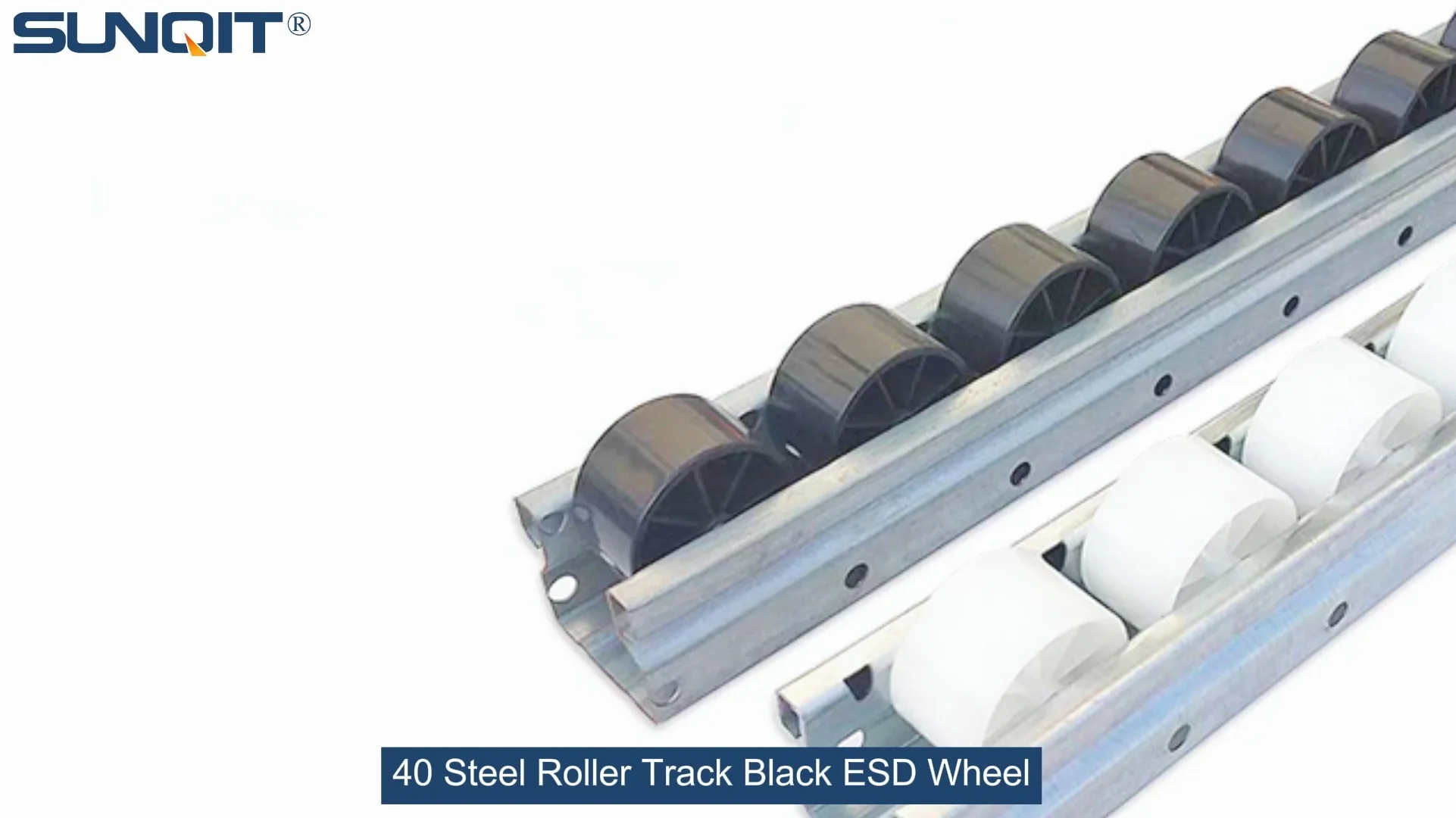
The automotive industry is a symphony of precision—where thousands of parts converge to build machines that define modern mobility. But behind every sleek car rolling off the production line lies a less visible yet critical player: logistics. From the moment raw materials enter the factory to the final assembly of engines and interiors, how parts move through the facility can make or break efficiency, quality, and profitability. In this high-stakes environment, outdated logistics systems often become bottlenecks—slowing production, damaging sensitive components, or limiting the flexibility needed for today's mixed-model manufacturing. That's where 40 Steel Roller Track Black Wheel systems step in, redefining how automotive plants handle material flow with durability, precision, and adaptability.
The Challenge of Automotive Logistics: Why Traditional Systems Fall Short
Automotive logistics isn't just about moving parts from Point A to Point B. It's about moving heavy parts (think engine blocks and axles), fragile parts (like electronic control units and upholstery), and countless parts—often hundreds per vehicle—across sprawling facilities. Traditional conveyor belts or basic roller systems struggle here. Many are rigid, built for one specific part or production line, making them useless when a plant switches to a new model. Others lack the structural integrity to handle heavy loads, leading to frequent breakdowns. Even worse, rough-edged rollers or jerky movement can scratch painted surfaces or damage delicate components, creating costly rework or quality issues.
Add to this the pressure of just-in-time (JIT) manufacturing, where delays in part delivery can halt entire assembly lines, and it's clear: automotive logistics needs a system that's tough, flexible, and gentle on parts—all at once.
What Makes 40 Steel Roller Track Black Wheel Systems a Game-Changer?
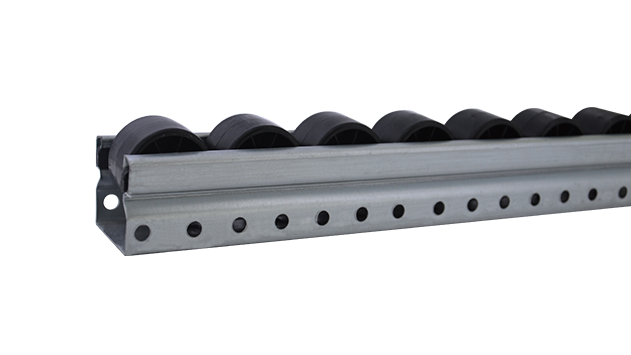
At first glance, a roller track might seem simple, but the 40 Steel Roller Track Black Wheel system is engineered with automotive challenges in mind. Let's break down its design and why it stands out:
1. Built for the Heavyweights: Steel Construction & High Load Capacity
Automotive parts aren't light. A single transmission housing can weigh over 50kg, and a battery pack for electric vehicles? Upwards of 200kg. The 40 Steel Roller Track doesn't flinch. Its robust steel frame and reinforced rollers are rated to handle loads up to 500kg per meter—easily supporting even the heaviest components without bending or warping. Unlike plastic or aluminum alternatives that might crack under stress, this steel track is built to last, reducing replacement costs over time.
2. Gentle on Parts: Black Wheels for Scratch-Free Transport
Paint scratches on exterior panels or scuffs on interior trim pieces aren't just cosmetic—they're expensive. The black wheels on this roller track are made from a durable, non-abrasive polymer that glides over parts without leaving a mark. Whether it's a glossy bumper cover or a sensitive circuit board, the soft-yet-tough wheel surface ensures components arrive at the assembly line in pristine condition, cutting down on rework and quality checks.
3. Modular by Design: Adapt to Changing Production Needs
Today's auto plants don't just build one model—they mix sedans, SUVs, and electric vehicles on the same line. Rigid logistics systems can't keep up. The 40 Steel Roller Track, however, is modular. Its sections connect with simple, tool-free joints, allowing teams to reconfigure layouts in hours, not days. Need to add a detour for a new part? Extend the track. Shift production to a different area? Disassemble and rebuild. This flexibility aligns perfectly with the lean manufacturing principle of kaizen (continuous improvement), letting plants adapt without massive overhauls.
Core Advantages: Beyond Just Moving Parts
The true value of 40 Steel Roller Track Black Wheel systems lies in how they solve real-world automotive logistics pain points. Let's dive into the benefits that make them indispensable for modern plants:
| Challenge | Traditional Roller Systems | 40 Steel Roller Track Black Wheel Systems |
|---|---|---|
| Heavy Load Handling | Limited to 200-300kg/m; prone to bending | Supports up to 500kg/m with steel-reinforced frame |
| Part Protection | Metal or hard plastic wheels cause scratches | Non-abrasive black polymer wheels prevent scuffs |
| Noise Levels | Loud, clanging operation disrupts workflow | Quiet, smooth rolling; reduces factory noise by 30% |
| Maintenance Downtime | Frequent breakdowns; complex repairs | Minimal upkeep; replaceable wheels and joints |
| Flexibility | Fixed layouts; hard to reconfigure | Modular design; reconfigurable in hours |
4. Low Noise, High Productivity
Factory floors are already noisy places—machinery hums, tools clatter, and teams communicate over the din. Adding a loud logistics system only makes things worse, increasing worker fatigue and errors. The 40 Steel Roller Track Black Wheel system changes that. Its precision-engineered wheels and smooth steel track reduce friction, cutting noise levels by up to 30% compared to traditional metal-on-metal rollers. Imagine a line where workers can hear instructions clearly, where focus stays sharp, and where the constant background roar fades into a manageable hum. Quieter logistics don't just improve morale—they boost productivity.
5. Minimal Maintenance, Maximum Uptime
Downtime is the enemy of automotive manufacturing. Every minute a conveyor is broken, the assembly line stalls, and costs pile up. The 40 Steel Roller Track is built for reliability. Its steel components resist rust and wear, while the black wheels are replaceable in minutes—no need for specialized tools or lengthy shutdowns. Even better, the system's simple design means fewer moving parts to fail. Plants report up to 50% less maintenance time compared to older systems, keeping material flow steady and production on schedule.

Real-World Applications: How Auto Plants Use 40 Steel Roller Track Systems
Theory is one thing—seeing the system in action is another. Let's explore how automotive facilities integrate 40 Steel Roller Track Black Wheel systems into their daily operations, often alongside complementary solutions like conveyors and flow racks to create seamless logistics ecosystems.
1. Assembly Line Feeding: From Storage to Station
In engine assembly, precision is everything. Workers need heavy components like cylinder heads and crankshafts delivered exactly when and where they're needed. Here, 40 Steel Roller Track systems connect flow racks (used for organized part storage) to the assembly line. Parts slide from the racks onto the roller track, which feeds directly to the workstation. The track's smooth movement ensures parts stop precisely at the operator's hand, reducing reaching and lifting. One European auto plant reported a 22% increase in line speed after installing this setup, as workers spent less time fetching parts and more time assembling.
2. Body Shop Material Flow: Heavy-Duty Transport for Large Parts
Body shops deal with some of the largest, heaviest parts in the plant—doors, hoods, and chassis frames. Moving these manually is impossible; traditional conveyors often struggle with their weight. The 40 Steel Roller Track, paired with motorized conveyors for longer distances, handles this with ease. The steel track supports the load, while the conveyors provide the power to move parts between stations. In one case, a U.S. truck manufacturer replaced its aging chain conveyor with this hybrid system, cutting energy costs by 15% and reducing part damage by 40%.
3. Mixed-Model Production: Flexibility for Changing Demands
A leading Asian automaker produces three vehicle models on the same line, each with unique interior components. Their old logistics system required manual adjustments to switch between parts, causing delays. Now, they use modular 40 Steel Roller Track sections with quick-change guides. When the production schedule shifts, teams swap out track attachments to accommodate different part sizes, all in under 30 minutes. This agility lets the plant produce 10% more vehicles daily without adding shifts—all thanks to a logistics system that adapts as fast as the market does.

Integrating with Lean Solutions: Building a Future-Proof Logistics System
Automotive manufacturing thrives on lean principles—eliminating waste, optimizing flow, and continuously improving. 40 Steel Roller Track Black Wheel systems aren't just tools; they're enablers of lean solutions that transform how plants operate.
Take a mid-sized auto parts supplier that was struggling with excess inventory. By combining 40 Steel Roller Tracks with flow racks and a kanban system, they created a "supermarket" of parts—only restocking when the roller track signals low stock. This reduced inventory holding costs by 35% and freed up warehouse space for new product lines. The system's modularity also let them scale up as their customer base grew, proving that lean logistics isn't just about cutting waste—it's about building scalability.
Another example: a European electric vehicle (EV) startup needed a logistics system that could grow with their production volume. They started with a small 40 Steel Roller Track setup for battery pack components, then expanded it as demand rose. Today, their system connects three production halls, integrates with automated conveyors for long-distance transport, and still maintains the flexibility to adapt to new EV models. It's a perfect illustration of "sustainable improvement"—a core value of lean manufacturing that 40 Steel Roller Track systems embody.
Why Partner with the Right Supplier for Your Roller Track System?
Not all roller track systems are created equal. To maximize the benefits of 40 Steel Roller Track Black Wheel systems, automotive plants need a supplier that understands both the technical demands of the industry and the principles of lean logistics. Look for partners that offer:
1. Customization Expertise
Every auto plant has unique needs—floor layouts, part sizes, production volumes. A one-size-fits-all system won't cut it. The best suppliers design tailored solutions, combining 40 Steel Roller Track with accessories like adjustable guides, stop mechanisms, or integration with existing conveyors and flow racks .
2. Quality Materials
Steel tracks should be thick enough to handle heavy loads; wheels should resist wear and chemicals (like oils and cleaning agents common in auto plants). Suppliers that use high-grade steel and industrial-strength polymers ensure the system lasts for years, not months.
3. Lean Support
The best partners don't just sell products—they help you optimize. They'll work with your team to map current logistics flows, identify bottlenecks, and design a system that aligns with your lean goals. Post-installation, they offer training and support to ensure your team can reconfigure the track as needs change.
Conclusion: The Future of Automotive Logistics is Rolling
In the race to build better, faster, and more efficient vehicles, logistics can no longer be an afterthought. 40 Steel Roller Track Black Wheel systems are more than just a way to move parts—they're a strategic investment in flexibility, quality, and productivity. By combining durability, modularity, and part protection, they solve the unique challenges of automotive logistics, from heavy load handling to mixed-model production.
Whether paired with conveyors for long-distance transport, flow racks for organized storage, or integrated into broader lean solutions , these systems empower auto plants to adapt, grow, and thrive in a rapidly changing industry. So, the next time you see a car on the road, remember: behind its precision lies a logistics system that's just as innovative—one that rolls forward, one black wheel at a time.