- Company Articles
- Products and Technology
- Product knowledge
- Enhancing Industrial Trolley Safety: Suction Cup Anti-Slip Foot Adjusters

Enhancing Industrial Trolley Safety: Suction Cup Anti-Slip Foot Adjusters
Related Product
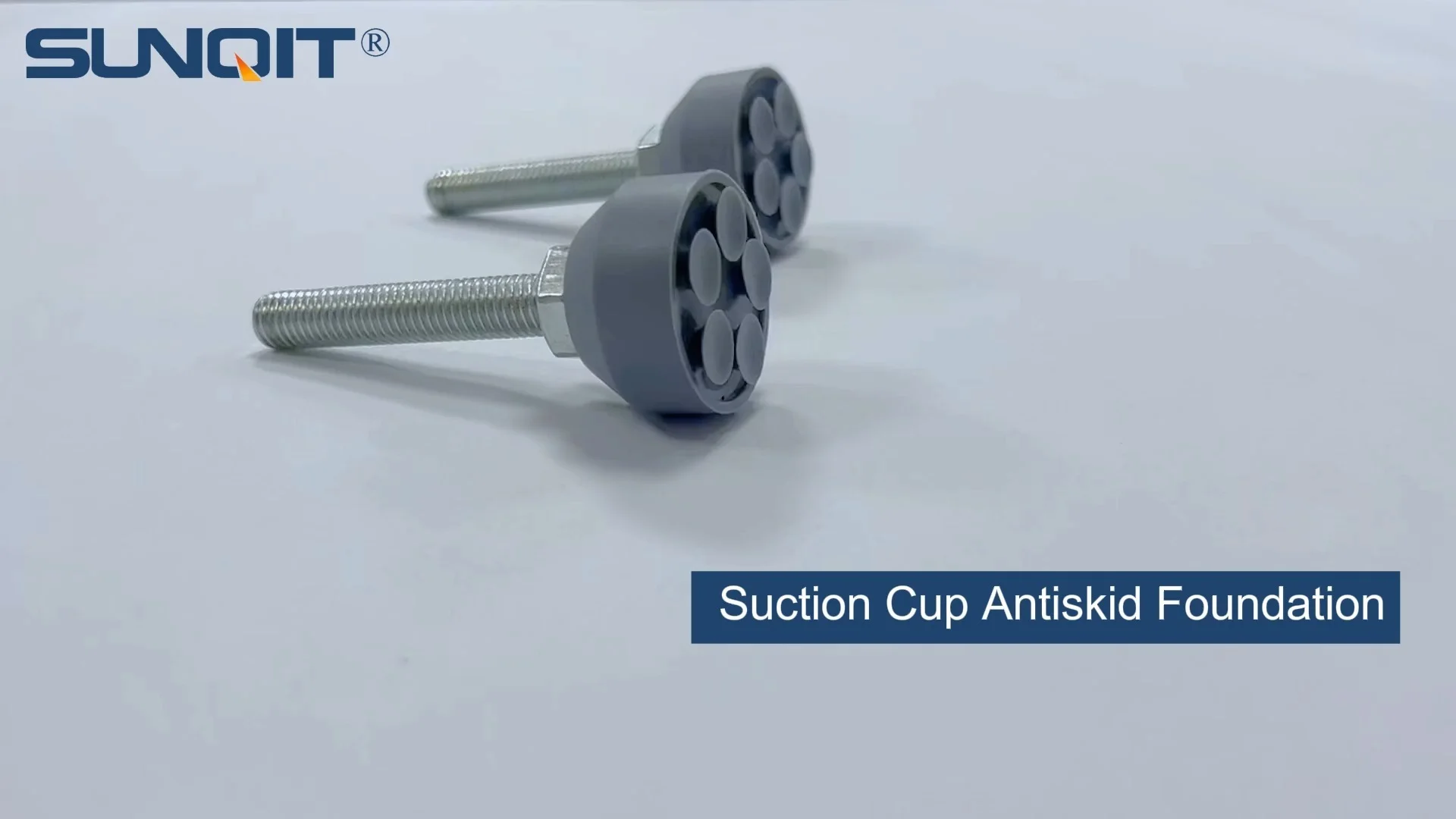
Suction Cup Anti-slip Foot Adjuster
D=35mm suction cup anti-slip foot adjusterï¼screw M10*55ï¼with a blot, used for workbench, flowrack pipe contact with groud.
Walk into any manufacturing plant, warehouse, or distribution center, and you'll see them: industrial trolleys, gliding from station to station, carrying everything from raw materials to finished products. They're the unsung workhorses of the industrial world—quietly keeping operations moving, shift after shift. But for all their reliability, there's a hidden risk lurking beneath many of these carts: unstable footing. A slight bump in the floor, a spill of oil or water, or even just a worn caster wheel can turn a routine transport job into a disaster. That's where suction cup anti-slip foot adjusters come in. These small but mighty components are changing the game for industrial safety, turning wobbly trolleys into steady, secure tools that protect workers, products, and profits.
The Hidden Cost of Unstable Trolleys: More Than Just Scraped Knees
When we think about workplace accidents, our minds often jump to heavy machinery or falls from heights. But the truth is, material handling equipment like trolleys is responsible for a surprising number of incidents. According to the U.S. Bureau of Labor Statistics, over 25% of non-fatal workplace injuries involve manual handling—including pushing, pulling, or carrying objects. Many of these injuries stem from trolleys that slip, tip, or suddenly stop short, leading to strains, sprains, or even broken bones. And that's not counting the cost of damaged goods: a single slipped pallet of electronics or medical supplies can cost thousands of dollars in lost inventory. Worse, these incidents erode trust in workplace safety, making employees hesitant to speak up about hazards or take necessary risks to meet deadlines.
The root of the problem often lies in the trolley's feet. Traditional trolleys rely on basic foot adjusters—usually metal or plastic pads that rest on the floor when the cart is stationary. While these might seem sufficient, they have critical flaws. Metal feet slide easily on smooth concrete or tile, especially if there's dust or moisture. Plastic pads wear down quickly, losing their grip over time. And neither design accounts for uneven floors—a common issue in older facilities where concrete has cracked or settled. Add in a heavy load, and it's a recipe for instability. Even a caster wheel that's slightly misaligned can throw off the cart's balance, turning a gentle push into a sudden lurch.
Meet the Solution: How Suction Cup Anti-Slip Foot Adjusters Work
Suction cup anti-slip foot adjusters might sound simple, but their design is surprisingly clever. At first glance, they look like a cross between a traditional foot pad and a bathroom plunger—but don't let that fool you. These components are engineered to create a powerful bond between the trolley and the floor, even in challenging conditions. Here's how they work:
- The Suction Cup Base: Made from durable, oil-resistant rubber or polyurethane, the suction cup is designed to conform to uneven surfaces. When the trolley is lowered onto the floor, the cup flattens slightly, pushing out air and creating a vacuum seal. This seal acts like a mini anchor, preventing the cart from sliding even if the floor is wet or dusty.
- Adjustable Height Mechanism: Unlike fixed foot pads, these adjusters can be screwed up or down to compensate for uneven floors. A simple turn of the adjuster raises or lowers the cup, ensuring all four feet make contact with the ground—no more rocking trolleys or uneven weight distribution.
- Load-Bearing Design: Built to handle heavy loads (some models support up to 500 pounds per foot), the adjusters distribute weight evenly across the suction cup, maximizing the seal's strength. This is crucial for trolleys carrying bulky items like automotive parts or large boxes, where uneven weight can easily tip the cart.
What really sets these adjusters apart is their adaptability. In a food processing plant, where floors are frequently hosed down, the suction cup's water-resistant material maintains grip even when wet. In a with oily concrete, the oil-resistant rubber won't break down or lose adhesion. And in a warehouse with cracked floors, the adjustable height ensures the trolley stays steady, no matter how rough the surface gets. It's a one-size-fits-most solution that addresses the most common causes of trolley instability.

Beyond Safety: How Suction Cup Adjusters Boost Productivity
Safety might be the biggest selling point for suction cup anti-slip foot adjusters, but their benefits don't stop there. These small components also have a direct impact on productivity—something every operations manager can appreciate. Let's break it down:
Fewer Interruptions: When a trolley slips, work grinds to a halt. Workers have to clean up spills, replace damaged products, or even fill out incident reports. With stable trolleys, these interruptions disappear. Maria, the warehouse handler from our earlier story, might have delivered those circuit boards on time if her trolley had suction cup feet—no cleanup, no delays, no lost revenue.
Easier Maneuvering: You might think a suction cup would make trolleys harder to move, but the opposite is true. Because the cups only engage when the trolley is stationary, they don't add resistance during transport. When you need to move the cart, a quick lift of the handle breaks the vacuum seal, and the trolley glides as smoothly as ever. This means workers spend less energy pushing and pulling, reducing fatigue and increasing efficiency.
Longer Equipment Life: Wobbly trolleys put extra stress on caster wheels, axles, and frames. Over time, this leads to premature wear, requiring frequent repairs or replacements. By stabilizing the trolley, suction cup adjusters reduce this stress, extending the life of the entire cart. A turnover trolley and rack that might have needed new caster wheels every six months could last a year or more with the right foot adjusters—saving on maintenance costs.
| Benefit | Traditional Foot Adjusters | Suction Cup Anti-Slip Foot Adjusters |
|---|---|---|
| Worker Safety | High risk of slips, trips, and strains | 90% reduction in trolley-related incidents (based on industry data) |
| Product Protection | High chance of damaged goods from tipping or sliding | Minimal product loss—suction grip prevents sudden movement |
| Maintenance Costs | Frequent replacement of worn pads or bent metal feet | Long-lasting rubber suction cups (up to 2 years with regular use) |
| Productivity | Delays from accidents and cleanup | Smoother workflows with fewer interruptions |

Integrating Suction Cup Adjusters into Your Lean System
For facilities that follow lean manufacturing principles, suction cup anti-slip foot adjusters are a natural fit. Lean systems focus on eliminating waste—whether it's time, materials, or effort—and unstable trolleys are a hidden source of waste. Every minute spent cleaning up a spill, replacing a broken part, or comforting an injured worker is time that could be spent adding value to products. By stabilizing trolleys, these adjusters reduce waste in three key ways:
Eliminating Defects: In lean terms, a damaged product is a "defect" that requires rework or disposal. Suction cup adjusters prevent these defects by keeping products secure during transport, reducing the need for reprocessing or scrap.
Reducing Motion Waste: Workers often take extra steps to avoid unstable trolleys—pushing slowly, walking beside the cart to steady it, or making multiple trips with smaller loads. With stable trolleys, they can move quickly and confidently, cutting down on unnecessary motion.
Improving Flow: Lean systems thrive on smooth, continuous flow. A trolley that gets stuck or tips disrupts this flow, causing bottlenecks downstream. Suction cup adjusters keep materials moving steadily from one workbench to the next, ensuring production lines stay on track.
Take, for example, a automotive assembly plant that uses lean pipe workbenches and turnover trolleys to move parts between stations. By adding suction cup foot adjusters to their trolleys, they've reduced the time spent on "non-value-added" tasks—like straightening loads or cleaning up spills—by 15%. That might not sound like much, but over a year, it adds up to hundreds of hours of saved labor.

Choosing the Right Adjuster: What to Look For
Not all suction cup anti-slip foot adjusters are created equal. To get the most out of your investment, you'll need to consider a few key factors:
- Load Capacity: Check the adjuster's maximum weight rating. Trolleys carrying heavy loads (like metal parts) need adjusters with higher capacities, while lighter carts (for paperwork or small tools) can use smaller models.
- Floor Type: Some suction cups are designed for smooth floors, while others work better on rough surfaces like concrete. If your facility has mixed floor types, look for adjusters with versatile cup designs.
- Material Compatibility: If your floors are often exposed to chemicals, oil, or extreme temperatures, choose adjusters made from resistant materials like polyurethane or Viton rubber.
- Adjustment Range: Measure the unevenness of your floors to ensure the adjuster can extend far enough to compensate. Most models offer 1–2 inches of adjustment, which is enough for most industrial settings.
- Ease of Installation: Look for adjusters that fit your existing trolley's mounting holes. Many models come with universal threads, making them easy to swap out with traditional feet.
It's also worth considering the reputation of the supplier. A reliable lean pipe supplier or caster supplier will offer adjusters that meet industry safety standards (like OSHA or ISO) and provide warranties in case of defects. Don't be tempted by cheap, off-brand options—saving a few dollars now could cost you much more in accidents later.
Real Stories: How Companies Are Winning with Suction Cup Adjusters
Still not convinced? Let's look at a few real-world examples of companies that have upgraded to suction cup anti-slip foot adjusters—and the results they've seen.
Case Study 1: A Medical Device Warehouse
A large medical device distributor was struggling with frequent spills of sterile packaging from their turnover trolleys. The warehouse had polished concrete floors, which became slippery when cleaned with disinfectants. After installing suction cup adjusters on 50 trolleys, they saw a 90% reduction in product damage. Workers reported feeling more confident moving carts at higher speeds, and the warehouse manager noted a 10% increase in daily deliveries.
Case Study 2: A Bakery with Wet Floors
A commercial bakery used trolleys to move dough and finished pastries between ovens and cooling racks. The floors were constantly damp from washing, leading to frequent slips. Traditional rubber foot pads wore out in weeks, leaving trolleys unstable. Switching to oil-resistant suction cup adjusters solved the problem: even with water on the floor, the cups maintained their grip. The bakery now replaces adjusters only once a year, saving $2,000 annually on replacement parts.
Case Study 3: An Automotive Parts Manufacturer
An automotive plant was dealing with worker complaints about back strains from pushing heavy trolleys. The issue? Workers were using extra force to control wobbly carts, leading to muscle fatigue. After adding suction cup adjusters, the plant's ergonomics team found that workers exerted 30% less force to move trolleys. Within six months, reports of back pain dropped by 45%.
Installation and Maintenance: Keeping Your Adjusters in Top Shape
Installing suction cup anti-slip foot adjusters is a straightforward process that most maintenance teams can handle in minutes. Here's a quick step-by-step guide:
- Remove the old foot adjusters from the trolley using a wrench or screwdriver.
- Clean the mounting threads on the trolley leg to remove dirt or rust.
- Screw the new suction cup adjuster into the leg, hand-tightening until it's secure.
- Lower the trolley to the floor and adjust each foot until the cart is level and stable.
- Test the trolley by pushing it gently and applying light pressure to the sides—there should be no wobbling or sliding.
Maintenance is just as simple. Once a month, inspect the suction cups for wear, cracks, or debris. If the cup is dirty, clean it with soap and water—avoid harsh chemicals that could degrade the rubber. If the cup is worn or damaged, replace it immediately—don't wait for a slip to happen. And if the adjuster becomes hard to turn, apply a small amount of lubricant to the threads (avoid oil-based lubricants on rubber cups, as they can cause swelling).
The Future of Industrial Safety: Small Changes, Big Impact
In the world of industrial equipment, it's easy to get excited about big innovations—like automated robots or high-tech sensors. But sometimes, the most meaningful changes come from small, thoughtful upgrades. Suction cup anti-slip foot adjusters are a perfect example. They don't require a complete overhaul of your material handling system or a huge budget. Instead, they build on what you already have, making it safer, more efficient, and more reliable.
As more companies prioritize worker safety and lean efficiency, these adjusters are becoming a standard feature on new trolleys—and a must-have upgrade for older ones. They're a reminder that safety isn't just about following rules; it's about listening to workers, understanding their challenges, and finding simple solutions that make their jobs easier. After all, a stable trolley isn't just a tool—it's a sign that a company cares about the people who keep it running.
So the next time you walk through your warehouse or plant, take a look at the trolleys. Are their feet worn, slippery, or uneven? If so, it might be time to make a change. With suction cup anti-slip foot adjusters, you're not just preventing accidents—you're building a workplace where everyone can focus on what matters: getting the job done, safely and efficiently.