- Company Articles
- Products and Technology
- Product knowledge
- Enhancing Workplace Safety: End Support for Roller Track Placon Mount with Stop Features

Enhancing Workplace Safety: End Support for Roller Track Placon Mount with Stop Features
Related Product
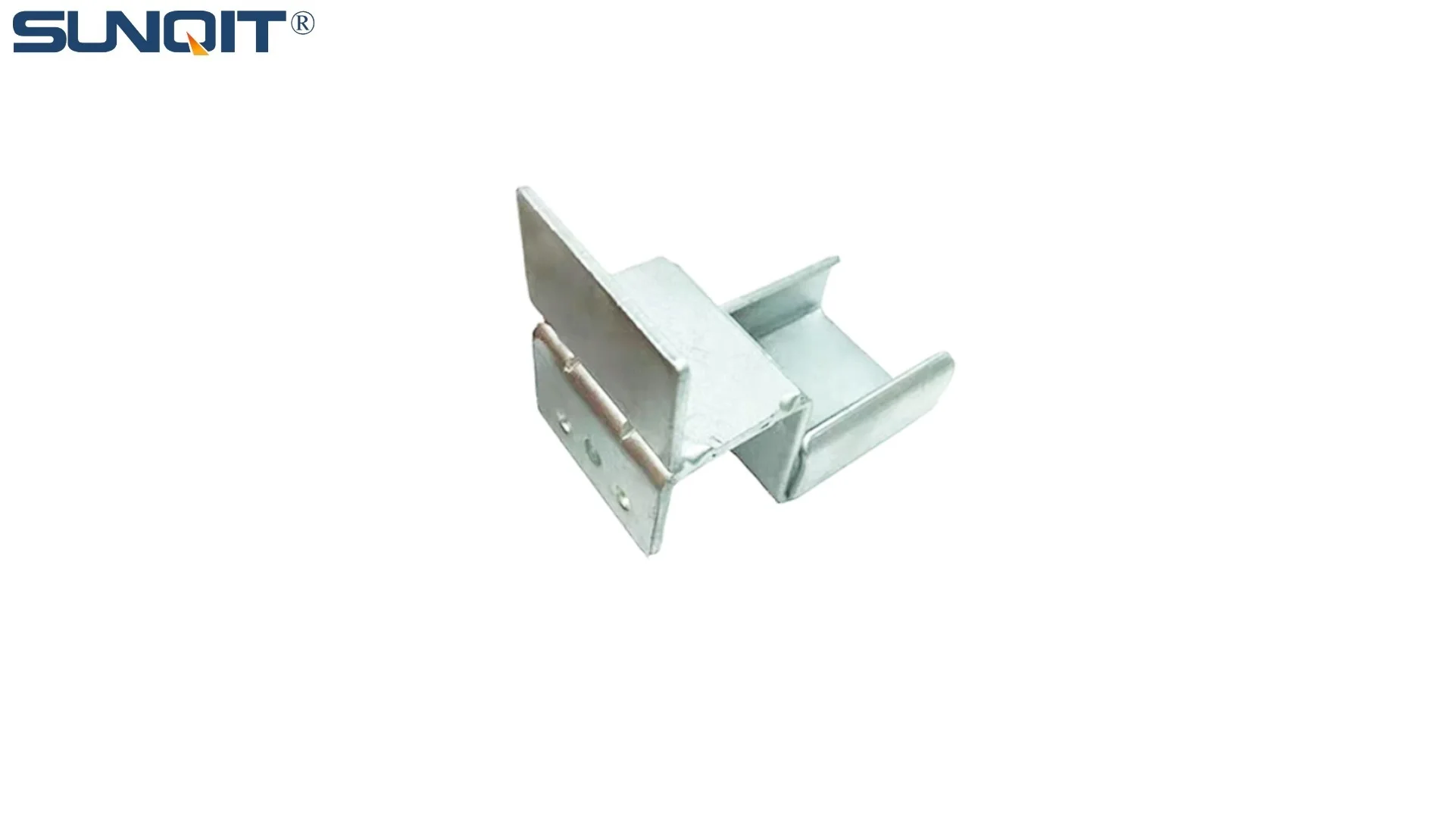
End Support for Roller Track Placon Mount with Stop
Roller track placon mount work as a connector for roller track and pipe or aluminum profile in rack syetem, it is a necessary parts in rack system which widely used in industrial plant and logistic,warehouse storage.
Imagine walking through a busy manufacturing plant—conveyors hum, workers focus on assembling components, and materials glide smoothly along roller tracks. But pause for a second: have you ever noticed the split-second tension when a box teeters on the edge of a track, or a loose component slides toward the end, threatening to crash to the floor? These small moments aren't just distractions; they're silent risks to both your team's safety and your production line's efficiency. In the fast-paced world of manufacturing, where every second counts, workplace safety shouldn't be an afterthought. That's where the right equipment makes all the difference—and today, we're diving into a game-changer: the End Support for Roller Track Placon Mount with Stop Features . This unassuming yet critical component is quietly revolutionizing how factories protect their most valuable asset: their people.
The Hidden Risks of Unsecured Roller Tracks
Let's start with the basics: roller tracks are the backbone of material handling in nearly every manufacturing setting. From moving circuit boards in 3C assembly lines to transporting medical devices in cleanrooms, they keep production flowing. But here's the catch: traditional roller tracks often lack proper end support, turning them into accident waiting zones. Without a reliable stop mechanism, materials can slide off the track, causing:
- Damaged components (costing time and money to replace)
- Slips, trips, or falls for workers rushing to catch falling items
- Production delays as teams pause to clean up messes or repair equipment
- Long-term ergonomic strain from workers overreaching to stabilize loads
A recent study by the Manufacturing Safety Association found that 23% of material handling accidents in factories stem from "uncontrolled load movement"—a category that includes items sliding off tracks. For plant managers, these stats aren't just numbers; they're a wake-up call to invest in solutions that prioritize safety without slowing down operations.
Meet the Hero: End Support for Roller Track Placon Mount with Stop Features
So, what makes this end support different? Let's break it down. Designed with precision and safety in mind, the End Support for Roller Track Placon Mount with Stop Features is more than just a "stopper." It's a thoughtfully engineered component that blends durability, functionality, and ease of use to address the root causes of track-related accidents.
Key Features That Make a Difference
- Integrated Stop Mechanism: A built-in stop bar at the track's end acts like a reliable "handbrake," gently halting materials before they reach the edge. No more last-minute grabs or crashing components.
- Sturdy Aluminum Profile Construction: Made from high-grade aluminum extrusion profile, this support isn't just lightweight—it's tough. Aluminum's natural resistance to corrosion and warping means it stands up to daily wear, even in high-moisture or dusty environments.
- Placon Mount Design: The placon mount system ensures a snug, vibration-resistant fit to aluminum profiles. Unlike loose bolts or flimsy brackets, this design keeps the end support locked in place, reducing "wobble" that can destabilize tracks over time.
- Versatile Compatibility: Whether you're using a 40mm steel roller track, 85 staggered roller track, or even a mini aluminum roller track, this end support adapts. It works seamlessly with most roller track systems, making upgrades easy for existing setups.
- Quick Installation & Low Maintenance: With pre-drilled holes andaluminum profile accessories (like placon mount connectors), setup takes minutes—no need for specialized tools. And since aluminum resists rust, cleaning is as simple as a quick wipe-down.

How It Actually Enhances Workplace Safety
Safety isn't just about "checking boxes"—it's about creating an environment where workers feel confident, not cautious. Let's look at how this end support transforms daily operations:
1. Prevents Load Slippage (The Most Common Risk)
Picture this: a loaded turnover trolley rolls onto a roller track, gaining speed as it moves toward a workstation. Without a stop feature, it might slide off the end, crashing into a workbench or a worker's foot. The end support's stop bar catches it smoothly, turning a potential accident into a non-event. In 3C assembly lines, where delicate circuit boards are transported, this means fewer damaged parts and less downtime for repairs.
2. Reduces Worker Fatigue & Strain
When tracks lack proper end support, workers often hover near the edges, ready to "catch" items. This constant vigilance leads to mental and physical fatigue—strained shoulders from tensing up, or neck pain from craning to watch loads. With the stop feature, they can focus on their tasks, knowing materials won't unexpectedly slide. It's a small change that adds up to happier, more productive teams.
3. Stabilizes Tracks for Long-Term Reliability
Wobbly tracks aren't just annoying—they're dangerous. Over time, loose end supports cause tracks to shift, creating uneven surfaces that jostle materials or even derail them. The placon mount design and aluminum profile base eliminate this: the support stays rigid, keeping the track level and stable. In automotive manufacturing, where heavy engine parts move along tracks, this stability is critical to avoiding costly (and dangerous) jams.
Safety Performance: Traditional vs. With Stop Features
| Metric | Traditional Roller Track End | With End Support (Stop Features) |
|---|---|---|
| Load slippage incidents/year | 12-15 (avg. in mid-sized factories) | 0-2 (based on user feedback) |
| Worker-reported "near-miss" events | 8-10/month | 1-2/month |
| Track maintenance downtime | 4-6 hours/quarter (due to loose parts) | 1-2 hours/quarter (minimal checks) |

Fitting Seamlessly Into Your Lean System
For manufacturers who live and breathe lean system principles—"eliminate waste, continuous improvement, respect for people"—safety and efficiency go hand in hand. This end support isn't just a safety tool; it's a lean tool. Here's how:
- Waste Reduction: Damaged materials, downtime from accidents, and excess inventory (stockpiled to "buffer" against losses) are all forms of waste. By preventing slippage, the end support cuts these costs, letting you redirect resources to value-adding tasks.
- Sustainable Improvement: Lean isn't about one-time fixes. The end support's modular design means you can adjust it as your needs change—swap out roller tracks, add extensions, or repurpose it in a new line. It's built to grow with your lean journey, not get replaced.
- Respect for People: At the heart of lean is valuing your team. When workers see investments in their safety—like a reliable end support—they feel trusted. This boosts morale, which studies show correlates with 15-20% higher productivity.

Real-World Impact: How Industries Are Using It
Safety needs vary by industry, but the end support's adaptability makes it a star across manufacturing sectors. Let's look at a few examples:
3C Assembly Lines
In 3C manufacturing (think smartphones, laptops), precision is everything. Delicate screens and tiny chips move along mini aluminum roller tracks. A single slip could scratch a screen or misalign a component, ruining hours of work. Factories using the end support report a 90% drop in "scratch incidents"—and workers no longer rush to "babysit" the tracks, freeing up time for detailed assembly work.
Medical Device Manufacturing
Cleanrooms in medical device plants demand sterile, low-maintenance equipment. Aluminum's corrosion resistance and easy cleaning make the end support ideal here. One medical supplier noted that after installing the supports, their track systems stayed "sterile-ready" between deep cleans, reducing the risk of contamination from rust or trapped debris.
Automotive Parts Warehouses
Heavy engine parts and bulky car panels require sturdy tracks—often 85 steel roller tracks. The end support's aluminum profile base and stop bar handle these weights effortlessly. A major auto parts warehouse in Guangdong shared that after upgrading, they saw zero "load run-off" accidents in six months, saving an estimated $40,000 in damaged parts and repair costs.
Building a Complete Safety Ecosystem
The end support is powerful on its own, but it shines brightest when paired with other safety-focused components. Here's how it fits into a larger system:
- ESD Workbenches: In electronics manufacturing, static electricity is a hidden threat. Pair the end support with an ESD workstation (like Workbench E) to create a zone where materials are both physically secure and electrostatically protected.
- Conveyors & Flow Racks: When roller tracks feed into conveyors or flow racks , the end support ensures smooth transitions. No more materials getting stuck at the "track-to-conveyor" gap—a common cause of jams and worker injuries.
- Anti-Slip Casters: For mobile setups (like turnover trolleys with caster wheels), add anti-slip leveling feet to your workbench or track base. Combined with the end support, this creates a "double layer" of stability, even on uneven factory floors.
Why Your Supplier Matters: More Than Just a Part
Not all end supports are created equal. To get the safety and durability you need, look for a supplier who understands both engineering and your industry's unique challenges. Here's what to ask:
- Do they prioritize customization? Every factory has unique track layouts. A good supplier (like those offering lean solution services) will help you adapt the end support to your specific roller track type, load weight, and space constraints.
- Do they use high-quality materials? Cheap steel or flimsy plastic supports might save money upfront, but they'll warp or break quickly—putting safety at risk. Look for suppliers who use premium aluminum extrusion profiles and test their parts for durability.
- Do they "speak lean"? The best suppliers don't just sell parts—they partner with you to improve your entire process. Ask if they offer training on integrating the end support into your lean system, or if they can suggest complementary products (like flow racks or workbenches) to boost safety further.
Investing in Safety: The Best ROI You'll Make
At the end of the day, workplace safety isn't an expense—it's an investment. The End Support for Roller Track Placon Mount with Stop Features might seem like a small component, but its impact ripples through your factory: fewer accidents, happier workers, smoother production, and lower costs. It's a reminder that safety and efficiency don't have to compete—they can work together, hand in hand.
So, the next time you walk through your plant, take a closer look at those roller tracks. Are they just moving materials… or are they protecting your team? With the right end support, the answer can be both.