- Company Articles
- Products and Technology
- Product knowledge
- Environmental Benefits of Aluminum Vertical Lean Pipe Joints in Green Manufacturing

Environmental Benefits of Aluminum Vertical Lean Pipe Joints in Green Manufacturing
Related Product
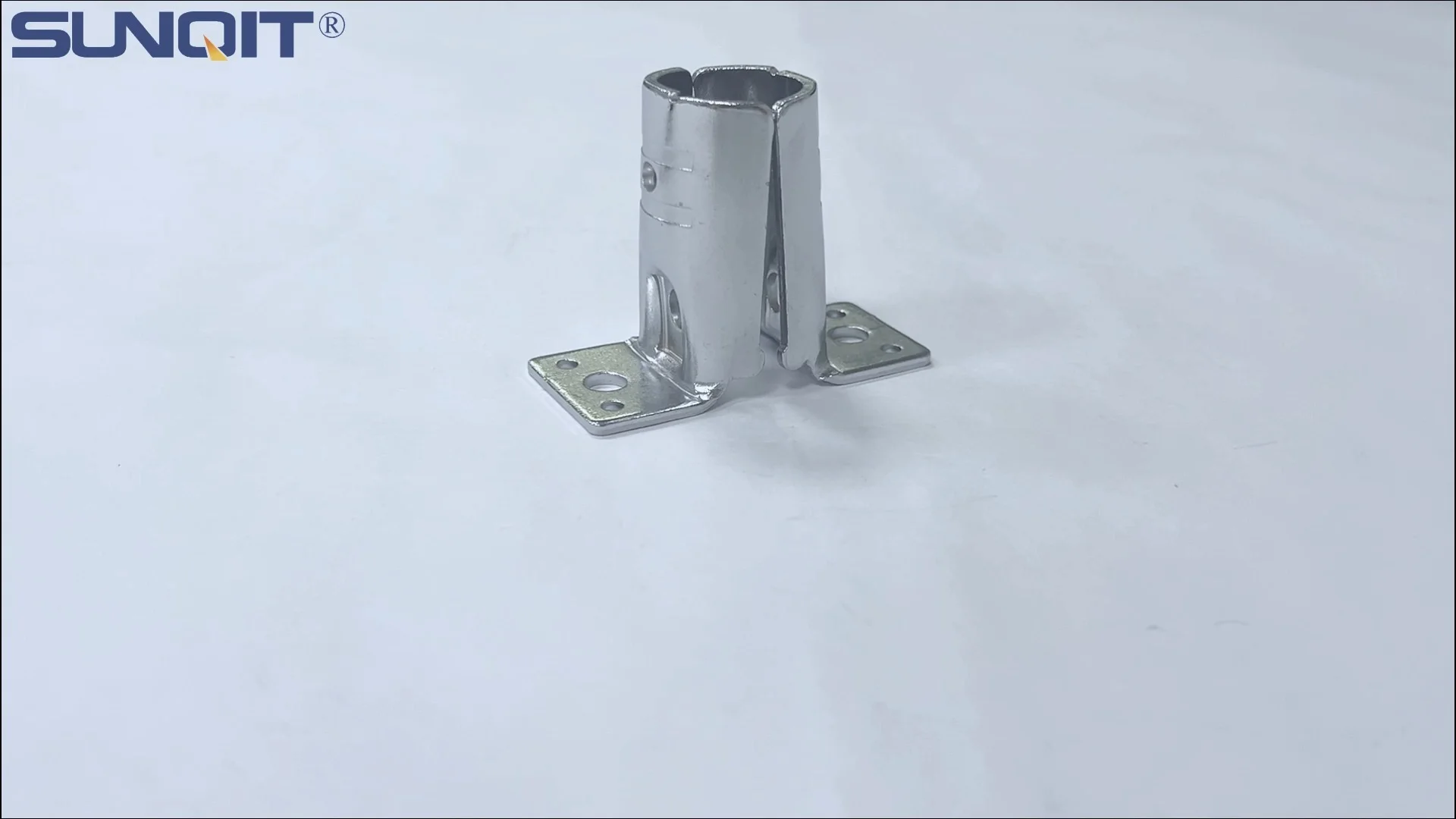
Vertical Lean Pipe Joint
Vertical lean pipe joint is used for 28mm lean pipe fixed on ground and keep it stable.
In an era where climate change and resource depletion dominate global conversations, green manufacturing has evolved from a buzzword to a critical business imperative. Companies worldwide are reevaluating their production processes, supply chains, and material choices to reduce environmental footprints while maintaining efficiency. At the heart of this transformation lies the search for sustainable materials that can align with lean manufacturing principles—eliminating waste, optimizing workflows, and minimizing resource use. One such material making waves in the industry is aluminum, particularly in the form of aluminum vertical lean pipe joints . These unassuming components are quietly revolutionizing factory floors, offering a blend of durability, adaptability, and eco-friendliness that traditional materials like steel or plastic simply can't match. Let's dive into how these innovative joints are driving environmental progress in manufacturing.
The Rise of Aluminum in Lean Manufacturing
Lean manufacturing, born from the Toyota Production System, focuses on "doing more with less"—less time, less space, less labor, and crucially, less waste. To achieve this, manufacturers rely on tools and systems that are flexible, modular, and easy to reconfigure. For decades, steel pipes and plastic components were the go-to for building workbenches, material racks, and production lines. However, steel is heavy, prone to corrosion, and energy-intensive to produce, while plastic often lacks durability and contributes to long-term waste issues. Enter aluminum: a material that checks all the boxes for lean and green manufacturing.
Aluminum lean pipe , often paired with precision-engineered accessories, has emerged as a superior alternative. Made from aluminum extrusion profiles —created by forcing molten aluminum through a die to form consistent, custom cross-sections—these pipes offer remarkable strength-to-weight ratios. They're lightweight enough to simplify transport and assembly, yet sturdy enough to withstand the rigors of industrial use. But what truly sets aluminum apart is its environmental credentials. Unlike steel, which requires extensive mining and processing, or plastic, derived from fossil fuels, aluminum is infinitely recyclable, energy-efficient to produce (especially when recycled), and designed for longevity. When combined with vertical lean pipe joints—components that enable quick, tool-free assembly and disassembly—aluminum becomes a cornerstone of sustainable manufacturing systems.
Environmental Benefits Breakdown
The environmental advantages of aluminum vertical lean pipe joints extend far beyond their lightweight design. Let's break down their impact across key sustainability metrics:
1. Recyclability and the Circular Economy
Aluminum is often called the "eternal metal" for a reason: it can be recycled indefinitely without losing structural integrity. According to the Aluminum Association, nearly 75% of all aluminum ever produced is still in use today—a testament to its circular potential. For manufacturers, this means that when an aluminum lean pipe system reaches the end of its initial lifespan, it doesn't end up in a landfill. Instead, the pipes, joints, and aluminum pipe accessories can be melted down and recast into new components, requiring just 5% of the energy needed to produce primary aluminum from bauxite ore. This energy savings translates to a 95% reduction in greenhouse gas emissions compared to virgin production. For example, recycling one ton of aluminum saves approximately 14,000 kWh of electricity—enough to power a typical U.S. home for over a year. In contrast, steel recycling saves only 60-74% of energy, and plastic recycling often results in downcycling (reduced-quality material), making aluminum the clear winner for circularity.
2. Material Efficiency: Precision Engineering Reduces Waste
The production of aluminum extrusion profiles is a masterclass in material efficiency. Unlike steel, which is often cut, welded, or bent on-site (generating significant scrap), aluminum profiles are extruded to exact specifications. This precision means manufacturers receive components that fit together seamlessly, minimizing the need for on-site modifications. For instance, a 10-foot aluminum lean pipe arrives pre-cut to length, with pre-drilled holes for joints—no sawing, grinding, or welding required. This reduces waste from "offcuts" by up to 40% compared to traditional steel systems, where imprecise cutting often leaves 10-15% of material as scrap.
The magic doesn't stop there. Aluminum pipe accessories —such as connectors, brackets, and end caps—are designed to work in harmony with extrusion profiles, eliminating gaps or overlaps that would otherwise require extra material to fill. For example, a vertical lean pipe joint made from die-cast aluminum fits snugly over the pipe, creating a secure connection without the need for adhesives, welding rods, or excess fasteners. This modularity ensures that every piece of material serves a purpose, leaving little room for waste.
3. Energy Efficiency in Operations
The lightweight nature of aluminum lean pipe systems delivers tangible energy savings long after installation. Aluminum weighs roughly one-third of steel, so transporting aluminum pipes, joints, and accessories from suppliers to factories consumes significantly less fuel. A truckload of aluminum lean pipe can carry 3x more material than a truckload of steel pipe, reducing the number of trips needed and cutting transportation emissions by up to 66%. On the factory floor, this lightness also translates to easier handling: workers can reconfigure workbenches or material racks without heavy machinery, reducing reliance on fossil fuel-powered forklifts or cranes. Over time, this lowers a facility's overall energy consumption and carbon footprint.
When integrated into a lean system , aluminum vertical lean pipe joints amplify these benefits. Lean manufacturing thrives on minimizing non-value-added activities—like moving materials unnecessarily or waiting for tools—and aluminum's adaptability supports this. For example, a modular aluminum material rack can be positioned exactly where operators need it, reducing walking time and energy expenditure. Similarly, reconfiguring a production line to accommodate a new product takes hours instead of days, thanks to tool-free aluminum joints, keeping machines running and energy use optimized.
4. Longevity and Durability: Reducing Replacement Cycles
Sustainability isn't just about reducing waste today—it's about building systems that stand the test of time. Aluminum vertical lean pipe joints excel here, thanks to aluminum's natural resistance to corrosion. Unlike steel, which rusts when exposed to moisture or chemicals, aluminum forms a thin oxide layer that protects it from degradation. This makes aluminum lean pipe systems ideal for harsh industrial environments, from automotive plants with oil and coolant exposure to food processing facilities with frequent washdowns. In fact, aluminum systems typically last 15-20 years in heavy use—double the lifespan of plastic systems and 30% longer than untreated steel systems.
This longevity directly reduces environmental impact by extending replacement cycles. A manufacturer using steel pipe might need to replace rusted components every 5-7 years, generating waste and requiring new material production. With aluminum, that same manufacturer can reuse the same pipes and joints for decades, only replacing worn accessories (like casters or rollers) as needed. Even better, when a system is finally retired, its aluminum components are infinitely recyclable, closing the loop on resource use.
5. Waste Reduction Through Modularity
Perhaps the most impactful environmental benefit of aluminum vertical lean pipe joints is their ability to eliminate "built-in obsolescence." Traditional manufacturing systems—often made from welded steel or fixed plastic—are designed for a single purpose. When production needs change (e.g., a new product line, updated safety regulations, or shifted demand), these systems become obsolete and are often scrapped, creating mountains of construction waste. Aluminum lean pipe systems, by contrast, are modular by design. Vertical joints allow for quick disassembly, and aluminum profile components can be repurposed into entirely new structures.
Consider a electronics manufacturer that decides to shift from assembling smartphones to tablets. With a steel system, they might need to demolish existing workbenches and material racks, generating tons of scrap metal. With aluminum vertical lean pipe joints, they can simply take apart the old setup and reassemble the pipes into larger workbenches and taller material racks—no demolition, no waste. A study by the Lean Enterprise Institute found that manufacturers using modular aluminum systems reduced construction waste by 50-70% during reconfigurations compared to fixed systems. This not only cuts landfill contributions but also saves on the cost and energy of producing new materials.

Comparing Materials: Aluminum vs. Steel vs. Plastic
To truly appreciate aluminum's environmental edge, let's compare it to traditional manufacturing materials using key sustainability metrics:
| Metric | Aluminum Lean Pipe | Steel Pipe | Plastic Pipe |
|---|---|---|---|
| Recyclability | 95% energy savings vs. virgin production; infinite recyclability | 60-74% energy savings vs. virgin production; limited recyclability (loses quality after 2-3 cycles) | 3-5% energy savings vs. virgin production; often downcycled into lower-quality products |
| Lifespan (Industrial Use) | 15-20 years | 7-10 years (untreated); 10-15 years (galvanized) | 5-8 years (prone to degradation from heat/chemicals) |
| Weight (per linear foot) | 1.2 lbs (3/4" diameter) | 3.5 lbs (3/4" diameter) | 0.8 lbs (3/4" diameter) |
| Waste from Reconfiguration | 5-10% (modular, reusable components) | 40-60% (welded, fixed structures) | 20-30% (brittle, hard to disassemble) |
| Corrosion Resistance | High (natural oxide layer) | Low (requires coating; rusts without treatment) | Medium (prone to chemical degradation) |
The data speaks for itself: aluminum outperforms steel and plastic across nearly every sustainability metric, making it the material of choice for green manufacturing.

Real-World Impact: Case Studies in Sustainability
To put these benefits into context, let's explore how manufacturers are leveraging aluminum vertical lean pipe joints to drive environmental progress:
Case Study 1: Automotive Parts Manufacturer
A mid-sized automotive parts supplier in Michigan was struggling with high waste and energy costs from its steel pipe material handling system. The system, installed in 2010, was rusting in humid conditions, requiring frequent replacements, and was too heavy to reconfigure without forklifts. In 2022, the company switched to an aluminum lean pipe system with vertical joints. Within a year, they reported:
- A 35% reduction in waste from material handling, as aluminum components were lighter and easier to maneuver, reducing dropped or damaged parts.
- A 22% drop in energy use for transportation, as aluminum pipe shipments required 60% fewer truckloads than steel.
- Zero waste from system reconfigurations: When the company won a contract for electric vehicle parts, they repurposed 90% of their existing aluminum pipes and joints to build new racks, saving $45,000 in material costs and diverting 2 tons of steel from landfills.
Case Study 2: Electronics Assembly Plant
A consumer electronics plant in China was under pressure to meet strict sustainability goals from its European clients. The plant's plastic workbenches were warping in high temperatures, leading to annual replacements and 12 tons of plastic waste. Switching to aluminum lean pipe workbenches with vertical joints solved these issues. Key results included:
- A 75% reduction in workbench replacement costs, as aluminum workbenches showed no signs of degradation after 5 years.
- 8 tons of plastic waste avoided annually by eliminating disposable plastic components.
- Recycling revenue: When upgrading to a newer aluminum profile design, the plant recycled its old aluminum pipes, earning $3,200 from scrap metal sales—money that was reinvested in energy-efficient lighting.

Future of Aluminum Lean Systems in Green Manufacturing
As green manufacturing evolves, aluminum vertical lean pipe joints are poised to play an even bigger role. Innovations in material science are making aluminum stronger and lighter: new alloys, like those reinforced with carbon fiber, offer 20% higher strength while maintaining recyclability. The rise of 3D printing is also transforming aluminum pipe accessories —manufacturers can now print custom joints or brackets on-site using recycled aluminum powder, reducing lead times and transportation emissions.
Another trend is the integration of smart technology into aluminum systems. Sensors embedded in aluminum extrusion profiles can monitor temperature, vibration, or weight, alerting operators to maintenance needs before components fail. This predictive maintenance extends system lifespans further and reduces unexpected downtime, which often leads to rushed, wasteful repairs. In the future, we may even see "self-healing" aluminum alloys that repair small cracks automatically, though this technology is still in early development.
Perhaps most exciting is aluminum's role in circular manufacturing models. Forward-thinking companies are already offering "lease-a-system" programs, where they retain ownership of aluminum lean pipe systems and them at the end of a contract to refurbish and resell. This shifts the focus from selling products to selling services, incentivizing manufacturers to design for durability and recyclability. For example, a German supplier now leases aluminum workbenches to clients, guaranteeing 95% recyclability and charging based on usage. This model has reduced their clients' waste by 40% and increased aluminum reuse rates to 80%.
Conclusion: Building a Greener Future, One Pipe at a Time
Aluminum vertical lean pipe joints may seem like small components, but their environmental impact is profound. By combining recyclability, material efficiency, energy savings, longevity, and modularity, these joints are proving that sustainability and productivity can go hand in hand. For manufacturers, the choice is clear: switching to aluminum lean pipe systems isn't just good for the planet—it's good for the bottom line, too. Reduced waste, lower energy costs, and longer system lifespans translate to tangible financial benefits, making green manufacturing a win-win.
As we look ahead, the role of aluminum in green manufacturing will only grow. With innovations in alloys, smart technology, and circular business models, aluminum vertical lean pipe joints are set to become the backbone of sustainable production. So the next time you walk through a factory floor, take a closer look at those sleek, silver pipes and joints—they're not just building products; they're building a greener future.