- Company Articles
- Products and Technology
- Product knowledge
- Environmental Considerations: Choosing Four Way Straight Lean Pipe Joint for Harsh Conditions

Environmental Considerations: Choosing Four Way Straight Lean Pipe Joint for Harsh Conditions
Related Product
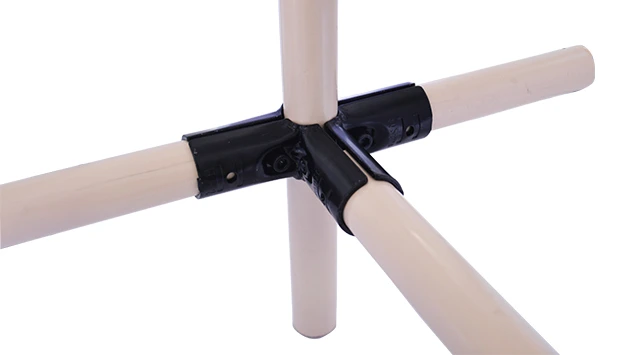
Four Way Straight Lean Pipe Joint
Four way lean pipe joint for 4 pcs 28MM lean pipe connection in straight angle, which used widely in workbench, flow rack, hand trolley frame connection.
In the world of manufacturing and industrial operations, the phrase "lean system" has become synonymous with efficiency, flexibility, and adaptability. From assembly lines in automotive plants to material handling in warehouses, lean systems rely on modular components that can be reconfigured, expanded, or repurposed to meet evolving needs. At the heart of these systems lies a seemingly small but critically important component: the lean pipe joint. And when it comes to harsh operating environments—where corrosion, extreme temperatures, heavy loads, or constant moisture threaten to derail productivity—one joint stands out for its versatility and resilience: the four way straight lean pipe joint.
But why does this specific joint matter so much in tough conditions? Imagine a food processing plant where daily washdowns with caustic chemicals are the norm, or a coastal manufacturing facility where salt-laden air eats away at metal components. In these settings, a poorly chosen joint isn't just a minor inconvenience—it's a ticking time bomb. Loose connections can lead to collapsed workbenches, jammed roller tracks, or halted production lines, costing businesses thousands in downtime and repairs. Worse, they put workers at risk of injury. That's why choosing the right four way straight lean pipe joint isn't just about checking a box on a procurement list; it's about protecting your team, your operations, and your bottom line.
What Defines "Harsh Conditions" in Industrial Settings?
Before diving into the specifics of four way straight lean pipe joints, let's clarify what we mean by "harsh conditions." These environments aren't just about dirt and grime—they're characterized by factors that actively degrade materials, compromise structural integrity, or disrupt system functionality. Here are the most common culprits:
- Corrosive Agents: Chemicals (acids, alkalis), saltwater or salt air (near coasts or marine facilities), and even certain cleaning solutions can corrode metal components over time.
- Extreme Temperatures: Freezers (-40°C or lower), foundries (200°C+), or outdoor installations in desert or arctic climates, where materials expand, contract, or become brittle.
- High Humidity & Moisture: Tropical warehouses, paper mills, or wastewater treatment plants, where constant dampness leads to rust, mold, or electrical issues.
- Mechanical Stress: Heavy loads (think automotive parts weighing hundreds of pounds), constant vibration from machinery, or frequent reconfiguration of lean systems.
- Abrasive Particles: Dust, sand, or metal shavings that wear down joint surfaces, causing looseness or jamming.
In these scenarios, the "one-size-fits-all" approach to lean pipe joints falls flat. A joint that works perfectly in a dry, temperature-controlled factory might fail within months in a humid, corrosive environment. That's where the four way straight lean pipe joint comes into play—but only if it's designed and built to withstand these challenges.
The Critical Role of Four Way Straight Lean Pipe Joints in Lean Systems
Lean systems thrive on connectivity. They're built by linking aluminum lean pipe, stainless steel pipe series, or other materials into structures like workbenches, flow racks, or turnover trolleys. The four way straight lean pipe joint is the unsung hero of this connectivity: it allows pipes to intersect at 90-degree angles in four directions (up, down, left, right), creating stable, multi-dimensional frameworks. Unlike simpler two-way or three-way joints, it enables the creation of complex structures—like a multi-tiered material rack B (3 row and 3 floor) or a workbench with integrated roller track for seamless material flow.
In harsh conditions, this versatility becomes even more valuable. For example, a chemical plant might need a custom workbench with a roller track on one side for moving hazardous materials and a storage rack on the other for tools. A four way joint makes this possible by securely connecting the bench frame, roller track, and rack posts—all while resisting the corrosive fumes in the air. Similarly, a food processing facility might use four way joints to build a sanitizable flow rack that can be quickly disassembled for deep cleaning, then reassembled without losing stability.
But versatility alone isn't enough. In harsh environments, the joint must also be durable . A loose or degraded joint can't just be swapped out easily; in a busy plant, even 30 minutes of downtime to replace a joint can disrupt an entire shift's output. That's why material choice—whether stainless steel, aluminum, or another alloy—is the first and most critical decision when selecting a four way straight lean pipe joint.

Material Matters: Stainless Steel Pipe Series vs. Aluminum Lean Pipe Joints
When it comes to withstanding harsh conditions, two materials dominate the lean pipe joint market: stainless steel (from the stainless steel pipe series) and aluminum lean pipe. Each has its strengths and weaknesses, and the right choice depends on the specific challenges of your environment. Let's break them down.
| Feature | Stainless Steel Pipe Series Joints | Aluminum Lean Pipe Joints |
|---|---|---|
| Corrosion Resistance | Excellent. Contains chromium (10-30%), which forms a protective oxide layer that self-heals if scratched. Ideal for saltwater, chemicals, or high-moisture environments. | Very Good. Naturally forms a thin aluminum oxide layer that resists corrosion. Performs well in moderate humidity or light chemical exposure but may struggle with strong acids/alkalis. |
| Temperature Range | Wide. Can withstand -270°C (cryogenic) to 870°C (high heat), making it suitable for foundries, freezers, or outdoor use in extreme climates. | Moderate. Handles -40°C to 150°C well, but may weaken or warp at higher temperatures. Better for indoor or controlled-temperature settings. |
| Load Capacity | High. Dense and strong, stainless steel joints support heavier loads (up to 500kg+ per joint in some cases), ideal for automotive or heavy machinery parts. | Moderate. Lightweight but less dense than stainless steel; best for medium loads (200-300kg per joint). Good for applications where weight matters, like mobile trolleys. |
| Weight | Heavy. Adds bulk to systems, which can make reconfiguration harder and increase shipping costs. | Lightweight. Up to 60% lighter than stainless steel, making installation and adjustments easier for workers. |
| Cost | Higher upfront cost. Stainless steel is pricier than aluminum, but lower long-term maintenance costs in harsh environments. | Lower upfront cost. More budget-friendly for tight budgets, but may require more frequent replacement in highly corrosive settings. |
| Best For | Coastal facilities, chemical plants, food processing (high sanitization), foundries, marine applications. | Warehouses, electronics manufacturing, indoor assembly lines, moderate humidity environments. |
For example, a seafood processing plant near the ocean would benefit from stainless steel pipe series joints. The salt air and daily exposure to brine would quickly degrade aluminum, leading to joint failure. On the other hand, an electronics factory with climate control and minimal chemical use might opt for aluminum lean pipe joints to keep systems lightweight and easy to reconfigure for new product lines.

Key Features to Prioritize in Four Way Straight Lean Pipe Joints
Material is just the starting point. Even within stainless steel or aluminum, not all four way straight lean pipe joints are created equal. To ensure your joints hold up in harsh conditions, look for these critical features:
1. Corrosion Resistance Enhancements
While stainless steel and aluminum have inherent corrosion resistance, extra treatments can extend their lifespan in extreme environments. For stainless steel joints, look for "passivation"—a chemical process that removes free iron from the surface, strengthening the protective oxide layer. Some manufacturers also offer nickel-plated joints for added resistance to acids. For aluminum lean pipe joints, anodization (an electrolytic process that thickens the oxide layer) can boost durability, especially in humid or salty settings.
2. Load Rating and Tensile Strength
In environments with heavy loads—like automotive plants moving engine blocks or warehouses stacking pallets—joints must withstand constant stress without bending or breaking. Check the joint's load rating (usually listed in kg or lbs) and tensile strength (how much pulling force it can handle before snapping). A good rule of thumb: choose a joint rated for 20% more than your maximum expected load to account for sudden impacts or uneven weight distribution.
3. Temperature Stability
Extreme heat or cold can cause materials to expand, contract, or become brittle. For example, in a freezer warehouse, a joint that becomes brittle at -30°C might crack when workers try to adjust the system. Look for joints tested to perform in your specific temperature range. Stainless steel joints, as noted earlier, excel here—some grades (like 316 stainless steel) can handle cryogenic temperatures, while others (304 stainless steel) work well in high-heat settings.
4. Ease of Maintenance
In harsh conditions, maintenance is often a challenge. Joints that require special tools, lubricants, or frequent tightening are more likely to be neglected, leading to premature failure. Opt for joints with tool-free assembly (like clamp-style designs) or those that can be disassembled with basic wrenches. For example, some four way straight lean pipe joints use a simple bolt-and-nut system that workers can tighten quickly during routine inspections—no need for specialized training.
5. Compatibility with Other Components
A joint is only as useful as its ability to work with other parts of your lean system. In harsh environments, this compatibility becomes even more critical. For instance, if you're using a roller track to move materials, the joint must securely attach the track to the frame while maintaining the track's alignment. Misaligned roller tracks can cause jams, which are especially problematic in food processing (where jams trap debris and breed bacteria) or pharmaceutical manufacturing (where contamination risks are high). Look for joints designed to integrate seamlessly with aluminum profile, roller track, and workbench components—this ensures a smooth, low-friction system that resists jamming and wear.
The Role of Accessories: How Roller Track Enhances Joint Performance
While four way straight lean pipe joints are the backbone of a lean system, they rarely work alone. Accessories like roller track play a vital role in ensuring the entire setup functions smoothly in harsh conditions. Roller track—those sets of wheels or balls that allow materials to glide from one workstation to another—relies on stable, corrosion-resistant joints to maintain alignment and load distribution.
In corrosive environments, for example, plastic roller track guide rails (like yellow or grey plastic variants) can outperform metal rails by resisting chemical damage. But these rails need to be mounted securely to the frame, which is where four way joints come in. A stainless steel joint with a flat mounting bracket can anchor the plastic rail firmly, preventing it from shifting or warping over time. Similarly, in high-moisture settings, stainless steel swivel roller balls (1 inch or 0.5 inch) won't rust or seize up, ensuring materials flow freely even after repeated washdowns.
The key here is synergy: the joint holds the roller track in place, and the track reduces the stress on the joint by minimizing friction. Without a reliable joint, even the best roller track will fail—rails will sag, wheels will jam, and workers will be forced to manually push heavy loads, increasing the risk of strains or accidents.
Choosing a Reliable Lean Pipe Supplier: More Than Just a Vendor
Once you've nailed down the features you need, the next step is finding a lean pipe supplier who can deliver quality four way straight lean pipe joints. But this isn't just about ordering parts online—it's about partnering with a company that understands your environment, your challenges, and your long-term goals. Here's what to look for:
1. Industry-Specific Expertise
A supplier who specializes in food processing systems will know more about sanitation and chemical resistance than one focused on dry warehouses. Ask for case studies or references from businesses in your industry. For example, if you're in marine manufacturing, a supplier who has worked with shipyards will understand the unique challenges of saltwater corrosion and can recommend the best stainless steel pipe series joints for your needs.
2. Quality Certifications
Reputable suppliers back their products with certifications that verify quality and safety. Look for ISO 9001 (quality management), RoHS (restriction of hazardous substances, important for electronics), or NSF (food contact safety) certifications, depending on your industry. For stainless steel joints, ask for material test reports (MTRs) that confirm the alloy composition—this ensures you're getting 316 stainless steel, not a cheaper, less corrosion-resistant grade.
3. Customization Options
Off-the-shelf joints might not always fit your unique setup. Maybe you need a four way joint with a longer neck to accommodate thick aluminum profile, or a special coating for a chemical plant. A good supplier will offer customization—whether it's modifying the joint's design, adding a specific finish, or creating a custom bracket for roller track integration. Avoid suppliers who say "one size fits all"—in harsh conditions, one size rarely does.
4. Technical Support and After-Sales Service
Even the best joints can have issues, especially in untested environments. A supplier who offers technical support—whether via phone, email, or on-site visits—can help troubleshoot problems like loose connections or corrosion spots. Look for suppliers with a dedicated support team and a clear warranty policy (ideally 1-5 years, depending on the product). For example, if a batch of aluminum lean pipe joints starts corroding prematurely, a reliable supplier will replace them without hassle, saving you time and money.
Real-World Applications: How Four Way Straight Lean Pipe Joints Solve Harsh Environment Challenges
To bring this all to life, let's look at a few real-world scenarios where the right four way straight lean pipe joint made all the difference.
Case Study 1: Coastal Food Processing Plant
A seafood cannery in Maine struggled with frequent joint failures on their flow racks. The plant, located just 5 miles from the Atlantic Ocean, used standard steel joints that rusted within 6 months of installation, leading to bent racks and jammed roller tracks. After consulting with a lean pipe supplier specializing in corrosive environments, they switched to 316 stainless steel four way straight lean pipe joints with passivated surfaces. Two years later, the joints show no signs of rust, and maintenance costs have dropped by 40%. Workers report fewer jams, and the plant has increased production by 15% due to reduced downtime.
Case Study 2: Automotive Manufacturing in a Desert Climate
An automotive parts manufacturer in Arizona faced extreme temperature swings—up to 45°C in summer, dropping to 0°C at night. Their aluminum lean pipe joints, which worked well in their Michigan facility, began warping in the heat, causing workbenches to wobble and roller tracks to misalign. The solution? Upgrading to heat-resistant aluminum lean pipe joints with anodized coatings and stainless steel internal components. The new joints withstand the daily temperature fluctuations, and the plant has avoided costly shutdowns during peak production seasons.
Case Study 3: Pharmaceutical Cleanroom
A pharmaceutical company needed a lean system in their cleanroom, where strict sanitation rules require daily wipe-downs with alcohol-based cleaners. Their initial plastic joints degraded quickly from the chemicals, leaving sharp edges that could harbor bacteria. They switched to aluminum lean pipe joints with anodized surfaces, which resist alcohol damage and are easy to sanitize. The joints also integrated seamlessly with plastic roller track guide rails, creating a smooth, easy-to-clean material flow system that meets FDA standards.
Conclusion: Investing in Reliability for Long-Term Success
At the end of the day, choosing a four way straight lean pipe joint for harsh conditions is about more than materials and specs—it's about trust. Trust that the joint won't fail when your team is racing to meet a deadline. Trust that it will hold up when the weather turns extreme or the chemicals start flowing. Trust that your lean system will adapt and grow with your business, not hold it back.
Whether you opt for stainless steel pipe series joints for maximum corrosion resistance or aluminum lean pipe joints for lightweight flexibility, the key is to prioritize durability, compatibility, and supplier support. By doing so, you're not just buying a joint—you're investing in a system that keeps your operations running, your workers safe, and your business thriving, no matter what the environment throws your way.
So the next time you're reviewing your lean system components, take a closer look at those four way straight lean pipe joints. They might be small, but their impact on your success is anything but. Choose wisely, and they'll repay you in reliability, efficiency, and peace of mind for years to come.