- Company Articles
- Products and Technology
- Product knowledge
- Environmental Impact of Aluminum Vertical Lean Pipe Joints

Environmental Impact of Aluminum Vertical Lean Pipe Joints
Related Product
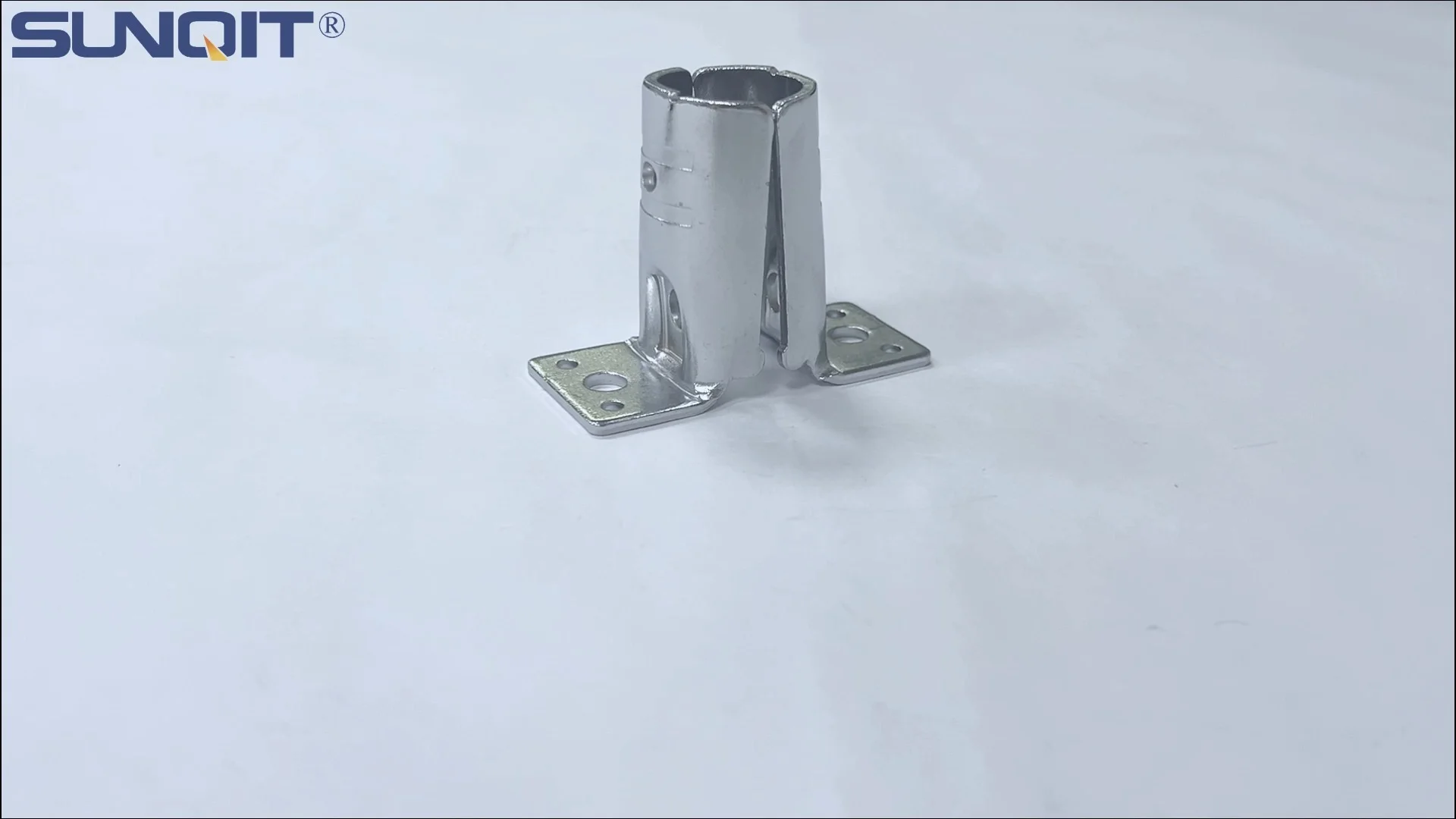
Vertical Lean Pipe Joint
Vertical lean pipe joint is used for 28mm lean pipe fixed on ground and keep it stable.
Introduction: The Intersection of Lean Systems and Sustainability
In today's manufacturing landscape, the push for efficiency and environmental responsibility has never been stronger. Lean systems, which focus on minimizing waste while maximizing productivity, have become a cornerstone of modern operational philosophy. But what many overlook is how the physical components of these systems—down to the smallest joints and pipes—play a critical role in their environmental footprint. Among these components, aluminum vertical lean pipe joints stand out as a quietly impactful choice, blending durability, adaptability, and sustainability in ways that traditional materials often cannot match.
Aluminum lean pipe systems, including their joints and accessories, have grown in popularity not just for their functional benefits—lightweight, corrosion-resistant, and easy to assemble—but also for their potential to reduce environmental harm across their entire lifecycle. From the moment bauxite is mined to create aluminum, through the extrusion process that shapes aluminum extrusion profiles, to the end-of-life recycling that gives the material new purpose, every stage of an aluminum vertical lean pipe joint's existence tells a story of sustainability. In this article, we'll explore that story, breaking down how these unassuming components contribute to greener manufacturing practices, support circular economy goals, and why they're becoming a go-to for companies aiming to align lean principles with environmental stewardship.
Material Sourcing: Aluminum's Green Foundation
From Bauxite to Recycled Content: A Lower-Impact Start
Aluminum's journey begins with bauxite, a reddish ore rich in aluminum oxide. Mining bauxite does have environmental impacts, including habitat disruption and water usage, but the industry has made significant strides in mitigating these effects through better land rehabilitation practices and water recycling. However, the real environmental advantage of aluminum lies not in its primary production, but in its recyclability. Unlike many materials, aluminum can be recycled repeatedly without losing quality—and recycling it requires just 5% of the energy needed to produce new aluminum from bauxite. This statistic alone makes recycled aluminum a game-changer for sustainability.
Many aluminum vertical lean pipe joint manufacturers now prioritize using high percentages of recycled aluminum in their production. For example, a typical aluminum profile used in lean systems might contain 70-90% recycled content, sourced from scrap metal from old machinery, construction waste, or even discarded beverage cans. This reliance on recycled material drastically reduces the carbon footprint of the final product, as it skips the energy-intensive steps of mining and refining virgin bauxite. By choosing aluminum over materials like steel or plastic, manufacturers are not just selecting a durable material—they're voting for a supply chain that prioritizes resource conservation.

Production Processes: Energy Efficiency in Aluminum Extrusion
Aluminum Extrusion Profile Manufacturing: Less Energy, More Precision
The production of aluminum vertical lean pipe joints and the aluminum pipes they connect relies heavily on aluminum extrusion, a process where heated aluminum billets are pushed through a die to create specific shapes—like the T-slot aluminum pipe or aluminum profile commonly used in lean systems. While extrusion does require energy to heat the aluminum to around 500°C (932°F), advancements in technology have made this process far more efficient than in decades past. Modern extrusion facilities increasingly use renewable energy sources, such as hydroelectric or solar power, to offset their carbon emissions. For example, facilities in Norway, where hydroelectric power is abundant, produce aluminum extrusion profiles with a carbon footprint up to 90% lower than the global average.
Compare this to the production of alternatives like steel or PE-coated lean pipe. Steel production involves mining iron ore, smelting it in blast furnaces (which emit large amounts of CO2), and then shaping it—processes that are far more energy-intensive than aluminum extrusion. PE-coated lean pipe, while cheaper upfront, involves manufacturing plastic coatings from petroleum, a non-renewable resource, and often results in a product that is difficult to recycle due to the mixed materials (plastic and metal). Aluminum vertical lean pipe joints, by contrast, are often made from a single material (aluminum alloy), simplifying production and reducing waste during manufacturing.
Even the machining of aluminum vertical lean pipe joints—drilling holes, shaping threads, or adding connectors—generates minimal waste. Aluminum shavings and offcuts from production are easily collected and recycled back into the manufacturing process, creating a closed loop that further reduces the material's environmental impact. This level of efficiency is hard to match with materials that produce non-recyclable waste or require toxic coatings.

Lifecycle Assessment: Durability That Reduces Waste
Longevity and Low Maintenance: Less Replacement, Less Waste
A product's environmental impact isn't just about how it's made—it's about how long it lasts. Aluminum vertical lean pipe joints excel here, thanks to aluminum's natural resistance to corrosion, rust, and wear. Unlike steel joints, which may require painting or galvanizing to prevent rust (adding both cost and environmental toxins), aluminum forms a thin, protective oxide layer when exposed to air, eliminating the need for chemical treatments. This resistance to degradation means aluminum joints can withstand harsh factory environments—humidity, temperature fluctuations, and exposure to oils or chemicals—for decades, reducing the frequency of replacements.
Consider a typical manufacturing setup: a lean system using steel joints might need replacement every 5-7 years due to rust, while an aluminum system could last 15-20 years with minimal maintenance. Fewer replacements mean less demand for new materials, fewer shipments (which cut down on transportation emissions), and less waste sent to landfills. For companies running 24/7 operations, this durability also translates to less downtime for repairs, aligning with lean principles of efficiency while benefiting the planet.
Maintenance is another area where aluminum shines. Cleaning an aluminum joint requires nothing more than a damp cloth; no harsh solvents or specialized cleaners are needed. This not only reduces the use of toxic chemicals but also lowers operational costs. In contrast, plastic joints might degrade under UV light or chemical exposure, requiring frequent replacements, while PE-coated lean pipe can chip or peel, exposing the underlying metal to corrosion and creating microplastic waste.

End-of-Life Management: Aluminum's Recyclable Superpower
Closing the Loop: From Scrap to New Joints
The true sustainability of a material is tested at the end of its life, and here aluminum vertical lean pipe joints deliver spectacularly. Aluminum is one of the most recyclable materials on the planet, with a recycling rate of over 90% in many industries. When an aluminum joint reaches the end of its useful life in a lean system, it can be melted down and recast into a new joint, aluminum profile, or even a completely different product—all without losing structural integrity. This closed-loop recycling is a cornerstone of the circular economy, where waste is minimized, and resources are kept in use for as long as possible.
The energy savings from recycling aluminum are staggering. Producing one ton of recycled aluminum saves 95% of the energy required to produce one ton of virgin aluminum, which translates to reducing CO2 emissions by approximately 9 tons per ton of recycled material. For a manufacturer using 100 tons of aluminum lean pipe annually, switching to 100% recycled content could save enough energy to power 200 homes for a year. These numbers make aluminum a clear choice for companies aiming to reduce their carbon footprint.
Compare this to alternatives like PE-coated lean pipe, which combines metal and plastic. Separating these materials for recycling is labor-intensive and often not economically viable, leading most of these pipes to end up in landfills. Steel, while recyclable, still requires more energy to recycle than aluminum and may lose some strength in the process, limiting its reuse in high-stress applications like lean system joints. Aluminum's ability to be recycled infinitely without degradation makes it a far more sustainable option for long-term environmental health.
Comparing Materials: How Aluminum Stacks Up
| Material | Embodied Energy (MJ/kg) | Expected Lifespan (Years) | Recyclability Rate | Maintenance Requirements | Carbon Footprint (kg CO2/kg) |
|---|---|---|---|---|---|
| Aluminum (Recycled) | 2.5-3.5 | 15-20 | 95% | Minimal (no coatings needed) | 0.5-0.8 |
| Steel (Virgin) | 30-35 | 5-7 (uncoated) | 85% | High (painting/galvanizing to prevent rust) | 1.8-2.2 |
| PE-Coated Lean Pipe | 20-25 (plastic + steel) | 3-5 (coating degrades) | <10% (mixed materials) | High (re-coating or replacement) | 1.5-1.9 |
| Aluminum (Virgin) | 180-200 | 15-20 | 95% | Minimal | 12-15 |
The table above highlights the stark differences in environmental impact between aluminum vertical lean pipe joints and their alternatives. Recycled aluminum, in particular, stands out for its low embodied energy (the total energy used to produce the material), long lifespan, and near-perfect recyclability. Even virgin aluminum, despite its higher initial energy use, outperforms steel and PE-coated pipe in longevity and recyclability, making it a better long-term investment for sustainability.
Sustainability in Action: Case Studies in Lean Systems
Real-World Examples of Environmental Gains
To understand the practical impact of aluminum vertical lean pipe joints, look no further than a mid-sized automotive parts manufacturer in Michigan. In 2019, the company replaced its steel-based lean system with an aluminum profile system, including aluminum vertical lean pipe joints and aluminum extrusion profiles. Within three years, they reported a 40% reduction in waste from system replacements, a 25% drop in maintenance costs, and a 15% reduction in carbon emissions linked to material sourcing and transportation. By using 85% recycled aluminum in their joints, they also qualified for local sustainability grants, offsetting the initial investment in the new system.
Another example comes from a electronics assembly plant in Malaysia, which switched to aluminum lean pipe systems to reduce its environmental impact. The plant, which produces circuit boards, previously used plastic-coated steel pipes that often cracked under the weight of components, leading to frequent replacements. After switching to aluminum vertical lean pipe joints and aluminum guide rails, they saw a 60% decrease in pipe waste and eliminated the need for toxic plastic coatings, improving indoor air quality for workers. When the plant expanded in 2022, they were able to reuse 90% of their existing aluminum components, further cutting down on new material purchases.
These case studies demonstrate a key point: sustainability and lean systems are not opposing goals. In fact, they reinforce each other. Aluminum vertical lean pipe joints support lean principles by reducing waste (fewer replacements), improving efficiency (less downtime), and lowering costs (minimal maintenance), all while reducing environmental harm. For companies, this means aligning operational success with corporate social responsibility—a win-win for both the bottom line and the planet.
Challenges and Innovations: Overcoming Barriers to Adoption
Addressing Cost and Expanding Recycled Content
Despite their benefits, aluminum vertical lean pipe joints do face challenges, most notably upfront cost. Recycled aluminum is more expensive than steel or plastic, which can deter companies focused solely on short-term budgets. However, as the Michigan and Malaysia examples show, the lifecycle cost—considering durability, maintenance, and recycling—often makes aluminum the cheaper option over time. To address this barrier, many aluminum suppliers now offer leasing or buyback programs for used joints, allowing companies to recoup some costs when systems are upgraded or retired.
Innovation is also driving down environmental impacts further. Some manufacturers are experimenting with "green extrusion" processes, using 100% renewable energy (wind, solar, hydro) to power aluminum extrusion profile production. Others are developing lighter aluminum alloys that maintain strength while using less material, reducing both weight and resource use. For example, a new aluminum profile design for lean pipe joints uses 15% less aluminum than traditional designs but retains the same load-bearing capacity, cutting embodied energy and transportation emissions.
Another area of innovation is modularity. Aluminum vertical lean pipe joints are often designed to be compatible with a range of aluminum pipe accessories, making it easy to reconfigure systems without replacing entire components. This modularity supports the "circular economy" model, where products are designed for disassembly and reuse. A workbench built with aluminum joints can be taken apart, and its components repurposed into a material rack or turnover trolley, extending their useful life and reducing waste.
Future Trends: Aluminum's Role in the Next Generation of Lean Systems
Smart Manufacturing and Circular Economy Integration
Looking ahead, aluminum vertical lean pipe joints are poised to play an even larger role in sustainable manufacturing. One emerging trend is the integration of IoT sensors into aluminum profiles, allowing companies to monitor joint stress, temperature, and wear in real time. This "smart" maintenance prevents unexpected failures, extending the life of the system and reducing waste. For example, a sensor in an aluminum vertical joint could alert operators to a loose connection before it breaks, avoiding costly downtime and the need for replacement parts.
Another trend is the rise of "closed-loop supplier networks." Forward-thinking aluminum profile suppliers are now offering take-back programs, where old aluminum joints and pipes are collected, recycled, and turned into new components for the same customer. This creates a circular system where waste is eliminated, and materials stay within the supply chain indefinitely. A handful of suppliers have already achieved "zero waste" status by implementing this model, and more are following suit as customer demand for sustainability grows.
Finally, as companies aim to achieve net-zero carbon goals, aluminum vertical lean pipe joints will become a key tool in their arsenals. With the aluminum industry targeting a 30% reduction in carbon emissions by 2030 (via increased recycling and renewable energy use), the environmental benefits of these joints will only strengthen. For manufacturers, choosing aluminum isn't just a practical decision—it's a statement about their commitment to a sustainable future.
Conclusion: Small Joints, Big Impact
Aluminum vertical lean pipe joints may seem like minor components in the grand scheme of manufacturing, but their environmental impact is anything but small. From their reliance on recycled content and energy-efficient production to their long lifespans and recyclability, these joints embody the principles of sustainability and lean systems in equal measure. They prove that green manufacturing doesn't require sacrificing efficiency—in fact, the two often go hand in hand.
As more companies recognize that sustainability is not just a buzzword but a business imperative, aluminum lean pipe systems, including their vertical joints, will become standard equipment on factory floors worldwide. They are a testament to the idea that every choice in manufacturing matters—from the design of a workbench to the material of a single joint. In the end, the environmental impact of aluminum vertical lean pipe joints is clear: they're not just building better lean systems—they're helping build a better planet.