- Company Articles
- Products and Technology
- Product knowledge
- Ergonomic Design of Aluminum Workbench C: Enhancing Worker Comfort and Efficiency

Ergonomic Design of Aluminum Workbench C: Enhancing Worker Comfort and Efficiency
Related Product
Aluminum Workbench C
aluminum-tube-workbench-is-more-flexible-and-durable,-compared-with-traditional-pe/abs-coated-steel-tube.-it-is-easy-to-assemble,-anti-corrosion,-rust-protection,-and-recycle-use-after-disassemble.
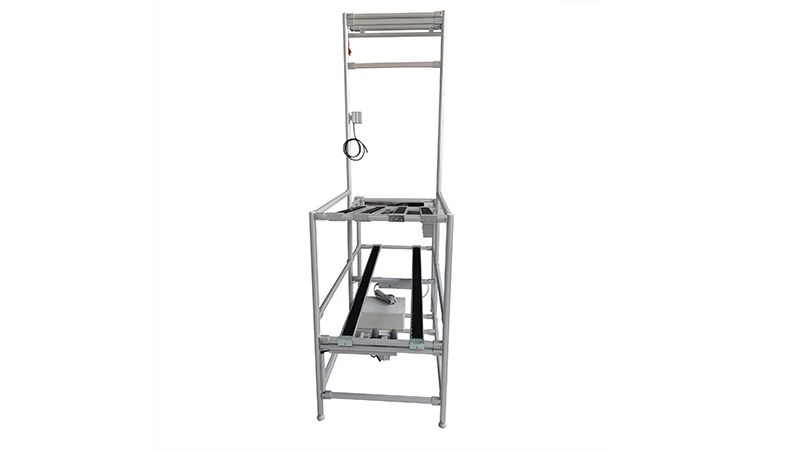
In the bustling rhythm of modern workshops, factories, and assembly lines, the workbench stands as more than just a piece of equipment—it's the silent backbone of daily operations. From intricate electronics assembly to heavy-duty manufacturing, every task hinges on how well the workspace supports the person behind it. In recent years, the shift toward prioritizing worker well-being has brought ergonomics to the forefront of workplace design, and at the heart of this movement lies innovations like the Aluminum Workbench C. More than just a surface to work on, this workbench is a testament to how thoughtful design can transform daily routines, turning tedious hours into productive, pain-free experiences. Let's dive into what makes Aluminum Workbench C a game-changer for workers and businesses alike.
The Core of Ergonomic Design: Putting People First
Ergonomics isn't just a buzzword—it's the science of fitting the workspace to the worker, not the other way around. A poorly designed workbench can lead to strained backs, tired shoulders, and even chronic injuries over time, all of which chip away at productivity and morale. The Aluminum Workbench C was crafted with this in mind, addressing three key pillars of ergonomic design: adjustability, accessibility, and comfort. By focusing on these areas, it doesn't just meet basic needs; it elevates the entire work experience, ensuring that every worker—regardless of height, task, or work style—can perform at their best without sacrificing health.
Aluminum Profile: The Material That Makes It All Possible
At first glance, you might wonder: why aluminum? The answer lies in the unique properties of aluminum profile, the building block of Aluminum Workbench C. Unlike heavy steel or flimsy plastic, aluminum profile strikes the perfect balance between strength and flexibility. It's lightweight enough to be maneuverable yet sturdy enough to support heavy tools and materials. Its natural resistance to corrosion means it holds up in busy, sometimes messy environments—think oil, dust, or spills—without rusting or warping. But perhaps most importantly, aluminum profile is inherently modular. This means the workbench isn't a one-size-fits-all structure; it's a canvas that can be customized with aluminum profile accessories, from tool holders to shelves, ensuring that every inch of space serves a purpose. For workers, this translates to a workspace that adapts to their needs, not the other way around.

Key Ergonomic Features of Aluminum Workbench C
1. Height Adjustability: One Workbench, Many Workers
Walk into any workshop, and you'll find workers of all heights—from 5'2" to 6'4"—all needing to use the same workbench. A fixed-height workbench forces shorter workers to reach up or taller ones to hunch over, both recipes for discomfort. Aluminum Workbench C solves this with its adjustable height feature. Whether manually adjusted via a hand crank or equipped with electric controls for seamless changes, the workbench can be set to heights ranging from 30 inches to 42 inches, ensuring that elbows rest at a comfortable 90-degree angle and shoulders stay relaxed. Imagine a technician who previously had to stack books under their feet to reach their tools now gliding through tasks with their workspace perfectly aligned—no more straining, no more wasted time adjusting. That's the power of adjustability.
2. Worksurface Design: Smooth, Spacious, and Safe
The worksurface is where the magic happens, and Aluminum Workbench C doesn't cut corners here. Crafted from an aluminum honeycomb panel, it's both lightweight and surprisingly strong, capable of supporting up to 500 pounds without bending. The surface itself is smooth to the touch, with rounded edges to prevent painful bumps—a small detail that makes a big difference during long shifts. What's more, the panel is non-porous, so spills wipe clean in seconds, and it resists scratches from sharp tools. For workers handling small parts, the spacious 60"x30" surface (customizable to larger sizes) means tools, materials, and finished products have their own designated spots, reducing clutter and the need to constantly reach across a crowded bench.
3. Mobility with Caster Wheels: Flexibility Without the Strain
In dynamic work environments, workbenches often need to move—whether to reconfigure a production line, make space for a new machine, or bring tools closer to a project. Traditional workbenches are heavy and cumbersome, requiring multiple people to lift or drag, risking injury. Aluminum Workbench C avoids this with its integrated caster wheels. These aren't just any wheels; they're heavy-duty, lockable caster wheels with rubber treads that glide smoothly over concrete floors without scratching. Need to move the bench? Unlock the wheels, give it a gentle push, and reposition it with minimal effort. Once in place, lock the wheels, and the bench stays rock-solid—no wobbling, no slipping. This mobility turns a static workspace into a flexible one, letting workers adapt their environment to the task, not the other way around.
4. Integration with Lean Systems: Streamlining Workflow, Reducing Waste
Efficiency isn't just about speed—it's about working smarter, not harder. Aluminum Workbench C is designed to fit seamlessly into lean systems, the methodology focused on minimizing waste and maximizing value. Its modular design means it can be paired with accessories like material racks, tool hooks, and overhead lighting, all of which keep essential items within arm's reach. No more walking to a distant shelf for a wrench or searching through drawers for a screwdriver—everything has a place, and that place is right where you need it. This reduces "motion waste," a common culprit in slow production lines, and lets workers focus on what they do best: building, assembling, and creating. For managers, this translates to smoother workflows, fewer delays, and a team that feels empowered to work efficiently.
5. ESD Workstation Compatibility: Protecting Sensitive Work
For workers in electronics manufacturing, static electricity is a silent enemy. A single electrostatic discharge (ESD) can damage delicate components, leading to costly defects and rework. Aluminum Workbench C addresses this with optional ESD workstation features, including a conductive worksurface and grounding straps that channel static safely away from sensitive parts. This isn't just an add-on; it's a critical layer of protection that gives workers peace of mind, knowing their workspace won't sabotage their hard work. Whether assembling circuit boards or testing semiconductors, the ESD-compatible version of Aluminum Workbench C ensures that both the product and the process stay safe.

The Ripple Effect: Benefits Beyond Comfort
At first glance, the benefits of Aluminum Workbench C might seem limited to "feeling better at work," but the impact runs much deeper. When workers are comfortable, they're more focused—and focused workers make fewer mistakes. A study by the National Institute for Occupational Safety and Health (NIOSH) found that ergonomic workstations reduced error rates by up to 30% in manufacturing settings. Fewer mistakes mean less rework, lower costs, and faster turnaround times. Additionally, reduced physical strain leads to fewer sick days. Musculoskeletal disorders (MSDs) account for a third of all workplace injuries, and ergonomic interventions like adjustable workbenches have been shown to cut MSD-related absences by 50%. For businesses, this means a more reliable workforce and lower insurance costs. Perhaps most importantly, though, workers notice when their employer invests in their well-being. This boosts morale, increases loyalty, and makes the workplace a more positive place to be—something that's priceless in today's competitive job market.

Traditional vs. Aluminum Workbench C: A Clear Advantage
| Feature | Traditional Workbench | Aluminum Workbench C |
|---|---|---|
| Height Adjustment | Fixed; one-size-fits-none | Adjustable (30"-42"); fits all worker heights |
| Material | Heavy wood or steel; prone to warping/rusting | Lightweight aluminum profile; durable, corrosion-resistant |
| Mobility | Stationary; requires multiple people to move | Lockable caster wheels; easy to reposition alone |
| Lean System Integration | Limited; fixed design resists workflow changes | Modular with accessories; reduces motion waste |
| ESD Protection | Rarely included; risky for electronics work | Optional ESD workstation features; safe for sensitive components |
Real-World Applications: Where Aluminum Workbench C Shines
Aluminum Workbench C isn't a one-trick pony—it thrives in diverse environments. In automotive assembly plants, its mobility lets workers roll tools directly to the production line, cutting down on time spent fetching parts. In electronics labs, the ESD workstation features protect microchips and sensors from static damage. In warehouses, the adjustable height makes packing and sorting easier for teams of varying heights, while the durable aluminum surface stands up to daily wear and tear. Even in small workshops, the modular design means it can grow with the business—start with a basic setup, then add shelves, tool rails, or a second tier as needs change. No matter the industry, the common thread is clear: Aluminum Workbench C adapts to the work, not the other way around.
Customization: Making It Your Own
Every worker has unique needs, and Aluminum Workbench C embraces this with a wide range of accessories. Need extra storage? Add a material rack with three rows and three floors to keep supplies organized. Working with small parts? Attach swivel roller balls (1 inch or 0.5 inch) to the worksurface for easy sliding. Prefer a clean, minimalist look? Opt for aluminum guide rails in sleek silver or grey to keep cables and tools in line. Even the casters are customizable—choose from heavy-duty locking wheels for stability or swivel casters for 360-degree mobility. With aluminum profile accessories like end caps, hinges, and pipe clamps, the workbench can be tweaked, modified, and upgraded as needs evolve. This isn't just a workbench; it's a blank canvas for productivity.
Built to Last: Maintenance Made Simple
Investing in equipment is only worthwhile if it stands the test of time, and Aluminum Workbench C is built for longevity. Aluminum's natural resistance to rust and corrosion means it won't degrade in humid or dusty environments, and the smooth surface wipes clean with a damp cloth—no special cleaners needed. When parts do wear out (like caster wheels after years of use), replacement is easy. Most accessories, from caster wheel bearings to aluminum profile end caps, are standard sizes available from any lean pipe supplier, so you won't be stuck waiting for custom parts. This low-maintenance design ensures that the workbench stays in top shape for years, making it a smart long-term investment for any business.
Conclusion: Redefining the Workbench Experience
Aluminum Workbench C isn't just a piece of equipment—it's a statement. It says, "We value our workers, and we believe in setting them up for success." By blending ergonomic design with durable materials, mobility, and customization, it transforms the daily grind into a more comfortable, efficient, and enjoyable experience. From reducing strain and errors to boosting morale and productivity, the benefits are clear. In a world where every second and every dollar counts, Aluminum Workbench C proves that the best investments are the ones that put people first. So, whether you're running a large factory or a small workshop, it's time to ask: Is your workbench working for you, or against you? With Aluminum Workbench C, the answer is clear.