- Company Articles
- Products and Technology
- Product knowledge
- Ergonomic Workbench Design with Two Way Lean Pipe Joint

Ergonomic Workbench Design with Two Way Lean Pipe Joint
Related Product
Two Way Lean Pipe Joint
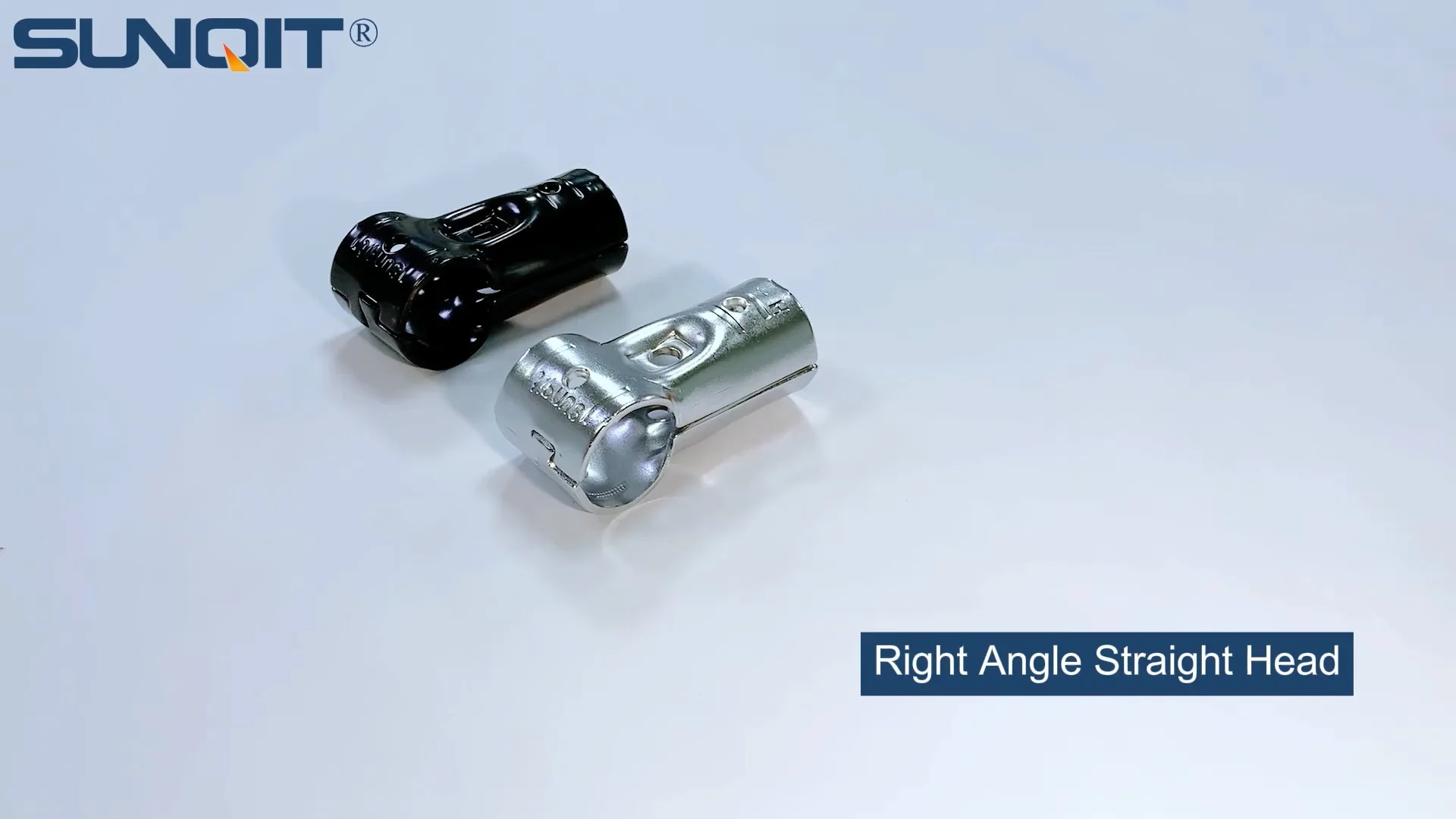
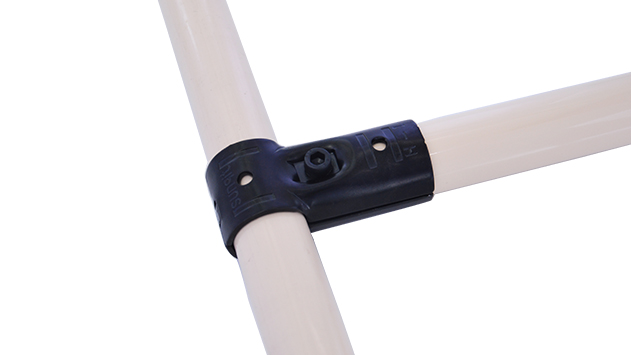
Two way lean pipe joint for 2 pcs 28MM lean pipe connection in straight angle, which used widely in workbench, flow rack, hand trolley frame connection.
Walk into any workshop, factory floor, or even a home garage, and you'll likely find a workbench standing at the center of the action. It's more than just a table—it's where ideas take shape, products get assembled, and problems get solved. But here's the thing: not all workbenches are created equal. For anyone who spends hours at a workbench—whether you're a mechanic, an assembler, or a hobbyist—ergonomics isn't just a buzzword. It's the difference between ending the day feeling accomplished or aching from head to toe.
Ergonomic design is about creating tools and spaces that fit the human body, not the other way around. Poorly designed workbenches force users into awkward postures: hunching over a too-low surface, stretching to reach tools, or straining to lift heavy materials. Over time, this leads to chronic issues like back pain, carpal tunnel syndrome, or repetitive strain injuries (RSIs). The good news? Modern solutions are changing the game, and one of the most innovative is the ergonomic workbench built with lean pipe systems—specifically, the two way lean pipe joint. Let's dive into how this simple yet clever component is revolutionizing workbench design, making spaces more flexible, comfortable, and productive.
The Rise of Lean Pipe Systems: Flexibility Meets Functionality
Before we get into the nitty-gritty of the two way lean pipe joint, let's talk about lean pipe systems. If you're not familiar, lean pipe—also called "kitchen pipe" in some circles—started as a cost-effective way to build production lines in manufacturing. Traditionally made from steel pipes coated in plastic (like the 1.5mm pe coated lean pipe you might find in suppliers' catalogs) or lightweight aluminum (aluminum lean pipe), these systems are all about modularity. Unlike rigid, fixed structures, lean pipe systems use simple joints and pipes to create everything from workbenches to material racks, and they can be reconfigured in minutes without welding or heavy tools.
What makes lean pipe so popular? It's the "lean" in the name. These systems are designed to eliminate waste—whether that's wasted space, wasted time, or wasted effort. And at the heart of this flexibility is the joint. Joints connect the pipes, and their design dictates how much you can adjust, modify, or repurpose your setup. Enter the two way lean pipe joint: a small but mighty component that's become a cornerstone of ergonomic workbench design.
Understanding the Two Way Lean Pipe Joint: The Unsung Hero of Flexibility
At first glance, a two way lean pipe joint might look like a simple piece of metal or plastic. But its design is surprisingly clever. Unlike fixed joints that lock pipes at a single angle (say, 90 degrees), a two way joint allows you to connect two pipes at adjustable angles—often 0 to 180 degrees—with a simple twist or bolt. Think of it as a universal connector that gives you the freedom to shape your workbench exactly how you need it.
Most two way joints are made from durable materials like chrome-plated steel or aluminum, built to withstand the wear and tear of daily use. They're designed to be tool-free or require only basic tools (like a hex key) for assembly, so you don't need to be a DIY expert to put them together. And here's the kicker: they're reusable. If you decide your workbench needs a taller shelf or a wider surface later, you can just loosen the joint, reposition the pipes, and tighten it back up. No need to buy a whole new workbench—just reimagine the one you have.
Why "Two Way" Matters: The "two way" label means the joint can connect two pipes, but its real power is in adjustability. For example, if you need a workbench that can switch between standing and sitting height (a must for ergonomics), the two way joint lets you raise or lower the legs by repositioning the pipes. Traditional fixed joints? They'd lock you into one height forever.
Designing Your Ergonomic Workbench: Step-by-Step with Two Way Joints
So, how do you build an ergonomic workbench using two way lean pipe joints? It starts with understanding your body and your workflow. Let's break down the key steps and features that make this design a game-changer.
1. Start with Height: The Foundation of Ergonomics
The number one ergonomic rule for workbenches is height. The ideal surface height depends on what you're doing: for tasks (like assembling small parts), your elbows should bend at 90 degrees when your hands rest on the surface. For heavier tasks (like using a vice), the surface might need to be lower to avoid straining your shoulders. With a traditional workbench, you're stuck with whatever height the manufacturer chose. With two way lean pipe joints? You're in control.
Here's how it works: The workbench legs are made from lean pipes connected by two way joints. By adjusting the angle of these joints, you can raise or lower the entire surface. For example, if you're 5'4" and your coworker is 6'2", you can tweak the joints to set the height from 34 inches (ideal for sitting) to 42 inches (better for standing) in minutes. No more "one size fits all" frustration.
2. Add Mobility with Caster Wheels
Ergonomics isn't just about how you stand or sit—it's also about how you move. If your workbench is bolted to the floor, you're forced to walk back and forth to grab tools or materials, wasting energy and increasing fatigue. That's where caster wheels come in. By attaching lockable caster wheels to the base of your lean pipe workbench, you turn it into a mobile workstation. Need to move it closer to a parts bin? Unlock the casters and roll. Want to stabilize it during use? Lock the wheels, and it stays put.
Caster wheels are easy to integrate with lean pipe systems, too. Many caster accessories (like castor install bases or fixed plates) are designed to fit standard lean pipe sizes, so you can bolt them directly to the legs using—you guessed it—two way joints for extra stability.
3. Customize with Shelves and Tool Racks
Clutter is the enemy of ergonomics. A messy workbench means you're constantly searching for tools, stretching to reach items, or knocking things over. With two way lean pipe joints, you can add shelves, tool hooks, or material racks exactly where you need them. Want a shelf above the work surface for frequently used tools? Connect a few pipes with two way joints at a 90-degree angle. Need a side rack for holding raw materials? Angle the joints to extend a pipe outward. The best part? If your needs change—say, you start working on larger projects—you can move the shelves or remove them entirely without rebuilding the whole bench.

Key Components: Beyond the Joint
While the two way lean pipe joint is the star, it doesn't work alone. To build a truly ergonomic workbench, you'll need a few other key components, many of which you'll find in any reputable lean pipe supplier's catalog. Let's highlight the most important ones:
- Aluminum Profile: For a lightweight yet sturdy frame, many modern lean pipe systems use aluminum profile (also called aluminum extrusion profile). Unlike traditional steel pipes, aluminum is rust-resistant, easy to maneuver, and just as strong for most workshop tasks. It also pairs perfectly with two way joints, since its smooth surface and T-slot design make connecting accessories (like shelves or tool holders) a breeze.
- Workbench Top: The surface itself matters. Look for materials like aluminum honeycomb panels (durable and lightweight) or anti-fatigue mats if you'll be standing for long periods. Some workbenches even come with adjustable tops (single deck-without caster models) that can tilt for tasks that require a sloped surface.
- Roller Tracks: If you're moving materials across the workbench (like sliding parts from one station to another), roller tracks (and their accessories, like plastic roller track guide rails) reduce friction, so you don't have to strain to push heavy items.

Traditional vs. Lean Pipe: A Comparison
Still not convinced that a lean pipe workbench with two way joints is worth the switch? Let's put it head-to-head with a traditional fixed workbench. The table below breaks down the key differences:
| Feature | Traditional Fixed Workbench | Lean Pipe Workbench with Two Way Joints |
|---|---|---|
| Adjustability | Fixed height and structure; no changes possible without modifications (like cutting legs). | Height, width, and layout fully adjustable via two way joints; reconfigure in minutes. |
| Assembly Time | Requires tools, bolts, and often professional installation (2-4 hours). | Tool-free or basic tools; snap-together joints mean assembly in under an hour. |
| Cost Over Time | High; if your needs change (e.g., new tasks, taller users), you'll need to buy a new bench. | Low; modular design lets you upgrade components (add shelves, casters) instead of replacing the whole bench. |
| Mobility | Stationary; often bolted to the floor. | Mobile with caster wheels; lockable for stability when needed. |
| Customization | Limited; pre-built shelves or hooks can't be moved. | Unlimited; add/remove shelves, racks, or tool holders anywhere using two way joints. |
The Benefits: More Than Just Comfort
At this point, you might be thinking, "Okay, it's adjustable and flexible—but does it really make that big a difference?" The short answer: yes. Here's how an ergonomic lean pipe workbench with two way joints impacts your workspace:
• Happier, Healthier Team Members
This is the big one. When workers aren't straining to reach tools or hunching over a too-low bench, they're less likely to call in sick with back pain or RSIs. A study by the Occupational Safety and Health Administration (OSHA) found that ergonomic workstations can reduce injury rates by up to 60%. That means fewer medical bills, less downtime, and a team that feels valued.
• Boosted Productivity
Time is money, and a well-designed workbench saves time. No more searching for tools buried in a drawer—they're right where you need them, thanks to customizable shelves. No more walking across the shop to grab materials—the mobile bench comes to you. And since the bench adapts to the task (not the other way around), you can switch from assembling small electronics to repairing large machinery without skipping a beat.
• Future-Proofed Workspace
Businesses change, and so do hobbies. Maybe next year you'll need to add a 3D printer to your workshop, or your team will start working on larger products. With a lean pipe system, you don't have to buy a whole new setup. Just adjust the two way joints, add a few more pipes, and your workbench evolves with you.
Real-World Example: A small electronics manufacturer in Ohio switched to lean pipe workbenches with two way joints last year. They reported a 25% increase in assembly speed after reconfiguring the benches to match each worker's height and adding mobile shelves for parts. "It's like night and day," said the plant manager. "Our team used to complain about sore shoulders; now, they're asking for more benches in the break room!"
Maintenance: Keeping Your Workbench in Top Shape
Like any tool, your lean pipe workbench needs a little TLC to stay in great condition. Here are a few simple maintenance tips:
- Check Joints Regularly: Over time, two way joints can loosen from vibration. Tighten them with a hex key every few months to keep the bench stable.
- Clean Pipes and Rollers: Dust and debris can build up on roller tracks or pipe surfaces, making them harder to adjust. Wipe them down with a damp cloth weekly.
- Inspect Caster Wheels: If your bench has casters, check for worn wheels or stuck locks. replace caster accessories (like bearings) as needed to keep movement smooth.
- Protect Against Rust: If you're using steel lean pipe, wipe up spills quickly to prevent rust. For extra protection, consider aluminum lean pipe or pe coated lean pipe, which are more resistant to moisture.
Conclusion: Invest in a Workbench That Works for You
Your workbench is more than just a piece of furniture—it's an investment in your health, your team, and your productivity. Traditional workbenches force you to adapt to their limitations; ergonomic lean pipe workbenches with two way lean pipe joints adapt to you. They're flexible, affordable, and built to grow with your needs.
So, whether you're setting up a new workshop or upgrading an old space, don't overlook the power of a well-designed workbench. With the right components—two way joints, aluminum profile, and a little creativity—you can build a workspace that's not just functional, but truly ergonomic. Your body (and your bottom line) will thank you.