- Company Articles
- Products and Technology
- Product knowledge
- Essential Accessories for Aluminum Pipe with Tray Holder Systems

Essential Accessories for Aluminum Pipe with Tray Holder Systems
Related Product
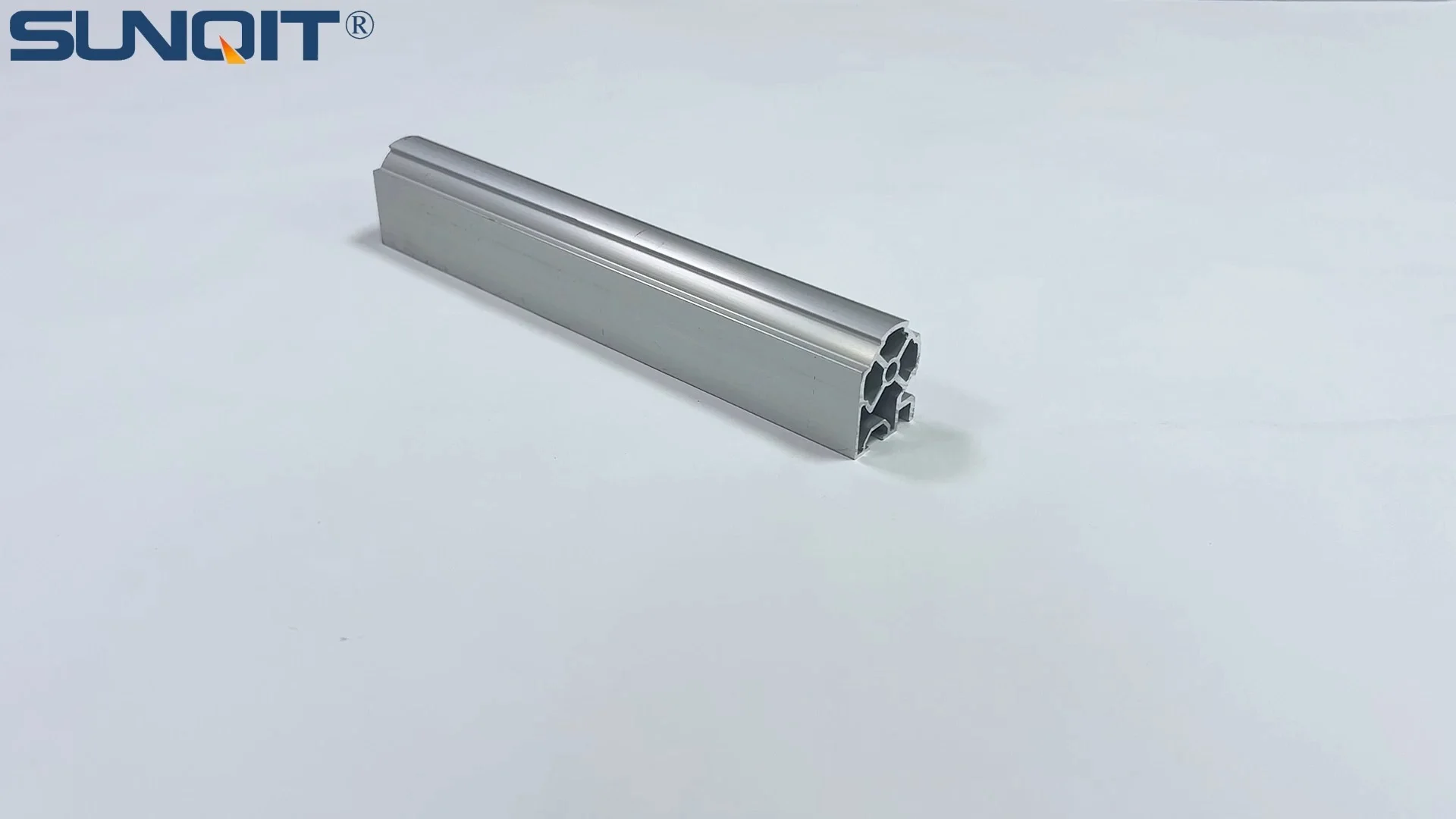
Aluminum Pipe with Tray Holder
Aluminum pipe with tray holder,the pipe one side connected by a joint, the other side with a slot which can hold a tray or a aluminum pannel.
Walk into any modern manufacturing facility, warehouse, or assembly plant, and you'll notice a silent productivity engine at work: aluminum pipe systems. These versatile setups—whether they're supporting workbenches, material racks, or conveyor lines—are the backbone of efficient operations. But what truly makes them adaptable, durable, and ready to tackle evolving needs? It's the accessories. From the joints that lock pipes into place to the casters that turn static structures into mobile workhorses, these components transform basic aluminum pipes into customized solutions that solve real-world workflow challenges.
The Backbone: Aluminum Lean Pipe
Before diving into accessories, let's start with the foundation: aluminum lean pipe . Unlike traditional steel pipes, aluminum offers a winning combo of lightweight design and strength—perfect for building structures that are easy to assemble yet tough enough to handle daily use. Its corrosion resistance means it holds up in humid warehouses or cleanrooms, while its smooth finish minimizes snags on materials or clothing. But even the best aluminum pipe is just a tube without the right accessories. Think of it like a smartphone: the device itself is great, but it's the apps (accessories) that make it indispensable.
Aluminum lean pipe comes in various styles, including basic aluminum tubes, T-slot profiles, and corrugated designs. T-slot aluminum pipe, for example, has built-in grooves that let you slide accessories like brackets or shelves into place without drilling—ideal for quick adjustments. This flexibility is why industries from electronics manufacturing to automotive repair swear by it.
Essential Accessories: The Building Blocks of Adaptability
Accessories are the unsung heroes here. They turn rigid pipes into dynamic systems that grow with your business. Let's break down the most critical categories and how they enhance functionality.
1. Joints: The Connectors That Hold It All Together
If aluminum lean pipe is the skeleton, lean pipe joints are the joints and ligaments that give structure mobility and stability. Imagine building a workbench and needing to angle a shelf at 45° for easier access—without a 45° aluminum pipe joint, you'd be stuck with a rigid 90° angle. These small but mighty components come in dozens of designs to suit every need:
- Internal Rotary Aluminum Joints: Let pipes rotate smoothly, perfect for adjustable workbench heights or tiltable material racks.
- 90° Aluminum Crossing Joints: Securely connect perpendicular pipes, like when adding a side shelf to a workbench.
- Three-Way Aluminum Pipe Joints: Split a single pipe into three directions, ideal for building multi-tiered racks.
The best joints lock into place with minimal effort—no welding or heavy tools required. This means a team can reconfigure a production line overnight to accommodate a new product, saving downtime and frustration.
2. Casters & Wheels: Mobility When You Need It
Static structures have their place, but in fast-paced environments, mobility is key. That's where caster wheel and accessories shine. A well-chosen caster can turn a fixed material rack into a trolley that glides across the floor, letting workers move heavy loads with a single push instead of straining muscles.
Not all casters are created equal. For example:
- Swivel Casters with Brakes: Let you rotate 360° for easy maneuvering, then lock in place to keep the structure steady during use—essential for workbenches where precision matters.
- Heavy-Duty Caster Wheels: Built with thick rubber or steel wheels to handle loads up to 500kg, perfect for large turnover trolleys.
- Anti-Static Casters: Critical in electronics manufacturing, where static electricity can damage sensitive components.
Even small details matter here. Caster accessories like brake pedals that are easy to reach or wheel flanges that prevent snagging on uneven floors can make a big difference in daily usability.
3. Guide Rails & Roller Tracks: Smooth Material Flow
In assembly lines or warehouses, moving materials from point A to B should be seamless. Aluminum profile accessories like guide rails and roller tracks make this possible. Plastic roller track guide rails (available in yellow or grey for easy workflow color-coding) let bins or trays slide effortlessly, while aluminum guide rails add durability for heavier loads.
Consider roller track placon mounts—these brackets attach roller tracks to aluminum profiles, ensuring alignment and stability. A center support bracket, for instance, prevents sagging in long roller tracks, so materials don't get stuck halfway. And swivel roller balls (1 inch or 0.5 inch) embedded in workbench surfaces let workers slide heavy parts with a gentle push, reducing fatigue during long shifts.
4. Workbench & Rack Components: Customized Productivity
Workbenches and material racks are where accessories truly shine. Take Workbench E (single deck-without caster) as a base—add a set of casters, and it becomes mobile. Attach aluminum guide rails along the edges, and it's ready to feed parts to an assembly line. Add a shelf with swivel roller balls, and tools or components are always within reach.
Material racks, like Material Rack B (3 row and 3 floor) , rely on accessories to maximize storage. Adjustable shelf heights (thanks to T-slot aluminum pipe) let you fit tall bins on one level and small parts on another, while plastic roller track guide rails in yellow can signal "priority parts" for quick access. Even end caps for aluminum profiles—simple as they seem—prevent snags on clothing or damage to materials, adding a polished, professional touch.

How Accessories Work Together: A Real-World Example
Let's paint a picture: A small electronics manufacturer needs to build a new assembly station for a smartphone component. They start with basic aluminum tubes and these accessories:
- Internal Rotary Aluminum Joints: To angle the work surface at 15° for ergonomic assembly.
- Swivel Caster Wheels with Brakes: So the workbench can be moved to the testing area but locked during assembly.
- Plastic Roller Track Guide Rails (Yellow): To feed small parts from a bin to the assembler's hand.
- Aluminum Honeycomb Panel: For a lightweight, sturdy work surface that resists scratches.
The result? A custom workbench that reduces assembly time by 20% and cuts down on worker strain. Without these accessories, the aluminum pipes would sit unused in a corner. With them, they become a productivity tool tailored to the team's needs.

Key Accessories at a Glance
| Accessory Category | Common Types | Primary Function | Why It Matters |
|---|---|---|---|
| Joints | Internal Rotary, 90° Crossing, Three-Way | Connect pipes at angles or split directions | Enables custom structures without welding |
| Casters | Swivel with Brake, Heavy-Duty, Anti-Static | Add mobility to racks, workbenches, trolleys | Reduces manual labor and speeds up material transport |
| Guide Rails | Plastic (Yellow/Grey), Aluminum Guide Rail A/B | Guide materials along conveyor lines or workbenches | Ensures smooth, consistent material flow |
| Workbench Components | Honeycomb Panels, Adjustable Shelves, End Caps | Customize work surfaces and storage | Boosts ergonomics and organization |
| Roller Tracks | 40 Steel Roller Track, 38 Aluminum Roller Track | Facilitate sliding movement of bins/trays | Reduces effort when moving heavy or bulky items |
Choosing the Right Accessories: What to Look For
With so many options, how do you pick the right accessories? Start by asking:
- What's the load capacity? A caster rated for 100kg won't hold up to a 300kg trolley.
- Will it fit your pipes? Aluminum profile accessories are designed for specific profile sizes (e.g., 2020, 4040)—mismatched parts lead to wobbly structures.
- Is it durable enough for your environment? Stainless steel swivel roller balls work best in wet areas, while plastic guide rails are ideal for cleanrooms.
Partnering with a trusted aluminum pipe supplier helps here. Reputable suppliers test their accessories for strength, durability, and compatibility, ensuring your system works seamlessly from day one.
The Bottom Line: Accessories Make the System
Aluminum pipe with tray holder systems are more than just a collection of metal and plastic parts. They're a testament to smart, flexible design—where every joint, caster, and guide rail plays a role in making work easier, faster, and less stressful. Whether you're building a simple material rack or a complex conveyor line, investing in quality accessories isn't just about parts—it's about investing in your team's productivity and satisfaction.
So the next time you see an aluminum lean pipe system in action, take a closer look. The real magic? It's in the accessories.