- Company Articles
- Products and Technology
- Product knowledge
- Essential Features of End Support for Roller Track Placon Mount with Stop for Material Flow

Essential Features of End Support for Roller Track Placon Mount with Stop for Material Flow
Related Product
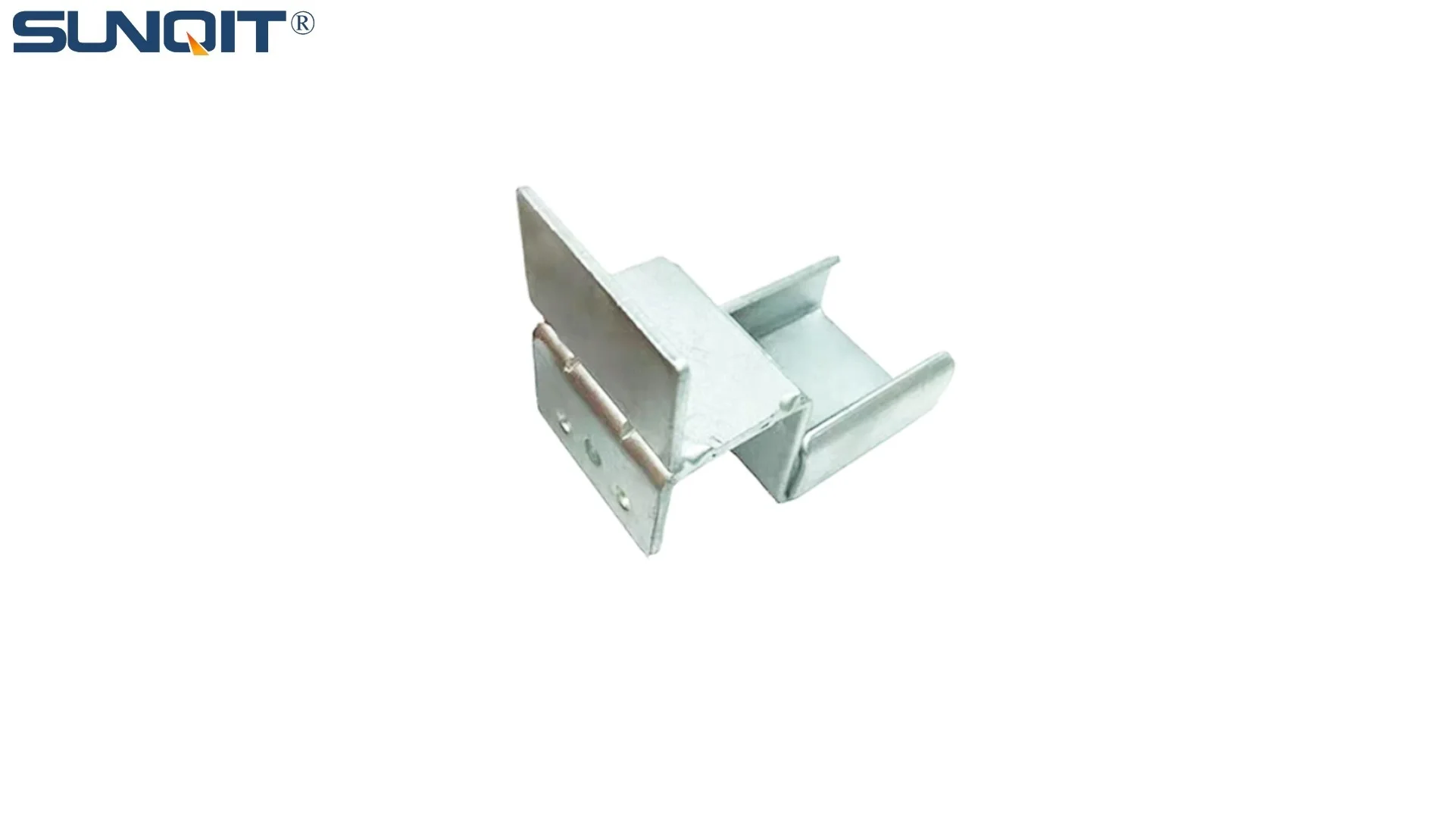
End Support for Roller Track Placon Mount with Stop
Roller track placon mount work as a connector for roller track and pipe or aluminum profile in rack syetem, it is a necessary parts in rack system which widely used in industrial plant and logistic,warehouse storage.
In the fast-paced world of manufacturing, every second counts. Picture this: a busy assembly line where components glide smoothly from one workstation to the next, workers focused on their tasks without pauses, and materials arriving exactly where they need to be, exactly when they need to be there. This isn't just a dream scenario—it's the result of well-designed material flow systems. And at the heart of these systems, often working quietly behind the scenes, is a small but critical component: the end support for roller track placon mount with stop. Let's dive into why this unassuming part matters so much, and what makes a great one stand out in the chaos of production floors.
1. Reliable Stopping Mechanism: The First Line of Control
Imagine a roller track carrying delicate circuit boards for a 3C product. Without a reliable stop, those boards might slide right off the end, leading to damage, rework, or even production delays. That's where the "stop" in this end support earns its keep. A top-tier end support doesn't just "kind of" stop materials—it locks them in place with precision.
What makes the stopping mechanism reliable? It starts with the design. Look for features like a spring-loaded stop arm or a rubberized contact pad that grips materials gently but firmly. This ensures that even lightweight items (like small plastic parts) or heavier components (like metal brackets) stay put until a worker is ready to process them. No more chasing runaway parts across the factory floor, no more scratched surfaces, and no more wasted time resetting the line.
Another key point? Consistency. Over time, some stops wear out, leading to inconsistent performance—one day holding perfectly, the next letting materials slip. The best end supports use durable materials for the stop component, like high-grade nylon or reinforced plastic, that resist wear and maintain their grip even after thousands of cycles. For industries like medical device manufacturing, where precision is non-negotiable, this consistency isn't just a nice-to-have; it's a requirement.
2. Flexible Installation: Adaptable to Your Unique Layout
Manufacturing floors aren't one-size-fits-all. Your roller track might be part of a lean pipe system snaking through a tight 3C assembly area, or a straight line feeding into a large workbench in an automotive parts plant. That's why flexibility in installation is non-negotiable for an end support.
A great end support should play well with different setups. Look for designs that offer multiple mounting options—whether you're attaching it to aluminum profiles, flat surfaces, or even existing lean pipe structures. For example, placon mounts (those handy brackets that connect roller tracks to frames) should have adjustable slots or pre-drilled holes that align with common profile sizes, like 40x40 or 30x30 aluminum extrusions. This means you won't need custom drilling or special tools to get it set up—saving time during installation and making reconfigurations a breeze when your production needs change.
Height adjustability is another plus. Maybe your roller track sits higher in one area to feed into a tall workbench, or lower in another to align with a turnover trolley. An end support that lets you tweak the height by a few centimeters ensures the stop meets the material at the right point, not too high (causing jams) or too low (missing the stop entirely). This kind of adaptability is what makes lean manufacturing work—systems that can evolve with your processes, not hold them back.

3. Durable Construction: Built to Last in Tough Environments
Manufacturing floors are tough places. Dust, oil, occasional impacts from moving carts, and constant vibration—your end support needs to handle it all. The materials used in construction make all the difference here. Let's break down the options:
- Aluminum: Lightweight yet strong, aluminum is a popular choice for end supports, especially in industries where corrosion resistance matters (like food processing or pharmaceutical manufacturing). It's also easy to clean, which is a big plus in medical device production lines where hygiene is critical.
- Steel: For heavier-duty applications—think automotive parts or industrial machinery components—steel offers unmatched strength. Look for powder-coated or galvanized steel to prevent rust, ensuring the end support stays functional even in humid or oily environments.
- Reinforced Plastics: When weight is a concern (e.g., in portable roller track systems) or where non-conductive properties are needed (like ESD workbenches in electronics manufacturing), high-strength plastics (like ABS or polycarbonate) work well. They're also resistant to dents and scratches, keeping the support looking and working like new longer.
But material alone isn't enough. The way the support is assembled matters too. Welded joints (for steel) or precision-machined connections (for aluminum) ensure there are no weak points that could fail under stress. A flimsy end support might save a few dollars upfront, but replacing it every few months due to bending or breaking? That's a cost no production manager wants to absorb.

4. Seamless Compatibility: Works with Your Existing Setup
,40(40 steel roller track),,.,(aluminum guide rail AB),.,——,.
.,",".,.(85,),,,.

5. Safety-First Design: Protecting Your Most Valuable Asset—Your Team
,.,.:,,.,.,.
.:
- : ,.
- : (),,.
- Non-slip Base: ,,.
- ESD Protection: ,.,.
"",,,.,.
Real-World Applications: Where This Support Shines
Let's take a step back and see how these features come together in real manufacturing settings. Here are a few examples where the end support for roller track placon mount with stop proves its worth:
3C Assembly Lines
In 3C manufacturing (think smartphones, laptops, and tablets), components are small, delicate, and often expensive. A roller track with end supports ensures that tiny screws, microchips, and display panels stop precisely at each workstation. The reliable stopping mechanism prevents damage to these fragile parts, while the aluminum construction keeps the system lightweight enough to integrate with lean pipe workbenches—common in flexible 3C production setups.
Medical Device Production
Medical equipment, like surgical tools or diagnostic devices, requires strict quality control and clean conditions. The durable, easy-to-clean aluminum end supports work well here, as they resist corrosion and can be wiped down regularly. The safety features (rounded edges,) also align with the industry's focus on worker protection and compliance with health regulations.
Warehouse Logistics
In busy warehouses, flow racks are the backbone of order fulfillment. End supports with strong steel construction can handle the constant flow of boxes and packages, ensuring they don't slide off the rack during picking. The flexible installation means these supports can be added to existing racks without major overhauls, making it easy to upgrade older systems.
| Feature | Benefit to Your Operation | Ideal For |
|---|---|---|
| Reliable Stopping Mechanism | Prevents material damage and loss; reduces rework | Electronics, medical devices, small parts manufacturing |
| Flexible Installation | Easy integration with existing systems; quick reconfigurations | Lean manufacturing, modular production lines |
| Durable Construction | Long lifespan; low maintenance costs | Heavy-duty manufacturing, high-volume production |
| Seamless Compatibility | Works with various roller tracks and accessories; reduces replacement costs | Mixed-use facilities, expanding operations |
| Safety-First Design | Reduces workplace injuries; improves employee morale | All industries, especially those with strict safety standards |
Why Settle for Anything Less?
At the end of the day, the end support for roller track placon mount with stop might seem like a small part of your overall production system. But as any experienced manufacturer knows, small parts often have the biggest impact on efficiency, safety, and bottom-line results. A cheap, poorly designed end support might save you a few dollars today, but it'll cost you in rework, downtime, and replacements tomorrow.
When you invest in a high-quality end support—one with reliable stopping, flexible installation, durable materials, seamless compatibility, and safety in mind—you're not just buying a component. You're buying peace of mind. You're ensuring your material flow stays smooth, your workers stay safe, and your production line keeps humming along, even when the pressure is on.
Whether you're building a new lean system from scratch, upgrading an existing roller track, or looking to improve material flow in your warehouse, don't overlook the importance of this hardworking little part. After all, in manufacturing, success is in the details—and this end support is one detail that deserves your attention.
From stopping delicate electronics to supporting heavy industrial parts, the end support for roller track placon mount with stop is a unsung hero of efficient material flow. Its essential features—reliable stopping, flexible installation, durability, compatibility, and safety—work together to keep production lines moving, reduce waste, and protect your team. So the next time you're evaluating your material handling system, take a closer look at this small but mighty component. Your bottom line (and your workers) will thank you.