- Company Articles
- Products and Technology
- Procurement Guidelines
- Expert Tips for Selecting End Support for Roller Track Placon Mount with Stop in Assembly Lines

Expert Tips for Selecting End Support for Roller Track Placon Mount with Stop in Assembly Lines
Related Product
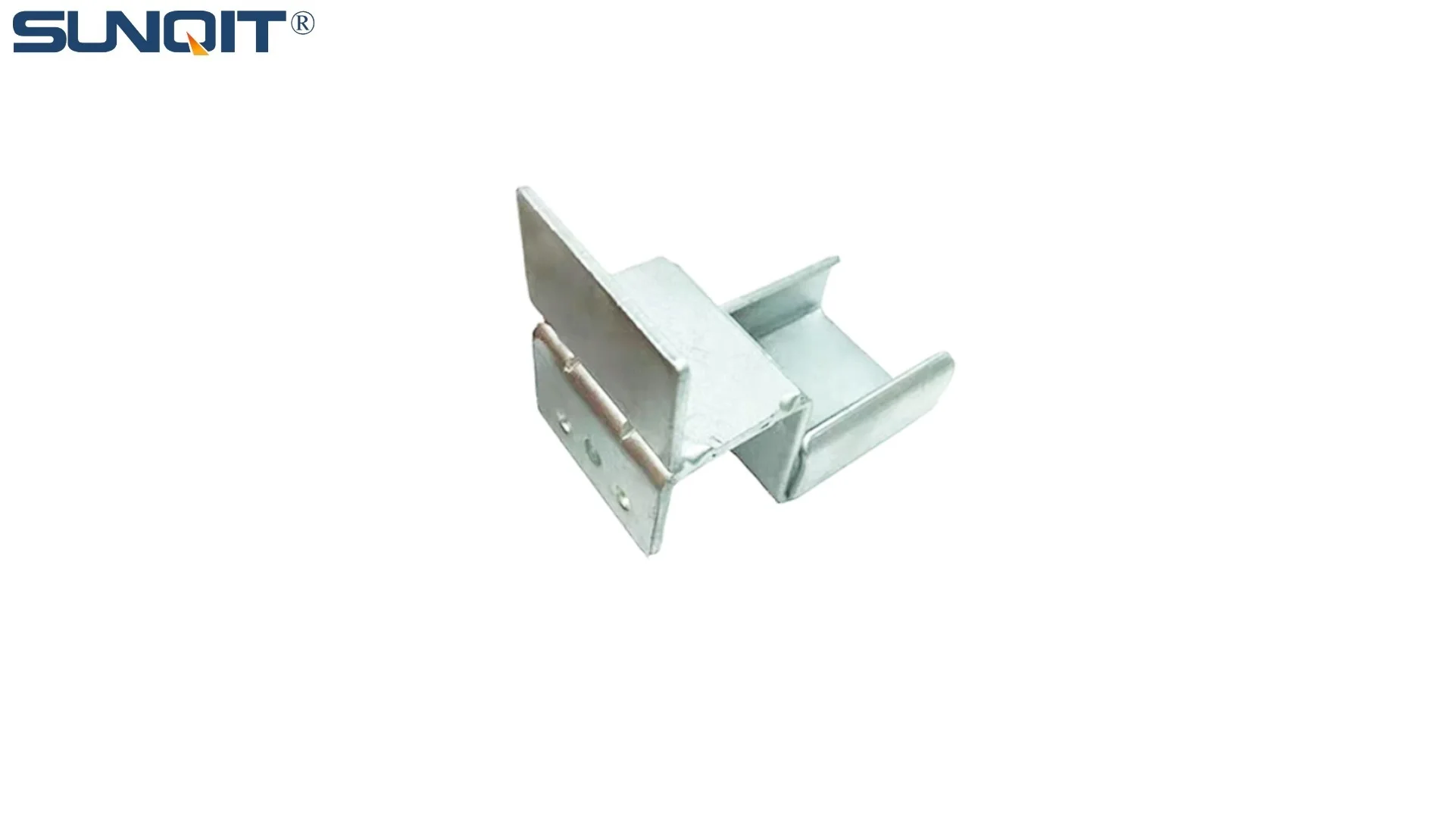
End Support for Roller Track Placon Mount with Stop
Roller track placon mount work as a connector for roller track and pipe or aluminum profile in rack syetem, it is a necessary parts in rack system which widely used in industrial plant and logistic,warehouse storage.
Ever walked through a busy assembly line and wondered what keeps everything running like clockwork? It's not just the big machines or the high-tech software—often, it's the small, unsung heroes that make all the difference. Today, we're diving into one of those critical components: the end support for roller track placon mount with stop. You might not notice it at first glance, but this humble part plays a huge role in keeping your production flow smooth, safe, and efficient. Whether you're setting up a new lean system for 3C assembly or upgrading an existing medical device production line, choosing the right end support can mean the difference between seamless operations and costly downtime. Let's unpack everything you need to know.
Why End Supports Matter More Than You Think
Before we jump into the tips, let's get real about why these end supports deserve your attention. Imagine an assembly line where products glide along roller tracks—phones, medical tools, car parts, whatever your team builds. When those products reach the end of the track, they need to stop exactly where they should. Too hard, and you risk damaging the product or the track. Too soft, and they might slide off, causing delays or even accidents. That's where the end support with stop comes in: it's the final guard, the last line of defense between a smooth handoff and a costly mistake.
But it's not just about stopping power. These supports also keep the roller track stable. Over time, constant use can wiggle loose even the sturdiest tracks. A weak end support might lead to misalignment, making products jam or slow down. And in lean manufacturing—where every second counts—those slowdowns add up fast. Think about it: if your line stalls for just 5 minutes an hour, that's over 40 hours of lost production a month. Ouch. So, yeah, choosing the right end support isn't just a "nice-to-have"—it's a bottom-line decision.
5 Expert Tips for Choosing the Perfect End Support
Now that we know why these little components matter, let's break down how to pick the best one for your assembly line. We've talked to engineers, production managers, and lean manufacturing experts to compile these actionable tips. Let's dive in.
Tip 1: Start with the Right Material—Aluminum is Your Friend
First things first: material matters. When it comes to end supports, you'll mostly see two options: steel and aluminum. Steel is strong, no doubt, but here's the thing—modern assembly lines need more than just strength. They need agility, durability, and ease of handling. That's where aluminum shines.
Aluminum end supports (like those made from aluminum pipe or aluminum profile ) are lightweight, which makes installation and adjustments a breeze. Ever tried moving a steel support by yourself? Not fun. Aluminum cuts down on labor time during setup and reconfigurations—critical in lean systems where flexibility is key. Plus, aluminum resists rust and corrosion, which is a big win if your line deals with moisture, coolants, or harsh cleaning agents (looking at you, medical device manufacturers).
But wait, isn't steel stronger? For most assembly line applications, aluminum's strength-to-weight ratio is more than enough. Unless you're moving literal tons of material per minute (and if you are, you probably need a custom heavy-duty solution), aluminum will handle the load while keeping your track system light and responsive. Trust me, your maintenance team will thank you for choosing aluminum—less heavy lifting, less rust to scrub, more time focusing on actual production.
| Material | Key Advantages | Best For | Our Top Pick |
|---|---|---|---|
| Steel | Ultra-high load capacity, extreme durability | Heavy machinery, outdoor use with harsh conditions | Stainless steel pipe series |
| Aluminum | Lightweight, rust-resistant, easy to reconfigure | 3C assembly, medical devices, consumer electronics, most indoor lines | Aluminum roller track series (e.g., 38 aluminum roller track) |
Tip 2: Calculate Load Capacity—Don't Guess, Measure
Here's a common mistake: assuming "strong enough" is good enough. But in manufacturing, "close enough" can lead to big problems. The end support's job is to hold the weight of the roller track plus the products moving along it. If it's underrated, you risk bending, cracking, or even collapse—definitely not what you want during a busy production run.
So, how do you calculate the right load capacity? Start by asking: What's the maximum weight of a single product on the track? How many products pass through the end support area at once? Then, add 30% to that number—this "safety buffer" accounts for unexpected bumps, uneven loading, or future production increases (because let's be real, you're probably scaling up eventually).
For example, if your line moves smartphone components (around 0.5kg each) and you typically have 10 products on the track at a time, that's 5kg. Add 30%, and you need an end support that handles at least 6.5kg. But if you're moving larger items—like small appliances or medical equipment—you'll need to adjust. Most aluminum end supports (like those paired with 40 steel roller track or 85 aluminum roller track ) list their load ratings clearly, so check the specs! When in doubt, ask your supplier for a load test report—reputable suppliers (like those offering lean pipe wholesale or roller track wholesale ) will have this data on hand.
Tip 3: Pay Attention to the Stop Design—Smooth, Not Sudden
The "with stop" part of "end support with stop" is non-negotiable, but not all stops are created equal. A good stop should gently halt products without jarring them—remember, we're trying to protect both the product and the equipment.
Look for stops with rubber or polyurethane padding. These materials absorb impact, reducing noise (your workers will appreciate quieter lines!) and preventing scratches or dents on delicate items (hello, ESD workbench users assembling circuit boards). Avoid hard plastic or metal stops unless you're dealing with extremely rugged products—they'll just transfer the impact to the product or the track itself.
Another thing to check: adjustability. Can you tweak the stop's height or angle? Some products might need a taller stop to prevent tipping, while others (like flat boxes) work better with a lower profile. End supports with adjustable stops (often paired with swivel roller balls or roller track connector accessories) give you the flexibility to adapt as your product line changes. Pro tip: Test the stop with your actual products before committing—what works on paper might feel different in real-world use.
Tip 4: Ensure Compatibility with Your Existing Lean System
Your end support doesn't exist in a vacuum—it's part of a larger lean system . That means it needs to play nice with your roller track, workbench, and other components. Nothing's more frustrating than ordering an end support only to find it doesn't fit your existing internal rotatary aluminum joint or aluminum guide rail .
Start by checking the track size. Roller tracks come in different widths (like 40mm, 60mm, or 85mm), and the end support needs to match. For example, a 38 aluminum roller track requires a support designed for 38mm rails—using a 40mm support will leave gaps, leading to instability. Next, look at the mounting style: does your track use T-slot profiles? Flat mounts? Placon mounts? (Fun fact: Placon mounts are super common in modern systems because they offer quick, tool-less adjustments—keep an eye out for roller track placon mount for aluminum profile flat or high options.)
If you're using a custom lean solution (like those designed for 3C assembly or medical logistics), your supplier should provide end supports that integrate seamlessly with their track and turnover trolley systems. Don't be shy about sharing your existing setup details—good suppliers will help you cross-reference part numbers to ensure a perfect fit. Remember, lean manufacturing is about reducing waste, and a mismatched end support is just that: waste.
Tip 5: Think Long-Term—Sustainability and Maintenance
Finally, let's talk about the big picture: sustainability. Lean manufacturing isn't just about efficiency—it's about sustainable efficiency. That means choosing components that last, are easy to repair, and can be repurposed as your needs change.
Aluminum end supports score again here. Unlike steel, aluminum doesn't rust, so it has a longer lifespan in most environments. Plus, aluminum is 100% recyclable, aligning with green manufacturing goals. But sustainability isn't just about materials—it's about maintenance. Look for end supports with minimal moving parts (fewer things to break!) and easy-to-replace components. For example, if the stop pad wears out, can you swap it without replacing the entire support? (Spoiler: With quality aluminum supports, the answer is usually yes.)
Also, consider future upgrades. As your production line grows, you might add faster conveyors or heavier products. Will your end support keep up? Choosing a slightly higher load rating than you need today (remember that 30% buffer we talked about?) can save you from replacing supports down the line. And since aluminum is lightweight, upgrading or reconfiguring later will be easier than with steel. It's all about that "sustainable improvement" mindset that makes lean systems so powerful.

Real-World Example: How the Right End Support Transformed a 3C Assembly Line
Let's put these tips into context with a real story. A few years back, a 3C assembly plant (they build smartphones) was struggling with frequent product jams at the end of their roller tracks. Products would slide past the stop, fall off the line, and cause delays. Their old steel end supports were heavy, hard to adjust, and the metal stops were scratching phone casings—costing them time and money in rework.
They switched to aluminum end supports with rubber-padded stops, paired with 38 aluminum roller track yellow with side guide . The results? No more jams, fewer scratches, and setup time for line reconfigurations dropped by 40% (thanks to lightweight aluminum). Plus, since the supports were compatible with their existing lean pipe workbench and internal rotatary aluminum joint system, they didn't have to replace any other components. Within three months, the plant saw a 15% increase in daily production and a 70% reduction in product damage at the end of the line. All from upgrading a tiny end support—crazy, right?

Final Thoughts: Small Component, Big Impact
At the end of the day, choosing an end support for your roller track might seem like a small decision. But as we've seen, it's these small details that add up to big improvements in efficiency, safety, and product quality. By focusing on material (aluminum!), load capacity, stop design, compatibility, and sustainability, you'll not only pick a support that works today—you'll future-proof your assembly line for tomorrow.
Remember, lean manufacturing is about optimizing every step, and that includes the parts you can't always see. So next time you're reviewing your assembly line, take a second look at those end supports. Are they holding you back, or helping you thrive? With the right support, you'll be one step closer to that smooth, efficient, and profitable production line you've been working toward.
And if you're still not sure where to start? Reach out to a supplier who specializes in lean system wholesale or roller track supplier services. They'll help you assess your needs, test options, and find the perfect fit. After all, the best end support is the one that works so well, you forget it's even there—letting you focus on what really matters: building great products.