- Company Articles
- Products and Technology
- Installation And Maintenance
- Extending 60 Aluminum Roller Track Grey Life: Lubrication Best Practices

Extending 60 Aluminum Roller Track Grey Life: Lubrication Best Practices
Related Product
60 Aluminum Roller Track Grey
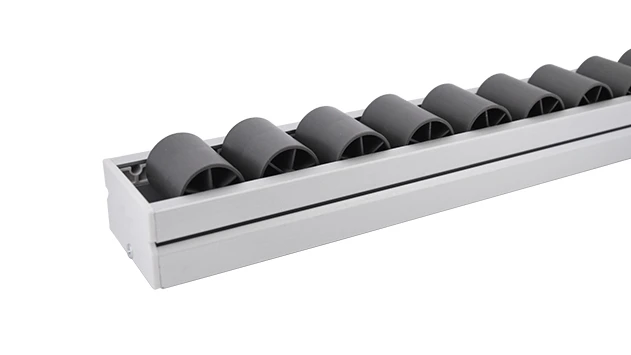
Modular system roller tracks aluminum gravity roller tracks are an excellent solution for transporting materials within industrial environments, warehouses and distribution centres.
Introduction: Why Lubrication Matters for Your Roller Track
Walk through a busy 3C assembly line—boxes glide smoothly along conveyors, parts are organized on flow racks, and every workstation hums with efficiency. At the heart of this seamless operation is a component you might not notice at first glance: the 60 Aluminum Roller Track Grey. This workhorse of lean systems is everywhere, from warehouse logistics to medical device manufacturing, but like any hardworking tool, it needs care to keep performing at its best.
Replacing a worn-out roller track isn't just a cost—its downtime can disrupt entire production lines, delay orders, and eat into profits. That's why lubrication isn't just a maintenance task; it's an investment in your operation's longevity and efficiency. In this guide, we'll dive deep into the best practices for lubricating your 60 Aluminum Roller Track Grey, so you can extend its life, reduce waste, and keep your lean system running like a well-oiled machine (pun intended).
Getting to Know the 60 Aluminum Roller Track Grey
What makes the 60 Aluminum Roller Track Grey a staple in modern manufacturing? Let's break it down:
- Material & Durability: Crafted from high-grade aluminum alloy, it's lightweight yet strong enough to handle heavy loads—ideal for conveyors moving everything from small 3C parts to large medical devices. The aluminum construction also offers natural corrosion resistance, though proper maintenance amplifies this.
- Grey Finish Benefits: The matte grey coating isn't just for looks. It hides minor scuffs and dust, keeping your workspace tidy. It also adds an extra layer of protection against scratches and wear.
- Versatility: This track pairs seamlessly with roller track and accessories like connectors, end stops, and plastic guides to create custom conveyors or flow racks. Whether you're building a lean system for 3C assembly or a warehouse flow rack for logistics, it adapts to your needs.
- Common Applications: You'll find it in production lines, automotive part assembly, medical device manufacturing, and centers. It's especially popular in lean systems where flexibility and efficiency are key.
But even the most durable track wears out over time. Friction between rollers and their axles, dirt buildup in bearings, and loose roller track and accessories are the main causes of premature failure. Without lubrication, these issues escalate quickly—leading to sticky rollers, noisy operation, and eventually, track replacement.

Pre-Lubrication Preparation: Clean & Inspect First
Lubrication works best on clean surfaces. Skipping pre-lubrication steps can trap dirt under the lubricant, accelerating wear instead of preventing it. Here's how to prepare your track:
Step 1: Gather Tools & Safety Gear
- Soft-bristle brush
- Non-corrosive degreaser (aluminum-safe)
- Lint-free cloths
- Compressed air (optional)
- Gloves & safety glasses
- Lockout-tagout kit (for powered conveyors)
Step 2: Clean the Track Thoroughly
- Remove Loose Debris: Use the brush to sweep away dirt from the track, rollers, and roller track and accessories. Pay attention to gaps between rollers and frame.
- Degrease: Dampen a cloth with degreaser (avoid spraying directly on bearings) and wipe down rollers, axles, and connection points. Let stubborn grease sit for 1-2 minutes before wiping.
- Clean Bearings: Use compressed air (low pressure) to blow dust from bearing seals. Don't over-pressurize—this can damage seals.
- Dry Completely: Wipe all parts with a dry cloth to remove moisture (critical for preventing corrosion).
Step 3: Inspect for Damage
- Rollers: Spin each roller—stuck or uneven rotation means trouble. Look for bent/damaged rollers (they cause jams).
- Connections: Tighten loose roller track and accessories (connectors, guides). Loose parts lead to misaligned tracks.
- Corrosion: Check for rust spots on aluminum. Use a nylon pad to remove light corrosion before lubrication.
- Bearings: Listen for grinding/squeaking—signs of worn bearings that need replacement.
Step 4: Safety First
Never skip lockout-tagout for powered conveyors. Wear gloves to protect hands from chemicals, and work in well-ventilated areas when using degreasers.

Choosing the Right Lubricant for 60 Aluminum Roller Track Grey
Not all lubricants are created equal. The right choice depends on your track's usage, environment, and load. Let's compare options:
Lubricant Types & Their Uses
Light Machine Oil
Ideal for low-load, high-speed conveyors (e.g., 3C assembly lines). Flows easily into bearings but needs frequent reapplication. Avoid in dusty environments—it attracts dirt.
Lithium-Based Grease
Best for high-load, low-speed applications (e.g., medical device conveyors). Stays in place longer, resists corrosion, and is aluminum/plastic-safe. Choose NLGI grade 2 for most uses.
PTFE Dry Lubricant
Perfect for clean environments (e.g., food/medical). Leaves a non-sticky film that reduces friction without attracting dust. Meets FDA/ISO standards for purity.
Key Selection Factors
- Environment: Cold warehouses need low-viscosity lubricants; humid areas need anti-corrosion formulas.
- Load: Heavy loads = grease; light loads = oil/dry lubricant.
- Compatibility: Ensure lubricants are safe for aluminum and plastic roller track accessories.
- Cleanliness: Medical/3C industries need contamination-free lubricants.
Pro Tip: Test a small amount of lubricant on an unused section of track to check for compatibility before full application.
Step-by-Step Lubrication Best Practices
Now that your track is clean and you've chosen the right lubricant, let's apply it correctly:
1. Lubricate Roller Bearings
- Grease Application: Use a needle-nozzle grease gun to inject 1/4 capacity into bearing seals. Overfilling causes leaks and dust buildup.
- Oil Application: Add 1-2 drops per bearing with a dropper. Spin rollers to distribute oil evenly.
- Frequency: Every 3 days (high use), weekly (medium), monthly (low).
2. Lubricate Axles & Frame Connections
Apply a thin layer of oil/grease to axles where they meet the frame. For roller track and accessories (connectors, guides), use light oil on moving parts—wipe excess to avoid dust.
3. Post-Lubrication Checks
- Wipe excess lubricant from all parts.
- Test the track: Roll a sample part to ensure smooth flow. Listen for squeaks (re-lubricate if needed).
- Document: Record date, lubricant type, and any issues (for lean system kaizen).
Tailored Maintenance Schedule
Use this table to create a schedule that fits your operation's needs:
| Usage Frequency | Cleaning Interval | Lubrication Interval | Inspection Tasks | Notes |
|---|---|---|---|---|
| High (≥8h/day) | Daily | Every 3 days | Check rollers, tighten accessories, inspect corrosion. | Use degreaser daily to remove heavy buildup. |
| Medium (4-8h/day) | Every 2 days | Weekly | Spin rollers, clean bearings, adjust guides. | Wipe tracks with dry cloth between deep cleans. |
| Low (<4h/day) | Weekly | Monthly | Full inspection, replace worn parts, lubricate all points. | Store idle tracks in dry areas to prevent corrosion. |
Troubleshooting Common Roller Track Issues
Even with proper maintenance, issues can arise. Here's how to fix them:
Sticky Rollers
Causes: Trapped dirt, old lubricant, worn bearings.
Fix: Clean rollers with degreaser, re-lubricate. replace bearings if needed.
Noisy Operation
Causes: Lack of lubrication, loose roller track accessories, bent rollers.
Fix: Lubricate all points, tighten connections, replace bent rollers.
Corrosion Spots
Causes: Moisture, incompatible lubricant.
Fix: Remove rust with nylon pad, apply anti-corrosion grease.
Misaligned Tracks
Causes: Loose roller track accessories, worn connectors.
Fix: Tighten all connections, replace worn accessories.
Lubrication & Lean System Integration
Lean manufacturing focuses on reducing waste (muda) and improving efficiency. Lubrication aligns perfectly with these principles:
- Reduce Waste: Extending track life avoids unnecessary replacements (a major waste).
- Improve Efficiency: Smooth rollers reduce conveyor downtime and speed up production.
- Standardize Processes: A fixed lubrication schedule (part of 5S's Standardize step) ensures consistency.
- Kaizen (Continuous Improvement): Documenting maintenance helps adjust schedules for better results.
For example, in a 3C assembly lean system, a well-lubricated conveyor reduces part jams—cutting down on rework and delays. This directly boosts productivity and customer satisfaction.
Conclusion: Invest in Longevity
Your 60 Aluminum Roller Track Grey is a backbone of your lean system. Proper lubrication isn't an afterthought—it's a strategic investment that pays off in fewer breakdowns, less downtime, and higher profits. By following the steps in this guide—cleaning, inspecting, choosing the right lubricant, and sticking to a schedule—you can extend your track's life by 30% or more.
Remember: Quality parts matter too. Pair your track with high-grade roller track and accessories designed for lean systems to maximize your maintenance efforts. Whether you're in 3C assembly, medical manufacturing, or logistics, taking care of your roller track is a small task with big rewards.
So next time you pass your conveyor, take a minute to check your track. A little lubrication today will save you a lot of hassle tomorrow.