- Company Articles
- Products and Technology
- Installation And Maintenance
- Extending Flat Rigid Castor Wheel Lifespan: Lubrication and Cleaning Tips

Extending Flat Rigid Castor Wheel Lifespan: Lubrication and Cleaning Tips
Related Product
Flat Rigid Castor Wheel
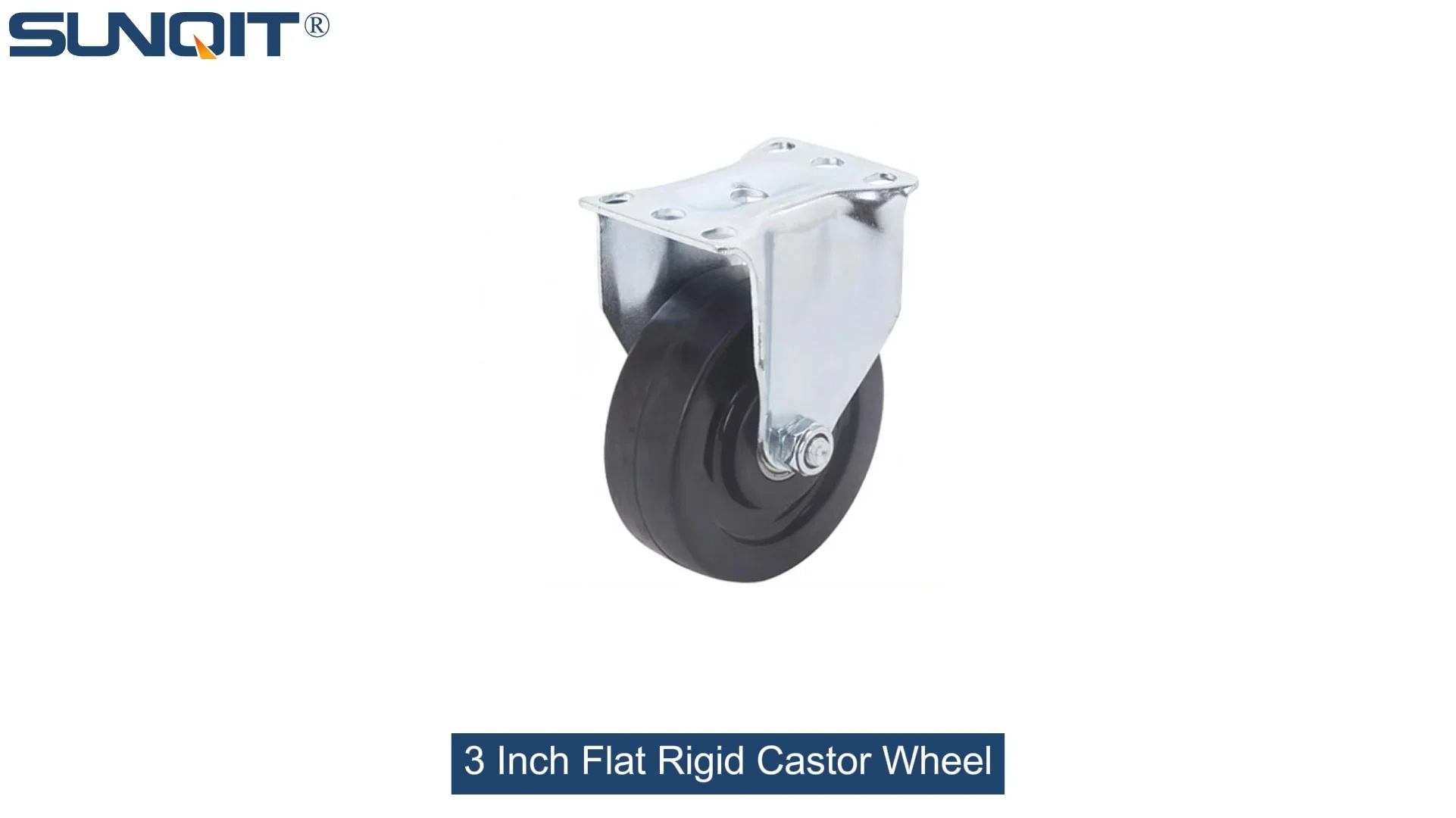
Chair Casters Ball Bearing Wheels Rubber Base. Resistant to abrasion, impact and corrosion. Heavy payload can hold 70Kgs per pcs,which can make it works at a stable and smooth status.
If you've ever worked in a workshop, warehouse, or even a home garage, you know how essential smooth-moving equipment is to keeping things running efficiently. Whether it's a heavy workbench loaded with tools, a material cart shuttling supplies, or a storage rack that needs repositioning, the unsung heroes making this possible are often the castor wheels beneath them. And among the many types of castor wheels out there, flat rigid castor wheels stand out for their sturdiness and reliability—when they're well-maintained, that is.
Flat rigid castor wheels, with their fixed, non-swiveling design, are built for stability and straight-line movement. They're the workhorses of industrial settings, supporting heavy loads and withstanding daily wear and tear. But like any hardworking component, they don't last forever on their own. Dirt, grime, and dry, unlubricated parts can turn a smooth-rolling wheel into a squeaky, sticking nuisance, cutting their lifespan short and slowing down your workflow. The good news? With the right cleaning, lubrication, and a little TLC, you can significantly extend their life and keep them performing at their best for years. In this guide, we'll walk through everything you need to know to care for your flat rigid castor wheels, from understanding their components to step-by-step maintenance tips.
Understanding Flat Rigid Castor Wheels: What Makes Them Tick?
Before diving into maintenance, let's take a minute to get to know flat rigid castor wheels better. Unlike swivel castors, which rotate 360 degrees, flat rigid castors are fixed in place—their wheels only roll forward and backward. This design makes them ideal for equipment that needs to move in straight lines, like heavy workbenches, stationary material racks, or carts that follow a set path. They're often chosen for their stability: with no swivel mechanism to wiggle or loosen, they're less likely to wobble under heavy loads, which is why you'll frequently find them paired with workbenches in manufacturing or assembly lines.
A typical flat rigid castor wheel consists of a few key parts: the wheel itself (often made of rubber, plastic, or metal), a bracket that attaches the wheel to the equipment, an axle that holds the wheel in place, and bearings that reduce friction as the wheel turns. Around these main components, you'll also find caster accessories like axle nuts, washers, and lock washers—small parts that play a big role in keeping the wheel secure and functional. Over time, these components can collect dirt, rust, or debris, and the bearings can dry out, leading to increased friction and wear. That's where cleaning and lubrication come in.
Why Do Flat Rigid Castor Wheels Wear Out? Common Culprits
To keep your flat rigid castor wheels in top shape, it helps to first understand what causes them to wear down. Let's break down the most common enemies of these hardworking wheels:
1. Dirt and Debris Buildup
Workshops and warehouses are dusty, gritty places. Sawdust, metal shavings, dirt, and even spilled liquids can find their way into the gaps between the wheel, axle, and bearings. Over time, this debris acts like sandpaper, grinding away at the bearings and axle surfaces. You might notice the wheel starting to stick or make a grinding noise—tell-tale signs that dirt is gumming up the works.
2. Lack of Lubrication
Bearings and axles rely on lubrication to reduce friction. Without it, metal parts rub against each other, generating heat and wear. Over time, this can cause bearings to seize up entirely, making the wheel impossible to move. Even if the wheel still turns, dry components will wear out much faster than lubricated ones.
3. Overloading and Misuse
Flat rigid castor wheels are rated for specific weight limits. Exceeding that limit—say, piling a workbench with more tools than it's designed to hold—puts extra strain on the wheel, axle, and bracket. This can warp the bracket, crack the wheel, or bend the axle, leading to permanent damage.
4. Poor Installation or Loose Caster Accessories
Even the best castor wheels won't last if they're installed incorrectly. Loose axle nuts, missing washers, or a misaligned bracket can cause the wheel to wobble or rub against the equipment frame. Over time, this uneven pressure wears down the wheel and its components. Regularly checking caster accessories like nuts and washers is key to catching these issues early.

Step-by-Step Cleaning: Getting Rid of Gunk for Smoother Rolling
Cleaning your flat rigid castor wheels isn't just about making them look nice—it's about removing the debris that causes premature wear. Here's a simple, actionable guide to getting the job done right:
What You'll Need
-
A stiff-bristled brush (a toothbrush works great for small gaps)
-
A clean, lint-free cloth (microfiber is ideal)
-
Mild dish soap or degreaser (avoid harsh chemicals that can damage rubber or plastic wheels)
-
Warm water in a bucket
-
Compressed air (optional, but helpful for blowing out stubborn debris)
-
A small wrench or pliers (to remove axle nuts if needed)
Step 1: Remove Loose Debris First
Start by using the stiff brush to sweep away loose dirt, dust, and debris from the wheel, axle, and bracket. Pay special attention to the crevices between the wheel and the bracket, as well as around the axle where dirt loves to hide. If you have compressed air, a quick blast can dislodge stubborn particles stuck in the bearings—just be careful not to blow debris into your eyes!
Step 2: Wash Away Grime (If Needed)
For wheels that are caked in oil, grease, or sticky residue, mix a few drops of mild dish soap with warm water. Dip the cloth into the soapy water, wring it out well (you don't want to soak the bearings), and gently wipe down the wheel surface and bracket. Avoid submerging the entire wheel in water, as this can cause rust on metal components or damage to wheel materials like rubber.
For plastic or rubber wheels, skip harsh degreasers—they can dry out the material and cause cracking over time. Stick to soap and water, and scrub gently to avoid scratching the wheel's surface.
Step 3: Clean the Bearings and Axle
The bearings are where most of the friction happens, so keeping them clean is critical. If your flat rigid castor wheel has sealed bearings, you can usually clean around them with a brush and cloth. For unsealed bearings, you may need to remove the wheel from the axle (using the wrench to loosen the axle nut) to access the bearings directly. Once removed, wipe the axle with a clean cloth and use the brush to clear out any dirt from the bearing races. If the bearings are very dirty, you can rinse them with a small amount of soapy water, but dry them thoroughly afterward to prevent rust.
Step 4: Dry Thoroughly
Moisture is the enemy of metal components, so after cleaning, dry the wheel, axle, and bracket completely with a lint-free cloth. If you removed the wheel, let the bearings air-dry for a few minutes before reinstalling. For extra thoroughness, you can use a hair dryer on the cool setting to blow out any remaining moisture in hard-to-reach spots.
How Often Should You Clean?
The frequency depends on how and where the wheels are used. In dusty workshops or warehouses, aim to clean them every 2–4 weeks. In cleaner environments, once a month should suffice. If you notice the wheels starting to stick, squeak, or collect visible debris, don't wait—give them a quick clean right away to prevent damage.

Lubrication 101: Keeping Flat Rigid Castor Wheels Rolling Smoothly
Cleaning removes the gunk, but lubrication is what keeps the moving parts sliding (and rolling) like new. Without it, metal-on-metal friction will wear down bearings and axles, turning smooth movement into a noisy, laborious chore. Let's break down how to choose the right lubricant and apply it properly.
Choosing the Right Lubricant
Not all lubricants are created equal, and using the wrong one can do more harm than good. Here's a breakdown of the most common options for flat rigid castor wheels:
| Lubricant Type | Best For | Pros | Cons |
|---|---|---|---|
| Lithium-Based Grease | Most flat rigid castor wheels (especially in wet or dusty environments) | Water-resistant, long-lasting, works in a wide temperature range | Thicker; can attract dirt if over-applied |
| Mineral Oil | Light-duty wheels or those with plastic components | Thin, easy to apply, won't damage plastic or rubber | Less durable; needs reapplication more often |
| Synthetic Oil | High-temperature or heavy-load applications | Resists breakdown under heat and pressure, long-lasting | More expensive than mineral oil |
| Calcium-Based Grease | Outdoor or extremely wet environments | Excellent water resistance, affordable | Not ideal for high temperatures (can harden) |
For most workshop or warehouse settings, lithium-based grease is a safe bet. It's affordable, widely available, and stands up to the daily grind of flat rigid castor wheel use. Avoid using WD-40 as a long-term lubricant—it's a solvent, not a lubricant, and will dry out quickly, leaving your wheels unprotected.
How to Apply Lubricant
Lubricating your flat rigid castor wheels is a simple process, but attention to detail matters. Here's how to do it:
Step 1: Clean First (Yes, Again!)
Lubricant traps dirt, so applying it to a dirty wheel will just create a gritty paste that accelerates wear. Always clean the wheel and bearings first, as outlined in the previous section.
Step 2: Focus on the Bearings and Axle
The axle and bearings are the primary points of friction, so that's where the lubricant needs to go. For sealed bearings, apply a small amount of grease or oil to the axle where it meets the bearing. For unsealed bearings, you can apply lubricant directly to the bearing races. If you removed the wheel earlier, this is the perfect time to lubricate the axle before reinstalling the wheel.
Step 3: Apply the Right Amount
More isn't always better. A little lubricant goes a long way—aim for a thin, even coating. For grease, use a grease gun or a small brush to apply a pea-sized amount to the axle and bearing surfaces. For oil, use a dropper or oil can to add 2–3 drops to each bearing. Over-lubricating will attract dirt and create a mess, so wipe away any excess with a clean cloth.
Step 4: Rotate the Wheel to Distribute
After applying lubricant, spin the wheel by hand a few times to help distribute the lubricant evenly across the bearings and axle. This ensures every moving part is protected and reduces the chance of dry spots.
Lubrication Frequency
As a general rule, lubricate flat rigid castor wheels every 3–6 months. If the wheels are used heavily (e.g., moving heavy loads multiple times a day) or in dirty environments, shorten that to every 1–2 months. If you notice squeaking, sticking, or increased resistance when moving the equipment, it's a sign the lubricant has worn off—don't wait for a full schedule; lubricate immediately.

Beyond Cleaning and Lubrication: Additional Maintenance Tips
Cleaning and lubrication are the foundation of castor wheel care, but there's more you can do to extend their lifespan. Here are a few extra steps to keep your flat rigid castor wheels in top shape:
Inspect Caster Accessories Regularly
Caster accessories like axle nuts, washers, and lock washers might seem small, but they play a big role in keeping the wheel secure. Over time, nuts can loosen from vibration, leading to wobbling or even the wheel falling off. Once a month, take a minute to check these accessories: tighten loose nuts with a wrench, replace missing washers, and look for signs of wear (like stripped threads on nuts). A quick tightening today can prevent a costly breakdown tomorrow.
Check for Wheel Damage
Even with regular cleaning, the caster wheel itself can wear out. Inspect the wheel surface for cracks, chips, or uneven wear—these are signs it's time for a replacement. Rubber wheels may harden or develop flat spots over time, while plastic wheels can crack under heavy loads. If the wheel is misshapen or damaged, don't try to "make do" with it—replace it promptly. Using a damaged wheel puts extra strain on the axle and bearings, leading to more extensive (and expensive) repairs.
Avoid Overloading
Every flat rigid castor wheel has a weight rating, usually listed on the bracket or in the product manual. Exceeding this rating is a surefire way to shorten its lifespan. If you're unsure of the rating, check with the manufacturer or supplier. When loading a workbench or cart, distribute the weight evenly to avoid putting extra stress on individual wheels. For example, don't pile all the heavy tools on one side of the workbench—spread them out to keep the load balanced across all four castor wheels.
Store Equipment Properly
If you're not using the equipment for an extended period (e.g., over a weekend or holiday), take a moment to clean and lubricate the wheels first. Then, store the equipment in a dry, covered area to protect the wheels from moisture and debris. If possible, elevate the wheels slightly (using blocks or jack stands) to take pressure off the tires, preventing flat spots from forming.
Real-World Impact: Why Maintenance Matters (A Workbench Example)
To put this all in perspective, let's look at a common scenario: a small manufacturing workshop with a heavy-duty workbench fitted with flat rigid castor wheels. The workbench is used daily to assemble parts, and it needs to be moved across the shop floor to access different tools and materials. For months, the team,"".
At first, the workbench moves slowly but surely. Then, it starts sticking—requiring two people to push instead of one. The wheels squeak loudly, disrupting the shop's quiet focus. Eventually, one wheel seizes up entirely, forcing the team to stop work and call a repair service. The repair costs $150 for a new wheel and labor, and the downtime costs even more in lost productivity.
Now, imagine the alternative: the team spends 10 minutes every month cleaning and lubricating the flat rigid castor wheels. They check the axle nuts (caster accessories) to make sure they're tight, wipe down the wheels to remove metal shavings, and apply a dollop of lithium-based grease to the bearings. The workbench glides smoothly, no squeaking, no sticking. Over a year, they've spent less than an hour on maintenance and avoided costly repairs and downtime. The wheels last 3–5 years instead of 1–2, saving them hundreds of dollars in replacements.
This isn't just a hypothetical—it's the reality for countless businesses that prioritize basic maintenance. Flat rigid castor wheels are affordable, but replacing them frequently adds up. A little time invested in care today pays off in smoother operations and longer-lasting equipment tomorrow.
Troubleshooting Common Flat Rigid Castor Wheel Issues
Even with regular maintenance, you might run into issues from time to time. Here's how to diagnose and fix the most common problems:
Problem: Wheel is Sticking or Hard to Move
Cause: Dirt in the bearings, dry lubricant, or a bent axle.
Solution: Clean the wheel and bearings thoroughly, then apply fresh lubricant. If that doesn't work, check the axle for bending—if it's bent, replace the axle or the entire castor wheel.
Problem: Squeaking or Grinding Noises
Cause: Dry bearings or debris between the wheel and bracket.
Solution: Lubricate the bearings and axle. If the noise persists, clean the area between the wheel and bracket to remove trapped debris.
Problem: Wheel Wobbles When Moving
Cause: Loose axle nut, worn washer, or uneven wheel wear.
Solution: Tighten the axle nut (check caster accessories like washers to ensure they're in place). If the wheel is worn unevenly, replace it to restore stability.
Problem: Wheel Doesn't Roll Straight
Cause: Misaligned bracket or bent axle.
Solution: Check if the bracket is bent—if so, replace the castor. For a bent axle, replace the axle or the entire wheel assembly.
Final Thoughts: Invest in Care, Reap the Rewards
Flat rigid castor wheels might not be the most glamorous part of your equipment, but they're undeniably essential. They keep your workbench moving, your carts rolling, and your workflow efficient—when they're well-cared for. By taking the time to clean them regularly, lubricate with the right products, and inspect caster accessories and components, you can extend their lifespan from years to years, saving time, money, and frustration.
Remember: maintenance isn't a chore—it's an investment. A few minutes of cleaning and lubrication today can prevent hours of downtime and costly repairs tomorrow. So the next time you're in your workshop or warehouse, take a moment to give your flat rigid castor wheels some love. They'll thank you by rolling smoothly, quietly, and reliably for years to come.