- Company Articles
- Products and Technology
- Installation And Maintenance
- Extending Lifespan: 60 Steel Roller Track Yellow Care Guide

Extending Lifespan: 60 Steel Roller Track Yellow Care Guide
Related Product
60 Steel Roller Track Yellow
The roller track can be installed with multiple accessories to create different slopes and configurations of flow racks.All steel conveyor 60 roller track accessories are engineered to perfectly fit the sliding rail.
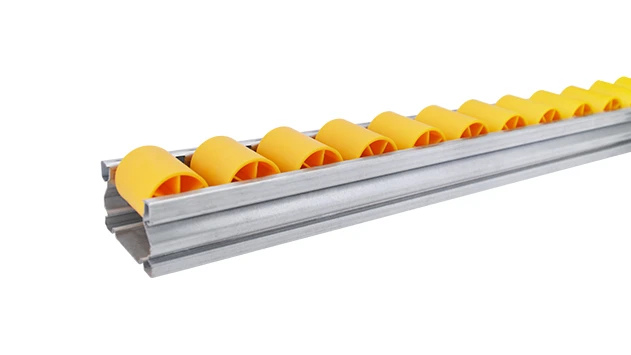
If you've ever walked through a busy manufacturing plant—whether it's 3C assembly lines churning out smartphones or medical device factories putting together life-saving equipment—you've probably seen it: the 60 Steel Roller Track Yellow, quietly doing its job. It's the backbone of conveyors that move parts from station to station, the heart of flow racks that keep materials within easy reach, and a key component of lean pipe systems that help factories run like well-oiled machines. But like any hardworking tool, it needs a little TLC to keep going strong. That's why we've put together this comprehensive care guide—so you can get the most out of your 60 Steel Roller Track Yellow for years to come.
1. Understanding Your 60 Steel Roller Track Yellow
Before we dive into care tips, let's take a minute to understand what your 60 Steel Roller Track Yellow is and why it's so important. This track is made from high-quality steel with a durable yellow coating—this coating isn't just for looks; it's designed to resist scratches, corrosion, and wear from daily use. It's a versatile component that fits into many parts of your production line: you'll find it in conveyors that transport parts between workstations, flow racks that hold components for easy picking, and even in lean pipe systems that help you organize your workspace efficiently.
What makes this track stand out? Its ability to handle heavy loads without bending, and its smooth rollers that let parts glide easily. It's used in a wide range of industries—from 3C assembly (where precision is key) to medical device manufacturing (where cleanliness matters most) and (warehousing and logistics) where efficiency is everything. No matter what industry you're in, your 60 Steel Roller Track Yellow is a workhorse that keeps your operations moving.
Let's talk about its components for a second. Each track consists of a steel frame with evenly spaced rollers, held together by roller track connectors. These connectors are often attached to aluminum profile accessories, which are part of the lean pipe system that supports the track. The yellow coating acts as a barrier against moisture and rust, but it's not indestructible—so taking care of it is crucial to extending the track's lifespan.
2. Daily Quick Checks (5 Minutes)
Daily checks are the foundation of good track care. They take just 5 minutes, but they can prevent big problems down the line. Let's break them down:
Wipe Down the Track: Grab a dry microfiber cloth and wipe the entire length of the track. Why? Because even small bits of dust or debris can get stuck between the rollers, making them slow or stick. Pay special attention to the gaps between the rollers—those are the spots where debris likes to hide.
Test Roller Movement: Run your hand along the rollers. Each one should spin freely when you give it a gentle nudge. If a roller feels stuck, don't force it (you might break it). Just make a note of it to check later during your weekly deep clean.
Check Roller Track Connectors: Take a quick look at the connectors that hold the track together. Are any of them loose? If you see a bolt that's wiggling, grab a wrench and tighten it (but don't overdo it—you don't want to strip the threads). Loose connectors can cause the track to shift, leading to misalignment and stuck rollers.
Inspect for Spills: If you work in an industry where liquids are used (like medical device manufacturing or 3C assembly), check for any spills on the track. If you see a spill, wipe it off immediately with a dry cloth to prevent moisture from seeping under the yellow coating and causing rust.

3. Weekly Deep Clean & Inspection (15-20 Minutes)
Weekly deep cleans are where you get into the nitty-gritty of track care. This is when you remove debris, check for wear, and touch up any damage. Here's how to do it:
Clear the Track: First, remove all parts or materials from the track. You can't clean properly if there's stuff in the way. If your track is part of a conveyor or flow rack, you might need to stop production for a few minutes—plan this during a break to minimize downtime.
Clean with Mild Soap: Mix a small amount of mild dish soap with warm water. Dip a soft cloth into the soapy water, wring it out well (you don't want dripping water), and wipe down the entire track. Avoid harsh chemicals like bleach or ammonia—they'll eat away at the yellow coating. For hard-to-reach spots (like between rollers), use a soft-bristled toothbrush to gently scrub away debris.
Dry Thoroughly: After cleaning, dry the track completely with a clean towel. Moisture is the enemy of steel, so don't skip this step. If you leave water on the track, it can seep under the yellow coating and cause rust.
Inspect Rollers for Wear: Take a close look at each roller. Are any of them chipped? Do they spin without noise? If a roller is chipped, it might not roll evenly, which can damage the parts moving on it. If you notice a chipped roller, make a note to replace it during your monthly maintenance.
Touch Up Yellow Coating: Check the yellow coating for scratches or peeling. If a scratch goes all the way down to the steel, that's a problem—rust can start there. Grab a small bottle of matching yellow paint (you can get this from your supplier) and touch up the scratch. It's a small step, but it'll keep rust at bay.
Check Aluminum Profile Accessories: If your track is attached to aluminum profile accessories (like those used in lean pipe workbenches), make sure the accessories are in good shape. Are any of them bent or worn? If so, replace them to keep the track stable.

4. Monthly Preventive Maintenance (30 Minutes)
Monthly maintenance is all about preventing problems before they start. It takes a bit longer than daily or weekly checks, but it's worth it to keep your track running smoothly. Here's what to do:
Lubricate Rollers: Lubrication is key to keeping rollers spinning freely. Use a light machine oil (like SAE 10) or a silicone-based lubricant. Avoid heavy oils—they'll attract dust and debris. To apply the oil, take a small dropper and put one drop on each roller's axle. Then, spin the roller a few times to spread the oil evenly. Wipe off any excess oil with a clean cloth to keep the track clean.
Check Track Alignment: Place a straight edge along the track. Does the track follow the straight edge perfectly? If it's bent, gently adjust it (but if it's a big bend, you might need to replace the section). Misaligned tracks can cause parts to veer off or get stuck.
Inspect for Rust: Look under the yellow coating (especially in areas where it's scratched) for any signs of rust. If you see rust, sand it lightly with fine-grit sandpaper, clean the area with a dry cloth, and touch up with yellow paint. This will stop the rust from spreading.
replace Worn Parts: Now's the time to replace any parts you noted during your weekly checks. This includes chipped rollers, loose roller track connectors, or worn aluminum profile accessories. Replacing parts early will save you money in the long run—because a broken part can cause more damage to the track if left unrepaired.
Test Load Capacity: If your track is used to carry heavy loads, test its capacity once a month. Put a load that's slightly heavier than your usual load on the track and see if it holds. If the track bends or the rollers stick, you might need to reinforce it with additional supports.
5. Seasonal Care Tips
Different seasons bring different challenges for your track. Here's how to care for it year-round:
Rainy/ Humid Seasons: Humidity is a big enemy of steel. During rainy seasons, increase the frequency of your rust checks from monthly to weekly. Use a dehumidifier in the workspace to reduce moisture. If you notice any water on the track, wipe it off immediately.
Cold/ Dry Seasons: Dry air can cause dust to build up quickly. So, increase the frequency of your daily wipes. If the track is in an unheated area, check for ice buildup (though this is unlikely in most manufacturing environments). If ice is present, melt it with warm water and dry the track thoroughly.
Hot Seasons: Extreme heat can cause the yellow coating to fade or peel. Keep the track away from direct sunlight if possible. If the track is in a hot area, check the coating more often for signs of damage.
6. Troubleshooting Common Issues
Even with regular care, you might run into some issues with your 60 Steel Roller Track Yellow. Don't worry—most problems are easy to fix. Below is a troubleshooting table to help you:
| Common Issue | Possible Causes | Solutions |
|---|---|---|
| Rollers are sticking | Dust buildup, lack of lubrication, bent axle | Clean rollers, lubricate axles, replace bent axles |
| Yellow coating peeling | Harsh chemicals, scratches left untreated | Use mild soap, touch up scratches immediately |
| Track misaligned | Loose connectors, overloading, bent section | Tighten connectors, reduce load, replace bent section |
| Unusual noise from rollers | Dry axles, worn rollers, debris trapped | Lubricate axles, replace rollers, clean debris |
| Rust under coating | Scratches, moisture buildup | Sand rust, clean, touch up with paint |
7. Long-Term Care Strategies
To get the most out of your 60 Steel Roller Track Yellow, you need to think long-term. Here are some strategies to help it last for years:
Proper Storage: If you need to store the track (like during a production line change), keep it in a dry, cool place. Don't stack heavy items on it—this can cause bending. Cover it with a cloth to keep dust off.
Use Compatible Parts: When replacing parts (like rollers or connectors), always use parts that are compatible with your track. Using incompatible parts can cause damage and reduce the track's lifespan.
Follow Lean Principles: Your track is part of a lean pipe system, so follow lean principles like "kaizen" (continuous improvement). Regularly check if the track is being used efficiently. Can you adjust it to make your production line faster? Small improvements can go a long way.
Train Your Team: Make sure your team knows how to care for the track. Teach them the daily checks and weekly cleans. When everyone is involved, the track will get the care it needs.
8. Conclusion
Taking care of your 60 Steel Roller Track Yellow doesn't have to be hard. With daily quick checks, weekly deep cleans, monthly maintenance, and seasonal care, you can extend its lifespan by years. Remember: every small step counts—whether it's wiping down the track, touching up a scratch, or lubricating the rollers. Your track is a key part of your production line, so investing time in its care is investing in your business's success. By following this guide, you'll keep your track running smoothly, reduce downtime, and save money on replacements. So, start today—your 60 Steel Roller Track Yellow will thank you!