- Company Articles
- Products and Technology
- Installation And Maintenance
- Extending Lifespan: Caring for 40 Steel Roller Track Black ESD Wheel Bearings

Extending Lifespan: Caring for 40 Steel Roller Track Black ESD Wheel Bearings
Related Product
40 Steel Roller Track Black ESD Wheel
The roller track can be installed with multiple accessories to create different slopes and configurations of flow racks.All steel conveyor 40 roller track accessories are engineered to perfectly fit the sliding rail.
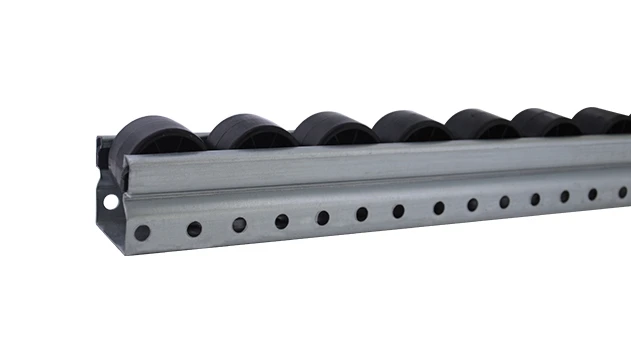
Extending Lifespan: Caring for 40 Steel Roller Track Black ESD Wheel Bearings
Let's start with a scenario we've all heard of (or even experienced): A busy production line suddenly slows down. The culprit? A stuck roller track bearing. What starts as a minor hiccup quickly turns into delayed orders, frustrated teams, and unexpected costs. But here's the good news: With the right care, your 40 Steel Roller Track Black ESD Wheel Bearings can keep rolling smoothly for years, keeping your operations efficient and your bottom line healthy. In this guide, we'll walk through practical, actionable steps to extend their lifespan—because when your equipment thrives, so does your business.
Why These Bearings Matter More Than You Think
First, let's talk about what makes these bearings special. The 40 Steel Roller Track Black ESD Wheel Bearings are the unsung heroes of your lean pipe system. They're designed to handle the daily grind of material flow—whether you're moving delicate 3C components, heavy automotive parts, or sterile medical supplies. Their ESD (Electrostatic Discharge) protection is a game-changer, too: in industries like electronics or medical device manufacturing, even a tiny static spark can ruin products worth thousands. And let's not forget durability—crafted from high-grade steel, they're built to withstand constant use. But like any hardworking team member, they need a little TLC to stay at the top of their game.
Pro Tip: A well-maintained bearing doesn't just last longer—it also ensures consistent ESD protection. Inconsistent performance here could mean costly product defects, especially in sensitive sectors like 3C assembly or medical equipment production.

Common Issues That Shorten Bearing Lifespan (And How to Spot Them Early)
Before we dive into (bǎoyǎng—maintenance, for those learning the ropes), let's spot the red flags. These are the early warning signs that your bearings need attention:
- Unusual Noises: A faint squeak or grinding sound isn't just annoying—it's your bearing saying, "Check my lubrication!"
- Sluggish Movement: If materials start "sticking" on the roller track, friction is building up. Left unchecked, this leads to wear and tear.
- Visible Rust or Debris: Dust, oil, or metal shavings around the bearing housing are like kryptonite for smooth operation.
- ESD Failures: If your ESD workstation suddenly shows static discharge issues, the bearing's conductive properties might be compromised.
The good news? Most of these issues are preventable with regular care. Let's get into the step-by-step routine.

Step-by-Step Maintenance Routine: Keep Those Bearings Rolling
Think of this as a "bearing care checklist" you can start using today. We've broken it down into easy-to-follow steps, no fancy tools required (though we'll mention some pro tools later!)
1. Regular Inspection: Catch Problems Before They Start
Frequency: Do a quick visual check daily; a deeper inspection weekly.
What to do: - Visual Check: Look for signs of wear—cracks, rust, or debris stuck in the wheel. Pay extra attention to the ESD coating on the black wheel; if it's chipping, it might need re-treatment. - Manual Test: Gently spin the wheel. It should rotate smoothly, with no wobbling or resistance. If it feels "stiff," it's time for cleaning and lubrication. - ESD Test: Use an ESD meter to ensure the bearing still conducts static safely. This is non-negotiable for 3C assembly or medical device lines!
2. Cleaning: Keep Them Debris-Free
Dust, oil, and metal particles are the biggest enemies here. Even a tiny speck can cause friction, leading to premature wear.
How to clean: - For Light Debris: Use a soft-bristle brush (a clean paintbrush works!) to sweep away dust from the bearing housing and wheel edges. - For Grease/Oil Buildup: Dampen a lint-free cloth with isopropyl alcohol (ESD-safe, of course!) and wipe the surfaces gently. Avoid harsh chemicals—they can damage the ESD coating. - Pro Move: If your roller track is part of a busy conveyor system, consider installing a simple dust guard (we offer custom options as part of our lean solution packages!) to reduce debris buildup in the first place.
3. Lubrication: The Secret to Smooth Rolling
Lubrication is like "food" for bearings—without it, they starve. But not all lubricants are created equal, especially for ESD-sensitive environments.
Best practices: - Choose the Right Lubricant: Use a silicone-based, ESD-safe lubricant. Avoid petroleum-based products—they attract dust and can degrade the bearing material over time. - Apply Sparingly: A little goes a long way! Too much lubricant will just collect dirt. Apply 2-3 drops directly to the bearing race (the inner ring where the wheel rotates). - Timing: Lubricate every 2-4 weeks for high-use lines (like automotive or consumer electronics), and monthly for moderate use. For low-use systems, quarterly is usually enough.
4. Tighten and Align: Keep Everything in Place
Vibration from constant use can loosen the bolts holding the bearing to the roller track. A loose bearing doesn't just wobble—it puts extra stress on the entire lean pipe structure.
Quick fix: Once a month, use a torque wrench to check the mounting bolts. Refer to your roller track manual for the correct torque (usually 8-10 Nm for these bearings). While you're at it, ensure the roller track is aligned properly—misalignment causes uneven wear on the bearings.
5. replace Worn Parts Promptly: Don't Wait for a Breakdown
Even with perfect care, parts wear out. The key is to replace them before they fail. Look for these signs it's time for a new bearing:
- Persistent noise (grinding, squeaking) even after cleaning/lubrication
- Visible cracks in the steel housing or wheel
- ESD readings that fall outside safe ranges (even after re-coating)
- Wheel wobbles more than 1mm when spun
When replacing, always use genuine parts. Our 40 Steel Roller Track Black ESD Wheel Bearings are designed to fit seamlessly with our lean pipe systems, ensuring optimal performance and safety.
Maintenance Schedule: A Quick Reference Table
| Use Frequency | Daily | Weekly | Monthly | Quarterly |
|---|---|---|---|---|
| High-Use (e.g., Automotive, 3C Assembly) | Visual check for debris | Deep clean + spin test | Lubricate + bolt check + ESD test | Full alignment check |
| Moderate-Use (e.g., Medical Equipment, Warehousing) | Visual check (as needed) | Visual check + spin test | Clean + lubricate | Bolt check + ESD test |
| Low-Use (e.g., Spare Parts Storage) | — | Visual check | Spin test | Clean + lubricate + ESD test |
Industry-Specific Tips: Tailoring Care to Your Needs
Different industries have different demands—so your bearing care should adapt too. Here's how to tweak the routine for common sectors we serve:
Medical Device Manufacturing
Cleanliness is critical here. Use sterile, alcohol-based cleaners to avoid contamination. Also, opt for lubricants approved for medical environments (we can recommend specific products!).
Automotive Production
Heavy loads mean more stress on bearings. Tighten bolts biweekly instead of monthly, and use a heavier-duty lubricant to handle the pressure.
3C Assembly (Electronics)
ESD protection is everything. Test ESD conductivity weekly, and avoid any cleaners that might degrade the black wheel's ESD coating. Our ESD workstations are designed to pair perfectly with these bearings, creating a fully protected workflow.
Why Partnering with the Right Supplier Matters for Longevity
At the end of the day, even the best maintenance can't (mǐbǔ—make up for) low-quality parts. That's why choosing a supplier who prioritizes durability and lean principles is key. Our 40 Steel Roller Track Black ESD Wheel Bearings are engineered with "sustainable improvement" in mind—the same lean (lǐniàn—philosophy) that drives all our products, from basic aluminum tubes to custom conveyor systems.
Here's what sets our bearings apart: - Premium Materials: High-grade steel construction resists wear and corrosion, even in harsh factory environments. - Precision Engineering: Each bearing is tested for smooth rotation and ESD performance before leaving our facility. - Lean Compatibility: Designed to work seamlessly with our lean pipe systems, so you get a unified, low-maintenance workflow. Need a custom roller track layout? Our lean solution team can design it to reduce bearing stress from day one. - Expert Support: Stuck on a maintenance issue? Our team of engineers is just a call away—we've helped hundreds of manufacturers optimize their bearing care routines.
FAQ: Your Bearing Care Questions Answered
Q: Can I use regular lubricant if I run out of ESD-safe lubricant?
A: We don't recommend it. Regular lubricants can interfere with ESD conductivity, putting sensitive electronics at risk. Keep a spare bottle of ESD-safe lubricant on hand—we offer small, affordable sizes for quick refills!
Q: My bearing is making noise, but it still spins. Should I replace it?
A: Not yet! Try cleaning and lubricating first—often, noise is just debris or dryness. If it persists after that, then replacement is the way to go. Better safe than sorry—delaying can damage the roller track itself.
Q: How do I know if my ESD coating is still effective?
A: Use an ESD surface resistance meter (we sell these too!). Safe readings are typically between 10^6 and 10^9 ohms. If it's outside that range, contact us—we can recoat or replace the wheel.
Q: Can these bearings be used in wet environments?
A: They're water-resistant, but not waterproof. If your facility has high moisture (e.g., food processing), we recommend our stainless steel roller track series instead—designed for wet conditions.
Final Thoughts: Your Bearings, Your Success
Caring for your 40 Steel Roller Track Black ESD Wheel Bearings isn't just about "maintenance"—it's about investing in your operation's efficiency and reliability. With daily checks, regular cleaning, and the right lubrication, you can extend their lifespan by 30% or more. And when it's time for replacement or upgrades, remember: You're not just buying a bearing—you're buying peace of mind, knowing it's backed by a team that lives and breathes lean manufacturing.
Ready to keep your production line rolling? Start with today's inspection—your future self (and your bottom line) will thank you. And if you ever need help—whether it's choosing parts, designing a leaner layout, or troubleshooting a tricky bearing issue—we're here. After all, your success is our success.