- Company Articles
- Products and Technology
- Installation And Maintenance
- Extending the Life of 2040 Aluminum Profile End Caps: Maintenance Hacks

Extending the Life of 2040 Aluminum Profile End Caps: Maintenance Hacks
Related Product
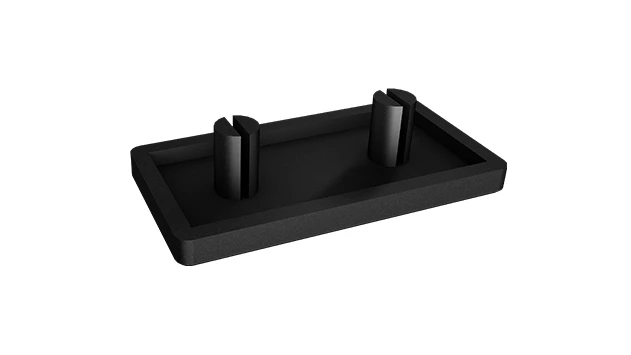
2040 Aluminum Profile End Cap
The aluminum profile end cap adds a finishing touch to your project and closes off profile ends to limit dust and debris buildup, also it can avaid some scratch for material and labor during the assemble work.
Introduction: The Unsung Heroes of Aluminum Extrusion Profiles
Walk into any workshop, factory, or manufacturing facility, and you'll likely see aluminum extrusion profiles hard at work. They form the backbone of workbenches, material racks, conveyor systems, and even custom machinery. These profiles are durable, lightweight, and endlessly versatile—but they're only as strong as their smallest components. Enter the 2040 aluminum profile end cap: a tiny, often-overlooked piece that plays a massive role in protecting your investment.
If you've ever run your hand along the end of an aluminum extrusion profile without an end cap, you know how sharp those raw edges can be. More than just a safety feature, end caps seal the open ends of the profile, keeping out dust, moisture, and debris that can cause internal corrosion. They also prevent the profile itself from getting dented or bent at the edges during handling. In short, a well-maintained end cap isn't just about aesthetics—it's about extending the life of the entire aluminum extrusion profile.
But here's the thing: end caps take a lot of abuse. They get knocked during loading, exposed to oils and chemicals, and subjected to temperature swings. Over time, even the sturdiest end cap can loosen, crack, or wear out. The good news? With a little proactive care, you can keep your 2040 aluminum profile end caps (and the profiles they protect) in top shape for years. Let's dive into the maintenance hacks that will save you time, money, and headaches down the line.
Common Issues Facing 2040 Aluminum Profile End Caps
Before we jump into solutions, let's talk about the problems. Understanding what causes end caps to fail is the first step in preventing it. Here are the most common issues workshop managers and DIY enthusiasts run into:
| Issue | Common Cause | Why It Matters |
|---|---|---|
| Loosening | Vibration from machinery, frequent handling, or improper installation | A loose end cap can fall off, exposing the profile to debris and creating safety hazards. |
| Cracks or Chips | Impact from tools, dropped parts, or rough storage | Cracks allow moisture and dust to seep into the profile, leading to corrosion. |
| Corrosion (on metal end caps) | Exposure to moisture, chemicals, or salt air (in coastal areas) | Corroded end caps weaken over time and can stain the aluminum profile. |
| Discoloration or Fading | UV exposure, chemical spills, or harsh cleaning agents | While not always a functional issue, discoloration can signal material degradation. |
| Warping (in plastic end caps) | Extreme heat or prolonged sunlight | Warped end caps no longer seal the profile properly, leaving it vulnerable. |
Now that we know what we're up against, let's tackle how to fix (and prevent) these issues.

Essential Maintenance Hacks for Long-Lasting End Caps
Maintenance doesn't have to be complicated. These simple, actionable steps will keep your end caps (and profiles) in great condition with minimal effort.
1. Regular Cleaning: Keep Them Free of Gunk and Grime
You wouldn't leave a dirty tool on the workbench—so why ignore a grimy end cap? Dirt, oil, and chemical residues can eat away at the end cap material, especially if it's plastic or coated metal. Aim to clean your end caps at least once a month (more often if they're in high-exposure areas like near conveyor belts or chemical stations).
Here's how: Start with a soft, lint-free cloth dampened with warm water. Wipe down the end cap, paying extra attention to the where it meets the profile—this is where dust and debris love to hide. For stubborn grime (like oil or grease), add a drop of mild dish soap to the water. Avoid harsh chemicals like bleach or solvents—they can discolor or degrade the end cap material.
Pro tip: For hard-to-reach crevices, use a soft-bristled toothbrush (old ones work great!) to gently scrub away buildup. Just be careful not to scratch plastic end caps.
2. Inspection: Catch Problems Early
Cleaning is the perfect time to inspect your end caps. Make it a habit to check each one for signs of wear during your monthly cleaning routine. Here's what to look for:
- Looseness: Gently wiggle the end cap. If it moves more than 1-2mm, it's time to tighten it (we'll cover how in the next section).
- Cracks or Chips: Run your finger along the edge of the end cap. Even small cracks can grow over time, so mark any you find for repair or replacement.
- Corrosion: For metal end caps, look for white, green, or brown spots—these are signs of rust or oxidation. For plastic end caps, check for brittleness (if it feels stiff or cracks when bent, it's aging).
- Discoloration: Yellowing plastic or faded colors might not affect function yet, but they're a warning sign that the material is breaking down. Note these for future replacement.
Keep a small notebook or digital log to track which end caps need attention. This way, you won't forget about that cracked cap on the third shelf of Rack B!
3. Tightening and Securing: Keep Them Snug
A loose end cap is a recipe for disaster. Over time, vibration from machinery or repeated handling can wiggle it free, leaving the profile exposed. Tightening end caps is quick, but it requires the right approach—especially if they're secured with aluminum profile fixings like screws or clips.
First, identify how your end cap is attached. Some 2040 aluminum profile end caps are press-fit (snapped into place), while others use small screws or clips that thread into the profile's T-slot. For press-fit end caps: Gently push or tap the end cap back into place using a rubber mallet (never a metal hammer—you'll dent the profile!). If it still feels loose, check if the profile's edge is bent; a quick straighten with pliers (wrapped in cloth to avoid scratches) might help the end cap seat better.
For end caps with aluminum profile fixings (like tiny screws): Use a precision screwdriver that fits the head perfectly (too small and you'll strip the screw; too large and you'll damage the end cap). Tighten the screw just until it's snug—over-tightening can crack plastic end caps or strip the threads in the aluminum profile. If the screw won't stay tight, the threads in the profile might be worn. In that case, add a drop of thread-locking adhesive (like Loctite Blue) to the screw before reinserting—it'll keep it secure without damaging the profile.
4. Protect Against Environmental Enemies
Your end caps don't just battle physical wear—they also fight the elements. Moisture, extreme temperatures, and UV rays can all take a toll. Here's how to shield them:
Moisture: If your workshop is humid or near water (like a wash station), moisture is public enemy number one. After cleaning, dry end caps thoroughly to prevent water from seeping into the profile. For extra protection, apply a thin coat of car wax (yes, car wax!) to plastic end caps—it creates a water-resistant barrier. For metal end caps, a light spray of corrosion inhibitor (like WD-40 Specialist Long-Term Corrosion Inhibitor) works wonders.
Temperature Swings: Aluminum and plastic expand and contract at different rates. In areas with extreme temperature changes (like unheated workshops in winter or sun-exposed areas in summer), check end caps seasonally. You might need to tighten them after a cold snap or loosen them slightly if they're warping in the heat (plastic end caps are most prone to this).
UV Rays: Sunlight can fade plastic end caps and make them brittle over time. If your aluminum extrusion profiles are near windows or skylights, consider adding UV-protective film to the glass, or cover the profiles with a light cloth during peak sunlight hours. For outdoor setups (like patio railings made from aluminum profiles), invest in UV-stabilized end caps—they're designed to resist sun damage.
5. Handling and Storage: Prevent Damage Before It Happens
Sometimes, the best maintenance is prevention. How you handle and store your aluminum profiles (and their end caps) can make a huge difference in their lifespan. Here are a few tips:
- Don't drag profiles: Dragging an aluminum extrusion profile across the floor can catch the end cap on cracks or debris, yanking it off or chipping it. Always lift profiles when moving them, or use a hand truck with padded rails.
- Store upright, not stacked: When storing extra profiles, stand them upright in a rack (like Material Rack B, with 3 rows and 3 floors) instead of stacking them horizontally. Stacking can put pressure on end caps, causing them to crack or loosen.
- Use protective covers: If you're storing profiles for an extended period, slide a piece of cardboard or foam over the end caps to prevent dust buildup and accidental bumps. You can also use aluminum profile rubber strip (another handy aluminum profile accessory!) to cushion the ends.

Advanced Care: When to Repair vs. replace
Even with the best maintenance, end caps will eventually wear out. Knowing when to repair and when to replace can save you from bigger problems later. Here's a quick guide:
Repair When: The issue is minor and doesn't compromise the end cap's function. For example: a small crack in a plastic end cap can be patched with epoxy (choose a clear, waterproof one); a loose press-fit end cap can be re-seated; or a slightly corroded metal end cap can be sanded and repainted (use spray paint designed for metal, like Rust-Oleum).
replace When: The end cap is too damaged to fix. Signs include: large cracks that can't be patched, severe corrosion that weakens the end cap, warping that prevents a tight seal, or a missing end cap (don't wait to replace—exposed profiles are vulnerable!).
When replacing, always opt for quality aluminum profile accessories. Cheap knockoffs might save a few dollars now, but they'll wear out faster and could damage your aluminum extrusion profile. Look for end caps made from durable materials: reinforced plastic (like ABS), anodized aluminum, or stainless steel (for high-moisture areas). And make sure they're specifically designed for 2040 profiles—ill-fitting end caps won't seal properly.
Pro tip: Keep a few spare 2040 aluminum profile end caps in your toolbox or parts bin. That way, you can replace a damaged one immediately instead of letting the profile sit exposed while you wait for a replacement to arrive.
Conclusion: Small Care, Big Results
At the end of the day, 2040 aluminum profile end caps might seem like small fry in the grand scheme of your workshop or facility. But as any seasoned manager will tell you, it's the small details that add up. A missing end cap today could lead to a corroded profile tomorrow—and a corroded profile means costly replacements, downtime, and safety risks.
By incorporating these maintenance hacks into your routine—regular cleaning, thorough inspections, proper tightening, environmental protection, and smart handling—you'll extend the life of your end caps and the aluminum extrusion profiles they protect. And when it's time to replace them, investing in quality aluminum profile accessories ensures you're not just patching a problem, but building for the future.
So the next time you walk through your workshop, take a second to check those end caps. A little care today will save you a lot of trouble tomorrow. After all, in the world of aluminum profiles, the smallest parts often have the biggest impact.