- Company Articles
- Products and Technology
- Product knowledge
- External Straight Aluminum Joint Load Capacity: What You Need to Know

External Straight Aluminum Joint Load Capacity: What You Need to Know
Related Product
External Straight Aluminum Joint
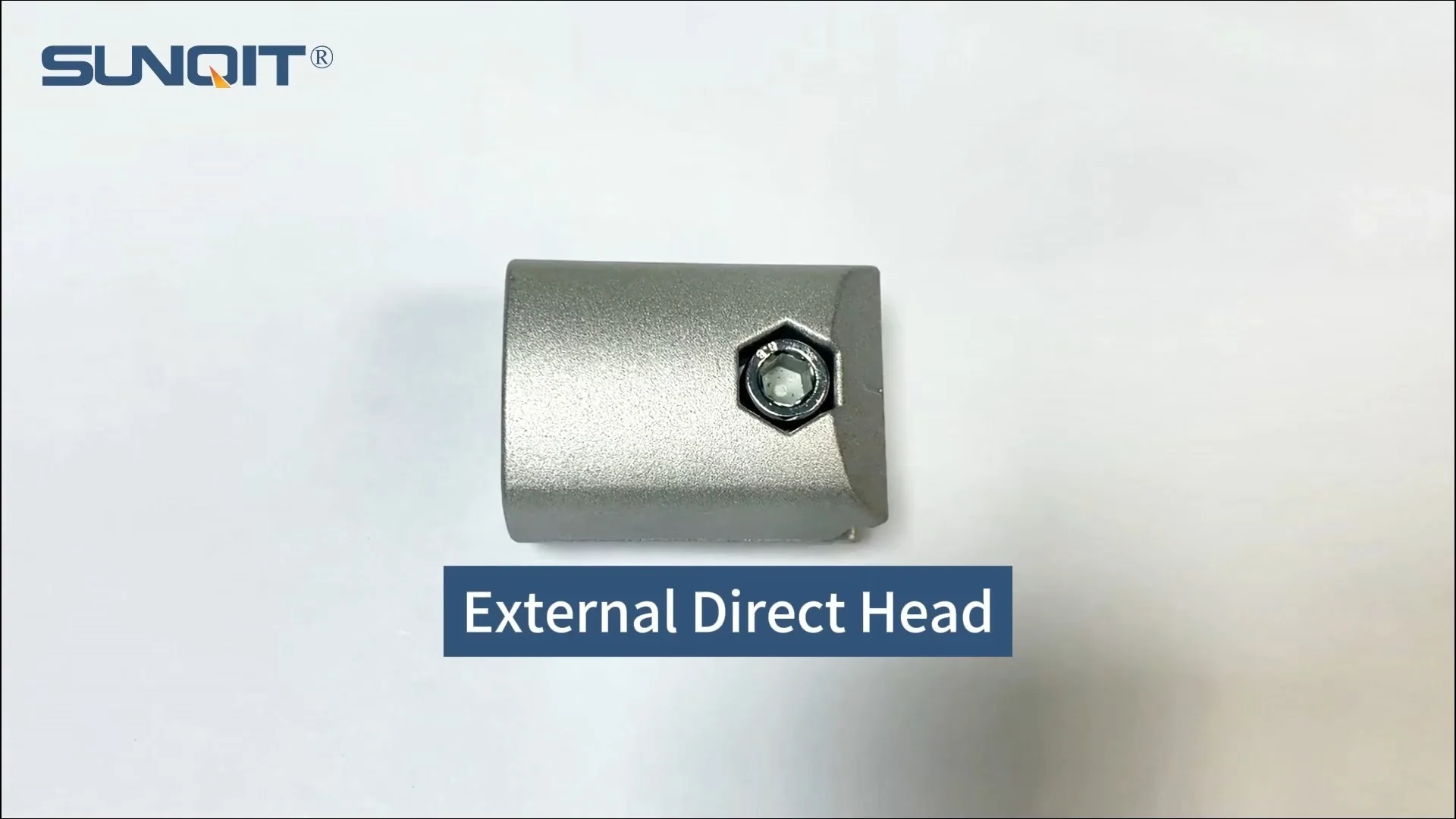
Aluminum pipe joint outside connection used for two pcs 28pcs aluminum pipe connection in straight angle,it connects two pcs pipe from outside.
In the world of manufacturing and production, every component—no matter how small—plays a role in keeping operations running smoothly. From the largest conveyor systems to the tiniest fasteners, each part contributes to efficiency, safety, and reliability. One such unsung hero is the external straight aluminum joint . These unassuming connectors are the backbone of modular systems built with aluminum lean pipe, holding together everything from workbenches to material racks. But here's the thing: not all joints are created equal, and their load capacity—the maximum weight they can safely support—can make or break your setup. In this article, we'll dive deep into what load capacity means for external straight aluminum joints, why it matters, the factors that influence it, and how to ensure you're choosing the right joint for your needs. Whether you're setting up a new production line or upgrading an existing one, understanding this critical specification will save you time, money, and headaches down the line.
What Is an External Straight Aluminum Joint?
Let's start with the basics: What exactly is an external straight aluminum joint? Simply put, it's a hardware component designed to connect two pieces of aluminum lean pipe in a straight line. Unlike internal joints, which fit inside the pipe, external joints clamp around the outside of the pipe, creating a secure, rigid connection. Think of it as the "bridge" between two sections of pipe, ensuring they stay aligned and stable even when under load.
These joints are typically made from high-grade aluminum alloys, like 6061 or 6063, known for their strength-to-weight ratio. They often feature a split design with screws or bolts that tighten around the pipe, creating friction and holding the connection in place. Some models may also include rubber or plastic gaskets to prevent slipping or damage to the pipe's surface. While their primary function is to connect straight sections, they can also be part of more complex setups when paired with other aluminum profile accessories, like elbows or tees, to build custom structures.
You'll find these joints in a wide range of applications: from simple workbenches in small workshops to large-scale material handling systems in automotive plants. They're a staple in lean manufacturing environments, where modularity and flexibility are key. Because they're easy to install and reconfigure, they allow teams to adapt their workspace as needs change—without welding or specialized tools. But none of this flexibility matters if the joint can't handle the weight it's expected to support. That's where load capacity comes in.
Why Load Capacity Matters: Safety, Efficiency, and Cost
Load capacity isn't just a technical specification—it's a safety critical factor. Imagine this: You've just set up a new workbench using aluminum lean pipe and external straight joints. The workbench is supposed to hold heavy machinery parts, tools, and bins of components. If the joints you chose have a load capacity lower than the weight you're placing on the bench, over time, the connections could loosen, bend, or even fail. The result? A collapsed workbench, damaged equipment, and potentially injured employees. That's a worst-case scenario, but even minor issues—like sagging shelves or wobbly structures—can slow down production, create frustration, and lead to costly downtime.
Beyond safety, load capacity impacts efficiency. A joint that's undersized for the task will require more frequent checks and replacements, taking your team away from their core work. On the flip side, overestimating load capacity and choosing an overly heavy-duty joint can drive up costs unnecessarily. Aluminum components are already lightweight, but heavier joints (with higher load capacities) often come with a higher price tag. Balancing the right load capacity with your actual needs ensures you're not wasting money on overkill or cutting corners on safety.
Let's take a real-world example: A electronics manufacturer uses a material rack B (3 row and 3 floor) to store circuit boards and components. Each shelf is built with aluminum lean pipe and external straight joints. If the joints on the middle shelf have a load capacity of 50kg, but the shelf regularly holds 70kg of materials, the joints will gradually weaken. Over time, the shelf might start to dip, causing components to slide off or become damaged. This not only disrupts production but also leads to wasted materials and rework. By choosing joints with a load capacity of 100kg (a safe buffer above the 70kg actual load), the manufacturer avoids these issues and keeps the line running smoothly.

Factors That Influence Load Capacity
Load capacity isn't a one-size-fits-all number. It depends on several factors, each of which can affect how much weight an external straight aluminum joint can safely support. Let's break them down:
1. Material and Manufacturing Quality
The type of aluminum alloy used in the joint is a major factor. Alloys like 6061-T6 are heat-treated for increased strength, making them ideal for high-load applications. Cheaper alloys or poorly manufactured joints (with inconsistencies in thickness or weak points) will have lower load capacities. For example, a joint made from recycled aluminum with impurities might crack under stress, while a precision-cast 6061 joint will hold firm. Always check the manufacturer's specs for the alloy grade and tensile strength—this is a good indicator of quality.
2. Joint Design and Geometry
The design of the joint plays a big role. Look at the contact area: a joint that clamps around 80% of the pipe's circumference will distribute weight better than one that only clamps 50%. Thicker walls in the joint body also increase strength—think of it like a thicker beam supporting more weight. Some joints feature reinforced ribs or gussets (small triangular supports) at stress points, which can boost load capacity by 20-30%. Additionally, the number of fasteners (screws or bolts) matters: a joint with four bolts will hold more securely than one with two, as the load is spread across more connection points.
3. Pipe Size and Wall Thickness
The joint is only as strong as the pipe it's connecting. A joint rated for 100kg might fail if paired with a thin-walled aluminum pipe (e.g., 1.0mm thickness) that bends under load. Most external straight joints are designed for specific pipe diameters (common sizes include 28mm, 30mm, or 40mm). Using a pipe smaller than the joint's intended size will result in a loose fit, reducing load capacity. Conversely, a pipe with a thicker wall (like 1.5mm vs. 1.2mm) provides a sturdier base, allowing the joint to transfer weight more effectively. Always match the joint size to the pipe size and wall thickness specified by the manufacturer.
4. Installation and Torque
Even the best joint will underperform if installed incorrectly. Over-tightening the bolts can strip the threads or warp the joint, weakening it. Under-tightening leaves gaps, causing the joint to slip when loaded. Most manufacturers recommend a specific torque (e.g., 8-10 Nm) for the fasteners—use a torque wrench to ensure accuracy. Proper alignment is also key: if the pipes are slightly angled instead of perfectly straight, the joint will experience uneven stress, reducing its load capacity. Take the time to align pipes carefully before tightening the joint.
5. Environmental Conditions
Extreme temperatures, humidity, or exposure to chemicals can degrade the joint over time. Aluminum is corrosion-resistant, but in highly humid or salty environments (like coastal factories), joints may develop surface corrosion, weakening the material. High temperatures (above 100°C) can soften the aluminum, reducing its strength. If your facility has harsh conditions, look for joints with anodized or powder-coated finishes for extra protection. Regular cleaning with a mild detergent can also prevent buildup of corrosive substances.

Testing Load Capacity: How Manufacturers Determine the Numbers
You might wonder: How do manufacturers come up with load capacity numbers? It's not guesswork—they use rigorous testing methods to ensure accuracy. Here's a peek into the process:
| Test Type | What It Measures | How It's Done |
|---|---|---|
| Static Load Test | Maximum weight the joint can support without movement | The joint is mounted between two fixed pipes, and a gradual weight is applied (e.g., 10kg increments) until the joint deforms or fails. The load at failure is recorded, and the safe working load (SWL) is set to 25-50% of this number (a safety factor). |
| Dynamic Load Test | Weight support during movement or vibration | The joint is subjected to repeated loading/unloading or vibration (simulating production floor conditions). The SWL here is often lower than static load, as movement increases stress on the joint. |
| Fatigue Test | Durability over time | The joint is loaded to 70% of its static SWL and cycled (loaded/unloaded) thousands of times. If it withstands 100,000 cycles without failure, it's considered fatigue-resistant. |
For example, a manufacturer might test an external straight aluminum joint and find it fails at 200kg during a static load test. They'll then set the SWL at 100kg (a 2:1 safety factor), meaning the joint is rated to safely hold up to 100kg in static conditions. This safety factor is crucial—it accounts for real-world variables like uneven loading, installation errors, or material fatigue over time.

Real-World Applications: Where Load Capacity Makes a Difference
Now that we understand the "why" and "how" of load capacity, let's look at some common applications where choosing the right external straight aluminum joint matters:
Workbenches
A workbench is the heart of any workshop, and its stability depends on the joints holding up the tabletop. Take the workbench E (single deck-without caster) , a popular model in assembly lines. If the external straight aluminum joints connecting the legs to the frame have a load capacity of 80kg per joint, and the bench has four legs, the total load capacity would be around 320kg (minus the weight of the bench itself). This needs to cover tools, materials, and the worker's weight. A bench used for heavy machinery repair might need joints with 120kg capacity each to handle the extra load.
Material Racks and Flow Racks
Material racks, like the material rack B (3 row and 3 floor) , rely on joints to support stacked shelves. Each shelf's weight (plus the materials on it) is transferred through the joints to the uprights. If the external straight joints on the middle shelf are underrated, the shelf could sag, causing materials to shift or fall. For a rack holding 50kg per shelf, joints with a 75kg capacity (a 50% buffer) are a smart choice to ensure long-term durability.
Conveyor Systems
Conveyors use aluminum lean pipe and joints to support roller tracks, which carry products along the line. External straight joints here must handle dynamic loads—products sliding or bouncing on the rollers. A joint with low dynamic load capacity might loosen over time, leading to jams or misaligned tracks. For a conveyor moving 10kg boxes, joints with a dynamic SWL of 15kg ensure smooth, reliable operation.
Tips for Maintaining Load Capacity Over Time
Even the best external straight aluminum joint will lose load capacity if not properly maintained. Here are some simple tips to keep your joints performing at their best:
- Inspect regularly: Check joints monthly for signs of wear—loose bolts, cracks, or deformation. Tighten bolts to the recommended torque if they're loose.
- Clean and protect: Wipe joints with a damp cloth to remove dust, oil, or chemicals. In humid areas, apply a light coat of anti-corrosion spray (avoiding the threads, as this can cause bolts to loosen).
- replace when needed: If a joint is cracked, bent, or shows signs of fatigue (like permanent deformation), replace it immediately. Don't try to "save" a worn joint—it's not worth the risk.
- Use the right accessories: Pair joints with compatible aluminum pipe accessories , like washers or locknuts, to prevent slipping. Avoid mixing and matching brands, as specs can vary.
Conclusion: Invest in the Right Joint for Peace of Mind
The external straight aluminum joint might seem like a small part of your production setup, but its load capacity has a big impact on safety, efficiency, and cost. By understanding the factors that influence load capacity—material quality, design, installation, and environment—you can choose joints that meet your needs and stand the test of time. Whether you're building a workbench, a material rack, or a conveyor system, don't overlook this critical component. Invest in high-quality joints from a reputable aluminum lean pipe supplier , follow proper installation and maintenance practices, and you'll ensure your systems run smoothly for years to come. After all, in manufacturing, the strongest foundations start with the smallest details.