- Company Articles
- Products and Technology
- Product knowledge
- External Straight Aluminum Joint Models: Comparing Series A, B, and C

External Straight Aluminum Joint Models: Comparing Series A, B, and C
Related Product
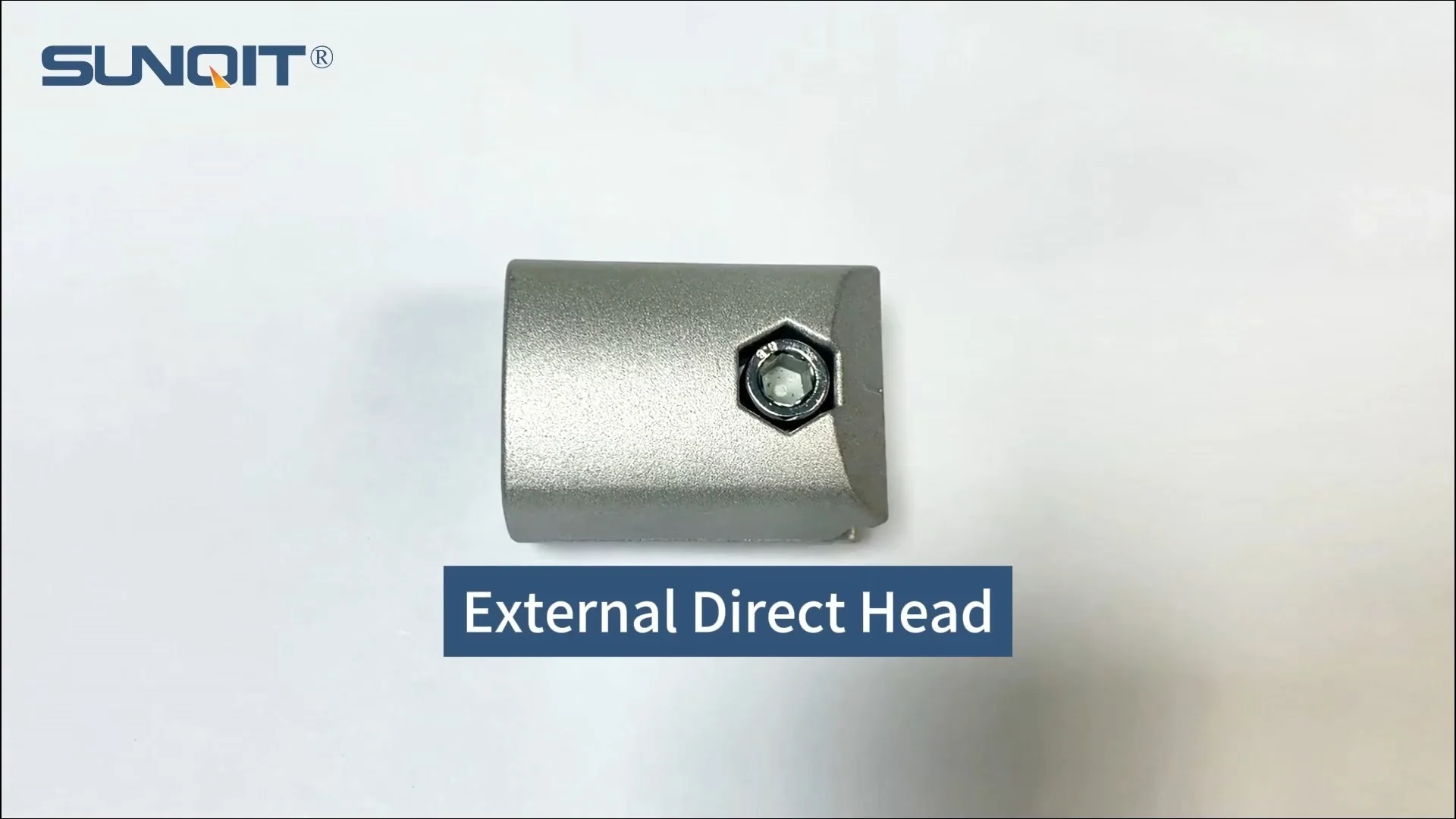
External Straight Aluminum Joint
Aluminum pipe joint outside connection used for two pcs 28pcs aluminum pipe connection in straight angle,it connects two pcs pipe from outside.
In the fast-paced world of manufacturing, warehousing, and assembly, efficiency isn't just a buzzword—it's the backbone of daily operations. Every tool, every component, and every system plays a role in keeping workflows smooth, costs in check, and teams productive. Among the unsung heroes of this ecosystem are aluminum lean pipe systems. Lightweight yet durable, highly customizable, and endlessly adaptable, these systems have revolutionized how workbenches, material racks, conveyors, and trolleys are built. But ask any facility manager or production engineer, and they'll tell you: the real magic lies in the details. Specifically, in the joints that hold these systems together.
Today, we're diving deep into a critical component of aluminum lean pipe setups: external straight aluminum joints. These small but mighty connectors are the glue (quite literally) that transforms basic aluminum pipes into robust, functional structures. And while they might seem interchangeable at first glance, not all joints are created equal. In this guide, we'll focus on three popular models—Series A, B, and C—to help you understand their unique strengths, ideal applications, and how to choose the right one for your project. Whether you're setting up a new assembly line, upgrading a warehouse rack, or building a custom workbench, knowing the difference between these joints could mean the difference between a system that lasts for years and one that falters under pressure.
Understanding External Straight Aluminum Joints
Before we jump into comparisons, let's get clear on what external straight aluminum joints are and why they matter. In aluminum lean pipe systems, "external" means the joint wraps around the outside of the pipes, as opposed to internal joints that fit inside. "Straight" refers to their primary function: connecting pipes in a straight line, though many models can also be adjusted for slight angles with accessories. These joints are typically made from high-grade aluminum alloy, chosen for its strength-to-weight ratio, corrosion resistance, and compatibility with aluminum pipe accessories like clamps, end caps, and brackets.
Think of them as the connectors that turn individual aluminum pipes into a cohesive unit. A well-designed joint ensures stability, allows for easy assembly and disassembly (a must for lean manufacturing's "adapt and evolve" philosophy), and can even contribute to the system's overall load capacity. Poorly chosen joints, on the other hand, can lead to wobbly structures, frequent breakdowns, and safety hazards—none of which have a place in a well-run operation.
Now, let's meet our three contenders: Series A, B, and C. Each is engineered with specific use cases in mind, from lightweight workbenches to heavy-duty material handling. By the end of this article, you'll know which one deserves a spot in your next project.
Series A: The Lightweight Workhorse
Design & Construction
Series A external straight aluminum joints are the "everyday" option for many teams. Designed with simplicity and cost-effectiveness in mind, they feature a sleek, compact profile that makes them easy to handle and install. Most models in this series are die-cast from aluminum alloy 6061, a material prized for its excellent formability and moderate strength. The finish is typically anodized, which adds a thin layer of protection against rust and wear—perfect for indoor environments like assembly lines or office workshops.
What sets Series A apart is its minimalist design. The joint consists of two curved clamp halves that wrap around the outer diameter of the aluminum pipe, secured by two or four hex bolts. This straightforward structure means no complex tools are needed for installation; a basic hex key or wrench is usually sufficient. The clamps are lined with a rubber or plastic gasket to prevent slipping and protect the pipe's surface from scratches—a small detail that goes a long way in maintaining the system's appearance over time.
Key Features
- Lightweight: Weighing in at just 80-120 grams per unit (depending on pipe size), Series A joints add minimal bulk to the system, making them ideal for structures that need to be moved or reconfigured frequently.
- Budget-Friendly: As the most economical option among the three series, Series A is a favorite for small businesses, startups, or projects with tight cost constraints.
- Compatible with Standard Aluminum Pipes: Designed to fit 28mm and 30mm diameter aluminum lean pipes, the most common sizes in light-duty applications.
- Quick Assembly: The bolt-on design allows for tool-free adjustments (though a wrench helps secure it tightly), cutting down on setup time.
Ideal Applications
Series A joints shine in light to medium-duty scenarios where load capacity isn't the primary concern. Here are a few real-world examples:
- Workbenches: Simple, single-deck workbenches (like the "Workbench E (single deck-without caster)" model) used for assembly, packaging, or quality control. These workbenches rarely bear loads over 150kg, which Series A handles comfortably.
- Small Material Racks: Lightweight shelving for storing tools, small parts, or finished goods in low-traffic areas. Think of a 2-row, 2-floor rack in a workshop, not a warehouse pallet rack.
- Turnover Trolleys: Manual trolleys used to transport small batches of materials across short distances. The joint's lightweight nature keeps the trolley easy to push, even when loaded.
- Prototyping Setups: When teams need to experiment with system designs before finalizing, Series A's low cost and easy adjustability make it perfect for iterative testing.
Limitations to Consider
While Series A is versatile, it's not built for heavy lifting. Its load capacity tops out at around 50kg per joint (when evenly distributed), which means it's not suitable for:
- Heavy-duty material racks holding large components or bulk inventory.
- Conveyor systems or roller tracks that need to support continuous product flow.
- Outdoor use or environments with high moisture, as the anodized finish offers limited corrosion resistance compared to stainless steel options.
Another thing to note: over-tightening the bolts can warp the clamp halves, reducing grip strength over time. It's a common mistake, but easy to avoid with a torque wrench set to the manufacturer's recommended level (usually 2-3 Nm).

Series B: The Balanced Performer
Design & Construction
If Series A is the "budget option," Series B is the "reliable middle child"—balancing strength, cost, and versatility. These joints are engineered for medium to heavy-duty applications, with a design that builds on Series A's simplicity while adding reinforcements where it counts. Constructed from aluminum alloy 6063 (a step up from 6061 in terms of tensile strength), Series B joints undergo a more robust manufacturing process, often including extrusion for the main body and precision machining for the clamping surfaces.
Visually, Series B joints are bulkier than Series A, with thicker walls (typically 3-4mm vs. 2-2.5mm) and a reinforced "neck" where the two clamp halves meet. Many models also feature a metal-to-metal contact design, replacing the rubber gasket with a serrated inner surface that bites into the aluminum pipe when tightened. This serration increases friction, preventing slippage even under higher loads. The bolts are larger, too—usually M6 instead of M5—and made from high-tensile steel, ensuring they don't stretch or snap under pressure.
Key Features
- Enhanced Load Capacity: Series B can handle 100-150kg per joint (evenly distributed), making it suitable for most industrial applications.
- Durable Finish: Many models come with a hard-anodized coating (thicker than Series A's) or a powder-coated layer, boosting resistance to scratches, chemicals, and light moisture.
- Wider Pipe Compatibility: Fits standard 28mm/30mm aluminum lean pipes, plus larger 40mm pipes common in medium-duty systems. Some variants even work with aluminum profile systems, using T-slot aluminum pipe accessories for added flexibility.
- Integrated Cable Management: A unique feature in some Series B models: a small channel or clip on the joint's outer surface to route wires or hoses, keeping workspaces neat and reducing tripping hazards.
Ideal Applications
Series B hits the sweet spot for many manufacturing and warehousing needs. It's strong enough for heavy use but not so expensive that it breaks the budget. Here are its best use cases:
- Multi-Tier Material Racks: Racks like "Material Rack B (3 row and 3 floor)" that hold heavier components, such as automotive parts or electronic assemblies. With 3 rows and 3 floors, even distributed weight adds up, and Series B's 100kg+ capacity ensures stability.
- Roller Tracks & Conveyors: Light to medium-duty roller tracks (like 40 steel roller track or 38 aluminum roller track) used to move products between workstations. The joint's rigidity prevents sagging, which can disrupt product flow.
- Mobile Workstations: Workbenches with casters (caster wheel and caster accessories) that need to support tools, equipment, and ongoing projects. The joints keep the structure steady even when the workstation is rolled across the floor.
- ESD Workstations: Electrostatic discharge (ESD) workbenches used in electronics manufacturing. Series B's metal construction can be grounded, helping dissipate static charges—a critical feature for sensitive components.
What Makes Series B Stand Out?
One of the biggest advantages of Series B is its adaptability. Unlike Series A, which is mostly "one-size-fits-most," Series B often comes in variants tailored to specific needs. For example:
- High-Temp Series B: With heat-resistant gaskets and bolts, designed for use near ovens or welding stations.
- Corrosion-Resistant Series B: Treated with a thicker anodized layer or even a zinc coating for use in humid environments like food processing plants.
- Quick-Release Series B: Features a cam lever instead of bolts for tool-free assembly, ideal for setups that need to be reconfigured daily.
These variants make Series B a go-to for teams with specific, niche requirements.

Series C: The Heavy-Duty Champion
Design & Construction
When the going gets tough, Series C external straight aluminum joints step up. Built for maximum strength and durability, these joints are the heavyweights of the aluminum lean pipe world. They're constructed from high-strength aluminum alloy 6082—often used in aerospace and automotive industries for its exceptional mechanical properties—with wall thicknesses up to 6mm. Some models even incorporate steel reinforcement plates at stress points, further boosting load capacity.
The design is more complex than Series A or B, with a multi-piece construction that includes a central core, outer clamps, and locking pins. The clamps feature deep serrations that dig into the pipe's surface, creating a mechanical bond that's far stronger than friction alone. Many Series C joints also use stainless steel bolts and hardware, which resist corrosion and maintain tension even under extreme conditions.
Installation is more involved than with Series A or B. Instead of just tightening bolts, Series C often requires aligning holes, inserting pins, and using a torque wrench to ensure precise clamping force. It takes longer, but the payoff is a joint that can withstand years of heavy use.
Key Features
- Industry-Leading Load Capacity: Series C joints can handle 200kg+ per joint (evenly distributed), making them suitable for the heaviest industrial applications.
- Extreme Durability: The thick aluminum walls, steel reinforcements, and stainless steel hardware make these joints resistant to impact, vibration, and corrosion.
- Compatibility with Large Pipes: Designed for 40mm, 45mm, and even 50mm diameter aluminum or stainless steel pipes, common in heavy-duty systems.
- Shock Resistance: Engineered to absorb sudden impacts, such as when heavy items are placed on a rack or dropped onto a workbench.
Ideal Applications
Series C is reserved for scenarios where failure isn't an option—high-load, high-stakes environments where safety and reliability are non-negotiable. Here's where it excels:
- Heavy-Duty Material Handling Systems: Conveyors (chain conveyor, belt conveyor) and roller tracks that move large, heavy products like engine blocks, industrial machinery, or palletized goods. The joints ensure the system can handle continuous, high-weight flow without deforming.
- Warehouse Storage Racks: Tall, multi-tier racks storing bulk inventory, such as raw materials or finished products. With height comes added stress, and Series C's rigidity prevents rack sway or collapse.
- Industrial Workstations: Workbenches used for heavy assembly, such as manufacturing large appliances or machinery. These workstations often have power tools, fixtures, and ongoing projects that can weigh 200kg or more.
- Outdoor or Harsh Environments: Systems used in outdoor yards, factories with high humidity, or areas with exposure to chemicals. The stainless steel components and thick anodization resist rust and degradation.
When to Think Twice About Series C
Series C is impressive, but it's overkill for many projects. Here's when you might want to opt for Series A or B instead:
- Cost: Series C joints can cost 2-3 times more than Series A and 1.5 times more than Series B. For small or light-duty setups, the extra expense isn't justified.
- Weight: At 250-350 grams per joint, they add significant weight to the system, making it harder to move or reconfigure.
- Complexity: Installation requires more time and skill. If your team isn't familiar with torque settings or pin alignment, you might need to hire a specialist.
In short, Series C is a tool for specific jobs—not a one-size-fits-all solution. Use it when the load, environment, or safety requirements demand the best.

Side-by-Side Comparison: Series A vs. B vs. C
| Feature | Series A | Series B | Series C |
|---|---|---|---|
| Material | Aluminum Alloy 6061, Anodized | Aluminum Alloy 6063, Hard Anodized/Powder-Coated | Aluminum Alloy 6082 + Steel Reinforcements, Stainless Steel Hardware |
| Weight (per joint) | 80-120g | 150-200g | 250-350g |
| Load Capacity (per joint) | Up to 50kg | 100-150kg | 200kg+ |
| Compatible Pipe Sizes | 28mm, 30mm | 28mm, 30mm, 40mm | 40mm, 45mm, 50mm (aluminum/stainless steel) |
| Installation Difficulty | Easy (hex key, 5-10 mins/joint) | Moderate (wrench, 10-15 mins/joint) | Complex (torque wrench, pins, 20-30 mins/joint) |
| Price Range (per joint) | $5-$10 | $10-$20 | $20-$40 |
| Best For | Light-duty workbenches, small racks, prototyping | Multi-tier racks, roller tracks, mobile workstations, ESD setups | Heavy conveyors, warehouse racks, outdoor/harsh environments |
| Corrosion Resistance | Low (indoor use only) | Moderate (indoor/humid environments) | High (outdoor/chemical exposure) |
Choosing the Right Joint: A Step-by-Step Guide
Now that you know the ins and outs of Series A, B, and C, how do you decide which one is right for your project? It starts with asking the right questions. Here's a simple framework to guide your choice:
Step 1: Calculate the Load
The first and most critical factor is load capacity. Start by estimating the total weight your structure will need to support, then divide by the number of joints (remember, weight isn't always evenly distributed, so add a 20% buffer to be safe). For example:
- A single-deck workbench with a 100kg load, supported by 4 joints: 100kg / 4 joints = 25kg per joint. Series A (50kg capacity) is more than enough.
- A 3-row, 3-floor material rack with 50kg per shelf (9 shelves total = 450kg), supported by 8 joints: 450kg / 8 joints = 56kg per joint. Series B (100kg+) is a better fit to account for uneven loading.
- A conveyor system moving 500kg of products at a time, supported by 4 joints: 500kg / 4 joints = 125kg per joint. Series C (200kg+) ensures safety and longevity.
Step 2: Consider the Environment
Where will the system be used? Indoor, climate-controlled environments are forgiving, but outdoor, humid, or chemical-exposed areas demand more durable joints:
- Indoor workshops or offices: Series A or B.
- Factories with high humidity or occasional water exposure: Series B (with corrosion-resistant coating) or C.
- Outdoor yards, docks, or chemical plants: Series C (stainless steel hardware is a must).
Step 3: Evaluate Flexibility Needs
How often will you need to reconfigure the system? If you're building a permanent structure, Series C's strength is worth the investment. If you need to move or adjust the setup monthly (or weekly), Series A or B's lighter weight and easier installation will save time and frustration.
Step 4: Check Compatibility with Existing Components
Do you already have aluminum pipes, aluminum profile, or aluminum pipe accessories? Make sure the joint fits your existing pipe diameter. For example, if you have 30mm aluminum lean pipes, Series A or B will work, but Series C (which fits 40mm+) won't. Mixing and matching incompatible parts is a common mistake that leads to weak structures and wasted money.
Step 5: Balance Cost and Value
Finally, think about long-term value, not just upfront cost. A Series A joint might save you $5 today, but if it fails in a year and you have to replace the entire system, you'll end up spending more. For critical systems, investing in Series B or C upfront often pays off in fewer repairs and longer lifespan.
Installation and Maintenance Tips for Longevity
Even the best joint won't perform well if it's installed poorly or neglected. Here are some tips to ensure your external straight aluminum joints (and the entire system) last as long as possible:
Installation Best Practices
- Clean the Pipes First: Dust, oil, or debris on the pipe surface can reduce the joint's grip. Wipe pipes with a clean cloth (and alcohol, if needed) before assembly.
- Use the Right Tools: A torque wrench ensures you don't under- or over-tighten bolts. For Series A, 2-3 Nm is typical; Series B and C may require 4-5 Nm (check the manufacturer's specs).
- Align Pipes Properly: Misaligned pipes put extra stress on joints. Use a level to ensure straight lines and square angles.
- Don't Overtighten: Over-tightening can strip threads, warp clamps, or damage pipes. Stop when the joint feels secure, and the bolts are tight but not distorted.
Maintenance Routine
Aluminum lean pipe systems are low-maintenance, but a little care goes a long way:
- Inspect Monthly: Check for loose bolts, cracks in the joint body, or signs of corrosion. Tighten loose bolts and replace damaged joints immediately.
- Lubricate Moving Parts: If your joints have moving components (like quick-release levers), apply a small amount of silicone lubricant to prevent sticking.
- Clean Regularly: Wipe down joints and pipes with a damp cloth to remove dust and grime. For Series C in harsh environments, a mild detergent can help remove salt or chemical residues.
- replace Gaskets (if applicable): Series A and some Series B joints use rubber gaskets that can wear out over time. replace them every 1-2 years to maintain grip and prevent slipping.
Remember, aluminum pipe accessories like end caps or clamps also play a role in system health. A missing end cap can let moisture into the pipe, leading to internal corrosion, which weakens the entire structure. Keep spares on hand for quick replacements.
Real-World Success Stories
To put all this into context, let's look at how three different businesses chose between Series A, B, and C—and why it worked for them.
Case Study 1: Small Electronics Workshop (Series A)
A startup that builds custom circuit boards needed workbenches for assembly and testing. They had a tight budget and planned to expand in 6 months, so they chose Series A joints with 30mm aluminum lean pipes. The workbenches cost under $200 each to build, and when they moved to a larger space, they disassembled and reassembled the systems in a day. Two years later, the joints are still holding strong, with only minor tightening needed every few months.
Case Study 2: Automotive Parts Manufacturer (Series B)
A mid-sized auto parts plant needed material racks to store heavy engine components. They chose Series B joints with 40mm aluminum pipes, paired with 38 aluminum roller track for easy part retrieval. The racks support 120kg per shelf, and after three years of daily use, the joints show no signs of wear. The plant recently expanded the system by adding more racks—using the same Series B joints, which were compatible with the existing pipes.
Case Study 3: Logistics Warehouse (Series C)
A large warehouse handling palletized goods needed a conveyor system to move 500kg pallets from the loading dock to storage. They opted for Series C joints with 50mm stainless steel pipes and 60 steel roller track. The system runs 12 hours a day, 5 days a week, and after five years, the joints have never failed. The warehouse manager noted, "We considered cheaper options, but Series C was worth every penny. Downtime here costs $10,000 an hour—we can't afford weak links."
Conclusion: The Right Joint for the Right Job
External straight aluminum joints might seem like small components, but they're the foundation of any strong, reliable aluminum lean pipe system. Series A, B, and C each bring unique strengths to the table: A for lightweight, budget-friendly setups; B for balanced performance in medium-duty applications; and C for heavy loads and harsh environments.
When choosing between them, start with load capacity, then consider environment, flexibility, and compatibility. And remember: the best joint isn't always the strongest or the cheapest—it's the one that fits your specific needs. With the right choice, your aluminum lean pipe system will not only boost efficiency today but also adapt and grow with your business for years to come.
So, whether you're building a simple workbench or a complex conveyor system, take the time to evaluate your joints. Your team, your budget, and your peace of mind will thank you.