- Company Articles
- Products and Technology
- Product knowledge
- External Straight Aluminum Joints & Lean Pipes: Creating Sturdy Workstations

External Straight Aluminum Joints & Lean Pipes: Creating Sturdy Workstations
Related Product
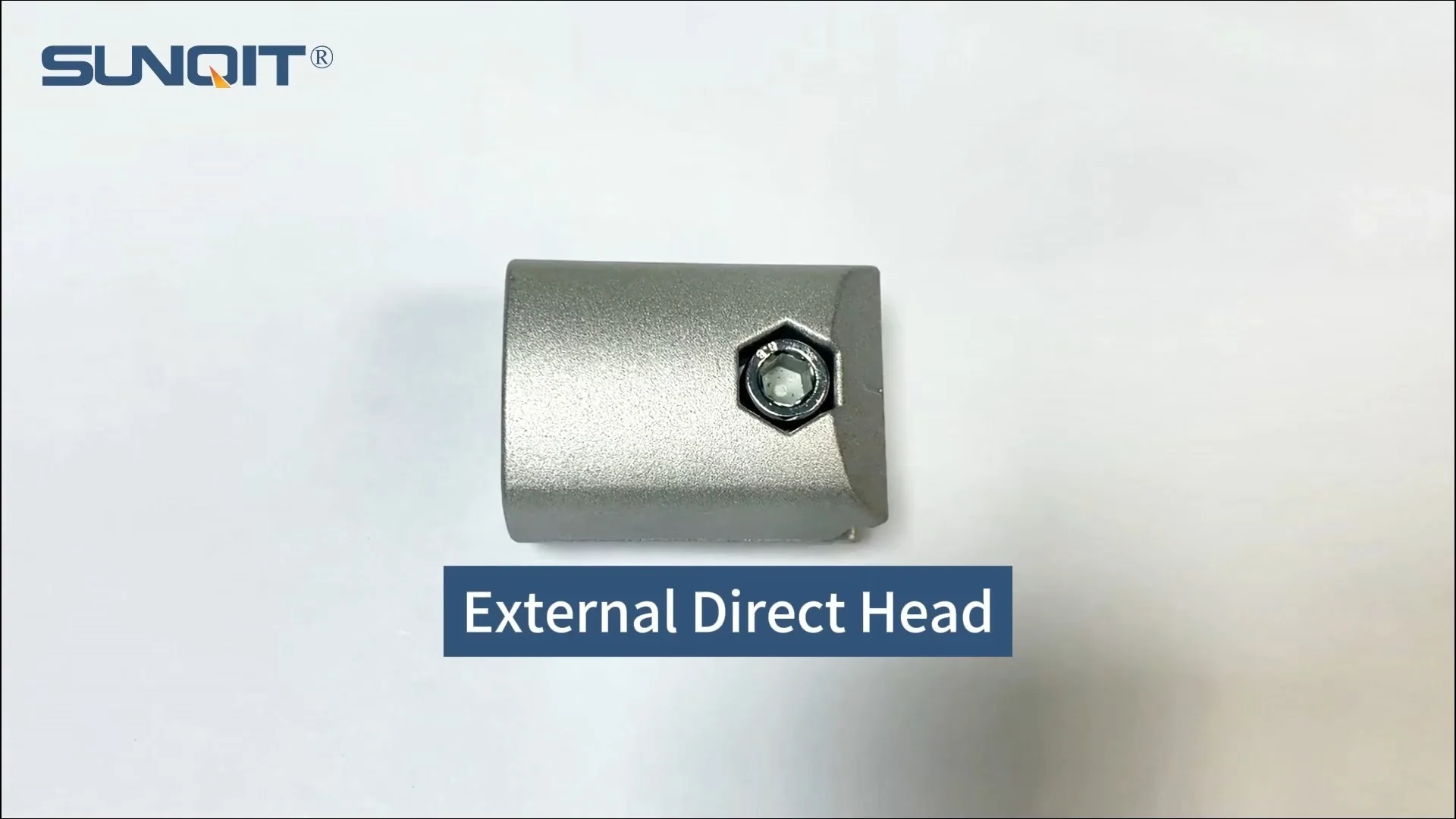
External Straight Aluminum Joint
Aluminum pipe joint outside connection used for two pcs 28pcs aluminum pipe connection in straight angle,it connects two pcs pipe from outside.
In today's fast-paced manufacturing and warehouse environments, the difference between a smooth, efficient operation and a chaotic one often comes down to the tools we use to organize our spaces. Imagine a production floor where every tool is within arm's reach, materials flow seamlessly from one station to the next, and workbenches adapt in minutes to new tasks. This isn't just a dream—it's the reality when you build with lean pipes and external straight aluminum joints. These unassuming components are the backbone of flexible, durable workspaces that grow with your needs, reduce waste, and keep your team focused on what matters most: creating quality products.
The Foundation: What Are Lean Pipes?
Let's start with the basics: lean pipes. Also known as "lean tubes," these are lightweight, modular tubes designed to build everything from workbenches and material racks to flow racks and turnover trolleys. Originally developed to support lean manufacturing principles—think minimizing waste, maximizing efficiency—lean pipes have evolved from simple steel tubes coated in plastic (PE-coated lean pipes) to more advanced materials like aluminum, which offer superior strength, corrosion resistance, and adaptability.
Aluminum lean pipes, in particular, have become a favorite in modern facilities. Unlike their steel counterparts, they're rust-proof, making them ideal for cleanrooms or humid environments. They're also lighter, which means easier assembly and reconfiguration—no need for heavy machinery or a team of workers to move a workstation. And let's not overlook aesthetics: aluminum's sleek, professional look adds a polished touch to any workspace, which might seem small, but morale matters, and a tidy, modern area can boost team spirit.
But lean pipes alone are just tubes. To turn them into functional structures, you need joints—and that's where external straight aluminum joints step into the spotlight.
The Unsung Hero: External Straight Aluminum Joints
If lean pipes are the bones of your workstation, external straight aluminum joints are the connective tissue. These small but mighty components are what hold the structure together, ensuring stability while allowing for quick adjustments. Let's break down what makes them so essential.
First, their design: external straight aluminum joints are engineered to fit snugly around the ends of aluminum lean pipes, creating a secure, rigid connection. Unlike some older joint types that require welding or complex tools, these joints often use simple bolts or clamping mechanisms. This means you can assemble a basic workbench in under an hour with just a hex key—no special skills required. And when you need to reconfigure? Just loosen the bolts, adjust the pipes, and tighten them back up. It's that easy.
Durability is another key feature. Made from high-grade aluminum alloy, these joints can handle significant weight without bending or warping. I've seen workbenches built with external straight joints support hundreds of pounds of tools and materials day in and day out, year after year, with no signs of wear. Compare that to plastic joints, which can crack under heavy loads, or steel joints that rust and seize up over time—aluminum joints are built to last.
Real-Life Example: A automotive parts manufacturer in Ohio recently switched from wooden workbenches to aluminum lean pipe systems with external straight joints. Their old setup required custom cuts and welding whenever they needed to adjust a bench height or add a shelf—costing them hours of downtime. Now, when a new part comes in with different dimensions, their team reconfigures the workbench in 15 minutes. "It's like having a workspace that speaks our language," one supervisor told me. "We don't waste time waiting for modifications; we just adapt and keep moving."

Why Aluminum? The Perfect Pairing of Strength and Flexibility
You might be wondering: why aluminum for both pipes and joints? Why not stick with steel or plastic? The answer lies in balance. Aluminum offers the best of both worlds: it's strong enough to support heavy loads, yet lightweight enough to make assembly and reconfiguration a breeze. Let's dive deeper into the benefits:
1. Corrosion Resistance
Steel pipes and joints rust when exposed to moisture, which is a big problem in environments like food processing plants, laboratories, or even warehouses with high humidity. Aluminum, on the other hand, forms a natural oxide layer that protects it from rust and corrosion. This means your workstations will look and perform like new for years, even in tough conditions.
2. Lightweight, High Strength
Aluminum is about one-third the weight of steel, but don't let that fool you—it's surprisingly strong. A 20mm aluminum lean pipe can support just as much weight as a steel pipe of the same size, but with less strain on your team during setup. This is a game-changer for facilities that need to move workstations frequently or reconfigure layouts seasonally.
3. Compatibility with Aluminum Profiles
Many modern workspaces use aluminum profiles (another key term in the lean toolbox) for additional structure—think shelves, tool panels, or machine guards. Aluminum lean pipes and external straight joints play well with these profiles, thanks to their t-slot design. You can easily attach accessories like hooks, bins, or lighting directly to the joints or pipes, creating a fully customized workstation without drilling or welding.
4. Sustainable and Recyclable
In an era where sustainability matters more than ever, aluminum is a standout. It's 100% recyclable, and recycling it uses just 5% of the energy required to produce new aluminum. So when your workspace evolves and you no longer need a particular structure, you can recycle the pipes and joints instead of sending them to a landfill. It's a small step, but it adds up to a big impact on your company's green footprint.

Building More Than Workstations: The Versatility of Lean Pipe Systems
While workbenches are the most common use for lean pipes and external straight aluminum joints, their versatility doesn't stop there. Let's explore some of the other structures you can build to transform your workspace:
Flow Racks: Keeping Materials Moving
Flow racks are a cornerstone of lean material handling. They use gravity to feed materials from the back to the front, ensuring that the first part in is the first part out (FIFO), reducing waste and keeping production lines stocked. Building a flow rack with aluminum lean pipes and external straight joints is simple: attach roller tracks (another essential accessory) to a frame made of lean pipes, adjust the angle for optimal flow, and you're done. Unlike fixed metal racks, you can adjust the height of each shelf, add dividers, or even extend the rack length as your inventory grows.
Case Study: A electronics manufacturer was struggling with material shortages on their assembly line. Parts were stored in bins on static shelves, and workers spent 15-20 minutes per hour walking to retrieve components. By installing a flow rack system with aluminum lean pipes, they positioned materials directly above each workstation. Now, parts roll down to the front as they're used, and workers rarely leave their stations. The result? A 12% increase in production output in the first month.
Turnover Trolleys: Mobile Storage That Keeps Up
Need to move materials from the warehouse to the production floor? Turnover trolleys built with lean pipes and external straight joints are the solution. Add casters (swivel wheels with brakes) to the base, and you've got a mobile unit that's easy to push, even when fully loaded. Best of all, you can customize the trolley to fit your needs: add shelves for small parts, bins for tools, or a flat surface for larger items. When not in use, they're lightweight enough to stack or store compactly.
Material Racks: Organized Storage, Anywhere
From raw materials to finished products, every facility needs storage. Material racks built with lean pipes are adjustable, so you can change shelf heights to fit different-sized items. External straight joints ensure the rack stays stable, even when loaded with heavy boxes or equipment. And because they're modular, you can start with a small rack and add to it as your storage needs grow—no need to buy a whole new system.

Choosing the Right Components: A Quick Guide
With so many options available, how do you pick the right lean pipes, joints, and accessories for your project? Here's a quick checklist to help you decide:
1. Start with the Load
What will your structure hold? A lightweight tool organizer will need thinner pipes (like 20mm aluminum lean pipes) and standard joints, while a heavy-duty workbench supporting machinery might require 30mm or 40mm pipes and reinforced joints. Check the load capacity specs for both pipes and joints—most suppliers list this information clearly.
2. Consider the Environment
Will the structure be indoors or outdoors? In a cleanroom or a dusty warehouse? For wet or corrosive environments, stick with aluminum pipes and joints. For dry, low-humidity areas, PE-coated steel might be a budget-friendly alternative, but remember: aluminum will last longer and require less maintenance.
3. Think About Future Changes
How often do you expect to reconfigure the structure? If you need maximum flexibility, prioritize aluminum joints with quick-release bolts or clamp-style connections. Avoid welded joints or permanent adhesives—they'll lock you into a single design.
4. Don't Forget Accessories
Joints and pipes are the foundation, but accessories make the structure functional. Roller tracks for flow racks, casters for mobility, end caps to protect pipe ends, and shelf brackets for workbenches—these small additions turn a basic frame into a fully equipped workstation. Most suppliers offer kits that include common accessories, which can save you time and money.
| Joint Type | Load Capacity (kg per joint) | Installation Time | Flexibility (1=Low, 5=High) | Best For |
|---|---|---|---|---|
| External Straight Aluminum Joint | 150-200 | 5-10 minutes (with hex key) | 5 | Workbenches, flow racks, material racks |
| Internal Rotary Aluminum Joint | 100-150 | 10-15 minutes | 4 | Angled structures, adjustable shelves |
| 90° Aluminum Crossing Joint | 180-220 | 8-12 minutes | 3 | Multi-level racks, corner connections |
| Parallel Aluminum Joint | 120-160 | 6-8 minutes | 4 | Double-deck workbenches, parallel pipe setups |
The Bottom Line: Investing in Your Workspace, Investing in Your Team
At the end of the day, building with aluminum lean pipes and external straight aluminum joints isn't just about creating workstations—it's about investing in your team's productivity, safety, and satisfaction. When workers don't have to waste time searching for tools or struggling with awkward, fixed furniture, they can focus on what they do best. When your workspace adapts to new challenges instead of resisting them, your business becomes more agile, more competitive, and better equipped to thrive in a changing market.
And let's not overlook the cost savings. While aluminum systems might have a slightly higher upfront cost than basic steel or wood, they pay for themselves in reduced downtime, lower maintenance, and longer lifespan. A well-built aluminum lean pipe workstation can last 10+ years, while a wooden bench might need replacement in 2-3 years. It's a smart investment that keeps on giving.
So whether you're setting up a new facility, revamping an existing production line, or just looking to organize your workshop, consider lean pipes and external straight aluminum joints. They're simple, versatile, and built to grow with you. After all, in a world where change is constant, the best workspaces are the ones that can change with it.