- Company Articles
- Products and Technology
- Product knowledge
- External Straight Aluminum Joints: Compatibility with Lean Management Accessories

External Straight Aluminum Joints: Compatibility with Lean Management Accessories
Related Product
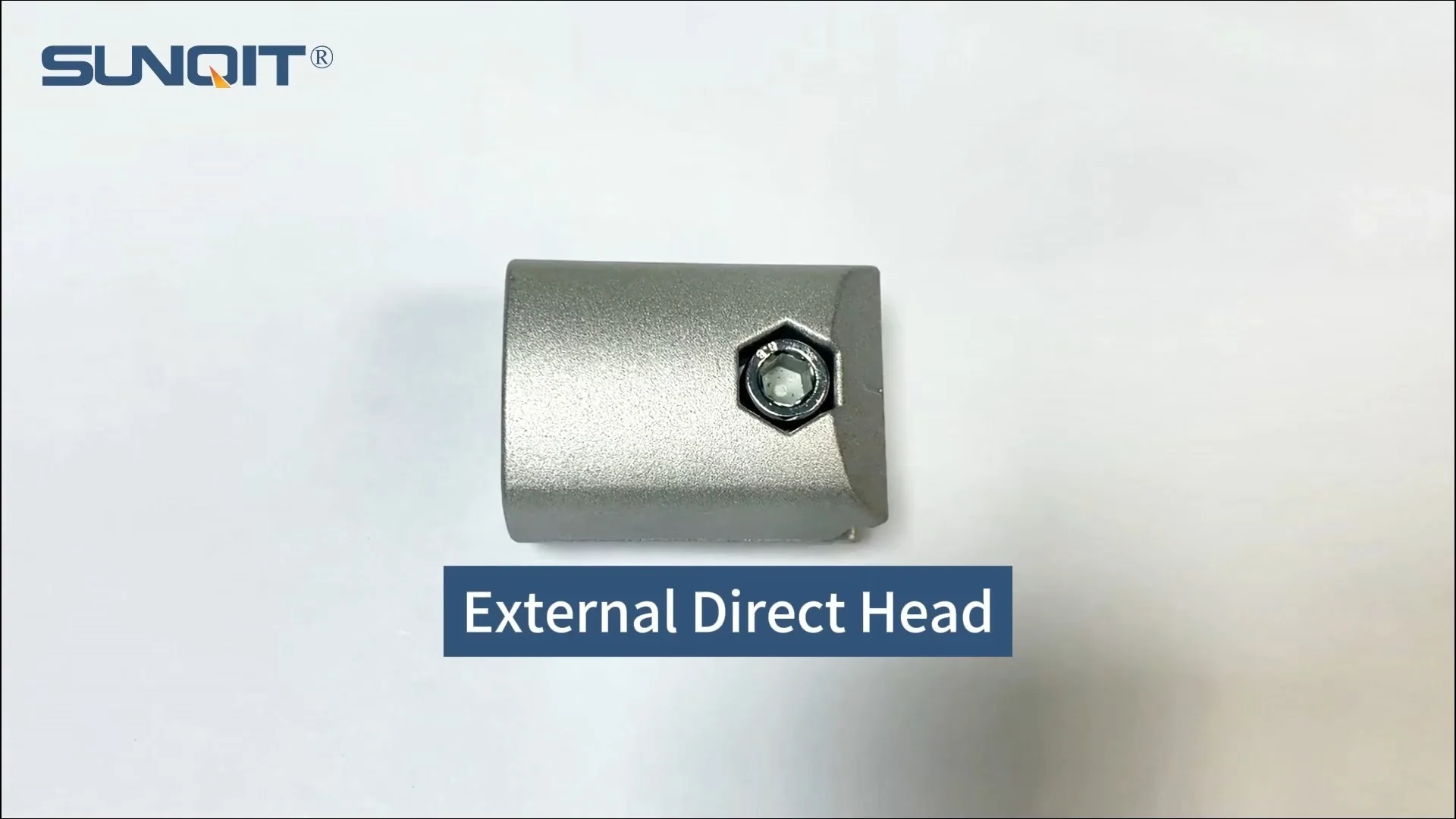
External Straight Aluminum Joint
Aluminum pipe joint outside connection used for two pcs 28pcs aluminum pipe connection in straight angle,it connects two pcs pipe from outside.
The Heart of Lean Management – Why Every Component Matters
In the world of manufacturing and production, lean management isn't just a buzzword—it's a philosophy that shapes how businesses operate, innovate, and thrive. At its core, lean is about stripping away waste, streamlining processes, and creating systems that adapt as needs change. But here's the thing: you can't build a lean system with rigid, one-size-fits-all tools. Every part of the production line, from the largest conveyor to the smallest connector, plays a role in keeping things efficient, flexible, and ready for improvement.
Think about it: when a workstation needs to be reconfigured for a new product, or a flow rack has to expand to handle higher demand, the last thing you want is to spend hours (or days) dismantling and rebuilding with tools that require welding, drilling, or specialized expertise. That's where components like external straight aluminum joints come in. These small but mighty connectors are the unsung heroes of lean setups, quietly enabling the flexibility and adaptability that make lean systems work.
In this article, we're diving deep into external straight aluminum joints—what they are, how they work, and why their compatibility with other lean accessories is non-negotiable for any business serious about lean efficiency. We'll explore how they pair with aluminum lean pipes, aluminum profile accessories, and other key components to build workbenches, material racks, and conveyor systems that grow with your needs. By the end, you'll see why these joints aren't just parts—they're the building blocks of a lean operation that can keep up with the pace of modern manufacturing.
What Are External Straight Aluminum Joints? Breaking Down the Basics
Let's start with the basics: external straight aluminum joints are exactly what they sound like—connectors designed to join two aluminum lean pipes in a straight line. But don't let their simplicity fool you. These joints are engineered with precision to balance strength, ease of use, and adaptability—three traits that are critical in lean environments.
First, the material: aluminum. Unlike heavy steel or flimsy plastic, aluminum strikes the perfect balance between weight and durability. It's lightweight enough to make assembly and reconfiguration easy (no need for heavy machinery to move parts around), yet strong enough to support the day-to-day demands of a production floor—think tool storage, material bins, or even light-duty conveyor tracks. Plus, aluminum is naturally resistant to corrosion, which means these joints hold up well in environments where moisture or chemicals might be present, like automotive or electronics manufacturing.
Now, the design. External straight joints are typically cylindrical or rectangular in shape, with openings on either end that fit snugly over aluminum lean pipes. What sets them apart from internal joints (which fit inside pipes) is their external clamping mechanism—usually a set of screws or levers that tighten around the pipe to create a secure hold. This external design has a big advantage: it allows for quick adjustments. Need to shorten a workbench? Loosen the joint, slide the pipe to the new length, and retighten. No cutting, no welding, no hassle.
But where do these joints actually get used? You'll find them in just about every lean setup imaginable. They're the backbone of workbenches, holding together the frame that supports tools and assembly stations. They're critical in material racks, connecting the vertical and horizontal pipes that keep inventory organized and accessible. And they're essential in roller tracks, linking sections of track to create smooth, continuous paths for moving parts from one workstation to the next. In short, if there's a straight line in your lean system, chances are an external straight aluminum joint is holding it together.

Compatibility 101: How External Straight Aluminum Joints Work with Aluminum Lean Pipes
To understand why external straight aluminum joints are so valuable, you first need to meet their perfect partner: aluminum lean pipes. These pipes are the "bones" of any lean system—lightweight, strong, and infinitely customizable. When paired with external straight joints, they become a dynamic duo that can build just about any structure your production line needs.
Aluminum lean pipes are typically hollow, with a smooth outer surface that makes them easy to clean and resistant to scratches. They come in standard diameters (common sizes include 28mm, 30mm, and 40mm) to ensure compatibility with a range of joints and accessories. What makes them ideal for lean systems is their strength-to-weight ratio: they're sturdy enough to support heavy tools or materials, but light enough that even a single worker can carry and assemble them.
So, how do external straight joints connect to these pipes? It's all about the fit. A well-designed joint will have inner diameters that match the outer diameter of the aluminum lean pipe exactly, creating a tight, wobble-free connection. The clamping mechanism—often a hex screw or cam lever—then locks the pipe in place. This design ensures two things: first, that the joint can handle the load without slipping, and second, that the connection can be easily released when it's time to reconfigure.
Let's talk numbers: load capacity. Most external straight aluminum joints can support anywhere from 50kg to 200kg per joint, depending on the pipe diameter and material thickness. For example, a 30mm aluminum pipe paired with a high-quality external straight joint might handle 100kg, which is more than enough for a typical workbench top or a shelf holding small parts bins. This reliability is crucial in production environments, where a loose joint could lead to delays, damage, or even safety hazards.
But perhaps the biggest benefit of this pairing is reusability. In traditional manufacturing setups, if you needed to change the layout of a workstation, you'd often have to cut pipes, weld new connections, or even buy entirely new components. With aluminum lean pipes and external straight joints, it's a different story. Loosen the joint, adjust the pipe length, and retighten. The pipes and joints stay intact, ready to be reused again and again. This not only saves time and money but also aligns perfectly with lean's focus on reducing waste—specifically, the waste of unnecessary materials and labor.

Beyond Pipes: Pairing with Aluminum Profile Accessories for a Complete System
A joint and a pipe are a great start, but to build a truly functional lean system, you need more. That's where aluminum profile accessories come in. These small, specialized parts—things like end caps, brackets, guide rails, and connectors—turn basic pipes and joints into workbenches, flow racks, and conveyor systems that do real work. And external straight aluminum joints? They're the glue that holds it all together, ensuring these accessories integrate seamlessly into your setup.
Let's start with the basics: end caps. These simple plastic or aluminum caps fit over the ends of aluminum lean pipes to prevent dust, debris, or sharp edges from causing problems. Since external straight joints connect pipes externally, the ends of the pipes are often exposed—making end caps a must. Most end caps are designed to snap or press fit onto standard pipe diameters, so they work perfectly with the same pipes and joints you're already using.
Next, brackets and connectors. These accessories let you add features like shelves, tool hooks, or lighting to your frame. For example, a right-angle bracket can be attached to an external straight joint to create a shelf on a workbench. The bracket typically has holes that align with the joint's clamping screws, or it might use its own screws to attach directly to the pipe. Either way, the key is compatibility—accessories should be designed to work with the same pipe and joint sizes to avoid awkward, unstable connections.
Then there are guide rails and roller tracks—critical for flow racks and conveyors. Aluminum guide rails (like aluminum guide rail A or B from supplier catalogs) help keep materials moving in a straight line, while roller tracks use small wheels to reduce friction, making it easy to slide bins or products along the system. External straight joints play a key here, too: they connect the sections of pipe that support the rails and tracks, ensuring the entire structure is level and stable. For example, a flow rack with three rows and three floors (material rack B, in supplier terms) relies on external straight joints to connect the vertical pipes that hold up each shelf, and the horizontal pipes that support the roller tracks.
To really see how all these pieces come together, let's look at a compatibility table. The table below shows common combinations of external straight aluminum joints, aluminum lean pipes, and aluminum profile accessories, along with their typical applications:
| Joint Type | Aluminum Lean Pipe Size | Key Accessories | Typical Application | Max Load Capacity |
|---|---|---|---|---|
| External Straight Aluminum Joint | 30mm diameter, 1.5mm wall | End caps, right-angle brackets, aluminum guide rail A | Workbench frame (single deck, without casters) | 100kg per linear meter |
| External Straight Aluminum Joint | 40mm diameter, 2.0mm wall | Roller track placon mount, plastic roller track guide rail (yellow), swivel roller balls (1 inch) | Flow rack (3 row, 3 floor material rack B) | 150kg per shelf |
| External Straight Aluminum Joint | 28mm diameter, 1.2mm wall | Caster install base, flat swivel castor wheel with brake | Turnover trolley frame | 80kg total load |
As you can see, the right combination of joint, pipe, and accessory can tackle just about any task. And because all these components are designed to work together, you don't have to worry about mismatched sizes or unstable connections. That's the beauty of a lean system built with compatible parts—every piece fits, and every piece contributes to a more efficient workflow.

The Lean Advantage: How These Joints Support Waste Reduction and Efficiency
At this point, you might be thinking, "Okay, these joints are versatile and compatible—but how do they actually help with lean management?" The answer lies in lean's core principle: eliminating waste. Let's break down how external straight aluminum joints directly support this goal, and why that matters for your bottom line.
First, there's the waste of time. Traditional manufacturing setups often require custom-built frames and structures, which mean waiting for welders, cutting pipes to exact lengths, and drilling holes for bolts. This can take days, even weeks, for a single workstation. With external straight joints, assembly time drops dramatically. A basic workbench frame can be put together in under an hour by a single worker with just a hex key. No welding, no cutting, no specialized skills. This speed is a game-changer for lean systems, where the ability to quickly adapt to new orders or process changes can mean the difference between meeting a deadline and falling behind.
Then there's material waste. In rigid setups, if you need to shorten a workbench by a foot, you might have to cut a pipe—rendering the leftover piece useless. With aluminum lean pipes and external straight joints, you simply adjust the pipe length and reuse the excess elsewhere. The joints themselves are reusable, too. A joint that held together a workbench today can be taken apart and used in a material rack tomorrow. This reusability reduces the need to buy new components, cutting down on both costs and environmental impact—two wins for lean.
But perhaps the biggest lean advantage is support for continuous improvement. Lean isn't a one-and-done process; it's about constantly analyzing and optimizing workflows. Imagine your team realizes that a flow rack would be more efficient if it were 6 inches taller. With traditional steel frames, that might mean rebuilding the entire rack. With external straight joints? Loosen the vertical joints, add a section of pipe, and retighten. Done. This ability to make small, incremental changes without major overhauls is exactly what makes continuous improvement possible.
Let's look at a real-world example. A small electronics manufacturer we worked with recently was struggling with changeover times. Every time they switched from assembling smartphones to tablets, they had to completely rebuild their workbenches and material racks—taking up to 8 hours and requiring two workers. After switching to aluminum lean pipes and external straight joints, they reconfigured the same setup in just 45 minutes with one worker. The secret? The joints allowed them to quickly adjust the height of workbenches, reposition flow racks, and swap out accessories like tool holders. The result: they cut changeover time by 90%, increased production capacity by 15%, and freed up workers to focus on more value-added tasks.
This isn't an isolated case. Businesses across industries—from automotive to pharmaceuticals—are seeing similar results by investing in flexible components like external straight aluminum joints. The key takeaway? Lean management isn't just about processes; it's about the tools you use to enable those processes. And when those tools are designed for flexibility, compatibility, and reusability, the entire system becomes more efficient, more adaptable, and more profitable.
Choosing the Right External Straight Aluminum Joint: Key Considerations for Buyers
Now that you understand the value of external straight aluminum joints, how do you choose the right ones for your needs? Not all joints are created equal, and picking the wrong one can lead to instability, wasted money, or even safety issues. Here are the key factors to consider when shopping for these critical components.
First, load capacity. This is non-negotiable. You need to know how much weight the joint will need to support, both vertically and horizontally. A joint that works for a light-duty workbench might not hold up in a heavy material rack. Check the manufacturer's specs for maximum load ratings, and always err on the side of caution—if you're unsure, go with a higher capacity. Remember, the load capacity of the joint is also affected by the pipe it's paired with; a thicker-walled pipe can handle more weight, so make sure your pipe and joint are matched.
Next, pipe diameter compatibility. Most aluminum lean pipes come in standard sizes (28mm, 30mm, 40mm, etc.), and joints are designed to fit specific diameters. Using a joint that's too loose or too tight can lead to instability or damage to the pipe. If you're already using a specific pipe size in your facility, stick with joints that match that size. If you're starting from scratch, consider future needs—will you need larger pipes for heavier loads down the line? Choosing a slightly larger diameter now might save you from retooling later.
Then, consider the environment. Will the joints be used indoors or outdoors? In a dry, climate-controlled factory, standard aluminum joints should work fine. But if you're in a wet environment (like a food processing plant) or one with chemicals (like a automotive shop), look for joints with added corrosion resistance—maybe even stainless steel components. Similarly, if static electricity is a concern (as in electronics manufacturing), check if the joint material is ESD-safe (though ESD properties are more common in workbench surfaces than joints themselves).
Ease of use is another factor. Look for joints with user-friendly clamping mechanisms—levers are faster than screws, but screws might offer a tighter hold. Think about who will be assembling and reconfiguring the system: will it be skilled technicians or line workers? The easier the joint is to adjust, the less time will be wasted on setup and changes.
Finally, don't overlook the supplier. A reputable lean pipe supplier will offer not just joints, but also the aluminum lean pipes, aluminum profile accessories, and technical support you need to build a complete system. They should be able to provide test reports, load charts, and compatibility guides to help you make the right choice. Avoid generic, no-name joints—saving a few dollars upfront isn't worth the risk of a joint failing mid-production.
Conclusion: Small Joints, Big Impact – Building the Future of Lean Manufacturing
In the grand scheme of manufacturing, external straight aluminum joints might seem like small players. They're not as flashy as high-tech robots or as imposing as conveyor systems. But as we've explored, these humble connectors are the unsung heroes of lean management—quietly enabling the flexibility, efficiency, and waste reduction that make lean systems thrive.
From their compatibility with aluminum lean pipes and aluminum profile accessories to their role in reducing setup time and material waste, external straight aluminum joints embody the lean philosophy in every way. They're adaptable, reusable, and designed to grow with your business—whether you're building a single workbench or a full-scale production line.
As manufacturing continues to evolve—with shorter product cycles, higher customization demands, and a greater focus on sustainability—the need for flexible, efficient systems will only grow. In this environment, the choice of components like external straight aluminum joints isn't just a purchasing decision; it's a strategic one. It's about investing in a foundation that can keep up with change, reduce waste, and empower your team to continuously improve.
So, the next time you walk through your production floor, take a closer look at the joints holding everything together. Chances are, the most efficient, adaptable workstations are built with components like external straight aluminum joints. And if they're not? Maybe it's time to start a conversation with a lean pipe supplier about how these small but mighty connectors can transform your operations.
After all, in lean management, success isn't about the big, bold moves—it's about the small, smart choices that add up to big results. And when it comes to those choices, external straight aluminum joints are as smart as they come.