- Company Articles
- Products and Technology
- Product knowledge
- External Straight Aluminum Joints: Corrosion Resistance & Durability

External Straight Aluminum Joints: Corrosion Resistance & Durability
Related Product
External Straight Aluminum Joint
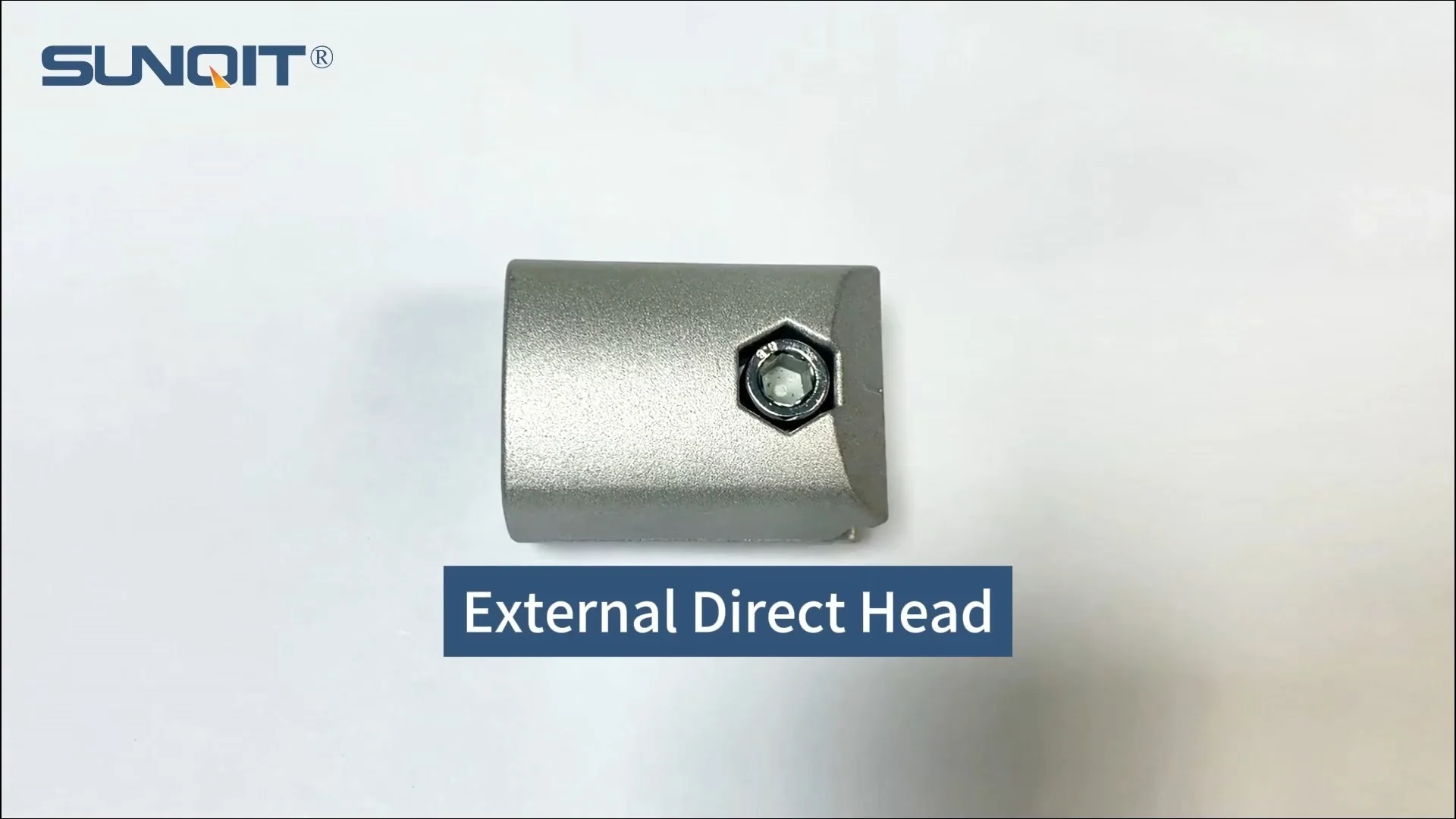
Aluminum pipe joint outside connection used for two pcs 28pcs aluminum pipe connection in straight angle,it connects two pcs pipe from outside.
You've probably dealt with rusty joints on your workbenches that break down after a few months of exposure to moisture or cleaning chemicals. Or maybe you've had to replace flimsy plastic joints that can't handle the weight of your tools and materials. These small issues add up: downtime for repairs, extra costs for replacements, and a hit to your team's productivity. That's where external straight aluminum joints come in—they're the unsung heroes of lean pipe systems, solving these common problems with their unbeatable corrosion resistance and long-lasting durability.
In this article, we'll dive deep into what makes external straight aluminum joints so special. We'll talk about their design, how they stand up to harsh environments, and why they're the perfect choice for everything from lean pipe workbenches to custom material racks. Whether you're a factory manager looking to upgrade your production line or a wholesale buyer searching for reliable aluminum pipe accessories, this guide has something for you.
What Are External Straight Aluminum Joints?
External straight aluminum joints are simple yet powerful components used to connect aluminum lean pipes in lean manufacturing setups. As the name suggests, they're mounted externally on the pipes and have a straight design, making them ideal for creating rigid, linear structures like the frames of workbenches or the shelves of material racks.
Unlike internal joints that fit inside the pipes, external straight aluminum joints clamp onto the outer surface of the pipes, providing a secure hold that's easy to assemble and disassemble. This design allows for quick adjustments—if you need to reconfigure your lean pipe system, you can simply loosen the joint, move the pipe to the desired position, and tighten it again. No special tools are required, which saves time and reduces downtime.
These joints are made from high-quality aluminum, which gives them a unique combination of strength and lightness. They're also treated to enhance their corrosion resistance, making them suitable for use in a wide range of environments—from dry factories to humid warehouses and even medical facilities where cleanliness is a top priority.
Unmatched Corrosion Resistance: A Game-Changer for Lean Systems
One of the biggest advantages of external straight aluminum joints is their exceptional corrosion resistance. Aluminum naturally forms a thin, passive oxide layer when exposed to air. This layer is self-healing—if it gets scratched or damaged, it quickly reforms to protect the underlying metal from further corrosion. This makes aluminum joints far more resistant to rust and degradation than steel joints, which require regular coating or painting to prevent rust.
Let's take a real-world example: A medical equipment manufacturer uses lean pipe workbenches to assemble their products. These workbenches are cleaned daily with harsh disinfectants to maintain hygiene standards. If they used steel joints, the disinfectants would quickly eat away at the coating, leading to rust and eventual failure. But with external straight aluminum joints, the oxide layer protects against the chemicals, so the joints stay in perfect condition for years.
Another example is a warehouse that stores food products. The high humidity in the warehouse can cause steel joints to rust, which could contaminate the food. Aluminum joints, however, are unaffected by humidity, making them a safe and reliable choice for this environment. Even in coastal areas where salt air is a problem, aluminum joints hold up well—far better than any steel alternative.
Corrosion resistance isn't just about longevity; it's also about cost savings. When you don't have to replace rusty joints every few months, you save money on parts and labor. You also avoid the downtime that comes with repairing or replacing faulty joints, which keeps your production line running smoothly.

Built to Last: The Durability of External Straight Aluminum Joints
Durability is another key strength of external straight aluminum joints. Aluminum has an impressive strength-to-weight ratio—meaning it's strong enough to hold heavy loads but light enough to be easily moved or reconfigured. This makes it perfect for lean pipe systems, which require both sturdiness and flexibility.
Let's think about a lean pipe workbench used in an automotive factory. This workbench needs to hold heavy tools, parts, and equipment—sometimes up to several hundred kilograms. External straight aluminum joints can easily handle this weight without bending or breaking. And because they're light, the workbench can be moved to a different location if the production line is reconfigured.
Another factor that contributes to their durability is their resistance to wear and tear. Unlike plastic joints, which can crack or break after repeated use, aluminum joints are tough and resilient. They can be assembled and disassembled hundreds of times without losing their grip or structural integrity. This aligns perfectly with the lean manufacturing of "reusable and" (reusable and continuously improvable)—you can use the same joints for years, even as your production needs change.
Let's take Workbench E as an example. This single-deck workbench uses basic aluminum tubes connected with external straight aluminum joints. It's designed to be sturdy enough for daily use in a busy factory, but also flexible enough to be modified with additional shelves or accessories. The joints ensure that the workbench remains stable even when loaded with heavy items, and they allow for easy adjustments if the user needs to change the height or add more components.
Durability also means low maintenance. Aluminum joints don't require any special care—you don't need to paint them, coat them, or lubricate them. Just wipe them down with a damp cloth occasionally to keep them clean, and they'll continue to perform at their best.

Seamless Integration Into Lean Pipe Systems & Workbenches
External straight aluminum joints are designed to work seamlessly with aluminum lean pipes, forming the backbone of a wide range of lean manufacturing equipment. Whether you're building a workbench, a material rack, or a flexible production line, these joints make the process easy and efficient.
For example, Material Rack B (a 3-row, 3-floor rack) uses external straight aluminum joints to connect the basic aluminum tubes that form the frame. The joints allow for easy adjustment of the shelf heights—if you need to store taller items, you can simply loosen the joints, move the shelves up, and tighten them again. This flexibility is essential for warehouses that handle a variety of products.
Another example is a flow rack. Flow racks use roller tracks to move materials from one end to the other, and external straight aluminum joints are used to hold the roller tracks in place. The joints ensure that the tracks are aligned correctly, so materials flow smoothly without getting stuck. This is critical for warehouses that need to move materials quickly and efficiently.
To help you understand why external straight aluminum joints are the best choice for these applications, let's compare them to other types of joints:
| Joint Type | Corrosion Resistance | Load Capacity (per joint) | Weight | Assembly Ease | Ideal Use Case |
|---|---|---|---|---|---|
| External Straight Aluminum | Excellent (Self-healing oxide layer) | Up to 200 kg | Lightweight | Very Easy (No tools needed) | Lean Pipe Workbenches, Material Racks, Flow Racks |
| Uncoated Steel | Poor (Prone to rust) | Up to 300 kg | Heavy | Medium (Requires tools) | Dry, heavy-duty industrial setups |
| Plastic | Good (Resists moisture) | Up to 50 kg | Ultra-light | Easy | Temporary, lightweight setups |
| Internal Rotating Aluminum | Excellent | Up to 150 kg | Lightweight | Easy | Angled structures, flexible workstations |
As you can see, external straight aluminum joints strike the perfect balance between strength, flexibility, and corrosion resistance. They're the ideal choice for most lean manufacturing applications, especially those that require durability and long-term use.

Real-World Applications: Where External Straight Aluminum Joints Shine
External straight aluminum joints are used in a wide range of industries, from 3C assembly to medical equipment manufacturing. Let's take a look at some of the key applications:
3C Assembly
The 3C industry (computers, communications, consumer electronics) is known for its fast-paced production lines and frequent product changes. Lean pipe systems with external straight aluminum joints are perfect for this environment because they can be quickly reconfigured to accommodate new products. For example, a workstation used to assemble smartphones can be modified to assemble tablets by changing the layout of the workbench and adding new accessories. The aluminum joints make this process easy and efficient, so the production line can switch between products in minutes.
Another important factor in the 3C industry is ESD (electrostatic discharge) protection. External straight aluminum joints can be used to build ESD workbenches, which prevent static electricity from damaging sensitive electronic components. The aluminum material is conductive, so it helps to dissipate static charge, keeping the components safe.
Medical Equipment Manufacturing
Medical equipment manufacturing requires high standards of cleanliness and corrosion resistance. External straight aluminum joints are ideal for this industry because they're resistant to disinfectants and other chemicals used in cleaning. They also don't rust, which is critical for preventing contamination of medical equipment. For example, a rack used to store surgical instruments can be built with aluminum joints, ensuring that the rack remains clean and safe for use in a hospital setting.
Warehousing & Logistics
Warehouses and logistics centers need flexible storage solutions that can adapt to changing inventory needs. External straight aluminum joints are used to build flow racks, material racks, and (turnover trolleys) that can be easily adjusted. For example, a flow rack used to store boxes can be modified to store larger items by changing the shelf heights. The aluminum joints ensure that the rack remains stable even when loaded with heavy boxes, and they allow for quick adjustments.
Automotive Manufacturing
Automotive factories use lean pipe systems to build workbenches, assembly lines, and material handling equipment. External straight aluminum joints are perfect for this environment because they're strong enough to hold heavy automotive parts and flexible enough to be reconfigured as production lines change. For example, a workstation used to assemble car engines can be modified to assemble transmission systems by changing the layout of the workbench and adding new tools.
Why Businesses Choose External Straight Aluminum Joints
There are many reasons why businesses across industries are choosing external straight aluminum joints for their lean pipe systems. Let's take a look at some of the key benefits:
Cost Savings
External straight aluminum joints are a cost-effective choice in the long run. While they may be slightly more expensive than plastic joints upfront, their durability means you don't have to replace them as often. And because they're corrosion-resistant, you save money on repairs and replacements due to rust. For wholesale buyers, purchasing these joints in bulk can lead to even greater savings—many suppliers offer discounts for large orders.
Flexibility & Adaptability
Lean manufacturing is all about flexibility, and external straight aluminum joints deliver on this front. They allow you to quickly reconfigure your lean pipe system to meet changing production needs. Whether you need to add more shelves to a material rack, change the height of a workbench, or move a production line to a new location, the joints make it easy. This flexibility helps businesses stay competitive in fast-paced industries.
Sustainability
Sustainability is becoming increasingly important for businesses, and external straight aluminum joints align with this trend. Aluminum is a recyclable material, so when the joints reach the end of their life, they can be recycled into new products. Additionally, their reusability means less waste—you don't have to throw away old joints when you reconfigure your system. This aligns with the lean of "" (continuously improvable) and helps businesses reduce their environmental footprint.
Low Maintenance
External straight aluminum joints require very little maintenance. Unlike steel joints, which need to be painted or coated to prevent rust, aluminum joints are self-protecting. You just need to wipe them down occasionally to keep them clean, and they'll continue to perform at their best. This saves time and money on maintenance, allowing your team to focus on more important tasks.
Final Thoughts
External straight aluminum joints are a versatile, durable, and cost-effective solution for lean pipe systems. Their corrosion resistance and long-lasting durability make them ideal for a wide range of industries, from 3C assembly to medical equipment manufacturing. They're easy to use, low maintenance, and align with the lean of flexibility and sustainability.
Whether you're a factory manager looking to upgrade your production line or a wholesale buyer searching for reliable aluminum pipe accessories, external straight aluminum joints are a great choice. They'll help you save money, reduce downtime, and keep your production line running smoothly for years to come.
So if you're tired of dealing with rusty, flimsy joints, it's time to make the switch to external straight aluminum joints. Your production line (and your wallet) will thank you.