- Company Articles
- Products and Technology
- Product knowledge
- External Straight Aluminum Joints: Cost-Effective Solutions for Material Handling

External Straight Aluminum Joints: Cost-Effective Solutions for Material Handling
Related Product
External Straight Aluminum Joint
Aluminum pipe joint outside connection used for two pcs 28pcs aluminum pipe connection in straight angle,it connects two pcs pipe from outside.
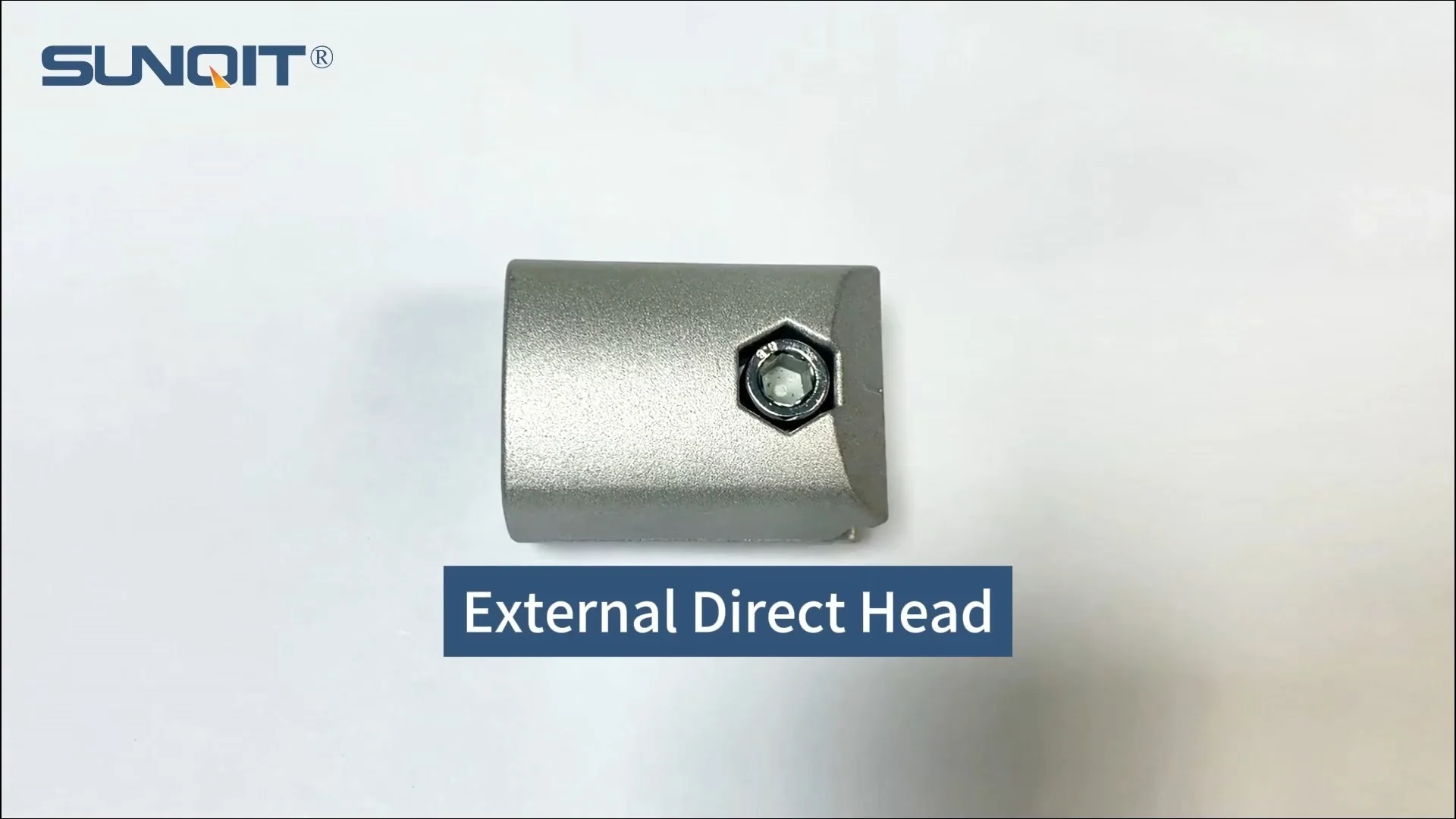
In the fast-paced world of manufacturing, warehousing, and production, the efficiency of material handling can make or break a business. Every second wasted on cumbersome setup, every error caused by unstable workstations, and every dollar spent on frequent replacements eats into profitability. That's where the right tools and components come into play—and few have proven as transformative as external straight aluminum joints. These unassuming yet powerful connectors are the unsung heroes behind flexible, durable, and cost-effective material handling systems, from workbenches on factory floors to flow racks in warehouses. Let's dive into why they've become a go-to choice for businesses looking to streamline operations, adapt to change, and build systems that grow with them.
The Backbone of Modern Material Handling: Why Joints Matter
Material handling isn't just about moving products from Point A to Point B. It's about creating a seamless flow—of parts, tools, and information—that minimizes waste, reduces human error, and keeps teams productive. At the heart of this flow are the structures that support it: workbenches where assembly happens, flow racks that feed materials to production lines, turnover trolleys that transport goods, and aluminum lean pipe systems that form the skeleton of custom setups. These structures rely on one critical component to hold them together: joints.
For decades, businesses relied on rigid, one-size-fits-all joints—often made of steel or plastic. Steel joints, while strong, are heavy and prone to rust, making them difficult to reconfigure and costly to maintain. Plastic joints, on the other hand, lack the durability to withstand heavy loads, leading to frequent replacements. Enter external straight aluminum joints: a lightweight, versatile, and robust alternative designed to address these pain points. Crafted from high-grade aluminum alloy, they balance strength and flexibility, making them ideal for dynamic environments where change is the only constant.
What Are External Straight Aluminum Joints? A Closer Look
External straight aluminum joints are precision-engineered connectors designed to link aluminum lean pipes, aluminum profiles, and other components in material handling systems. As the name suggests, they feature a "straight" design, meaning they create a linear connection between two or more pipes or profiles, ensuring stability while allowing for easy adjustments. Unlike internal joints, which fit inside pipes, external joints wrap around the exterior of aluminum pipes, providing a secure grip without compromising the pipe's structural integrity.
Key Features That Set Them Apart
1. Material Excellence : Made from high-strength aluminum alloy (often 6063-T5, a common grade in industrial applications), these joints offer an impressive strength-to-weight ratio. Aluminum's natural resistance to corrosion means they hold up in humid warehouses, dusty factories, and even outdoor settings—no need for expensive coatings or treatments.
2. User-Friendly Design : External straight joints are engineered for simplicity. Most models feature pre-drilled holes and come with bolts, allowing for tool-free or minimal-tool assembly. Even workers with limited technical expertise can connect pipes in minutes, reducing downtime during setup or reconfiguration.
3. Compatibility : These joints play well with a wide range of aluminum profile accessories, including aluminum guide rails, roller tracks, casters, and leveling feet. Whether you're building a stationary workbench or a mobile turnover trolley, they integrate seamlessly with standard aluminum lean pipes (typically 28mm or 40mm diameter) and aluminum extrusion profiles.
4. Load Capacity : Don't let their lightweight fool you—external straight aluminum joints are built to handle heavy loads. Depending on the model and pipe thickness, they can support anywhere from 50kg to 200kg per joint, making them suitable for everything from small parts storage to heavy machinery workbenches.
5. Sleek and Safe : Aluminum's smooth finish eliminates sharp edges, reducing the risk of cuts or snags during handling. This is especially important in high-traffic areas where workers interact with equipment daily.

The Benefits of Choosing External Straight Aluminum Joints
For businesses, the decision to invest in material handling components often comes down to three factors: cost, flexibility, and durability. External straight aluminum joints deliver on all three—and more.
1. Unmatched Flexibility for Changing Needs
In today's manufacturing landscape, adaptability is key. Product lines change, order volumes fluctuate, and workspace layouts need to evolve. External straight aluminum joints thrive in this dynamic environment. Unlike welded steel structures or glued plastic joints, they can be disassembled and reassembled repeatedly without losing strength. Need to shorten a flow rack to make space for a new machine? Simply loosen the bolts, remove a section, and reattach the joint. Want to add a shelf to a workbench? Connect a new aluminum pipe with a joint—no need to buy a whole new setup. This flexibility reduces waste and ensures your material handling system grows with your business.
2. Long-Term Cost Savings
While aluminum joints may have a slightly higher initial cost than plastic alternatives, their longevity and reusability make them far more cost-effective over time. Plastic joints degrade under heavy use, UV exposure, or chemical contact, requiring frequent replacements. Steel joints, though durable, are prone to rust, which weakens their structure and adds maintenance costs. Aluminum joints, by contrast, can last 10+ years with minimal upkeep. When you factor in reduced replacement costs, lower maintenance, and the ability to repurpose them during reconfigurations, they often pay for themselves within 1–2 years.
3. Lightweight Design = Easier Handling
Aluminum is significantly lighter than steel (about 1/3 the weight), which simplifies every stage of the process: shipping, installation, and reconfiguration. A team of two can assemble a large workbench or flow rack in hours, whereas steel systems might require heavy machinery or additional labor. This not only saves time but also reduces the risk of workplace injuries from lifting heavy components.
4. Low Maintenance, High Reliability
Aluminum's corrosion resistance means external straight joints require almost no maintenance. Unlike steel, they don't need painting or rust treatment. A quick wipe with a damp cloth to remove dust or debris is usually enough to keep them in top shape. This low-maintenance profile frees up your team to focus on core tasks, not equipment upkeep.

Practical Applications: Where External Straight Aluminum Joints Shine
These versatile joints aren't just theoretical—they're hard at work in factories, warehouses, and workshops worldwide. Let's explore some common applications where they make a tangible difference.
Workbenches: The Heart of Production
Workbenches are where the magic happens—assembly, testing, packaging, and more. A well-designed workbench should be sturdy, adjustable, and tailored to the task. External straight aluminum joints excel here. By connecting aluminum lean pipes and aluminum honeycomb panels, you can build custom workbenches like "Workbench E (Single Deck-Without Caster)" or add casters for mobility. The joints ensure the bench stays stable even when workers apply pressure during assembly, while their flexibility allows you to add shelves, tool holders, or ESD (electrostatic discharge) mats for sensitive electronics work.
Flow Racks: Streamlining Material Flow
In warehousing and production lines, flow racks (or gravity-fed racks) keep materials moving smoothly from storage to assembly. They rely on roller tracks to guide products along a slight incline, reducing the need for manual lifting. External straight aluminum joints are critical here, as they secure the roller tracks (like "38 Aluminum Roller Track Yellow" or "40 Steel Roller Track Black ESD Wheel") to the rack's frame. The joints' precision ensures the tracks stay aligned, preventing jams and ensuring a consistent flow of materials. For example, a "Material Rack B (3 Row and 3 Floor)" can be easily assembled using these joints, with each level customized to fit different product sizes.
Turnover Trolleys and Mobile Racks
Turnover trolleys are essential for moving materials between workstations or warehouses. External straight aluminum joints, paired with casters and aluminum pipes, create lightweight yet durable trolleys that glide smoothly across floors. The joints' secure connection ensures the trolley doesn't wobble, even when loaded with heavy items. Plus, if your needs change—say, you need a taller trolley for bulkier goods—you can simply add more pipe sections with joints, no need to buy a new trolley.
Aluminum Lean Pipe Systems: Building Custom Production Lines
Aluminum lean pipe systems (often called "lean tubes") are the building blocks of lean manufacturing, allowing businesses to create custom production lines, assembly cells, and storage solutions. External straight aluminum joints are the glue that holds these systems together. Whether you're building a simple part feeder or a complex conveyor system, the joints connect pipes, roller tracks, and aluminum profile accessories to create a seamless, efficient workflow. Their flexibility aligns perfectly with lean principles, as they support continuous improvement—you can tweak the system whenever you identify waste or inefficiencies.

How External Straight Aluminum Joints Compare to Other Joints: A Practical Table
| Feature | External Straight Aluminum Joints | Plastic Joints | Steel Joints (Welded) |
|---|---|---|---|
| Material | Aluminum Alloy (6063-T5) | ABS Plastic | Mild Steel |
| Load Capacity (Per Joint) | 50–200kg | 10–50kg | 100–300kg |
| Corrosion Resistance | Excellent (No Rust) | Good (Prone to Cracking Over Time) | Poor (Requires Painting/Coating) |
| Installation Time | 5–10 Minutes (Tool-Free/Minimal Tools) | 3–5 Minutes (Snap-Fit) | 30+ Minutes (Requires Welding) |
| Reusability | High (Can Be Disassembled/Reassembled) | Low (Plastic Fatigue After Multiple Uses) | Very Low (Welds Break When Disassembled) |
| Initial Cost | Moderate ($8–$15 per joint) | Low ($3–$8 per joint) | High ($15–$30 per joint + Welding Costs) |
| Lifespan | 10+ Years | 2–5 Years | 10+ Years (If Maintained) |
As the table shows, external straight aluminum joints strike a perfect balance between strength, flexibility, and cost. They outperform plastic joints in durability and load capacity while offering far more flexibility than welded steel joints—all at a reasonable price point.
Real-World Success: How Businesses Are Using External Straight Aluminum Joints
To understand the impact of these joints, let's look at a real example: a mid-sized electronics manufacturer in China. Before switching to aluminum systems, the company relied on fixed wooden workbenches and steel flow racks. When they introduced a new smartphone model, their existing setup couldn't accommodate the smaller components, leading to cluttered workspaces and delayed production.
The solution? They partnered with a lean pipe supplier to rebuild their workstations and flow racks using external straight aluminum joints, aluminum lean pipes, and aluminum profile accessories. Within a week, they had assembled adjustable workbenches with ESD mats (using "ESD Workbench Wholesale" components) and reconfigured their flow racks to use "38 Aluminum Roller Track Black ESD with Side Guide" for sensitive circuit boards. The result? A 25% reduction in assembly time, a 40% decrease in workspace clutter, and the ability to quickly adjust their setup for future product launches. "We no longer dread product changes," said the plant manager. "The aluminum joints make reconfiguration feel like building with Legos—fast and frustration-free."
Tips for Choosing the Right External Straight Aluminum Joints
Not all aluminum joints are created equal. To ensure you get the best value for your needs, keep these factors in mind:
1. Check Load Requirements : Calculate the maximum weight your system will need to support, then choose joints with a load capacity that exceeds that number (to account for unexpected stress).
2. Verify Compatibility : Ensure the joints fit your existing aluminum lean pipes or profiles. Most suppliers specify pipe diameter (e.g., 28mm, 40mm) and profile type (e.g., "4040 EU Standard Aluminum Profile").
3. Look for Quality Manufacturing : Opt for joints with smooth, burr-free edges and precise threading (if using bolts). Poorly made joints may loosen over time or damage pipes.
4. Consider Accessories : If you need mobility, pair joints with high-quality casters (like "360° Swivel Expanding Stem Casters Wheel with Brake"). For ESD protection, choose joints compatible with ESD workbench components.
5. Buy from Reputable Suppliers : Choose a supplier with a track record in industrial aluminum components. Reputable suppliers offer warranties, technical support, and access to a full range of aluminum pipe accessories, ensuring you can get replacement parts when needed.
Conclusion: Building a Better Material Handling Future with Aluminum Joints
External straight aluminum joints are more than just connectors—they're enablers of efficiency, flexibility, and growth. In a world where businesses must adapt or fall behind, these unassuming components provide the foundation for material handling systems that can keep up with changing demands. Whether you're assembling a simple workbench, a complex flow rack, or an entire production line, their durability, ease of use, and cost-effectiveness make them an smart investment.
So, if you're tired of rigid, high-maintenance material handling setups, it might be time to make the switch. With external straight aluminum joints, you're not just building structures—you're building a more efficient, adaptable, and profitable operation. After all, in manufacturing and warehousing, the right connections can make all the difference.