- Company Articles
- Products and Technology
- Product knowledge
- External Straight Aluminum Joints: Eco-Friendly Features for Green Manufacturing

External Straight Aluminum Joints: Eco-Friendly Features for Green Manufacturing
Related Product
External Straight Aluminum Joint
Aluminum pipe joint outside connection used for two pcs 28pcs aluminum pipe connection in straight angle,it connects two pcs pipe from outside.
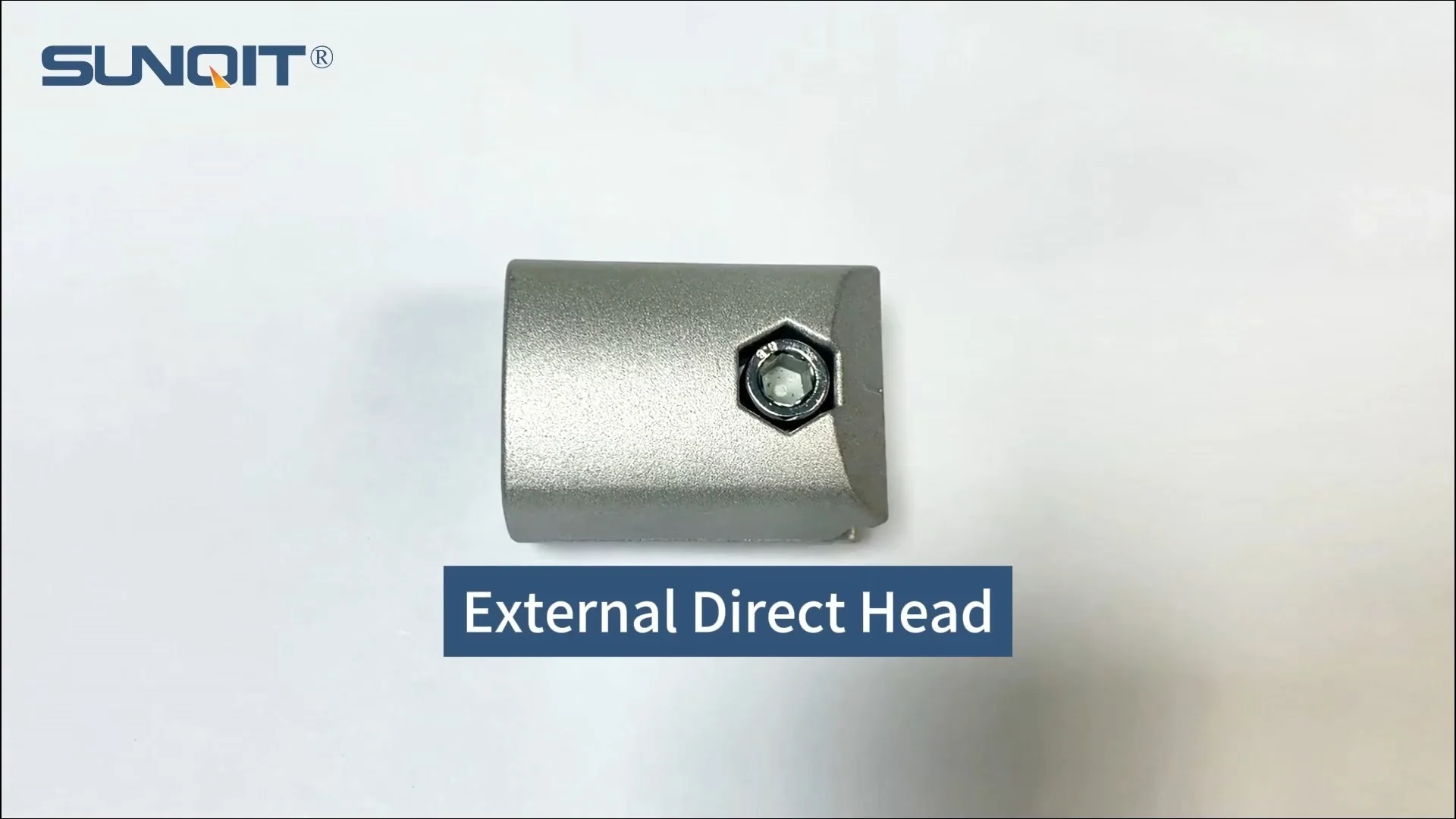
In an era where sustainability is no longer a buzzword but a business imperative, manufacturers worldwide are reevaluating every component of their production lines. From raw materials to end-of-life disposal, the push for greener practices has seeped into every corner of the industry. Among the unsung heroes of this transition are the small but mighty components that hold production systems together—specifically, external straight aluminum joints. These unassuming connectors, often overlooked in the grand scheme of manufacturing, play a pivotal role in driving eco-friendly operations. In this article, we'll explore how external straight aluminum joints, paired with aluminum pipes and profiles, are reshaping green manufacturing, reducing environmental footprints, and aligning with the principles of lean systems.
What Are External Straight Aluminum Joints?
At first glance, an external straight aluminum joint might seem like little more than a metal cylinder with threads. But beneath its simple exterior lies a marvel of engineering designed for both functionality and sustainability. These joints are precision-crafted connectors used to join aluminum pipes, aluminum lean pipes, or aluminum profiles in straight-line configurations—think of them as the "glue" that holds modular production systems together without the need for welding or adhesives.
Constructed from high-grade aluminum alloys, typically 6061 or 6063 (widely favored for their strength, corrosion resistance, and extrudability), these joints are built to withstand the rigors of industrial environments. Their design varies slightly by application, but most feature internal threading, smooth external surfaces, and a lightweight yet robust structure. Some models include rubber gaskets or anti-slip coatings to enhance stability, while others are treated with anodization to further boost corrosion resistance—a critical feature for longevity in factories where moisture or chemicals may be present.
What truly sets external straight aluminum joints apart is their modularity. Unlike traditional welded steel joints, which are fixed and permanent, these aluminum connectors allow for tool-free assembly and disassembly. A worker can slide an aluminum pipe into the joint, secure it with a bolt or clamp, and have a stable connection in minutes. This flexibility not only speeds up production line setup but also makes reconfiguration a breeze—no cutting, grinding, or re-welding required. For manufacturers aiming to reduce waste and adapt to changing production needs, this modularity is a game-changer.
Aluminum: The Sustainable Core of Green Joints
To understand the eco-friendly nature of external straight aluminum joints, we must start with the material itself: aluminum. Often hailed as the "green metal," aluminum boasts sustainability credentials that few other materials can match. Let's break down why aluminum is the ideal choice for eco-conscious manufacturers.
100% Recyclable, Infinite Lifespan
Aluminum is 100% recyclable, and unlike paper or plastic, it retains its quality and strength through countless recycling cycles. According to the Aluminum Association, recycled aluminum requires just 5% of the energy needed to produce primary aluminum from bauxite ore. This translates to a 95% reduction in energy consumption and a corresponding drop in greenhouse gas emissions. For external straight aluminum joints, this means that even at the end of their service life, they won't end up in landfills—instead, they can be melted down and reformed into new joints, aluminum pipes, or other aluminum products, closing the loop on the material lifecycle.
Abundance and Low Environmental Impact
Aluminum is the most abundant metal in the Earth's crust, making up about 8% of the planet's surface. While mining bauxite (the ore from which aluminum is derived) does have environmental impacts, advancements in mining practices have reduced habitat disruption and water usage. Moreover, the metal's longevity offsets these initial impacts: a well-maintained aluminum joint can last decades, reducing the need for frequent replacements and minimizing the demand for new raw materials.
Lightweight, Energy-Efficient Design
Aluminum is significantly lighter than steel—about one-third the weight—without sacrificing strength. This lightweight property has a ripple effect on sustainability. When used in production systems like workbenches, flow racks, or turnover trolleys, aluminum components reduce the overall weight of the equipment. Lighter trolleys are easier to maneuver, reducing worker fatigue and the energy needed to move materials across the factory floor. Similarly, lightweight aluminum profiles and pipes lower transportation costs and emissions when shipping components from suppliers to manufacturers.
| Material | Recyclability | Energy Use (vs. Primary Production) | Lifespan (Industrial Use) |
|---|---|---|---|
| Aluminum | 100% (infinite cycles) | 5% (recycled vs. primary) | 20–30+ years |
| Steel | 80–90% (loses quality over time) | 75% (recycled vs. primary) | 15–20 years (prone to rust) |
| Plastic | 5–10% (limited cycles) | N/A (fossil fuel-based) | 3–5 years (degrades in sunlight/heat) |

Aligning with Lean Systems: Reducing Waste, Boosting Efficiency
Green manufacturing isn't just about using sustainable materials—it's also about optimizing processes to eliminate waste. This is where lean systems come into play, and external straight aluminum joints are perfectly suited to support lean principles. Lean manufacturing, pioneered by Toyota, focuses on minimizing "muda" (waste) in all forms: overproduction, excess inventory, defects, and unnecessary movement, to name a few. Let's explore how these joints contribute to a leaner, greener production line.
Modularity: The Key to Adapting Without Waste
One of the biggest sources of waste in manufacturing is rigid, fixed production setups. When a product design changes or demand shifts, factories often have to tear down entire workbenches or flow racks and build new ones from scratch—a process that generates tons of scrap metal or plastic. External straight aluminum joints eliminate this waste by enabling modularity. Aluminum pipes and profiles can be easily disconnected from the joints, reconfigured, and reused in new setups. For example, a workbench that once assembled smartphones can be disassembled and reassembled into a flow rack for packaging materials in a matter of hours, with zero waste and minimal downtime.
Flexibility: Supporting Just-In-Time Production
Just-In-Time (JIT) production, a cornerstone of lean systems, relies on producing only what's needed, when it's needed. This requires production lines that can quickly scale up or down. External straight aluminum joints make this possible by allowing workers to adjust the height, width, or length of workstations on the fly. A manufacturer ramping up production for a seasonal spike can add extra levels to a material rack by simply adding aluminum pipes and joints, rather than buying a new rack. Conversely, during slow periods, components can be disassembled and stored, freeing up floor space and reducing energy use for lighting or heating unused areas.
Durability: Minimizing Replacement Waste
In lean terms, "defects" include equipment failures that halt production. External straight aluminum joints, made from corrosion-resistant aluminum alloys, are built to last. Unlike plastic joints that crack under stress or steel joints that rust and weaken, these aluminum connectors maintain their integrity even in harsh industrial environments. This durability reduces the need for frequent replacements, cutting down on the waste generated by discarded broken parts and the energy used to manufacture new ones. A lean system supplier that switched to aluminum joints reported a 40% decrease in maintenance costs and a 35% drop in component waste within the first year.

Real-World Applications: How Factories Are Going Green with Aluminum Joints
To truly grasp the impact of external straight aluminum joints, let's look at how they're being used in real manufacturing settings. These examples highlight the tangible benefits—both environmental and operational—that these components bring to the table.
Case Study 1: Automotive Assembly Line
A leading automotive manufacturer in Europe was struggling with high waste from its rigid steel-based assembly lines. Every time a new car model was introduced, the factory had to replace entire sections of the line, generating tons of steel scrap. The company partnered with a lean system supplier to transition to aluminum-based workstations using external straight aluminum joints and aluminum lean pipes. Within six months, they reduced waste by 32% by reusing 85% of their aluminum components across model changes. Additionally, the lighter aluminum workstations reduced worker fatigue, cutting down on ergonomic injuries and improving productivity by 15%.
Case Study 2: Electronics Manufacturing
An electronics plant producing circuit boards needed to comply with strict ESD (Electrostatic Discharge) regulations while reducing its carbon footprint. Traditional ESD workstations were made with steel frames and plastic components, which were heavy and hard to recycle. The plant switched to modular workstations built with aluminum profiles, external straight aluminum joints, and ESD-safe aluminum pipes. The new setup was not only lighter and easier to reconfigure but also fully recyclable. By the end of the first year, the plant's e-waste from workstation replacements dropped by 60%, and its carbon emissions from transportation (due to lighter equipment) decreased by 22%.
Case Study 3: Logistics and Warehousing
A global logistics company was facing rising fuel costs for transporting goods within its warehouses. Its steel turnover trolleys were heavy, requiring more energy to move and increasing wear on floors. The solution? Trolleys built with aluminum pipes and external straight aluminum joints. The new trolleys were 40% lighter, reducing the energy needed to push them by 30%. Over time, the company also noted that the aluminum trolleys required less maintenance than their steel counterparts, further lowering operational costs. By the end of the pilot program, the company had rolled out the aluminum trolleys across 10 warehouses, saving an estimated 1,200 tons of CO2 annually.

The Future of Green Manufacturing: Innovations in Aluminum Joints
As manufacturers continue to prioritize sustainability, the demand for eco-friendly components like external straight aluminum joints is growing—and with it, a wave of innovations. Here's a look at emerging trends that will further enhance the green credentials of these essential connectors.
Smart Joints with Predictive Maintenance
Imagine a joint that can tell you when it's starting to wear out. Emerging "smart" aluminum joints are embedded with tiny sensors that monitor stress, temperature, and vibration. This data is sent to a central system, alerting maintenance teams to potential issues before they lead to failures. By enabling predictive maintenance, these joints reduce unplanned downtime and extend the lifespan of production systems, further minimizing waste.
Bio-Based Coatings for Enhanced Sustainability
While aluminum itself is eco-friendly, some coatings used to protect joints (like certain paints or lubricants) can contain harmful chemicals. Researchers are developing bio-based coatings made from plant oils or recycled polymers that offer the same protection without the environmental impact. These coatings are biodegradable at the end of their life, ensuring that even the smallest components of the production line align with circular economy principles.
Integration with Circular Supply Chains
Forward-thinking lean system suppliers are now offering take-back programs for aluminum joints and components. When a manufacturer upgrades its production line, the supplier collects old joints, recycles them, and uses the recycled aluminum to produce new ones. This closed-loop system ensures that aluminum never enters landfills and keeps the material in circulation, further reducing the need for primary aluminum production.
Conclusion: Small Joints, Big Impact on Green Manufacturing
In the grand tapestry of green manufacturing, external straight aluminum joints may seem like minor threads, but their impact is undeniable. By combining the sustainability of aluminum with modular design and lean compatibility, these connectors are helping factories reduce waste, cut emissions, and build more resilient production systems. From automotive plants to electronics factories, their ability to adapt, recycle, and endure is reshaping how we think about industrial components.
As we look to the future, the role of external straight aluminum joints will only grow. With innovations in smart technology, bio-based materials, and circular supply chains, these small but mighty components will continue to drive the transition to a more sustainable manufacturing sector. For manufacturers ready to embrace green practices, the message is clear: sometimes, the most powerful solutions come in the smallest packages.