- Company Articles
- Products and Technology
- Product knowledge
- External Straight Aluminum Joints for Computer Peripheral Production Lines

External Straight Aluminum Joints for Computer Peripheral Production Lines
Related Product
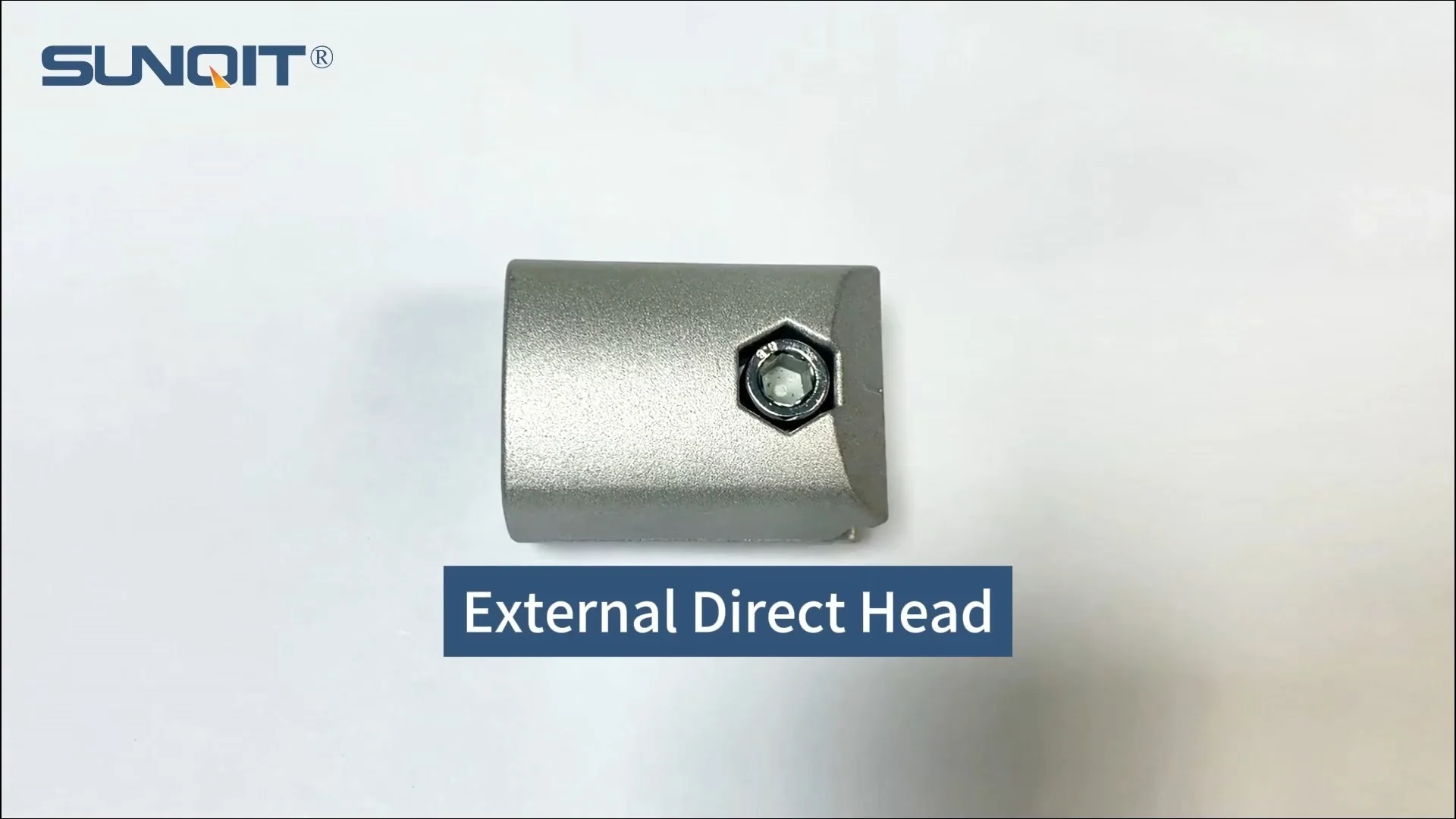
External Straight Aluminum Joint
Aluminum pipe joint outside connection used for two pcs 28pcs aluminum pipe connection in straight angle,it connects two pcs pipe from outside.
In the fast-paced world of computer peripheral manufacturing, where precision meets productivity, every component on the production line plays a critical role. From the sleek keyboards we type on to the ergonomic mice that navigate our screens, and the durable monitors that display our work, the journey from raw materials to finished product relies on a seamless, adaptable, and efficient production process. One often-overlooked hero in this journey? The external straight aluminum joint. These unassuming connectors are the backbone of modern, flexible production lines, quietly ensuring that workbenches, flow racks, and conveyor systems stay sturdy, adaptable, and ready to meet the ever-changing demands of tech manufacturing.
Let's start by understanding why flexibility matters so much in computer peripheral production. Unlike mass-produced items with static designs, computer peripherals evolve rapidly. A keyboard might get a slimmer profile next quarter; a mouse could add new buttons for gaming enthusiasts; a monitor might shift to a curved screen. Each design tweak requires adjustments to the production line—reconfiguring workstations, rearranging material flow paths, or modifying assembly setups. Traditional production systems, built with rigid steel frames and welded joints, struggle to keep up. They're time-consuming to modify, expensive to replace, and often lead to downtime that eats into profit margins. This is where external straight aluminum joints step in, offering a solution that balances strength, adaptability, and cost-effectiveness.
What Are External Straight Aluminum Joints?
At their core, external straight aluminum joints are precision-engineered connectors designed to link aluminum pipes or profiles in a straight line. Made from high-grade aluminum alloys, they're lightweight yet surprisingly strong, capable of supporting the weight of tools, components, and even heavy workbenches. What sets them apart from traditional steel or plastic joints is their modular design: they attach to aluminum profiles using simple fastening mechanisms—usually screws or T-slot bolts—that require no welding, drilling, or specialized tools. This "click-and-go" functionality makes them a favorite among manufacturers looking to build or modify production lines on the fly.
But it's not just about ease of installation. External straight aluminum joints are built with versatility in mind. They come in various sizes to fit different aluminum profile widths (common options include 2020, 3030, and 4040 series aluminum profiles, terms you might recognize if you're familiar with industrial framing). Their external design—meaning the joint sits on the outside of the profile—ensures a clean, unobstructed connection, which is crucial for maintaining smooth material flow on conveyor systems or keeping workbench surfaces clear of bulky hardware. Plus, aluminum's natural resistance to corrosion means these joints hold up well in factory environments, where dust, humidity, and occasional spills are part of daily life.
The Role of External Straight Aluminum Joints in Production Line Efficiency
To appreciate the impact of external straight aluminum joints, let's zoom in on a typical computer peripheral production line. Imagine a facility that assembles wireless keyboards. The process involves multiple stages: plastic molding for keycaps, circuit board assembly, soldering components like microchips and sensors, testing for connectivity, and final packaging. Each stage requires a dedicated workspace—often a lean pipe workbench—and a way to move components between stages, like a flow rack or conveyor system. Now, if the design team decides to add a new function to the keyboard (say, a built-in touchpad), the assembly process might need an extra step: installing a small touch sensor. This could mean adding a new workstation or reconfiguring an existing one to fit the new component.
With traditional steel-framed workbenches, modifying that workstation would be a hassle. You'd need to cut steel pipes, weld new joints, and repaint the frame to prevent rust—all of which takes time and skilled labor. But with external straight aluminum joints, the process is dramatically simpler. A worker can loosen the screws holding the joint in place, adjust the aluminum profile to the new length, re-tighten the joint, and have the workstation ready in minutes. No welding, no special tools, no downtime. That's the power of modularity—and it's why these joints have become a staple in facilities that prioritize agility.
But their role isn't limited to workbenches. External straight aluminum joints also shine in material handling systems. Take flow racks, for example. These sloped racks use gravity to move components from the back to the front, ensuring that assemblers always have easy access to parts. To keep the flow smooth, the racks need to be perfectly aligned, with each section connected securely. External straight aluminum joints excel here: they create a rigid, straight connection between aluminum profiles, preventing the rack from wobbling or sagging under the weight of plastic bins filled with keycaps or circuit boards. Similarly, on conveyor systems, these joints help link roller tracks or belt sections, ensuring that components glide from one workstation to the next without jamming or getting stuck.

Why Aluminum? The Material Advantage
You might be wondering: why aluminum, and not steel or plastic? Let's break it down. Steel is strong, but it's heavy—moving a steel-framed workbench requires multiple people or forklifts, which slows down reconfiguration. It's also prone to rust if not properly coated, adding maintenance costs. Plastic joints, on the other hand, are lightweight but lack the structural integrity needed for heavy-duty applications; over time, they can crack or warp under constant use. Aluminum strikes the perfect balance.
Aluminum is about one-third the weight of steel, making it easy to handle during installation or reconfiguration. A single worker can carry an aluminum profile with external straight joints attached, whereas steel would require a team. Yet, when alloyed with elements like magnesium or silicon, aluminum becomes surprisingly strong—strong enough to support the weight of a fully loaded lean pipe workbench, including tools, components, and even a worker leaning on it. Add in aluminum's natural corrosion resistance, and you have a material that lasts longer with minimal upkeep. Unlike steel, which needs regular painting or coating, aluminum joints can withstand years of exposure to factory dust and moisture without rusting. This durability translates to lower long-term costs, as manufacturers spend less on replacements and maintenance.
Another advantage of aluminum is its compatibility with T-slot profiles. Most aluminum profiles used in production lines have T-shaped grooves running along their length, which allow accessories like shelves, brackets, or tool holders to be attached anywhere along the profile. External straight aluminum joints are designed to work seamlessly with these T-slots, using bolts or screws that slide into the grooves and tighten securely. This means you're not just limited to straight connections—you can add a side shelf to a workbench by attaching a bracket to the T-slot, or mount a small conveyor onto a flow rack using the same joints. The possibilities are nearly endless, and that flexibility is key in a industry where no two production days are exactly alike.

Comparing External Straight Aluminum Joints to Traditional Alternatives
To truly grasp the value of external straight aluminum joints, let's compare them to two common alternatives: welded steel joints and plastic snap-fit joints. The table below breaks down their key differences in terms of installation, flexibility, durability, and cost.
| Feature | Welded Steel Joints | Plastic Snap-Fit Joints | External Straight Aluminum Joints |
|---|---|---|---|
| Installation Time | High (requires welding, grinding, painting) | Low (snap-on, no tools) | Low (screwdriver or hex key, no special skills) |
| Flexibility | Very low (permanent; cannot be reconfigured) | Medium (can be snapped off, but may wear out over time) | Very high (easily adjustable; reusable on different setups) |
| Weight | Heavy (adds bulk to the frame) | Light (but less stable for heavy loads) | Lightweight (strong yet easy to handle) |
| Durability | High (but prone to rust without coating) | Low (can crack under heavy weight or temperature changes) | High (corrosion-resistant, alloy strength) |
| Cost (Long-Term) | High (initial welding costs + replacement costs for reconfigurations) | Medium (low upfront cost, but frequent replacements) | Low (higher upfront cost, but reusable and low maintenance) |
| Compatibility | Limited (only works with steel profiles) | Limited (only fits specific plastic profiles) | High (works with most aluminum T-slot profiles) |
As the table shows, external straight aluminum joints outperform traditional options in nearly every category that matters to manufacturers. Welded steel joints, while strong, are permanent and heavy—great for static systems but useless for dynamic production lines. Plastic joints are cheap and easy to install, but they lack the strength to handle heavy loads or frequent adjustments. Aluminum joints, by contrast, offer the best of both worlds: the strength to support daily use, the flexibility to adapt to changes, and the durability to last for years.

Real-World Applications: How Manufacturers Are Using These Joints
Let's look at a concrete example of how external straight aluminum joints are transforming computer peripheral production. Consider a mid-sized manufacturer that produces gaming mice. A few years ago, their production line relied on welded steel workbenches and fixed flow racks. When they launched a new line of ergonomic mice with customizable weights, they needed to add a station where workers could insert small metal weights into the mouse bodies. The existing steel workbench was too short, so they had two options: build a entirely new workbench (costing time and money) or cut and weld an extension (disrupting production for a day). Instead, they switched to aluminum profiles and external straight aluminum joints. Within a week, they had modified the existing workbench by adding a 2-foot extension using the joints. The total cost? A fraction of building a new bench, and production downtime was limited to a single hour during a shift change.
Another example comes from a monitor assembly plant. Their conveyor system, which moves monitor frames from the painting station to the screen installation station, used plastic snap-fit joints to connect roller tracks. Over time, the plastic joints began to wear down, causing the tracks to misalign and frames to get stuck. This led to frequent jams and occasional scratches on the frames—costing the company both time and money in rework. After switching to external straight aluminum joints, the tracks stayed aligned, jams dropped by 90%, and the conveyor system now runs 24/7 with minimal issues. The aluminum joints, they found, were not only more durable but also easier to clean, which helped maintain the strict hygiene standards required for monitor screens.
These stories highlight a common theme: external straight aluminum joints aren't just about connecting pipes—they're about empowering manufacturers to be proactive. Instead of reacting to design changes with panic and downtime, teams can adapt quickly, experiment with new layouts, and even test small-scale production runs without overhauling their entire line. In an industry where speed to market can make or break a product, that agility is priceless.
Maintenance Tips for Long-Lasting Performance
Like any component, external straight aluminum joints perform best when properly maintained. The good news is that their maintenance needs are minimal—especially compared to steel joints, which require regular rust checks and repainting. Here are a few simple tips to keep your joints (and the systems they support) in top shape:
1. Tighten Screws Regularly
Production lines vibrate—whether from conveyor motors, pneumatic tools, or workers moving around. Over time, this vibration can loosen the screws holding the joints in place. A quick monthly check with a hex key or screwdriver to tighten any loose screws will prevent wobbling or misalignment. This is especially important for joints on flow racks or conveyor systems, where even a small wobble can disrupt material flow.
2. Keep Them Clean
Dust and debris can accumulate in the T-slots of aluminum profiles, making it harder to adjust or remove joints when needed. A quick wipe with a dry cloth or a blast of compressed air every few weeks will keep the slots clear. For joints in areas with oil or grease (like near machinery), use a mild detergent and water to clean the surfaces—avoid harsh chemicals, as they can damage the aluminum's finish.
3. Inspect for Wear and Tear
While aluminum is durable, the screws or bolts used with the joints can wear out over time, especially if they're adjusted frequently. Every six months, inspect the threads on the screws and the condition of the joint's fastening holes. If a screw is stripped or a hole is damaged, replace the joint immediately—don't wait for it to fail. Most suppliers offer replacement joints at a reasonable cost, and replacing one joint is far cheaper than repairing a collapsed workbench or damaged conveyor.
4. Protect Against Extreme Conditions
Aluminum resists corrosion, but it's not immune to extreme environments. If your production line is in a particularly humid area or handles corrosive materials (like certain cleaning agents), consider using stainless steel screws with your aluminum joints. This extra layer of protection will prevent rust from forming on the fasteners and spreading to the joint itself.
The Future of External Straight Aluminum Joints in Manufacturing
As computer peripheral manufacturing continues to evolve—with trends like automation, IoT integration, and sustainable production gaining momentum—external straight aluminum joints are poised to play an even bigger role. Let's explore a few future possibilities:
Integration with Smart Systems: Imagine joints with built-in sensors that monitor tension or vibration, sending alerts to a factory management system if a connection starts to loosen. This could prevent breakdowns before they happen, further reducing downtime. While this is still in the prototype stage, some aluminum profile manufacturers are already experimenting with "smart" T-slots that can accommodate sensors, and external straight joints would be the natural connectors for these systems.
Sustainability Focus: Aluminum is 100% recyclable, and recycling it uses just 5% of the energy required to produce new aluminum. As manufacturers push to reduce their carbon footprints, using modular aluminum systems with reusable joints will become even more appealing. Unlike welded steel, which is difficult to recycle without melting down the entire frame, aluminum profiles and joints can be disassembled, sorted, and recycled individually—making them a greener choice for eco-conscious brands.
Customization for Niche Applications: As computer peripherals become more specialized (think medical-grade keyboards or military-grade mice), production lines will need even more tailored solutions. External straight aluminum joints, with their ability to connect to custom-cut aluminum profiles, will make it easier to build niche workstations—like anti-static benches for sensitive electronics or sterile setups for medical devices. Suppliers are already offering custom joint sizes and finishes to meet these unique needs, and that trend is only set to grow.
Conclusion: The Unsung Hero of Modern Production Lines
In the grand scheme of computer peripheral manufacturing, external straight aluminum joints may not get the same attention as high-tech robots or precision tools. But without them, the flexible, efficient production lines we rely on today would simply not exist. They're the quiet problem-solvers, the connectors that turn rigid frames into adaptable systems, and the reason manufacturers can pivot quickly when designs change or demand spikes.
Whether you're building a new lean pipe workbench, upgrading a flow rack, or designing a custom conveyor system, choosing the right joints matters. External straight aluminum joints offer the perfect blend of strength, flexibility, and durability—all at a price point that makes them accessible to small and large manufacturers alike. They're not just components; they're investments in your production line's future, ensuring that it can grow, adapt, and thrive in an industry that never stands still.
So the next time you type on your keyboard or move your mouse, take a moment to appreciate the journey that product took to reach your desk. Behind every smooth, reliable peripheral is a production line built on precision—and more often than not, that line is held together by the humble external straight aluminum joint.