- Company Articles
- Products and Technology
- Product knowledge
- External Straight Aluminum Joints for Heavy-Duty Material Racks: What to Consider

External Straight Aluminum Joints for Heavy-Duty Material Racks: What to Consider
Related Product
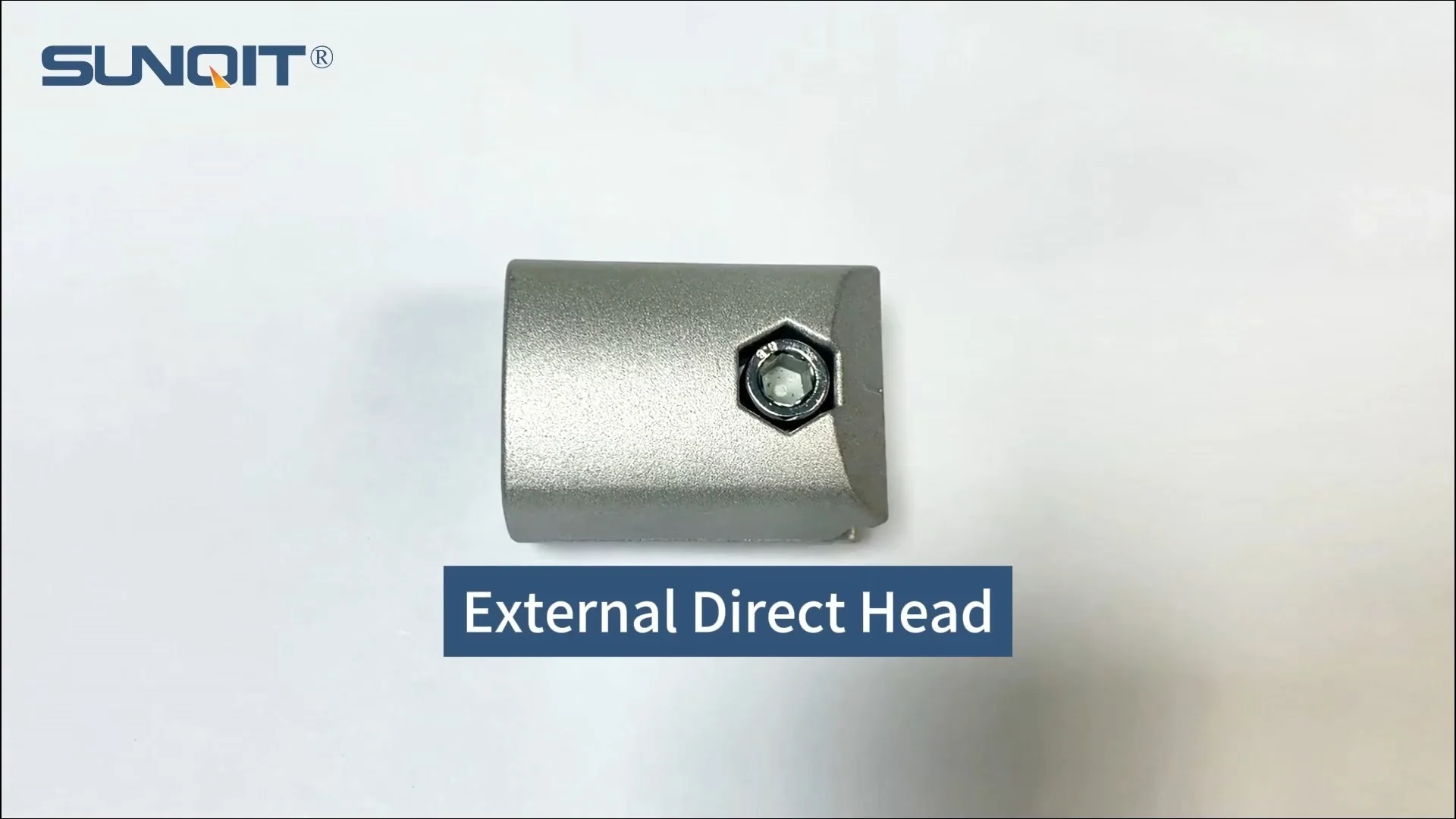
External Straight Aluminum Joint
Aluminum pipe joint outside connection used for two pcs 28pcs aluminum pipe connection in straight angle,it connects two pcs pipe from outside.
Walk into any busy manufacturing plant, warehouse, or assembly line, and you'll notice the unsung backbone of daily operations: material racks. These structures hold everything from raw components to finished products, keeping workflows moving and spaces organized. But here's the truth—even the sturdiest rack is only as reliable as the joints that hold its pipes and profiles together. When it comes to heavy-duty applications, external straight aluminum joints often emerge as the quiet heroes, balancing strength, flexibility, and durability. In this guide, we'll dive into what makes these joints essential, the key factors to evaluate when choosing them, and how they impact everything from safety to productivity.
Understanding External Straight Aluminum Joints: More Than Just a Connector
At first glance, an external straight aluminum joint might seem like a simple piece of hardware—a small component designed to link two pipes in a straight line. But look closer, and you'll realize its complexity. These joints are precision-engineered to fit snugly around aluminum lean pipes , using screws, bolts, or clamping mechanisms to create a secure bond. Unlike internal joints (which fit inside pipes) or plastic alternatives, external straight aluminum joints offer unique advantages:
- Accessibility: Mounted on the outside of pipes, they're easier to install, adjust, and inspect—no need to disassemble entire sections to tighten a loose connection.
- Strength-to-Weight Ratio: Aluminum's natural strength, combined with its lightweight properties, makes these joints ideal for heavy loads without adding unnecessary bulk.
- Corrosion Resistance: Aluminum forms a protective oxide layer, resisting rust and wear even in humid or chemical-exposed environments (a must for factories with strict cleanliness standards).
But why "straight"? In material racks, straight joints are the workhorses of horizontal and vertical (frames), ensuring pipes align perfectly to support shelves, roller track , and storage bins. A misaligned or weak straight joint can throw off an entire rack's stability—leading to sagging shelves, jamming roller tracks, or worse, collapse.
Why Heavy-Duty Material Racks Demand Quality Joints
Heavy-duty material racks aren't your average storage shelves. They're built to withstand constant use: forklifts maneuvering nearby, workers loading/unloading boxes, and the cumulative weight of hundreds (or thousands) of kilograms of materials. Consider a material rack b (3 row and 3 floor) —a common design in automotive and electronics manufacturing. Each shelf might hold 40-60kg of components; multiply that by 9 shelves (3 rows x 3 floors), and the joints supporting the vertical and horizontal pipes are under immense stress. Add dynamic loads (like items being slid onto shelves) and environmental factors (vibration from machinery, temperature fluctuations), and it's clear: cutting corners on joints is a risk no operation can afford.
Poorly chosen joints lead to more than just wobbly racks. They cause:
- Downtime: A collapsed shelf means halting production to clean up, replace parts, or restock.
- Damaged Inventory: Falling components can be ruined—costing money and delaying orders.
- Safety Risks: Loose joints create hazards for workers, from tripping to falling objects.

Key Considerations When Selecting External Straight Aluminum Joints
Now that we've established their importance, let's break down the critical factors to weigh when choosing external straight aluminum joints for heavy-duty material racks. Think of this as your checklist to avoid common pitfalls and ensure your racks stand the test of time.
1. Load Capacity: Know Your Numbers
Load capacity is non-negotiable. Every joint has a maximum weight it can support—both static (stationary loads) and dynamic (moving or shifting loads). Start by calculating your rack's total load: multiply the weight per shelf by the number of shelves, then add extra for "shock loads" (e.g., dropping a box onto a shelf). For example, a material rack b (3 row and 3 floor) with 50kg per shelf carries 450kg total. The joints holding its vertical supports must handle this weight, plus the horizontal stress from shelves.
Always check the manufacturer's specs for load ratings, and err on the side of caution. A joint rated for 200kg per connection might seem sufficient, but if it's part of a rack with 10 such joints, the cumulative stress could exceed its limits. Look for joints tested to industry standards (e.g., ISO) and ask your lean pipe supplier for load test reports—transparency here is a good sign of quality.
2. Compatibility: Not All Pipes and Joints Play Well Together
Aluminum lean pipes come in various diameters (common sizes include 28mm, 30mm, and 40mm) and wall thicknesses. An external straight joint designed for a 28mm pipe won't fit a 40mm pipe—and forcing it will only lead to instability. Compatibility also extends to aluminum profile accessories like end caps, clamps, and brackets. For example, if your rack uses aluminum guide rails to support roller track, the joint must align with these rails to prevent gaps or misalignment.
Pro tip: Buy joints and pipes from the same supplier when possible. Reputable suppliers design their components to work together seamlessly, reducing the risk of mismatched parts. If mixing brands, double-check measurements (outer diameter of pipes, inner diameter of joints) and ask for sample parts to test before bulk ordering.
3. Durability: Built to Last (Even When Life Gets Rough)
Heavy-duty material racks don't live in perfect conditions. They're exposed to dust, moisture, occasional impacts, and constant vibration. Your joints need to withstand all of this. Here's what to look for:
- Material Grade: Opt for high-grade aluminum alloys (e.g., 6061 or 6063) known for strength and corrosion resistance. Avoid cheap, low-alloy aluminum that bends or cracks under stress.
- Finish: Anodized or powder-coated joints offer extra protection against scratches and rust. Anodization, in particular, enhances the natural oxide layer, making joints more durable in humid environments.
- Hardware Quality: The screws or bolts included with the joint matter. Stainless steel hardware resists rust, while high-tensile bolts won't strip during installation.
4. Installation and Maintenance: Time Is Money
In fast-paced facilities, downtime during rack assembly or repairs is costly. External straight aluminum joints shine here, thanks to their user-friendly design. Look for features like:
- Tool-Free or Minimal Tools: Some joints use quick-release levers or hand-tightened knobs, eliminating the need for wrenches or drills. This speeds up assembly and reconfiguration (a boon for lean manufacturing setups that require frequent layout changes).
- Adjustability: Joints with slotted holes or swivel mechanisms allow for minor alignment tweaks—critical when pipes aren't perfectly straight (a common issue with DIY rack builds).
- Easy Inspection: External mounting makes it simple to check for loose bolts or wear during routine maintenance. A quick visual scan can prevent a small issue from becoming a big problem.
5. Cost vs. Value: Investing in Quality
It's tempting to opt for the cheapest joints to cut costs, but this is a classic false economy. A $5 joint might fail after 6 months, requiring replacement and downtime, while a $10 joint from a trusted supplier could last 5+ years. When calculating cost, factor in:
- Total Cost of Ownership (TCO): Include replacement frequency, labor for installation/maintenance, and potential losses from failures.
- Warranty: Reputable suppliers stand behind their products with warranties (e.g., 2-5 years). A warranty isn't just a guarantee—it's a sign the manufacturer believes in their joint's durability.

Real-World Example: Material Rack B (3 Row and 3 Floor)
Let's put this all into context with a real-world scenario: a material rack b (3 row and 3 floor) used in an electronics assembly plant. This rack is 1.8m tall, 1.2m wide, and holds small circuit boards and components (average 30kg per shelf). Here's how external straight aluminum joints make or break its performance:
- Load Capacity: The vertical supports use 40mm aluminum lean pipes with external straight joints rated for 300kg each. With 4 vertical pipes, the total load capacity is 1200kg—well above the rack's 450kg total load (3 rows x 3 floors x 30kg).
- Compatibility: The joints are designed to fit 40mm pipes and work with the rack's roller track system, ensuring components slide smoothly from shelf to assembly line without jamming.
- Durability: Anodized aluminum joints resist the plant's occasional humidity spikes, while stainless steel bolts stay tight through daily vibrations from nearby machinery.
- Installation: The plant's maintenance team assembled the rack in 2 hours using only hex keys—no welding required. Six months later, a quick inspection of the external joints revealed no signs of wear, and a loose bolt was tightened in 5 minutes.
The result? Zero downtime, no damaged inventory, and a rack that's easily reconfigured when production needs change—all thanks to choosing the right external straight aluminum joints.

Comparing Joint Types: How External Straight Aluminum Stacks Up
Not all joints are created equal. To help you decide if external straight aluminum is right for your needs, here's a comparison with common alternatives:
| Joint Type | Load Capacity (Avg.) | Best For | Pros | Cons |
|---|---|---|---|---|
| External Straight Aluminum | 200-500kg | Heavy-duty racks, lean systems | Strong, corrosion-resistant, easy to install/inspect | Higher initial cost than plastic |
| Internal Straight Aluminum | 150-400kg | Low-profile racks, aesthetic designs | Sleek look, hidden hardware | Harder to inspect; requires pipe disassembly for maintenance |
| Plastic Straight | 50-150kg | Light loads, temporary setups | Cheap, lightweight | Prone to cracking; poor in high temps or heavy loads |
| Stainless Steel Straight | 400-800kg | Extreme loads, chemical environments | Maximum strength, highly corrosion-resistant | Heavy, expensive, hard to adjust |
Choosing the Right Supplier: More Than Just a Vendor
Your joint's quality depends largely on your supplier. A reliable lean pipe supplier does more than sell parts—they offer expertise, technical support, and consistent quality. Here's what to ask potential suppliers:
- Do you have certifications? Look for ISO 9001 (quality management) or ISO 14001 (environmental management) certifications.
- Can you provide custom solutions? If your rack has unique dimensions, a supplier who offers custom joint sizes or finishes is invaluable.
- What's your lead time? For urgent projects, a supplier with local stock can deliver joints in days, not weeks.
- Do you offer technical support? A supplier who helps you calculate load capacities or troubleshoot installation issues saves you time and stress.
Common Mistakes to Avoid
Even with the best intentions, it's easy to make missteps when selecting external straight aluminum joints. Here are the top mistakes to steer clear of:
- Underestimating Loads: "It's just a few boxes" can lead to catastrophic failure. Always calculate maximum possible loads, not just average ones.
- Mixing Brands: A joint from Supplier A and a pipe from Supplier B might look compatible, but slight size variations can cause looseness.
- Ignoring Environmental Factors: Humidity, chemicals, or extreme temperatures can degrade even aluminum joints—choose finishes accordingly.
- Skipping Maintenance: "Set it and forget it" doesn't work. Inspect joints quarterly for tightness and wear.
Final Thoughts: Joints That Support Your Success
External straight aluminum joints might be small, but their impact on your material racks— and your business— is huge. By prioritizing load capacity, compatibility, durability, and supplier reliability, you're not just building a rack—you're building a foundation for efficient, safe, and scalable operations. Whether you're assembling a material rack b (3 row and 3 floor) or a custom lean system, remember: the right joint today prevents headaches tomorrow. So take the time to research, test, and invest in quality—your team, your inventory, and your bottom line will thank you.