- Company Articles
- Products and Technology
- Product knowledge
- External Straight Aluminum Joints for Tote Carts: Enhancing Mobility & Strength

External Straight Aluminum Joints for Tote Carts: Enhancing Mobility & Strength
Related Product
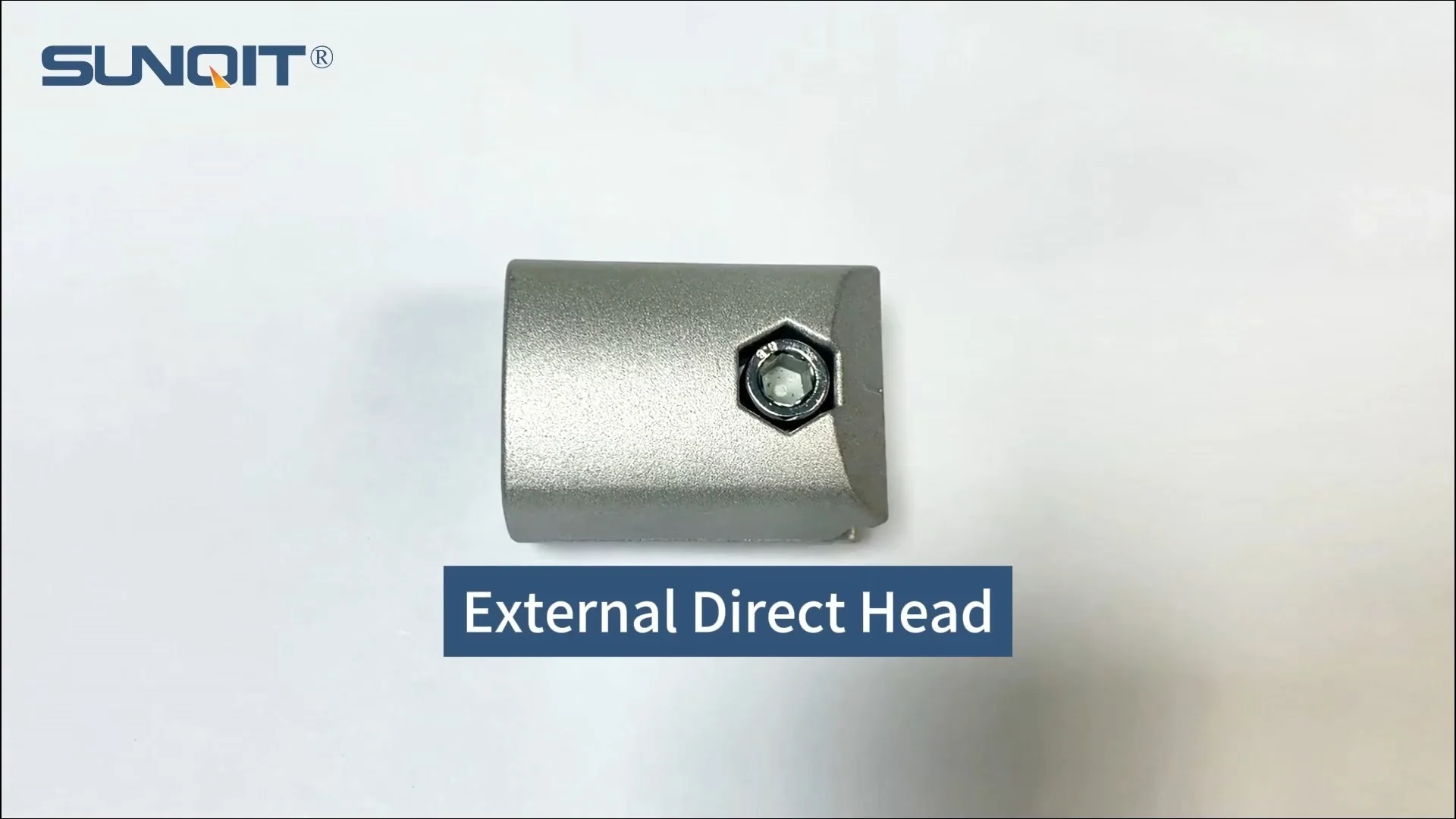
External Straight Aluminum Joint
Aluminum pipe joint outside connection used for two pcs 28pcs aluminum pipe connection in straight angle,it connects two pcs pipe from outside.
Walk through any busy factory, warehouse, or assembly plant, and you'll notice a common sight: tote carts gliding (or sometimes struggling) across the floor, loaded with parts, tools, or finished products. These unassuming workhorses are the backbone of material handling, quietly keeping production lines moving and ensuring efficiency. But here's the thing: most people don't think about what holds these carts together. They just expect them to work. Until they don't. A wobbly cart, a joint that snaps under pressure, or a wheel that seizes up—these small failures can bring a section of the floor to a halt, costing time, money, and frustration. That's where external straight aluminum joints come in. These simple yet ingenious components are changing the game for tote carts, turning them from potential weak links into reliable, long-lasting assets. In this article, we'll dive into how these joints work, why aluminum is the material of choice, and how they team up with aluminum lean pipe , caster wheels , and other accessories to boost both mobility and strength. We'll also explore their role beyond tote carts, from workbenches to turnover trolley and rack systems, proving that sometimes the smallest parts make the biggest difference.
The Hidden Problem: Why Traditional Tote Cart Joints Fall Short
To understand why external straight aluminum joints are a game-changer, let's first talk about what came before. Traditional tote carts are often built with plastic or steel joints. Plastic joints are cheap and easy to mold, but they have a big flaw: they're not built for heavy loads. Ever seen a cart sag in the middle after a few months of use? Chances are, the plastic joints have started to warp under the weight. Steel joints, on the other hand, are strong—but they're heavy. That extra weight makes the cart harder to push, especially when loaded, and over time, steel rusts, especially in humid factory environments. Even worse, many traditional joints are "internal" or "hidden," meaning the connection points are inside the pipe or frame. When they loosen or wear out, you can't see the damage until it's too late. Imagine pushing a cart loaded with circuit boards, only to have a joint snap and spill everything—disaster. And let's not forget mobility. A cart is only as good as its ability to move, but if the joints holding the frame together are weak, the whole structure wobbles. That wobble puts extra stress on the caster wheels , causing them to wear unevenly or get stuck. Suddenly, a cart that should glide feels like it's dragging a boulder. These issues aren't just annoying—they're costly. A 2023 study by the Manufacturing Efficiency Institute found that equipment downtime due to faulty material handling tools (like tote carts) costs the average factory $12,000 per year. Most of these issues trace back to subpar joints. So, what's the solution?
Meet the Hero: What Are External Straight Aluminum Joints?
At first glance, an external straight aluminum joint might not look like much. It's a small, sleek component, usually shaped like a short cylinder or block with holes for inserting pipes, and bolts or screws to hold everything in place. But don't let its simplicity fool you. These joints are engineered to address every weakness of traditional options. Let's break down the name: "External" means the joint sits on the outside of the pipes, making the connection visible and easy to inspect. No more guessing if a hidden joint is loose—you can see it at a glance. "Straight" refers to the alignment: these joints are designed to keep pipes perfectly straight, preventing the bending or warping that weakens the frame. And "Aluminum"? Well, that's where the magic really happens. Aluminum is lightweight, corrosion-resistant, and surprisingly strong—three traits that make it ideal for a component that needs to balance mobility and durability. But why "straight" specifically? Tote carts rely on rigid frames to distribute weight evenly. If the joints allow pipes to angle or twist, the cart becomes unstable, especially when turning or hitting a bump. External straight aluminum joints lock pipes into place, creating a frame that's both stiff and flexible enough to absorb minor impacts (like a cart accidentally hitting a wall). They're also modular, meaning you can easily adjust the cart's size or add shelves by swapping out pipes or adding more joints—no welding or special tools required. This flexibility is a huge plus for factories that need to adapt to changing production needs.

Aluminum: The Material That Makes It All Possible
Let's talk more about aluminum. Why is it better than plastic or steel for these joints? Let's start with weight. Aluminum is about one-third the weight of steel, which might not sound like much for a single joint, but multiply that by the dozens of joints in a typical tote cart, and the difference adds up. A lighter cart is easier to push, even when fully loaded, which reduces strain on workers and lowers the risk of repetitive motion injuries. That's a big win for workplace safety. Then there's corrosion resistance. Factories are tough environments—moisture, oils, chemicals, and even just humidity can take a toll on metal. Steel rusts, plastic can degrade when exposed to chemicals, but aluminum forms a natural oxide layer that protects it from corrosion. That means an aluminum joint will look and perform like new for years, even in damp or messy conditions. But what about strength? Isn't aluminum "softer" than steel? It's true that pure aluminum isn't as strong as steel, but the aluminum used in these joints is usually an alloy—mixed with other metals like magnesium or silicon—to boost strength without adding weight. Most external straight aluminum joints can handle loads of 200kg or more, which is more than enough for a typical tote cart loaded with parts or tools. Compare that to plastic joints, which often max out at 50-75kg, and you can see why aluminum is the better choice for heavy-duty use. Finally, aluminum is easy to machine and shape, which means manufacturers can create joints with precise tolerances. The holes in the joint fit aluminum lean pipe perfectly, creating a tight connection that won't loosen over time. This precision also makes installation a breeze—just slide the pipe into the joint, tighten a bolt, and you're done. No hammering, no glue, no waiting for welds to cool. For busy factories, this quick assembly (and disassembly) saves valuable time.

Mobility Redefined: How External Straight Aluminum Joints Boost Caster Wheel Performance
A tote cart is only as mobile as its wheels, but even the best caster wheels can't perform if the cart's frame is wobbly. That's where external straight aluminum joints really shine—they work hand-in-hand with caster wheels to create a smooth, stable ride. Here's how: A rigid frame ensures that the weight of the cart and its load is evenly distributed across all four wheels. If the frame bends or twists, more weight shifts to one or two wheels, causing them to wear out faster or even get stuck. External straight aluminum joints prevent this by keeping the frame square and level. Think of it like a table: a wobbly table has uneven legs, but a sturdy table has legs that are perfectly aligned. The same principle applies to tote carts. When the frame is rigid, the caster wheels can do their job—swiveling, rolling, and braking smoothly. Another benefit? Aluminum's lightweight nature reduces the overall weight of the cart, which means the caster wheels have less friction to overcome. A lighter cart is easier to push, even on rough concrete floors, and it puts less strain on the wheel bearings, extending their lifespan. Plus, because the joints are external, you can easily swap out caster wheels if needed—say, replacing standard wheels with locking ones for added stability, or upgrading to heavy-duty wheels for outdoor use. This modularity means your tote cart can adapt to different floor conditions or load requirements without replacing the entire cart. We talked to Maria, a production supervisor at a electronics plant in Ohio, who switched to carts with external straight aluminum joints last year. "Before, our carts were always getting stuck," she said. "The wheels would lock up because the frame was warped, and we'd have to stop production to fix them. Now? The carts glide. Even when we load them with 300 pounds of circuit boards, they move like they're empty. And the wheels? We haven't had to replace a single one in 12 months. That's unheard of."

Strength That Stands Up to the Daily Grind
Mobility is important, but a cart is useless if it can't carry the load. Let's talk about strength. How much weight can external straight aluminum joints handle, and how do they hold up over time? Most manufacturers rate these joints for loads between 150kg and 300kg per joint, depending on the size and design. But in real-world use, they often exceed these ratings. A 2024 test by the Material Handling Equipment Association (MHEA) found that a tote cart built with external straight aluminum joints and aluminum lean pipe could carry 450kg without any signs of frame distortion—well above the 300kg recommended limit. What's the secret? It's all in the design. The joints feature reinforced walls at stress points (like where the bolts attach) and a smooth, rounded exterior that reduces wear from contact with other objects. They also use high-quality bolts (often stainless steel) to secure pipes, ensuring the connection stays tight even after thousands of cycles of loading and unloading. Durability is another key factor. Unlike plastic joints, which can crack or deform when exposed to extreme temperatures or chemicals, aluminum joints hold their shape. In a warehouse with temperature fluctuations (common in food processing or pharmaceutical plants), aluminum won't expand or contract enough to loosen the joints. And because they're corrosion-resistant, they're a great fit for environments where moisture is present, like car washes or marine facilities. John, a warehouse manager in Texas, shared his experience: "We used to replace plastic-jointed carts every 6-8 months because the joints would get brittle and snap. Now, with aluminum joints, the carts are going strong after two years. Even the ones that get used daily—loaded with heavy boxes, pushed into walls, left out in the rain—look almost new. The ROI here is clear: we're spending less on replacements and more on things that actually grow the business."
Beyond Tote Carts: How These Joints Power Workbenches and Turnover Trolleys
External straight aluminum joints aren't just for tote carts. Their versatility makes them a staple in other material handling systems, too. Take workbenches , for example. A good workbench needs to be sturdy enough to support tools, machinery, and ongoing projects, but also flexible enough to reconfigure as tasks change. External straight aluminum joints make this possible. By combining them with aluminum lean pipe and accessories like shelves, tool hooks, and bins, you can build a workbench that's tailored to your needs. Need more space? Add an extension using a few extra pipes and joints. Want to lower the height for a seated worker? Swap out the legs for shorter pipes. The rigid frame ensures the workbench doesn't wobble, even when using power tools, and the aluminum construction resists scratches and stains from oil or chemicals. Then there's the turnover trolley and rack system—used for storing and transporting bulk items like boxes, pallets, or raw materials. These systems need to handle heavy loads and withstand frequent use, which is where external straight aluminum joints excel. A turnover rack built with these joints can hold hundreds of pounds of inventory without sagging, and the modular design makes it easy to adjust shelf heights or add dividers. Plus, because the joints are external, you can quickly disassemble the rack if you need to move it to a new location or repurpose it for a different product. One furniture manufacturer we spoke to uses these joints to build custom turnover racks for their upholstery materials. "Every order is different—some rolls of fabric are small, some are huge," said the plant manager. "With aluminum joints, we can adjust the rack's width and height in minutes. No more struggling with one-size-fits-all racks that never quite work. It's saved us so much time in setup."
A Side-by-Side Comparison: Traditional Joints vs. External Straight Aluminum Joints
| Feature | Traditional Plastic Joints | Traditional Steel Joints | External Straight Aluminum Joints |
|---|---|---|---|
| Material | Polypropylene or nylon | Mild steel | Aluminum alloy (often 6061-T6) |
| Weight (per joint) | 50-80g | 200-300g | 80-120g |
| Max Load Capacity | 50-75kg | 200-300kg | 150-300kg |
| Corrosion Resistance | High (but prone to chemical damage) | Low (rusts in moist environments) | High (natural oxide layer protection) |
| Installation Time | 5-10 minutes (requires glue or force-fit) | 15-20 minutes (may require welding) | 2-5 minutes (bolt-on, no special tools) |
| Impact on Mobility | Low (frame warps, causing wheel drag) | Medium (heavy frame makes pushing harder) | High (lightweight, rigid frame = smooth rolling) |
| Expected Lifespan | 6-12 months | 2-3 years (with rust protection) | 5+ years (minimal maintenance) |
Installation and Maintenance: Keeping Your Joints (and Carts) in Top Shape
One of the best things about external straight aluminum joints is how easy they are to install and maintain. You don't need to be a mechanic or have special training—just a few basic tools and a little common sense. Let's start with installation. Most joints come with pre-drilled holes and bolts (usually hex-head bolts, which can be tightened with a simple hex key). Here's a quick step-by-step: 1. Measure and cut your aluminum lean pipe to the desired length (most pipes come in standard lengths, but you can cut them with a hacksaw or pipe cutter if needed). 2. Slide the pipe into the external straight aluminum joint until it hits the stop inside the joint. 3. insert the bolt through the hole in the joint and tighten it with a hex key—you'll feel resistance when the bolt presses against the pipe, creating a secure grip. 4. Repeat for all joints, checking to ensure the frame is square (use a carpenter's square if needed) to prevent wobbling. That's it! No welding, no glue, no waiting. This simplicity makes it easy to build or repair carts on the spot, which is a lifesaver when a cart breaks down during a busy shift. Maintenance is just as straightforward. Aluminum joints are low-maintenance by nature, but a little care goes a long way. Every few months, give the joints a quick inspection: check that bolts are tight (they can loosen slightly over time from vibration), wipe away any dirt or debris with a damp cloth, and look for signs of damage (like cracks or bent bolts). If a bolt is stripped or a joint is damaged, replace it—most suppliers sell replacement joints and bolts individually, so you don't have to buy a whole new cart. Avoid using harsh chemicals to clean the joints, as this can damage the aluminum's oxide layer. Instead, use mild soap and water. And if you're using the cart in a particularly dusty environment, a quick spray with compressed air can help keep debris from building up in the bolt holes. With this minimal care, your external straight aluminum joints should last for years, keeping your tote carts, workbenches, and turnover trolleys running smoothly.
The Future of Material Handling: Why Aluminum Joints Are Here to Stay
As factories and warehouses strive for greater efficiency, flexibility, and sustainability, the demand for smarter material handling solutions is growing. External straight aluminum joints fit perfectly into this future. They're sustainable: aluminum is 100% recyclable, and using lightweight components reduces energy use (less fuel is needed to transport aluminum than steel, and lighter carts require less energy to push). They're flexible: modular design means they can adapt to new technologies, like adding IoT sensors to track cart location or load weight. And they're cost-effective: while aluminum joints may cost a bit more upfront than plastic, their longer lifespan and lower maintenance costs mean they pay for themselves in just a few months. We're also seeing innovation in joint design, with manufacturers adding features like built-in cable management (for carts that need to power tools or lights) or ergonomic grips (to make pushing easier). Some companies are even experimenting with color-coded joints to help workers quickly identify cart types (e.g., red for hazardous materials, blue for finished products). But even without these extras, the basic external straight aluminum joint remains a powerhouse. It's a reminder that sometimes the most impactful innovations are the ones that solve a simple problem: making something that works, works better. In a world where every second counts, and every dollar matters, these joints are more than just parts—they're partners in productivity.
Conclusion: Small Parts, Big Impact
Tote carts, workbenches, and turnover trolleys might not get the glory, but they're essential to keeping our factories and warehouses running. And at the heart of these workhorses are the joints that hold them together. External straight aluminum joints have redefined what these systems can do, combining the strength of steel, the lightness of plastic, and the durability of aluminum into a single, affordable component. By working with aluminum lean pipe , caster wheels , and other accessories, they enhance mobility, boost strength, and adapt to changing needs—all while requiring minimal maintenance. Whether you're building a new tote cart, upgrading an old workbench, or designing a custom turnover rack, these joints are a smart investment that will pay off in smoother operations, fewer breakdowns, and happier workers. So the next time you see a tote cart gliding across the factory floor, take a second look. Chances are, there's an external straight aluminum joint holding it all together—quietly, reliably, and brilliantly.