- Company Articles
- Products and Technology
- Product knowledge
- External Straight Aluminum Joints for Warehouse Material Racks (Material Rack B)

External Straight Aluminum Joints for Warehouse Material Racks (Material Rack B)
Related Product
External Straight Aluminum Joint
Aluminum pipe joint outside connection used for two pcs 28pcs aluminum pipe connection in straight angle,it connects two pcs pipe from outside.
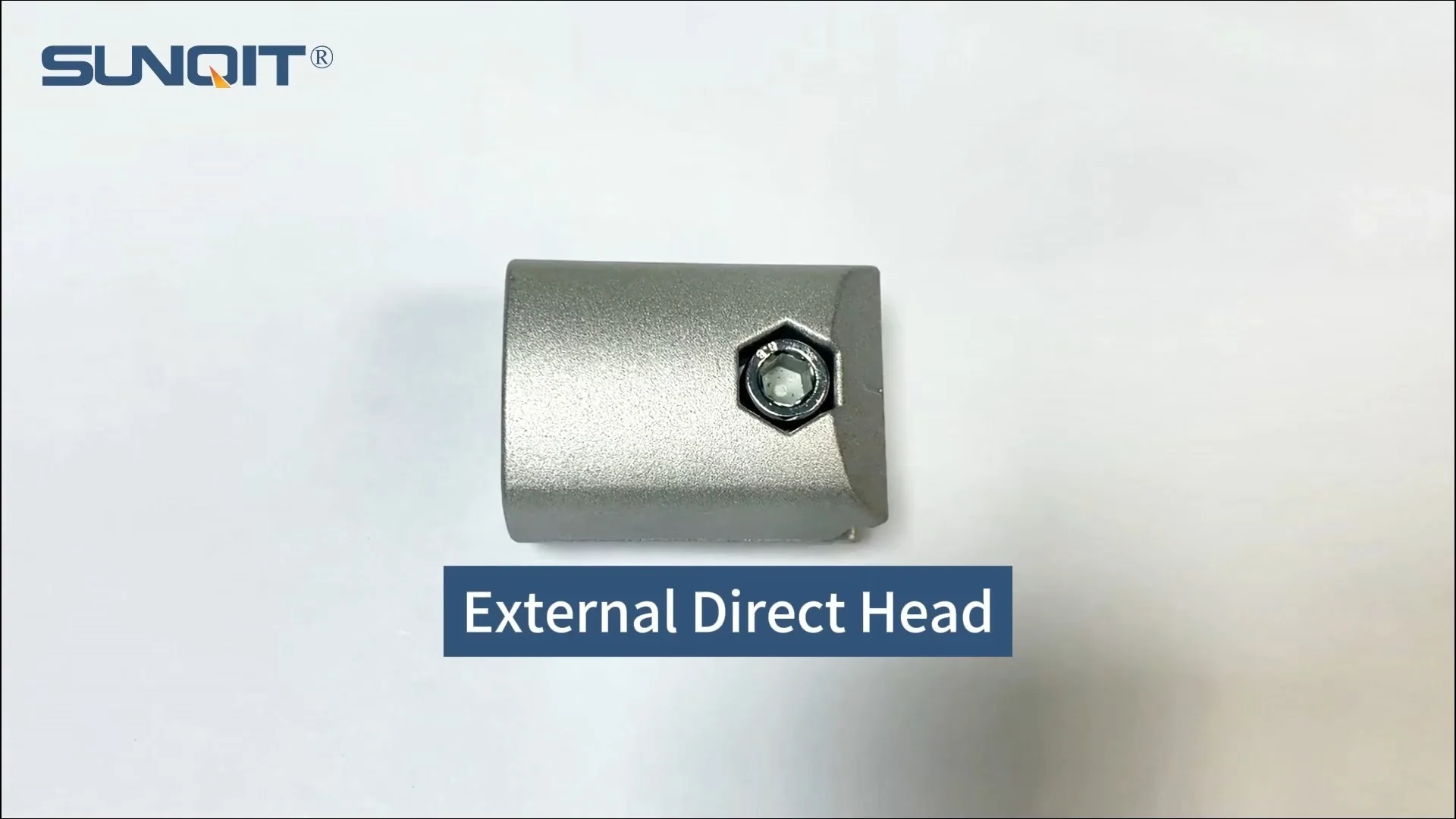
Walk into any high-performing warehouse, and you'll notice something immediately: the material racks aren't just metal and pipes—they're the silent organizers keeping operations running like clockwork. But for every smooth-running warehouse, there are dozens still grappling with wobbly racks, inefficient layouts, and joints that loosen after months of use. That's where the unsung heroes come in: external straight aluminum joints, paired with robust aluminum lean pipes, and the game-changing Material Rack B (3 row and 3 floor). These components don't just hold materials—they transform how teams store, access, and manage inventory, turning chaos into clarity, and delays into seamless workflows.
The Foundation: What Are External Straight Aluminum Joints?
At first glance, a joint might seem like a small, insignificant part of a material rack. But anyone who's dealt with a collapsed shelf or spent hours tightening loose connections knows better. External straight aluminum joints are the backbone of modern warehouse racking—precision-engineered components designed to connect aluminum lean pipes into sturdy, reliable structures. Unlike clunky steel joints or flimsy plastic alternatives, these aluminum joints are built for both strength and simplicity.
Crafted from high-grade aluminum alloy, external straight aluminum joints undergo a rigorous extrusion process that ensures uniform thickness and structural integrity. Their design is deceptively clever: a cylindrical body with internal threads that grip aluminum lean pipes tightly, paired with external flanges that distribute weight evenly across the connection point. This means no more "play" in the joints—no wobbling shelves, no unexpected shifts, just rock-solid stability even under heavy loads. And because they're external, installation and inspection are a breeze; you can see at a glance if a joint is secure, saving maintenance teams hours of guesswork.
But what really sets these joints apart is their versatility. Whether you're building a simple two-shelf rack or a complex multi-tier system like Material Rack B, external straight aluminum joints adapt to the task. They work seamlessly with standard aluminum lean pipes (often 28mm or 40mm in diameter) and pair well with a range of aluminum profile accessories, from end caps that protect pipe edges to cross-braces that add lateral stability. This flexibility means warehouses aren't stuck with a "one-and-done" rack—they can reconfigure, expand, or repurpose their systems as needs change, without investing in entirely new equipment.
Aluminum Lean Pipe: The Perfect Partner
A joint is only as good as the pipe it connects, and external straight aluminum joints shine brightest when paired with aluminum lean pipes. Aluminum lean pipes—sometimes called "lean tubes"—are lightweight, corrosion-resistant, and surprisingly strong, making them ideal for warehouse environments where durability and maneuverability matter. Unlike traditional steel pipes, which can rust and add unnecessary weight, aluminum lean pipes offer a strength-to-weight ratio that's hard to beat: they're 30% lighter than steel but just as capable of supporting heavy boxes, tools, or raw materials.
The secret to their performance lies in the material itself. Aluminum forms a natural oxide layer when exposed to air, creating a built-in barrier against moisture, chemicals, and wear. This makes aluminum lean pipes perfect for warehouses with humid conditions, frequent temperature changes, or exposure to cleaning agents—no more rust stains on inventory or weakened pipes over time. And because they're smooth and non-porous, they're easy to clean, which is a boon for industries like food processing or pharmaceuticals where hygiene is critical.
But it's the synergy between aluminum lean pipes and external straight aluminum joints that truly elevates warehouse efficiency. The pipes' consistent diameter ensures a snug fit in the joints, while the joints' internal threading locks them in place with minimal effort. No welding, no drilling, no special tools—just twist the joint onto the pipe, and you're good to go. This "click-and-go" assembly cuts down setup time dramatically; a team can build a full Material Rack B (3 row and 3 floor) in under an hour, compared to half a day with traditional steel racking that requires bolts and brackets.
And let's not overlook the aesthetic benefits. Aluminum lean pipes have a clean, modern look that transforms cluttered warehouses into organized, professional spaces. When paired with external straight aluminum joints (which often come in anodized finishes like silver or black), they create a cohesive, streamlined appearance that boosts morale—because let's face it, working in a neat, well-organized space feels better than navigating a maze of rusted steel and mismatched parts.

Material Rack B (3 Row and 3 Floor): A Case Study in Efficiency
Now that we've covered the components, let's zoom in on the star of the show: Material Rack B (3 row and 3 floor). This isn't just any rack—it's a thoughtfully designed system that leverages external straight aluminum joints and aluminum lean pipes to solve common warehouse pain points. With three rows and three floors, it maximizes vertical and horizontal space, turning unused air into valuable storage real estate. But what really makes Material Rack B stand out is how its structure is optimized for both storage density and accessibility.
Let's break down the specs. Material Rack B typically measures 1500mm in height, 1200mm in width, and 450mm in depth—dimensions that fit comfortably in most warehouse aisles while offering ample storage. The three rows mean items can be categorized by type, priority, or frequency of use: fast-moving goods on the middle floor (easy to reach), slower-moving items on the top and bottom. The three floors, each spaced 500mm apart, ensure there's no wasted space between shelves, and the use of aluminum lean pipes and external straight aluminum joints keeps the overall weight low enough to be moved with a hand trolley if needed.
Material Rack B (3 Row and 3 Floor) Specifications at a Glance
| Feature | Specification | Benefit |
|---|---|---|
| Configuration | 3 rows, 3 floors | Maximizes storage density without sacrificing accessibility |
| Load Capacity (per shelf) | 200-300kg | Supports heavy inventory, from tools to bulk materials |
| Frame Material | Aluminum lean pipe (40mm diameter) | Lightweight, corrosion-resistant, and easy to clean |
| Joint Type | External straight aluminum joints | Quick assembly, rock-solid stability, easy reconfiguration |
| Accessories | Aluminum profile accessories (cross-braces, end caps, shelf boards) | Enhances stability and customization options |
But numbers only tell part of the story. To understand Material Rack B's impact, consider a typical scenario: a small electronics manufacturer struggling with disorganized component storage. Before switching to Material Rack B, their parts were spread across four separate steel racks, each with different shelf heights and wobbly joints. Workers wasted 10-15 minutes per hour searching for resistors, capacitors, or wiring harnesses. After installing three Material Rack B units (each 3 row and 3 floor), they consolidated all components into labeled rows and floors: semiconductors on the top floor, passive components in the middle, and cables on the bottom. The result? Search time dropped by 75%, and picking errors decreased by nearly half—all because the rack's layout was intuitive, and the external straight aluminum joints ensured the shelves stayed stable, even when workers were pulling items multiple times a day.
Another advantage of Material Rack B is its scalability. Need to add a fourth floor? Just add more aluminum lean pipes and external straight aluminum joints. Want to widen the shelves to accommodate larger boxes? Swap out the cross-braces for longer pipes. Unlike fixed steel racks, which require cutting or welding to modify, Material Rack B grows with your business. This adaptability is crucial in today's fast-paced warehouse environments, where product lines change, order volumes fluctuate, and space constraints shift constantly.

Aluminum Profile Accessories: The Finishing Touches
Even the best joints and pipes need a little help to create a truly functional rack, and that's where aluminum profile accessories come in. These small but mighty components turn a basic frame into a fully optimized storage system, addressing everything from shelf stability to item security. For Material Rack B, the right accessories can mean the difference between a "good" rack and a "great" one.
Take end caps, for example. Simple plastic or rubber caps that fit over the ends of aluminum lean pipes, they prevent sharp edges from snagging gloves, clothing, or inventory. In a warehouse where workers are constantly reaching for items, this small detail reduces the risk of cuts and tears—saving on first aid kits and replacement gloves. Then there are cross-braces: diagonal aluminum pipes that connect the corners of the rack, adding lateral stability. When paired with external straight aluminum joints, cross-braces turn a rectangular frame into a triangle (the strongest geometric shape), making the rack resistant to side-to-side movement, even in busy aisles where forklifts or pallet jacks might bump into it.
Shelf boards are another key accessory. While Material Rack B's frame is built with aluminum lean pipes, the shelves themselves often use aluminum honeycomb panels or plywood (depending on load requirements). These boards rest on support brackets that attach to the external straight aluminum joints, creating a flat, even surface for storage. For warehouses storing small parts, adding dividers (another aluminum profile accessory) turns a single shelf into multiple compartments, preventing items from mixing and making inventory counts faster. And for fragile or high-value items, there are even accessory kits with plastic bins or wire baskets that hang from the rack, keeping items secure but accessible.
Perhaps the most underrated accessory, though, is the humble caster wheel. While Material Rack B is often stationary, adding lockable casters (connected via external straight aluminum joints, of course) turns it into a mobile unit. This is a game-changer for warehouses that need to move materials between workstations—think assembly lines where components need to be within arm's reach of workers, or shipping departments that need to transport orders to packing stations. The casters' aluminum brackets integrate seamlessly with the rack's frame, ensuring the unit remains stable even when rolling over uneven concrete floors.

Why Aluminum? The Case Against Steel and Plastic
By now, you might be wondering: why not stick with steel joints and pipes? Or maybe plastic, which is cheaper? The answer lies in trade-offs—steel is strong but heavy and prone to rust; plastic is lightweight but lacks durability; aluminum, however, strikes the perfect balance.
Steel has long been the default for industrial racking, and for good reason: it's strong. But strength comes with a cost. Steel pipes and joints are heavy—so heavy that installing a single rack often requires two people and a dolly. This adds labor costs and slows down setup. Worse, steel rusts. Even with powder coating, exposure to moisture, humidity, or chemicals will eventually eat through the finish, leading to corrosion. A rusted joint isn't just unsightly; it's a safety hazard, as corrosion weakens the metal over time, increasing the risk of shelf collapse. And when it's time to reconfigure or replace a steel rack, you're left with bulky, hard-to-dispose-of scrap metal.
Plastic joints and pipes, on the other hand, are lightweight and affordable—but they're no match for the demands of a busy warehouse. Plastic has low tensile strength, meaning it stretches or warps under heavy loads. A plastic joint might hold 50kg today, but after six months of daily use, it could loosen, leading to sagging shelves. Plastic also degrades under UV light, so racks near windows or skylights can become brittle over time. And while plastic is cheap upfront, the need to replace warped joints or cracked pipes every year adds up, making it more expensive in the long run than aluminum.
Aluminum avoids these pitfalls. Its natural corrosion resistance means it lasts decades without rusting, even in damp environments. It's lightweight enough for one person to handle, cutting installation time and labor costs. And while aluminum is slightly more expensive than plastic upfront, its durability means it rarely needs replacement—saving money over the system's lifetime. Plus, aluminum is 100% recyclable, making it a sustainable choice for warehouses looking to reduce their environmental footprint. When a rack finally reaches the end of its life (which could be 15-20 years later), the aluminum can be melted down and repurposed, unlike plastic, which often ends up in landfills.
For external straight aluminum joints specifically, the material's malleability is a hidden advantage. Aluminum can be precision-machined into complex shapes without losing strength, allowing for the tight tolerances needed to create a secure pipe connection. Steel, while strong, is harder to machine to such precise specifications, leading to joints that are either too loose (causing wobble) or too tight (making installation a struggle). Plastic, being softer, can't hold threads as well as aluminum, so even if a plastic joint starts tight, it will loosen over time as the threads wear down.
Installation and Maintenance: Keeping It Simple
One of the biggest myths about industrial racking is that it requires specialized skills to install or maintain. But with external straight aluminum joints, aluminum lean pipes, and Material Rack B, that couldn't be further from the truth. Installation is designed for the average warehouse worker, not a professional contractor—and maintenance is so minimal, you'll barely notice it's there.
Let's start with installation. The process is straightforward: lay out the aluminum lean pipes, external straight aluminum joints, and aluminum profile accessories (cross-braces, end caps, etc.) on a flat surface. Begin by assembling the vertical posts: attach a base joint to the bottom of each pipe, then connect horizontal pipes to form the first shelf frame using external straight aluminum joints. Tighten the joints by hand first—this ensures everything lines up correctly. Once the frame is square, go back and snug the joints with a hex key (most joints use a standard 5mm or 6mm key). Add cross-braces diagonally between the vertical posts to prevent wobbling, then attach the shelf boards. Finally, give the rack a gentle shake to test stability—if it moves, double-check the joints. Total time for one Material Rack B (3 row and 3 floor): about 45 minutes for a first-timer, 30 minutes for someone with experience.
Maintenance is even easier. Aluminum's oxide layer does most of the work, protecting against rust and corrosion. A quick wipe with a damp cloth every few months removes dust and debris—no harsh chemicals needed. If a joint does loosen (a rare occurrence, but possible in high-vibration areas like near machinery), a 30-second twist with a hex key tightens it right up. Unlike steel, which can seize up if not lubricated, aluminum joints don't require oiling or greasing. And if you ever need to reconfigure the rack—say, to add a shelf or widen the frame—disassembly is as simple as loosening the joints, adjusting the pipes, and retightening. No cutting, no welding, no mess.
For warehouses with strict safety protocols, external straight aluminum joints offer an added benefit: they're inherently safe. No sharp edges (thanks to rounded flanges), no protruding bolts to catch on clothing, and no risk of rust flakes falling onto inventory. Even the aluminum lean pipes, with their smooth finish, reduce the chance of splinters or cuts—important in environments where workers are handling racks daily.
Conclusion: Investing in Your Warehouse's Future
Warehouses are the lifeblood of supply chains, and their efficiency directly impacts a company's bottom line. Wobbly racks, disorganized storage, and constant maintenance aren't just annoyances—they're productivity killers. External straight aluminum joints, paired with aluminum lean pipes and Material Rack B (3 row and 3 floor), offer a solution that's both immediate and long-lasting: a storage system that's strong, flexible, and easy to use.
Think of it this way: every minute a worker spends searching for an item, every dollar spent on replacing rusted steel racks, every hour wasted on maintenance is a cost that could be reinvested in growing your business. Material Rack B, with its external straight aluminum joints and aluminum lean pipes, eliminates those costs. It turns chaotic storage into organized efficiency, reduces labor time, and adapts as your needs change. It's not just a rack—it's an investment in your team's productivity, your customers' satisfaction, and your company's success.
So if you're still using outdated steel racks with loose joints, or making do with mismatched storage solutions, it's time to make the switch. External straight aluminum joints, aluminum lean pipes, and Material Rack B aren't just "better" than the alternatives—they're a smarter way to work. Your warehouse deserves a system that keeps up with you, not one that holds you back. After all, in the world of logistics, efficiency isn't just a goal—it's the difference between thriving and falling behind.