- Company Articles
- Products and Technology
- Product knowledge
- External Straight Aluminum Joints in Flexible Production Lines: Integration Tips

External Straight Aluminum Joints in Flexible Production Lines: Integration Tips
Related Product
External Straight Aluminum Joint
Aluminum pipe joint outside connection used for two pcs 28pcs aluminum pipe connection in straight angle,it connects two pcs pipe from outside.
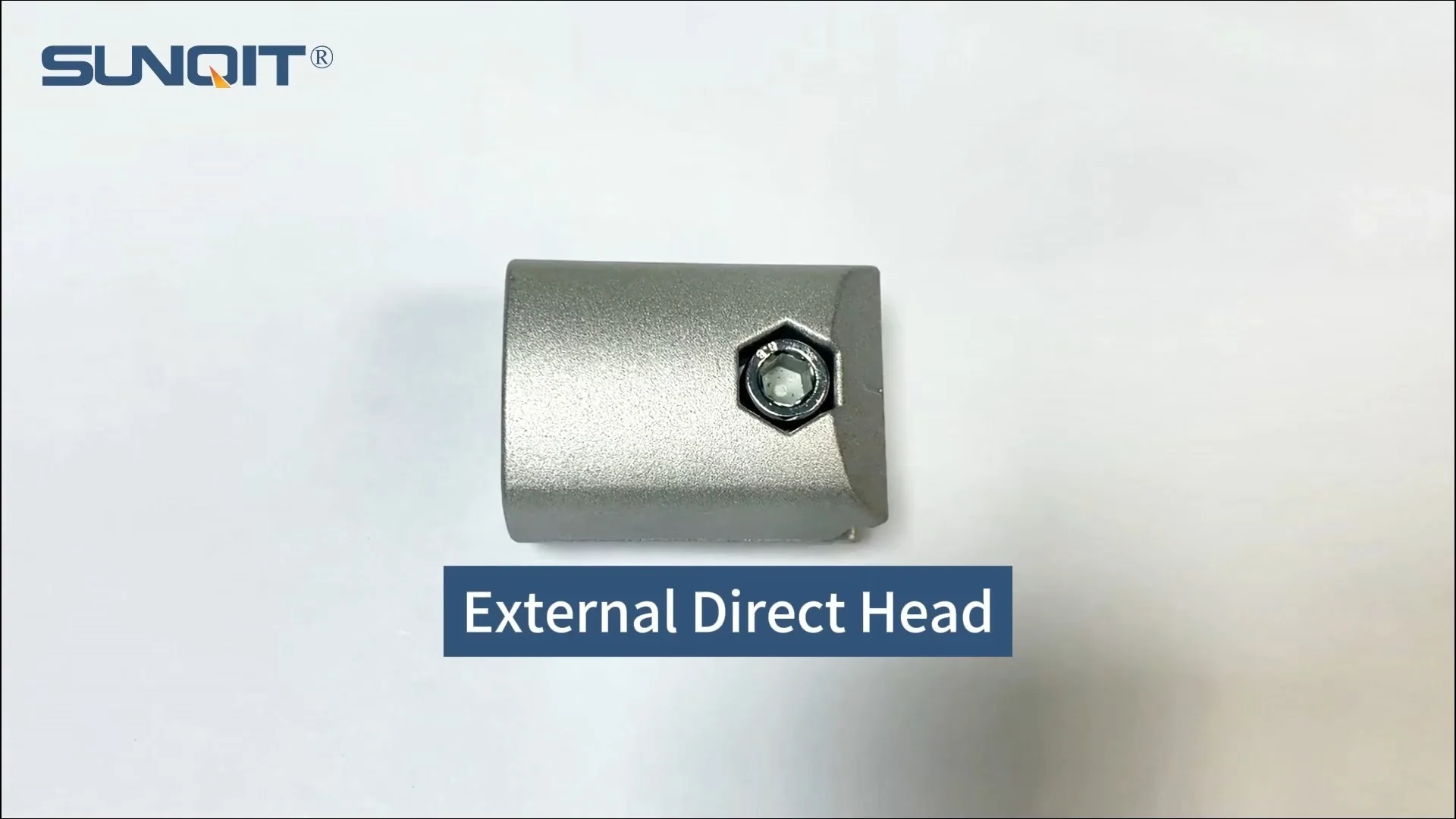
Flexible production lines have become the backbone of modern manufacturing, allowing businesses to adapt quickly to changing market demands and optimize their workflows. At the heart of these systems are components that enable modularity and reconfigurability—one such critical component is the external straight aluminum joint, which connects lean tubes and aluminum pipes forming sturdy structures that support everything from workbenches to conveyors. In this article, we'll dive deep into how to integrate external straight aluminum joints effectively into your flexible production lines, ensuring efficiency, durability, and long-term value.
What Are External Straight Aluminum Joints?
Before we get into integration tips, let's take a moment to understand what external straight aluminum joints are and why they're essential. These joints are designed to connect two or more aluminum pipes in a straight line, providing a secure and stable link. Made from high-quality aluminum, they're lightweight yet robust, resistant to corrosion, and perfect for use in lean pipe systems where flexibility and reusability are key.
Unlike some other joint types, external straight aluminum joints attach to the outside of the pipes, making them easy to install and adjust without needing specialized tools. This external design also means they don't interfere with the internal structure of the pipes, preserving the integrity of the system. Whether you're building a lean pipe workbench, a flow rack, or a conveyor, these joints are a fundamental part of the assembly process.
Key Features of External Straight Aluminum Joints
- Durability: Aluminum's natural resistance to rust and wear ensures these joints last long even in harsh manufacturing environments.
- Flexibility: Easy to disassemble and reassemble, allowing for quick modifications to your production line as needs change.
- Compatibility: Works seamlessly with various aluminum pipe sizes and types, including basic aluminum tubes and t-slot aluminum pipes.
- Cost-Effective: Reusable design reduces the need for frequent replacements, cutting down on long-term costs.
Top Integration Tips for External Straight Aluminum Joints
Integrating external straight aluminum joints into your flexible production lines requires careful planning and execution. Here are our top tips to ensure a smooth and effective integration:
1. Accurate Measurement and Planning First
Before you start assembling, take the time to measure and plan your structure in detail. This includes determining the exact length of aluminum pipes needed, the number of joints required, and the layout of your production line. A well-thought-out plan prevents mistakes like using the wrong pipe length or placing joints in the wrong positions, which can lead to unstable structures or inefficient workflows.
For example, if you're building a lean pipe workbench, measure the desired height, width, and depth of the bench. Mark where each joint will go to ensure the pipes align correctly. This step saves time and resources later, as you won't have to disassemble and rework parts of the structure.
2. Check Compatibility with Aluminum Pipes
Not all aluminum pipes are the same, so it's crucial to ensure your external straight aluminum joints are compatible with the pipes you're using. Check the diameter of the pipes and the joint's specifications to confirm they fit together snugly. A loose fit can lead to wobbly structures, while a tight fit might make installation difficult.
Most external straight aluminum joints are designed to work with standard aluminum pipe sizes, but it's always best to double-check. If you're using custom-sized pipes, consider opting for custom solutions from your supplier to ensure perfect compatibility. This attention to detail ensures your production line is stable and reliable.
3. Proper Installation Technique
Installing external straight aluminum joints correctly is key to their performance. Start by cleaning the ends of the aluminum pipes to remove any dirt or debris that might interfere with the joint's grip. Then, slide the joint onto one pipe until it's in the desired position. Next, insert the second pipe into the other end of the joint, making sure both pipes are aligned straight.
Some joints may require tightening with a wrench or screwdriver to secure them in place. Follow the manufacturer's instructions for torque settings to avoid over-tightening, which can damage the joint or the pipe. A properly installed joint should hold the pipes firmly without any play, ensuring the structure is stable under load.
4. Consider Load Capacity and Safety
Every production line has specific load requirements, so it's important to choose external straight aluminum joints that can handle the weight of your equipment and materials. Check the load capacity rating of each joint and ensure it meets or exceeds the expected load. Overloading joints can lead to structural failure, which is a safety hazard and can disrupt production.
For example, if you're building a material rack to hold heavy components, use joints with a higher load capacity. Additionally, distribute the load evenly across the structure to prevent stress on any single joint. This not only ensures safety but also extends the lifespan of your flexible production equipment.
5. Plan for Future Adjustments
One of the biggest advantages of flexible production lines is their ability to adapt to changes. When integrating external straight aluminum joints, design your structure with future modifications in mind. Leave room for adding more pipes or joints later, and use components that are easy to disassemble.
For instance, if you think you might need to expand your conveyor system next year, use joints that can be easily removed and repositioned. This forward-thinking approach saves time and money when you need to scale up or reconfigure your production line. Remember, the lean emphasizes "sustainable improvement," so your structure should be able to evolve with your business.
6. Regular Maintenance and Inspection
Even the most durable components need regular maintenance to perform at their best. Schedule periodic inspections of your external straight aluminum joints to check for signs of wear, loose connections, or damage. Tighten any loose joints and replace worn-out parts promptly to prevent issues from escalating.
Cleaning the joints regularly also helps maintain their performance. Use a mild detergent and a soft cloth to remove dirt and grime, especially in areas where dust or debris accumulates. Proper maintenance ensures your flexible production line remains efficient and reliable for years to come.

Real-World Applications of External Straight Aluminum Joints
External straight aluminum joints are versatile and find use in various industries and applications. Let's look at some examples:
1. 3C Assembly Lines
In the 3C (computers, communications, consumer electronics) industry, production lines need to be highly flexible to accommodate frequent product changes. External straight aluminum joints are used to build lean pipe workbenches and flexible workstations where technicians assemble devices like smartphones and laptops. These joints allow for quick adjustments to the workbench height or layout, ensuring workers can operate efficiently.
2. Medical Equipment Manufacturing
Medical device manufacturing requires precision and cleanliness. External straight aluminum joints are ideal here because they're easy to clean and resistant to corrosion. They're used to build flow racks for storing sensitive components and conveyors that transport parts between stations. The flexibility of these joints allows manufacturers to adapt their lines to produce different medical devices as needed.
3. Warehouse Logistics
Warehouses rely on efficient storage and material handling systems. External straight aluminum joints are used to build flow racks and material racks that organize inventory. These racks can be easily reconfigured to accommodate different product sizes, making them perfect for dynamic warehouse environments. The durability of aluminum ensures the racks can handle heavy loads without bending or breaking.
4. Automotive Production
Automotive manufacturing lines are complex and require sturdy structures. External straight aluminum joints are used to build conveyors that move car parts along the assembly line. Their ability to withstand heavy loads and frequent use makes them a reliable choice for this industry. Additionally, the flexibility of these joints allows for quick modifications to the conveyor system when new car models are introduced.
Case Study: Custom Solution for a 3C Manufacturer
A leading 3C manufacturer needed a flexible production line to assemble their latest smartphone model. They opted for a custom solution using external straight aluminum joints, lean pipe workbenches, aluminum pipe accessories, and conveyors. The joints allowed them to quickly adjust the workbench heights to match the ergonomic needs of their workers, and the conveyors were easily modified to handle different component sizes. This flexibility reduced assembly time by 20% and improved overall productivity.

Benefits of Using External Straight Aluminum Joints
Incorporating external straight aluminum joints into your flexible production lines offers numerous benefits:
| Benefit | Description |
|---|---|
| Enhanced Flexibility | Easy to disassemble and reconfigure, allowing for quick changes to production lines. |
| Cost Savings | Reusable design reduces replacement costs and minimizes waste. |
| Durability | Aluminum's resistance to corrosion and wear ensures long-lasting performance. |
| Improved Efficiency | Stable structures and easy adjustments lead to smoother workflows and higher productivity. |
| Sustainability | Aligns with lean principles of reusability and continuous improvement, reducing environmental impact. |

Common Mistakes to Avoid
To get the most out of your external straight aluminum joints, avoid these common mistakes:
- Ignoring Compatibility: Using joints that don't fit your aluminum pipes can lead to unstable structures.
- Overloading Joints: Exceeding the load capacity rating can cause structural failure.
- Skipping Measurement: Not measuring properly before assembly leads to wasted materials and time.
- Neglecting Maintenance: Failing to inspect and maintain joints reduces their lifespan and performance.
- Not Planning for Adjustments: Building rigid structures that can't be modified limits future flexibility.
Conclusion
External straight aluminum joints are a vital component of flexible production lines, enabling businesses to build modular, adaptable structures that meet their evolving needs. By following the integration tips outlined in this article—accurate planning, compatibility checks, proper installation, load capacity consideration, future-proofing, and regular maintenance—you can ensure your production line is efficient, durable, and safe.
Whether you're in the 3C industry, medical manufacturing, or warehouse logistics, these joints offer the flexibility and reliability you need to stay competitive. Remember, the key to success with flexible production equipment is to embrace the lean of continuous improvement, and external straight aluminum joints are a perfect tool to help you achieve that.
Investing in high-quality external straight aluminum joints and integrating them properly will not only improve your current production processes but also set you up for future growth. So, take the time to plan your integration carefully, and you'll reap the benefits for years to come.