- Company Articles
- Products and Technology
- Product knowledge
- External Straight Aluminum Joints in Medical Cleanrooms: Compliance & Hygiene

External Straight Aluminum Joints in Medical Cleanrooms: Compliance & Hygiene
Related Product
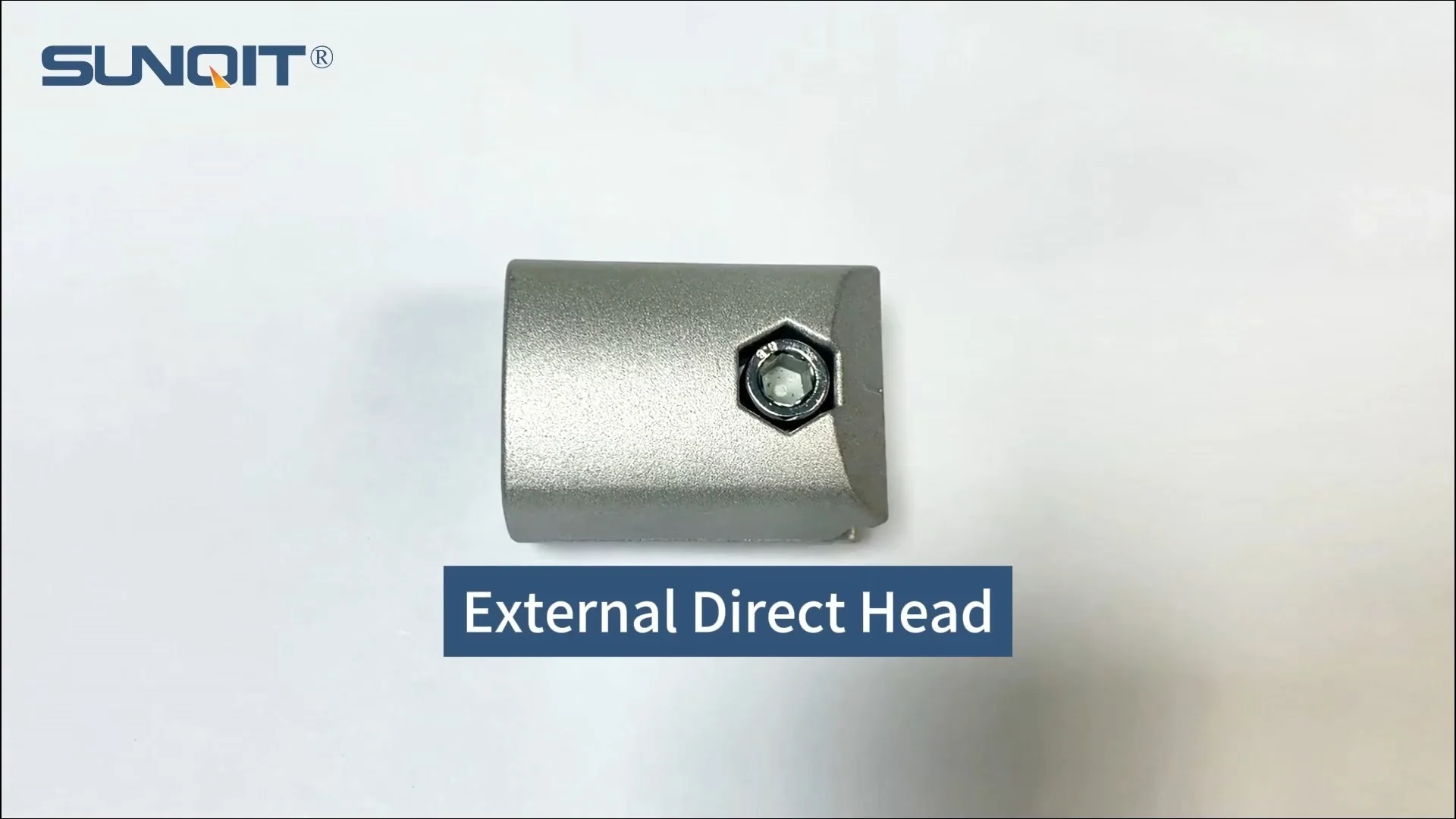
External Straight Aluminum Joint
Aluminum pipe joint outside connection used for two pcs 28pcs aluminum pipe connection in straight angle,it connects two pcs pipe from outside.
In the world of medical manufacturing and healthcare facilities, the phrase "cleanroom" carries a weight far beyond its simple definition. It's not just about tidiness—it's a controlled environment where even a single airborne particle or a tiny crevice in equipment can compromise patient safety, invalidate drug trials, or derail surgical outcomes. From pharmaceutical labs crafting life-saving medications to operating rooms where precision is a matter of life and death, cleanrooms are the backbone of modern healthcare. But what keeps these spaces truly "clean"? Beyond HEPA filters and air circulation systems, the unsung heroes often lie in the infrastructure itself: the components that build workbenches, storage racks, and workstations. Among these, external straight aluminum joints stand out as critical players, quietly ensuring compliance with strict regulations and maintaining the rigorous hygiene standards that define medical cleanrooms.
Understanding Medical Cleanrooms: Where Precision Meets Perfection
Before diving into the role of external straight aluminum joints, it's essential to grasp what makes medical cleanrooms unique. Unlike standard industrial or office spaces, these environments are classified by the International Organization for Standardization (ISO) under ISO 14644, which ranks cleanrooms from ISO Class 1 (the cleanest, with fewer than 10 particles of 0.1μm per cubic meter) to ISO Class 9 (the least strict). For context, a typical urban office might fall around ISO Class 8 or 9, while a sterile surgical suite often requires ISO Class 5 or higher. These classifications dictate everything from air change rates (how often the air is filtered and recirculated) to surface cleanliness, and even the materials used in construction.
One of the most critical requirements for medical cleanrooms is surface integrity . Surfaces must be non-porous, easy to disinfect, and free of cracks, crevices, or sharp edges where dust, bacteria, or contaminants can hide. This is where equipment like workbenches and workstations—often assembled using modular components—comes into play. For example, an ESD workstation (Electrostatic Discharge workstation) used in handling sensitive medical devices or electronic components must not only prevent static buildup but also be designed to resist microbial growth and withstand frequent cleaning with harsh disinfectants. Similarly, a lean pipe workbench, a staple in many cleanrooms for its flexibility, relies on sturdy, easy-to-clean joints to maintain its role in a contamination-free workflow.
Regulatory bodies like the FDA (U.S. Food and Drug Administration) and the European Medicines Agency (EMA) further tighten the screws with guidelines that demand traceability, material safety, and validation of all equipment. In short, every component in a medical cleanroom—from the floor tiles to the smallest joint—must prove it belongs there. This is where external straight aluminum joints earn their keep.
The Role of External Straight Aluminum Joints: More Than Just a Connector
At first glance, a joint might seem like a humble component—a simple piece that holds two parts together. But in a medical cleanroom, joints are so much more. External straight aluminum joints, in particular, are engineered to address the dual challenges of compliance and hygiene. Let's break down why aluminum, and this specific design, has become the gold standard.
Aluminum itself is a material tailor-made for cleanroom environments. Unlike steel, which is prone to rust and corrosion when exposed to frequent cleaning agents, aluminum forms a natural oxide layer that resists corrosion. This makes it ideal for daily wipe-downs with disinfectants like isopropyl alcohol, hydrogen peroxide, or quaternary ammonium compounds—chemicals that would eat away at lesser materials. Additionally, aluminum is lightweight yet surprisingly strong, allowing for the construction of sturdy workbenches and racks without adding unnecessary bulk, which can impede airflow or complicate cleaning routines.
The "external straight" design is equally intentional. Traditional joints—whether welded steel, plastic, or even some aluminum variants—often feature recesses, threads, or overlapping parts that create tiny crevices. In a cleanroom, these crevices are disaster zones: they trap dust, harbor bacteria, and are nearly impossible to sanitize. External straight aluminum joints, by contrast, have smooth, flat surfaces with minimal gaps. The "straight" profile ensures that when two aluminum extrusion profiles are connected, the joint lies flush with the surface, eliminating hidden spaces where contaminants can accumulate. Think of it as the difference between a bookshelf with visible screws and rough edges versus one with seamless, rounded corners—only in this case, the stakes are far higher than aesthetics.
Take, for example, a pharmaceutical packaging line. The workbench where technicians load vials onto a conveyor must be assembled with joints that can withstand hourly wipe-downs with industrial-grade cleaners. A traditional joint with a threaded connection might, over time, develop tiny cracks around the threads, allowing bacteria to multiply. An external straight aluminum joint, however, presents a smooth, continuous surface that can be disinfected in seconds, reducing the risk of cross-contamination between batches of medication.

Compliance: Meeting the Bar of Global Regulations
In medical cleanrooms, compliance isn't optional—it's a legal and ethical imperative. Regulatory frameworks like ISO 13485 (for medical device manufacturing) and FDA 21 CFR Part 211 (for pharmaceutical production) set strict standards for equipment design, material safety, and traceability. External straight aluminum joints are uniquely positioned to meet these demands, thanks to their material properties and engineering.
First, material certification is non-negotiable. Reputable manufacturers of external straight aluminum joints use high-grade aluminum alloys, such as 6061-T6 or 6063-T5, which are widely recognized for their strength, corrosion resistance, and biocompatibility. These alloys are free from heavy metals or toxic additives, ensuring they don't leach harmful substances into the environment—a critical factor when working with pharmaceuticals or sterile medical devices. Most suppliers provide detailed material safety data sheets (MSDS) and certificates of compliance, allowing cleanroom operators to trace the origin of every joint back to its production batch, a requirement for FDA audits.
Second, the design of external straight aluminum joints aligns with ISO 14644's surface finish requirements. The ISO standard specifies that surfaces in cleanrooms must have a low particle shedding rate and be resistant to chemical attack from cleaning agents. Aluminum's anodized surface treatment—often applied to external straight joints—enhances these properties. Anodization creates a hard, non-porous layer that not only improves corrosion resistance but also reduces particle shedding, ensuring that the joint itself doesn't contribute to airborne contamination. Compare this to painted steel joints, where chips in the paint can release flakes into the air, violating ISO Class standards.
Perhaps most importantly, external straight aluminum joints support modularity, a key aspect of modern cleanroom design. As regulatory requirements evolve or production needs change, cleanrooms often need to reconfigure workstations or add new equipment. Traditional welded joints are permanent, making modifications time-consuming and costly. External straight aluminum joints, however, connect to aluminum extrusion profiles using simple, tool-free mechanisms (like friction fit or quick-release levers), allowing technicians to disassemble and reassemble structures in hours rather than days. This flexibility not only reduces downtime but also ensures that any changes to the infrastructure can be validated quickly for compliance—a boon for facilities undergoing FDA inspections or ISO recertification.

Hygiene: The Battle Against Invisible Threats
While compliance is about checking boxes on a regulatory list, hygiene is about the day-to-day reality of keeping cleanrooms safe. Here, external straight aluminum joints shine by addressing the most insidious threats: microbial growth, cross-contamination, and the difficulty of consistent cleaning.
Microbial growth is a constant concern in medical environments. Bacteria like Staphylococcus aureus or fungi like Aspergillus can thrive in moist, hard-to-reach areas, leading to infections or product recalls. External straight aluminum joints combat this by eliminating "microbial hotspots." Their smooth, crevice-free design means there's nowhere for water, dust, or organic matter to collect during cleaning. In contrast, a joint with a welded seam might trap moisture, creating a breeding ground for bacteria even after a thorough wipe-down. Studies have shown that smooth aluminum surfaces reduce microbial adhesion by up to 60% compared to textured or threaded materials, making them a first line of defense in hygiene protocols.
Cleaning efficiency is another area where external straight aluminum joints excel. In busy cleanrooms, technicians don't have time to scrub every nook and cranny of equipment. The flat, uniform surface of these joints allows for quick, effective cleaning with minimal effort. A single pass with a disinfectant-soaked wipe is often enough to remove contaminants, whereas a joint with recesses might require specialized brushes or extended soaking—both of which increase the risk of human error and prolong downtime. For example, in a vaccine production facility operating 24/7, reducing cleaning time by even 10 minutes per workstation per shift can translate to significant gains in productivity, all while maintaining compliance.
ESD protection is yet another compliance factor where external straight aluminum joints play a role. Many medical cleanrooms handle electrostatic-sensitive devices (ESDs), such as pacemaker components or microchips used in diagnostic equipment. Static electricity can damage these devices or even ignite flammable solvents used in some pharmaceutical processes. Aluminum is naturally conductive, and when used in ESD workstations, external straight joints help ground the entire structure, dissipating static charges safely. Unlike plastic joints, which are insulators and can trap static, aluminum joints ensure a continuous path to ground, meeting ANSI/ESD S20.20 standards for electrostatic control.

Integration with Aluminum Extrusion Profiles and Accessories
External straight aluminum joints don't work in isolation—they're part of a larger ecosystem of modular components that make cleanroom infrastructure both flexible and compliant. At the heart of this ecosystem are aluminum extrusion profiles, the "building blocks" of cleanroom structures. These profiles, with their T-slot design, allow for easy attachment of accessories like shelves, lighting, and tool holders, all while maintaining the clean, crevice-free aesthetic critical for hygiene.
Aluminum extrusion profiles are available in various sizes and configurations, from small 20x20mm profiles for lightweight workstations to larger 40x80mm profiles for heavy-duty material racks. What makes them ideal for cleanrooms is their precision-manufactured surfaces—smooth, anodized, and free of burrs or defects. When paired with external straight aluminum joints, they create structures that are not only strong but also easy to reconfigure. For instance, a lean pipe workbench used in a medical device assembly line can be quickly modified by adding or removing profiles using these joints, adapting to changes in production volume or product design without compromising compliance.
Aluminum profile accessories further enhance the functionality of these systems. End caps, for example, snap onto the ends of extrusion profiles, covering exposed edges and preventing dust from collecting inside the T-slots. Brackets and connectors allow for the attachment of accessories like monitor arms or tool hooks, all while maintaining the smooth, cleanable surfaces required in cleanrooms. Even seemingly minor accessories, like gaskets or rubber strips, play a role—they create tight seals between joints and profiles, eliminating gaps where contaminants might enter.
Consider a material storage rack in a hospital pharmacy. Built using aluminum extrusion profiles and external straight joints, the rack can be customized with adjustable shelves to hold different-sized medication vials. Aluminum profile accessories like dividers and label holders keep supplies organized, while the smooth surfaces ensure that spills can be cleaned up quickly, reducing the risk of medication contamination. When the pharmacy expands its inventory, the rack can be extended by adding more profiles and joints—no welding, no repainting, and no downtime for compliance revalidation.
| Feature | Traditional Steel Joints | External Straight Aluminum Joints |
|---|---|---|
| Compliance with ISO 13485 | Often non-compliant due to rust and porous surfaces; requires frequent re-coating. | Compliant by design: anodized surfaces, material traceability, and crevice-free construction. |
| Hygiene (Ease of Cleaning) | Poor: Weld seams and threads trap contaminants; requires specialized tools for disinfection. | Excellent: Smooth, flat surfaces allow quick wipe-downs with standard disinfectants. |
| Durability (Corrosion Resistance) | Low: Prone to rust when exposed to cleaning chemicals; lifespan of 2-3 years in cleanrooms. | High: Natural oxide layer resists corrosion; lifespan of 10+ years with minimal maintenance. |
| ESD Compatibility | Poor: Insulative if painted; requires additional grounding components. | Excellent: Conductive aluminum provides continuous grounding for ESD workstations. |
| Cost (Initial vs. Lifecycle) | Lower initial cost; higher long-term costs due to frequent replacement and maintenance. | Higher initial cost; lower lifecycle costs due to durability and reduced downtime. |
Case Study: Upgrading to External Straight Aluminum Joints in a Vaccine Manufacturing Facility
To understand the real-world impact of external straight aluminum joints, consider the experience of a mid-sized vaccine manufacturer in the Midwest U.S. Prior to 2022, the facility relied on steel-framed workbenches and storage racks assembled with traditional welded joints. While these structures were sturdy, they had become a recurring headache during FDA inspections. Auditors repeatedly flagged rust spots on the steel joints, noting that the pitted surfaces could harbor bacteria. Additionally, cleaning the welded seams required specialized brushes and extended downtime, cutting into production hours.
The turning point came during a routine inspection in early 2022, when the FDA cited the facility for "inadequate surface maintenance" in its packaging area—a violation that threatened to delay the release of a new flu vaccine. Faced with potential fines and lost revenue, the facility's engineering team began researching alternatives. After evaluating options like plastic joints (too fragile for heavy loads) and coated steel (still prone to chipping), they settled on aluminum extrusion profiles paired with external straight aluminum joints.
The results were transformative. Within six months of installation, the facility saw a 40% reduction in cleaning time per workstation, as technicians could now disinfect surfaces with a single wipe-down. The anodized aluminum joints showed no signs of corrosion, even after daily exposure to hydrogen peroxide-based cleaners. Most importantly, during the next FDA inspection, the packaging area received zero citations for surface contamination. The facility's quality control manager noted, "We used to dread the 'joint check' during audits—now, we barely give it a second thought. The aluminum joints just work, day in and day out."
Beyond compliance, the switch also improved workflow flexibility. The modular nature of the aluminum extrusion profiles and joints allowed the facility to quickly reconfigure workstations when production shifted to a new vaccine variant, reducing downtime from days to hours. An unexpected bonus? The conductive aluminum joints helped ground the ESD workstations in the electronics assembly area, reducing static-related damage to sensitive components by 75%.
Challenges and Solutions: Overcoming the Myths of Aluminum Joints
Despite their benefits, external straight aluminum joints are not without misconceptions. One common concern is cost: aluminum is often pricier upfront than steel, leading some facilities to opt for cheaper materials to save money. However, this "penny-wise, pound-foolish" approach ignores the long-term costs of steel: frequent replacements, downtime for maintenance, and potential regulatory fines. A 2023 study by the Cleanroom Technology Association found that facilities using aluminum joints saved an average of 35% over five years compared to those using steel, thanks to reduced maintenance and longer lifespans.
Another myth is that aluminum is "too soft" for heavy-duty applications. While it's true that pure aluminum is relatively malleable, the alloys used in medical cleanrooms (like 6061-T6) are heat-treated to increase hardness, making them comparable to mild steel in strength. In fact, aluminum's lightweight nature reduces stress on supporting structures, making it ideal for overhead racks or mobile workstations—applications where steel would add unnecessary weight and risk structural strain.
Installation expertise is a final consideration. While external straight aluminum joints are designed for tool-free assembly, improper installation can still create gaps or misalignments that compromise hygiene. To address this, reputable suppliers offer training programs for technicians, teaching them to properly align profiles, tighten joints, and inspect for defects. Some even provide pre-assembled "kits" for common structures like lean pipe workbenches, reducing the risk of human error during setup.
Future Trends: Where External Straight Aluminum Joints Are Headed
As medical cleanrooms evolve, so too do the demands on their infrastructure. Two trends are shaping the future of external straight aluminum joints: the rise of "smart cleanrooms" and a growing focus on sustainability.
Smart cleanrooms, equipped with sensors and IoT technology, are becoming increasingly common. These systems monitor everything from air particle counts to surface contamination in real time. External straight aluminum joints are poised to play a role here, with manufacturers exploring embedded sensors that can detect cracks, corrosion, or microbial growth in joints—alerting maintenance teams before issues escalate. Imagine a joint that sends a notification to a technician's tablet when it's time for a deep clean, or flags a loose connection before it compromises structural integrity. This proactive approach could further reduce compliance risks and downtime.
Sustainability is another key driver. Healthcare facilities are under increasing pressure to reduce their carbon footprints, and aluminum aligns with this goal perfectly. It's 100% recyclable, with recycled aluminum requiring just 5% of the energy needed to produce new aluminum. Some suppliers now offer "green" aluminum extrusion profiles made from recycled materials, with joints that use minimal packaging and are designed for disassembly at the end of their lifecycle—ensuring they can be recycled again. For facilities aiming for LEED certification, this commitment to sustainability can earn valuable points while supporting global environmental goals.
Conclusion: The Quiet Guardians of Cleanroom Compliance
In the high-stakes world of medical cleanrooms, compliance and hygiene are not goals—they're imperatives. Every component, no matter how small, must contribute to these objectives, and external straight aluminum joints do so with remarkable efficiency. By combining corrosion resistance, crevice-free design, and compatibility with modular systems like aluminum extrusion profiles and ESD workstations, these joints ensure that cleanrooms remain safe, productive, and audit-ready.
As the case study from the vaccine facility shows, the impact of choosing the right joint extends far beyond the assembly line. It's about reducing stress during inspections, improving workflow flexibility, and ultimately, protecting the patients and professionals who rely on these spaces. In a world where healthcare innovation moves at lightning speed, external straight aluminum joints provide the stability and reliability that allow cleanrooms to keep pace—one seamless, compliant connection at a time.