- Company Articles
- Products and Technology
- Product knowledge
- Factors Affecting the Service Life of 60 Steel Roller Track Small Wheels

Factors Affecting the Service Life of 60 Steel Roller Track Small Wheels
Related Product
60 Steel Roller Track Small Wheel
Modular system roller tracks aluminum gravity roller tracks are an excellent solution for transporting materials within industrial environments, warehouses and distribution centres.
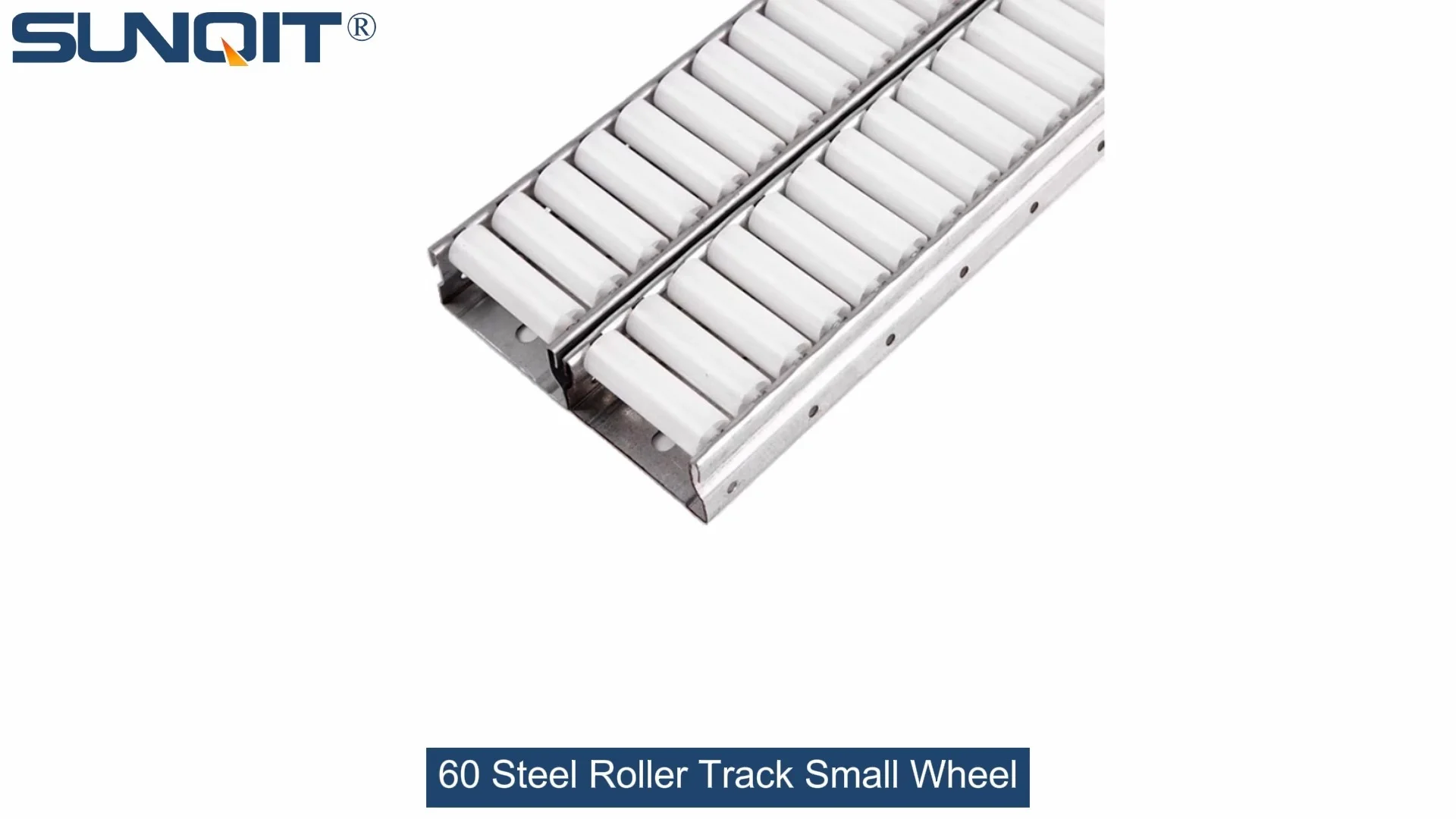
Factors Affecting the Service Life of 60 Steel Roller Track Small Wheels
Introduction
Let's be honest—most of us don't pay much attention to the tiny wheels on our conveyor lines until they break down. But here's the thing: every time a 60 steel roller track small wheel stops working, your entire production line could grind to a halt. And in fast-paced industries like 3C assembly, medical device manufacturing, or automotive parts production, where every minute counts, that's a problem you can't afford to have. These small wheels are the unsung heroes of lean systems, keeping materials moving smoothly from one station to the next. They're used in roller tracks and conveyors across all manufacturing scenarios, from warehouse logistics to precision assembly lines. So today, we're going to dive deep into the key factors that affect their lifespan. By understanding these factors, you can make smarter choices about how to use, maintain, and care for these critical components—saving time, money, and headaches down the line.
1. Material Quality & Manufacturing Precision
The first and most fundamental factor affecting the lifespan of 60 steel roller track small wheels is the quality of the material they're made from and the precision of their manufacturing process. Not all steel is created equal—high-quality carbon steel with proper heat treatment (like quenching and tempering) is essential for durability. Let's break this down:
**Steel Grade**: 60 steel is a common choice for these wheels because of its balanced strength and ductility, but the purity of the steel matters. Impurities like sulfur or phosphorus can weaken the steel, making it more prone to cracking under stress. Reputable suppliers use high-purity 60 steel that meets industry standards, ensuring the wheels can withstand daily wear and tear.
**Heat Treatment**: Quenching and tempering are critical steps in manufacturing these wheels. Quenching involves heating the steel to a high temperature and then rapidly cooling it, which hardens the material. Tempering follows—heating the steel again to a lower temperature to reduce brittleness while retaining hardness. This process creates a wheel that's both strong and flexible, able to resist wear without cracking easily. Wheels that skip this step or use subpar heat treatment will wear out much faster—often developing chips or cracks within a few months of use.
**Surface Treatment**: Surface treatments like galvanization or chrome plating add a protective layer to the wheel, preventing rust and corrosion. For example, galvanized wheels are ideal for humid environments, as the zinc coating acts as a barrier against moisture. Without this treatment, steel wheels can rust quickly—rust not only affects the wheel's appearance but also its rolling performance, increasing friction and leading to premature failure.
**Manufacturing Precision**: Even with the best materials, poor manufacturing precision can ruin a wheel. Things like uneven wheel thickness, off-center axles, or rough edges can cause the wheel to wobble as it rolls. This wobbling creates uneven pressure on the wheel's surface and bearings, leading to faster wear. For example, a wheel with a 0.1mm deviation in thickness will put more stress on one side, causing that area to wear out twice as fast as the other. Reputable manufacturers use precision machinery to ensure every wheel meets strict tolerances—so you can trust that each wheel will perform consistently.
2. Load Capacity & Usage Intensity
Every 60 steel roller track small wheel has a rated load capacity—this is the maximum weight it can safely support over its lifespan. Ignoring this rating is one of the fastest ways to shorten a wheel's life. Let's talk about how load and usage intensity affect these wheels:
**Overloading**: Overloading a wheel even once can cause permanent damage. For example, if a wheel is rated for 50kg and you put 70kg on it, the steel may deform, or the bearings inside may start to fail. Over time, this deformation will get worse—eventually, the wheel will no longer roll smoothly, or it may break entirely. In busy production lines, overloading often happens by accident: a worker might place an extra box on a conveyor, or a machine might feed more parts than the line can handle. But even small, repeated overloads add up—consistently using a wheel at 110% of its rated load can reduce its lifespan by 60%.
**Usage Intensity**: How often and how hard you use the wheel also matters. A wheel used in a slow-moving warehouse logistics line (where items are moved a few times a day) will last much longer than one used in a high-speed 3C assembly line (where hundreds of smartphone components pass through every hour). Continuous, high-intensity use puts constant stress on the wheel's bearings and surface. For example, in an automotive parts line, where heavy engine components are moved all day long, the wheels are under constant pressure—their bearings need to be lubricated more frequently, and their surface wears out faster. Giving the wheels occasional breaks (like during shift changes) can help reduce this stress, extending their lifespan.
**Load Distribution**: Even if you stay within the rated load, uneven load distribution can be a problem. If a load is concentrated on one side of the conveyor, the wheels under that side will bear more weight than others. This causes those wheels to wear out faster than the rest. For example, in a medical device assembly line, if a box of heavy surgical instruments is placed off-center on a conveyor, the wheels under the heavy side will wear out twice as fast as the others. To avoid this, always ensure loads are evenly distributed across the conveyor.
3. Maintenance Practices
Maintenance is often the most overlooked factor, but it's one of the most impactful. A well-maintained wheel can last up to four times longer than one that's neglected. Let's look at the key maintenance practices:
**Lubrication**: The bearings inside the wheel need regular lubrication to reduce friction. Without lubrication, the bearings will dry out—causing squeaking, increased friction, and eventually seizing up. The type of lubricant you use depends on the environment: lithium grease is a good all-purpose choice, while silicone grease is better for high-temperature environments. How often you lubricate depends on usage—for high-intensity lines, lubricate every 2-3 months; for slower lines, every 6 months is enough. Always clean the bearings before applying new lubricant to remove old grease and debris.
**Cleaning**: Dust and debris are the enemies of roller track wheels. They can get into the bearings or between the wheel and the roller track, acting like sandpaper and wearing down the wheel's surface. For example, in a mechanical manufacturing plant, metal shavings and dust accumulate on the track—when the wheel rolls over them, the debris scratches the wheel's surface, leading to faster wear. Regular cleaning (using a soft brush or compressed air) removes this debris. For lines in dusty environments, consider installing dust covers to protect the wheels.
**Checking Roller Track Accessories**: Roller track accessories like connectors and brackets play a crucial role in wheel lifespan. If a connector is loose, the roller track might shift slightly—causing the wheel to rub against the track's edge. This uneven contact wears out the wheel much faster than normal. So, it's important to check all connectors and brackets regularly (at least once a month) and tighten them if they're loose. Also, replace any damaged accessories immediately—using a broken connector can lead to serious alignment issues.
**Inspecting Wheels**: Regularly inspecting the wheels for signs of wear is essential. Look for chips, cracks, or uneven wear on the wheel's surface. If you notice any of these signs, replace the wheel immediately—using a damaged wheel can cause further damage to the conveyor or other components. Also, check the bearings for smooth rotation: if a wheel doesn't spin freely, it's a sign that the bearings are failing and need to be replaced.
4. Environmental Conditions
The environment where you use the 60 steel roller track small wheels has a big impact on their lifespan. Let's look at some common environmental factors:
**Humidity**: High humidity is a major cause of rust. In coastal areas or warehouses with poor ventilation, moisture in the air can cause steel wheels to rust quickly. Rust not only affects the wheel's appearance but also its performance—rusty bearings will seize up, and rusty surfaces will increase friction. To combat this, use galvanized or chrome-plated wheels, and ensure the area is well-ventilated.
**Corrosive Substances**: In industries like medical device manufacturing or food processing, corrosive substances (like sanitizers or cleaning agents) are common. These substances can eat away at the wheel's surface or bearings, leading to premature failure. For example, in a medical facility, sanitizers containing chlorine can corrode steel wheels if they're not properly cleaned off. To avoid this, use wheels with corrosion-resistant coatings and clean them immediately after exposure to corrosive substances.
**Temperature**: Extreme temperatures can affect the wheel's performance. High temperatures (above 100°C) can melt lubricants, causing bearings to dry out. Low temperatures (below 0°C) can make the steel more brittle, increasing the risk of cracking. For lines in extreme temperature environments, use wheels designed for those conditions—like high-temperature lubricants or cold-resistant steel.
**Dust & Debris**: As mentioned earlier, dust and debris are a big problem. In warehouse logistics, dust accumulates on the track—when the wheel rolls over it, the dust scratches the wheel's surface. In mining or construction, larger debris (like gravel or dirt) can get into the bearings, causing them to jam. To protect the wheels, install dust covers and clean the track regularly.
5. Installation Accuracy
Proper installation is the foundation of a long-lasting wheel. Even the best wheels will fail quickly if they're installed incorrectly. Let's talk about the key installation factors:
**Alignment**: The roller track must be perfectly aligned. If one section of the track is slightly higher than the next, the wheels will have to work harder to roll over the uneven surface. This causes uneven wear—some parts of the wheel will wear out faster than others. For example, in a conveyor line that's off by just 1mm, the wheels under the higher section will bear more weight, leading to premature failure. To ensure alignment, use a level when installing the track and adjust it as needed.
**Connector Usage**: Using the right roller track connectors is essential. Different connectors are designed for different track types—using the wrong connector can lead to misalignment or loose tracks. For example, a connector designed for a 40mm track won't fit a 60mm track properly, leading to loose connections and shifting tracks. Always use connectors that are compatible with your roller track and wheels.
**Axle Installation**: The wheel's axle must be straight and securely fixed. A bent axle will cause the wheel to wobble, leading to uneven wear. Also, the axle must be tight—loose axles can cause the wheel to shift, rubbing against the track's edge. To ensure proper axle installation, use the right tools and torque the bolts to the manufacturer's specifications.
**Track Leveling**: The track must be level to distribute the load evenly across all wheels. If the track is tilted, the wheels on the lower side will bear more weight than the others. This causes those wheels to wear out faster. To level the track, use adjustable feet or shims to ensure it's flat across its entire length.
Lifespan Comparison Table
To give you a clearer picture of how these factors affect lifespan, here's a comparison table showing the estimated lifespan of 60 steel roller track small wheels under different conditions:
| Factor | Good Condition | Poor Condition | Estimated Lifespan Difference |
|---|---|---|---|
| Material Quality | High-purity 60 steel with quenching/tempering and galvanization | Low-purity steel with no heat treatment or surface coating | Good condition: 2-3 years; Poor: 6-12 months (2x longer lifespan) |
| Load Management | Within rated load (40kg for 50kg-rated wheel) with even distribution | 120% overload with uneven distribution | Good: 2-3 years; Poor: 4-6 months (3x shorter lifespan) |
| Maintenance | Monthly lubrication + quarterly cleaning + regular inspections | No lubrication, no cleaning, no inspections | Good: 3-4 years; Poor: 8-12 months (4x longer lifespan) |
| Environment | Dry, clean area with proper ventilation | High humidity + dust + corrosive substances | Good: 2-3 years; Poor: 6-9 months (2.5x shorter lifespan) |
| Installation | Proper alignment + correct connectors + level track | Misaligned track + wrong connectors + tilted track | Good: 2-3 years; Poor:7-10 months (3x longer lifespan) |
How to Extend the Lifespan of 60 Steel Roller Track Small Wheels
Now that you understand the factors affecting lifespan, here are some practical tips to extend the life of your wheels:
**Choose Quality Products**: Always buy wheels from reputable suppliers that use high-quality materials and follow strict manufacturing standards. Suppliers who prioritize lean principles (like reusability and sustainability) often produce more durable wheels—since they want their products to last as long as possible.
**Follow Load Guidelines**: Never overload the wheels. Always check the rated load and stay within it. If you need to move heavier loads, use wheels with a higher rated capacity.
**Set Up a Maintenance Schedule**: Create a regular maintenance schedule for your wheels—include lubrication, cleaning, and inspections. Assign someone to be responsible for maintenance to ensure it's done consistently.
**Protect Against Environment**: Use the right surface treatments for your environment (like galvanization for humidity) and install dust covers if needed. Clean the wheels immediately after exposure to corrosive substances.
**Ensure Proper Installation**: Hire trained technicians to install your roller track and wheels. If you're installing them yourself, follow the manufacturer's instructions carefully and use the right tools.
Conclusion
60 steel roller track small wheels may be tiny, but they're critical to the smooth operation of your lean systems and conveyor lines. By understanding the factors that affect their lifespan—material quality, load capacity, maintenance, environment, and installation—you can take steps to extend their life. This not only saves you money on replacement parts but also reduces downtime and keeps your production lines running smoothly. Remember: these wheels are an investment. Taking care of them now will pay off in the long run. Whether you're in 3C assembly, medical device manufacturing, or warehouse logistics, these tips will help you get the most out of your roller track wheels. So, next time you look at your conveyor line, take a moment to appreciate those small wheels—they're doing more than you think.