- Company Articles
- Products and Technology
- Product knowledge
- FDA-Compliant Flat Swivel Castor Wheel with Brake for Medical Device Production

FDA-Compliant Flat Swivel Castor Wheel with Brake for Medical Device Production
Related Product
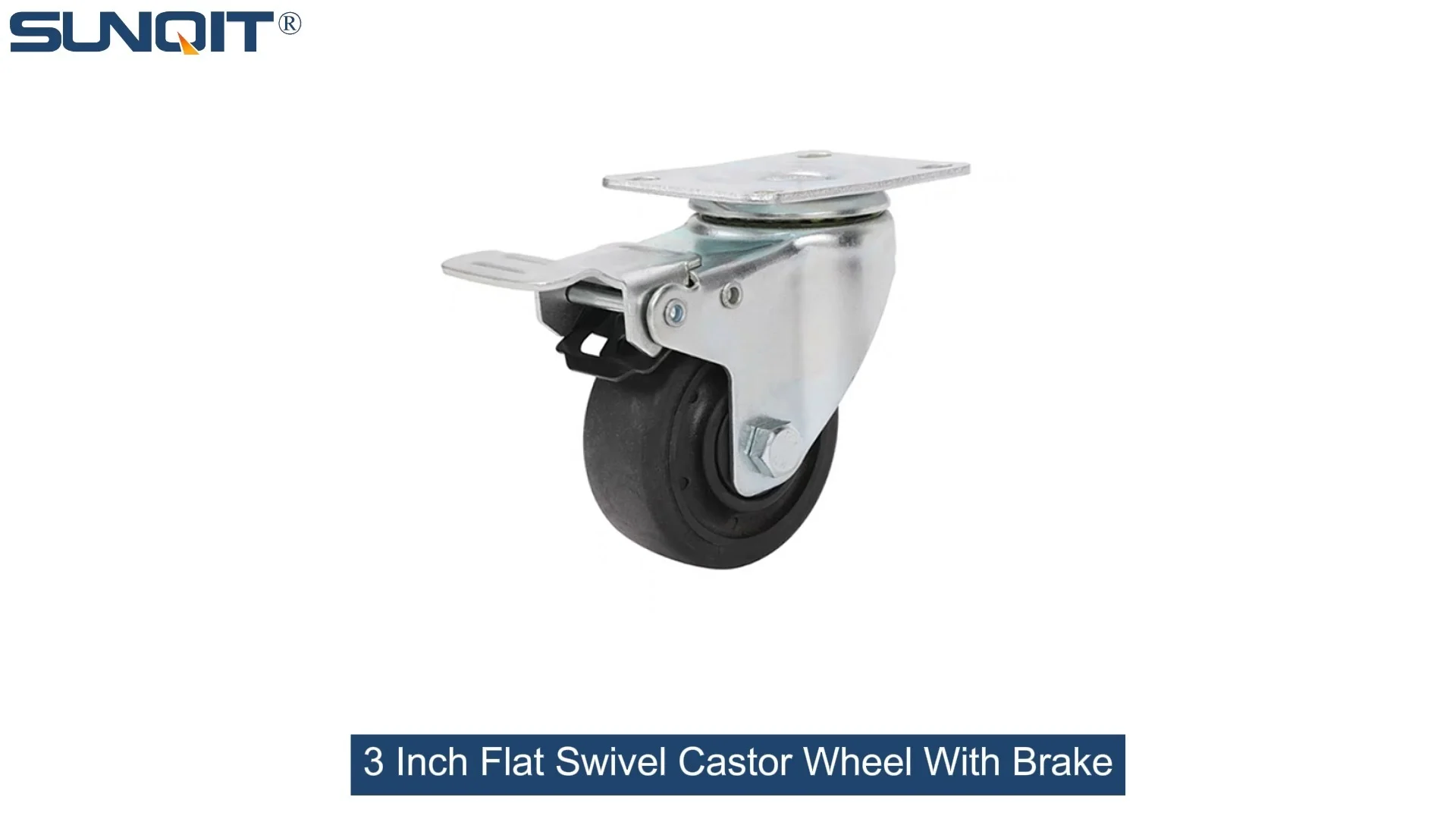
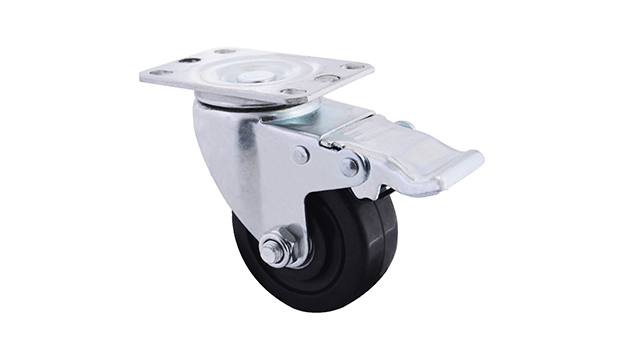
Flat Swivel Castor Wheel With Brake
Chair Casters Ball Bearing Wheels Rubber Base with brake design. Resistant to abrasion, impact and corrosion. Heavy payload can hold 70Kgs per pcs,which can make it works at a stable and smooth status.
Walk into any medical device manufacturing facility, and you'll notice a symphony of precision: robotic arms assembling tiny components, technicians in sterile gowns inspecting intricate parts, and workbenches gliding smoothly across the floor to keep production flowing. In this world, where a single misstep can compromise patient safety, even the smallest tools matter—including something as unassuming as the wheels beneath those workbenches. Today, we're diving into a critical player in this ecosystem: the FDA-compliant flat swivel castor wheel with brake. It's not just a "wheel"; it's a guardian of compliance, a enabler of efficiency, and a silent partner in creating life-saving devices.
Why Mobility Matters in Medical Device Production
Medical device production isn't static. Workbenches need to move to where the action is: from component storage to assembly stations, from quality control checks to packaging lines. Sterile environments demand easy access for cleaning, and lean systems thrive on minimizing waste—including the waste of time spent moving materials manually. This is where mobility, powered by reliable castor wheels, becomes non-negotiable.
But in healthcare manufacturing, "mobility" isn't just about rolling from point A to B. It's about doing so without introducing contamination, without damaging sensitive floors, and without sacrificing stability when precision work is underway. Imagine a technician adjusting a surgical instrument's calibration on a workbench that suddenly rolls mid-task—that's a disaster waiting to happen. Enter the flat swivel castor wheel with a brake: designed to glide when needed, lock firmly when required, and meet the strictest regulatory standards.
The Basics: What Makes a Castor "FDA-Compliant"?
First, let's clarify: FDA compliance isn't a marketing buzzword here. The U.S. Food and Drug Administration (FDA) regulates medical devices to ensure they're safe and effective for patients. Any component that comes into contact with the production environment—including the castor wheels on workbenches—must meet guidelines for cleanliness, durability, and resistance to contamination. This means materials that won't leach harmful substances, surfaces that are easy to sanitize, and designs that don't trap bacteria or debris.
Standard industrial castor wheels might cut corners with cheap plastics or porous materials, but FDA-compliant versions are built differently. They're engineered to withstand frequent cleaning with harsh disinfectants, resist corrosion in humid or sterile environments, and maintain their integrity even after years of heavy use. For medical device makers, this compliance isn't optional—it's a legal and ethical imperative.
Key Features of the Flat Swivel Castor Wheel with Brake
Now, let's break down what makes this specific castor wheel a standout in medical settings. It's not just about "being compliant"; it's about solving real-world problems for manufacturers.
1. Flat Swivel Design: Maneuverability in Tight Spaces
Medical facilities are often tight on space. Assembly lines snake through rooms, storage racks line the walls, and every square foot is optimized for efficiency. A flat swivel design allows the castor wheel to rotate 360 degrees smoothly, making it easy to navigate around corners, squeeze through narrow aisles, or position a workbench with pinpoint accuracy next to a robotic assembly arm. Unlike rigid or bulky castors, the "flat" profile minimizes the wheel's height, keeping workbenches stable and reducing the risk of tipping—critical when handling delicate or heavy medical components.
2. Reliable Brake Mechanism: Safety When It Counts
Mobility is useless without control. The integrated brake is the castor's "off switch" for movement, and in medical settings, it needs to be foolproof. Most FDA-compliant models feature a foot-operated brake: a simple tap with the heel locks the wheel in place, freeing up the technician's hands to focus on their work. The brake should engage firmly, holding the workbench steady even on slightly uneven floors, and release smoothly without jarring the equipment. Some advanced designs even include a "total lock" that secures both the wheel rotation and the swivel function, preventing accidental movement in any direction.
3. Non-Marking, Non-Porous Wheels
Floors in medical facilities are often made of sensitive materials like epoxy or vinyl, designed to be easy to clean and resistant to stains. A castor wheel that leaves marks or scuffs isn't just unsightly—it can harbor bacteria in the scratches. FDA-compliant wheels are typically made from polyurethane or silicone, both of which are non-marking and gentle on floors. These materials also have the added benefit of absorbing shock, reducing noise as the workbench moves, and providing excellent traction to prevent slipping—even when floors are wet from cleaning.

Materials Matter: Building for Sterility and Durability
Let's zoom in on the materials that make these castors FDA-ready. The wheel itself is often made from medical-grade polyurethane (PU). PU is a favorite here because it's dense, non-porous, and resistant to chemicals—meaning it won't degrade when wiped down with alcohol, bleach, or other disinfectants. It's also flexible enough to absorb vibrations, which is crucial when transporting delicate components like pacemaker batteries or surgical tool parts.
The swivel mechanism and brake components are usually constructed from stainless steel or anodized aluminum. Stainless steel resists rust and corrosion, even in high-humidity environments like cleanrooms, while anodized aluminum adds a protective layer that prevents chipping or flaking. Both materials are smooth and easy to wipe clean, leaving no crevices for dirt or bacteria to hide. Even the bearings inside the wheel are sealed to prevent lubricant leakage—another potential contamination risk in sterile settings.
| Feature | Standard Industrial Castor Wheel | FDA-Compliant Flat Swivel Castor Wheel with Brake |
|---|---|---|
| Materials | PVC, rubber, or low-grade plastic; steel with minimal corrosion resistance | Medical-grade polyurethane (PU) wheels; stainless steel/aluminum hardware |
| Cleanability | Porous surfaces; may trap debris in seams | Non-porous, smooth surfaces; sealed bearings; easy to disinfect |
| Compliance | No FDA certification; may use untested materials | Meets FDA 21 CFR Part 177 standards for food contact (relevant for medical environments) |
| Brake System | Basic lever brake; may slip under heavy loads | Heavy-duty foot brake; locks wheel and swivel (total lock option) |
| Best For | Warehouses, construction, non-sterile industrial use | Medical device production, pharmaceutical labs, cleanrooms, surgical tool assembly |

Integration with Workbenches and Lean Systems
A castor wheel is only as good as its ability to work with the equipment it supports—in this case, the workbenches that form the backbone of medical device assembly. Modern workbenches in these facilities are modular, adjustable, and often part of a lean system designed to eliminate waste and streamline workflows. The flat swivel castor wheel with brake fits seamlessly into this setup.
For example, a lean system might require workbenches to be reconfigured quickly for different production runs—say, switching from assembling insulin pumps to heart monitors. The castor's swivel design makes it easy to pivot and rearrange the workspace without heavy lifting. When the new layout is set, the brakes lock the workbenches in place, creating a stable surface for precise tasks like soldering or quality inspections. This flexibility reduces downtime and keeps the production line agile—key for meeting tight deadlines in the fast-paced medical device industry.
Workbench compatibility is also a consideration. These castors are designed with standardized mounting plates, making them easy to attach to most modular workbench frames—whether made of aluminum, stainless steel, or composite materials. Some manufacturers even offer caster accessories like mounting brackets or height adjusters to ensure a perfect fit, further enhancing their versatility.
Beyond the Wheel: Caster Accessories for Enhanced Performance
While the castor wheel itself is the star, caster accessories play a supporting role in making it even more effective. Let's explore a few that matter in medical settings:
- Brake Extensions: In facilities where technicians wear (heavy protective boots), a brake extension lever makes it easier to engage the brake without bending down. This small addition reduces strain and speeds up workflow.
- Floor Protectors: Even with non-marking wheels, some facilities opt for soft rubber floor protectors that attach to the castor base, adding an extra layer of defense against scratches—especially on polished concrete or tile floors.
- Replacement Bearings: Over time, bearings can wear down. FDA-compliant replacement bearings ensure that the castor maintains its smooth rotation and seal integrity, avoiding costly replacements of the entire wheel.
- Locking Pins: For long-term stationary use (e.g., a workbench dedicated to packaging), locking pins can reinforce the brake, providing an extra layer of security against accidental movement.
These accessories aren't just "nice-to-haves"; they're part of a holistic approach to maintaining compliance and efficiency. By investing in high-quality accessories, manufacturers ensure their castor wheels perform optimally for years, reducing the risk of unexpected failures that could disrupt production.
Real-World Impact: A Day in the Life with FDA-Compliant Castors
Let's paint a picture of how these castors work in practice. Imagine a mid-sized medical device company producing diagnostic test kits. Their assembly line has five workbenches, each mounted on four FDA-compliant flat swivel castor wheels with brakes. Here's how the day unfolds:
7:00 AM: The night shift cleaning crew finishes sanitizing the facility. They wipe down each workbench, including the castor wheels, with a hospital-grade disinfectant. The non-porous polyurethane wheels and stainless steel hardware resist the chemicals, and no water or residue gets trapped in seams.
8:30 AM: The day shift arrives. A technician unlocks the brakes on Workbench #3 and swivels it to the component storage area, where she loads it with test tube racks and reagents. The flat swivel design lets her navigate around a pallet of packaging materials with ease, and the foot brake locks the bench in place once she's back at the assembly line.
11:00 AM: A quality control inspector needs to check a batch of test kits. He rolls Workbench #1—with its fully assembled kits—to the inspection station, braking it securely before conducting his checks. The stable surface ensures accurate readings on his calibration tools.
3:00 PM: A production changeover: switching from COVID-19 test kits to flu test kits. The team quickly rearranges the workbenches into a U-shape to optimize workflow, using the castors' swivel function to pivot each bench into place. Brakes engage with a satisfying "click," and the new layout is ready in 15 minutes—far faster than if the benches were fixed to the floor.
This scenario isn't hypothetical. It's the reality in facilities that prioritize compliance and efficiency. The castor wheels, often overlooked, are the unsung heroes keeping the operation moving—literally and figuratively.
Maintenance: Keeping Castors Compliant for the Long Haul
FDA compliance doesn't end with installation. To maintain it, regular maintenance is key. Here's a quick checklist for keeping castor wheels in top shape:
- Daily Cleaning: Wipe wheels and brakes with a mild detergent or disinfectant to remove dust, debris, or spills. Pay special attention to the brake mechanism, where dirt can prevent proper engagement.
- Weekly Inspection: Check for cracks in the wheel, loose mounting bolts, or signs of corrosion on the hardware. Test the brake to ensure it locks firmly and releases smoothly.
- Quarterly Lubrication: Use FDA-approved lubricants on the swivel joint and brake pivot points. Avoid over-lubricating, as excess oil can attract dust and bacteria.
- Annual Replacement Check: Even with proper care, wheels and bearings wear out. Plan for replacement every 2–3 years (or sooner if heavily used) to avoid sudden failures.
By following these steps, manufacturers ensure their castor wheels remain compliant, reliable, and ready to support the production of life-saving devices.
Conclusion: Small Component, Big Impact
In the world of medical device production, where precision and compliance are everything, the FDA-compliant flat swivel castor wheel with brake is more than a tool—it's a commitment to patient safety. It's a reminder that excellence lies in the details: the materials we choose, the designs we refine, and the accessories we pair with them. Whether it's enabling a workbench to glide through a cleanroom, locking securely during a critical assembly step, or standing up to daily disinfecting, this castor wheel plays a vital role in bringing safe, effective medical devices to those who need them most.
So the next time you walk through a medical device factory, take a moment to notice the wheels beneath the workbenches. They might be small, but their impact is enormous—and that's something worth celebrating.