- Company Articles
- Products and Technology
- Product knowledge
- Five Way Straight Lean Pipe Joint Chrome: Cost-Benefit Analysis for Small Businesses

Five Way Straight Lean Pipe Joint Chrome: Cost-Benefit Analysis for Small Businesses
Related Product
Five Way Straight Lean Pipe Joint Chrome
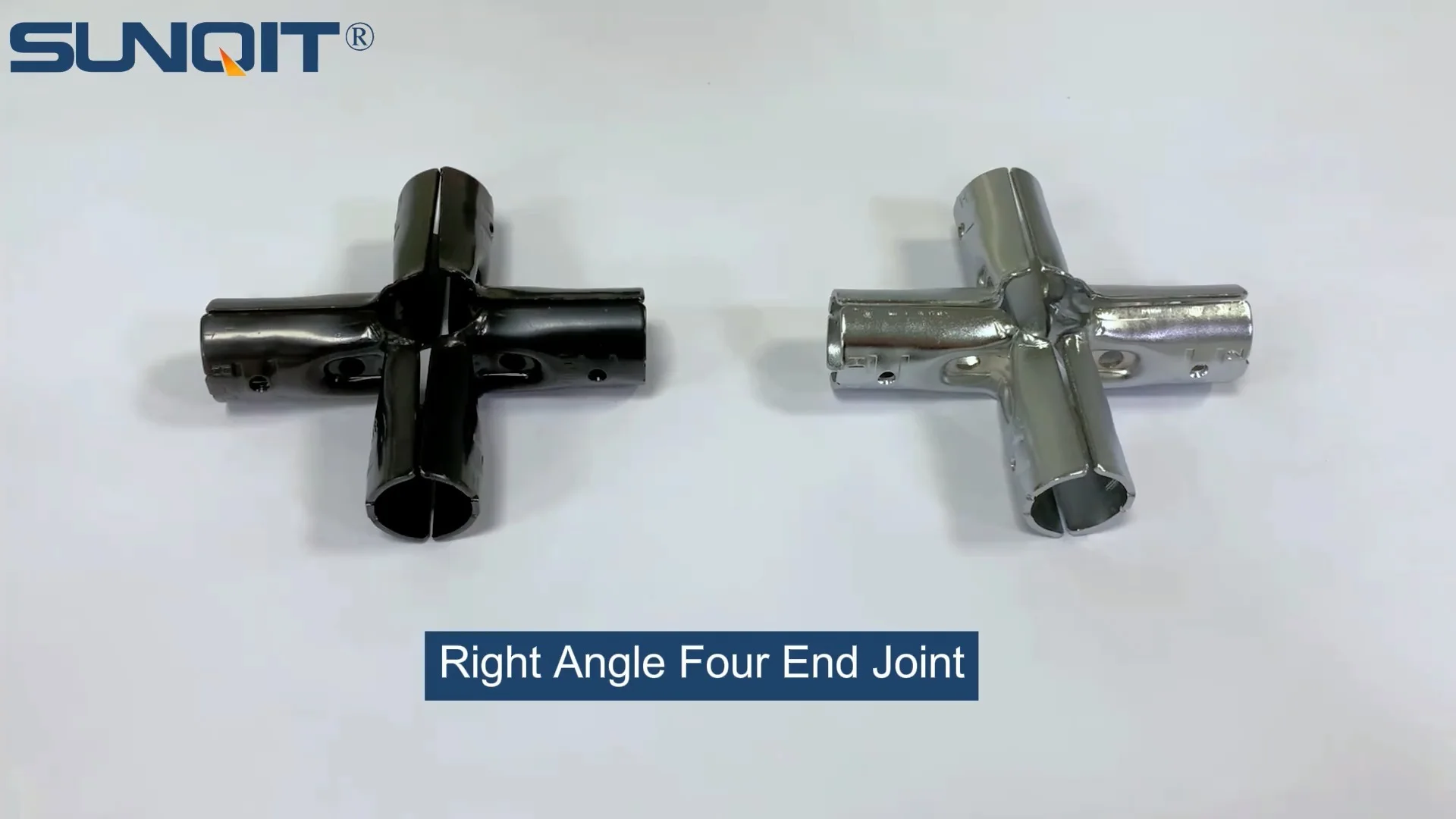
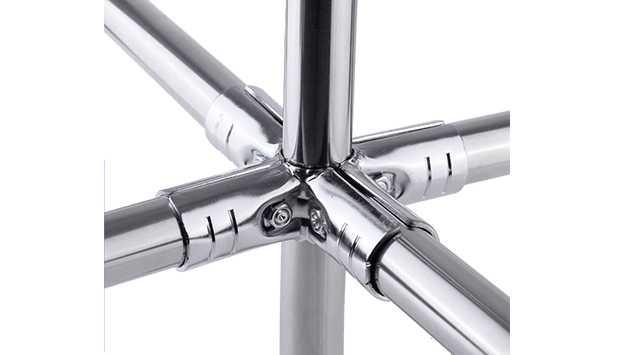
Five way straight lean pipe joint, for 5 pcs 28mm lean pipe connect in straight angle,which used widely in workbench, flow rack, hand trolley frame connection.
For small businesses, every dollar and minute counts. Whether you run a local manufacturing shop, a warehouse, or a small assembly line, the challenge of doing more with less is a constant reality. You need tools and systems that don't just "work"—they adapt, last, and deliver tangible returns on investment. This is where lean systems come into play: a methodology built on eliminating waste, streamlining workflows, and maximizing efficiency. But lean systems are only as strong as their building blocks, and one component that often flies under the radar (yet holds immense potential) is the humble lean pipe joint.
In this article, we're zeroing in on a specific star player: the Five Way Straight Lean Pipe Joint Chrome. At first glance, it might seem like just another metal connector, but for small businesses aiming to scale smartly, this unassuming component could be the key to unlocking flexibility, durability, and long-term savings. We'll break down what it is, how it works, and why it deserves a spot in your operational toolkit—complete with a cost-benefit analysis that shows exactly how it stacks up against cheaper alternatives. By the end, you'll understand why investing in the right lean pipe joint today could mean fewer headaches and more profits tomorrow.
Why Lean Systems Matter for Small Businesses
Before diving into the specifics of the Five Way Straight Lean Pipe Joint Chrome, let's step back and clarify why lean systems are non-negotiable for small businesses. Lean isn't just a buzzword thrown around by corporate giants—it's a survival strategy for operations with limited resources. At its core, lean thinking is about designing workflows that minimize waste (time, materials, space) while maximizing value (output, quality, customer satisfaction).
For small businesses, the stakes are even higher. You can't afford to waste money on systems that become obsolete in six months, or tools that break after minimal use. Lean systems address this by focusing on modularity: building structures that can be reconfigured as your needs change. Think of it like building with Legos instead of concrete—if your product line shifts, you don't tear down the entire factory; you rearrange the blocks.
And at the heart of these modular lean systems? Lean pipe joints. These simple connectors link metal pipes (often coated with plastic or chrome) to create everything from workbenches and flow racks to turnover trolleys and material handling stations. The right joint can turn a pile of pipes into a custom workstation in hours; the wrong one can leave you with a rickety structure that needs constant repairs or replacement. That's where the Five Way Straight Lean Pipe Joint Chrome enters the picture.
What Is the Five Way Straight Lean Pipe Joint Chrome?
Let's start with the basics: a lean pipe joint is a connector designed to join lean pipes (hollow metal tubes) at various angles, forming the skeleton of lean structures. Most joints are simple—one-way (straight line), two-way (L-shape), or three-way (T-shape)—but the Five Way Straight Lean Pipe Joint Chrome is a step up. As the name suggests, it features five connection points, all aligned in a straight line, allowing you to connect up to five lean pipes in a single, sturdy junction.
But what really sets it apart is the "chrome" in its name. Unlike basic plastic or uncoated metal joints, this model is chrome-plated, a process that adds a thin layer of chromium to its surface. Chrome isn't just for shine; it's a functional upgrade. Chromium resists corrosion, scratches, and wear, making the joint ideal for environments where moisture, dust, or frequent handling are part of the daily grind—think warehouses, assembly lines, or even food processing facilities (though always check for food-grade certifications if needed).
The design is equally thoughtful. Each of the five connection points is reinforced with internal threading and a locking mechanism (usually a setscrew or clamp) that ensures a tight, wobble-free fit when paired with lean pipes. This stability is critical: a loose joint can throw off an entire workstation, leading to misaligned tools, jostled materials, or even safety hazards. With the Five Way Straight Lean Pipe Joint Chrome, you're not just connecting pipes—you're building a foundation for reliable, repeatable workflows.
Cost-Benefit Analysis: Is It Worth the Investment?
Small businesses thrive on frugality, so let's cut to the chase: the Five Way Straight Lean Pipe Joint Chrome typically costs more upfront than basic one-way or three-way joints. A standard plastic three-way joint might run you $2–$5, while a chrome five-way joint could be $8–$12. At first glance, that's a 60–100% price jump. But cost isn't just about the initial sticker shock—it's about the total value delivered over time. Let's break down the benefits that make this joint a smart long-term investment.
1. Durability: Less Replacement, More Savings
Chrome plating isn't a luxury—it's a durability booster. Basic plastic joints can crack under heavy loads, warp in high temperatures, or degrade when exposed to oils or cleaning chemicals. Uncoated metal joints, meanwhile, rust if they get wet, weakening their grip over time. The result? You're replacing joints every few months, adding up to hidden costs: time spent sourcing replacements, labor to take apart and rebuild structures, and downtime while workbenches or flow racks are out of commission.
The Five Way Straight Lean Pipe Joint Chrome, by contrast, is built to last. Chrome resists rust and corrosion, so even in damp warehouses or shops where spills happen, it holds strong. Its metal core (often steel) handles heavier loads without bending, and the plating stands up to scratches from tools or frequent adjustments. For small businesses, this translates to fewer trips to the supplier, less time fixing broken structures, and more consistent productivity. Over 2–3 years, the savings from reduced replacements alone can outweigh the initial higher cost.
2. Flexibility: Adapt Without Overhauling
Small businesses rarely stay the same for long. Maybe you land a new client with larger orders, requiring a wider assembly line. Or you pivot to a new product, needing taller shelving for parts. In these cases, rigid, one-size-fits-all workstations become liabilities. You either with inefficient setups or shell out for brand-new equipment—a choice that eats into already tight budgets.
The Five Way Straight Lean Pipe Joint Chrome solves this with its five connection points. Instead of building a workstation with fixed, single-direction pipes, you can create multi-armed structures that grow with you. Need to add a side shelf to your workbench? Connect a pipe to one of the unused ports. Want to extend a flow rack to accommodate longer materials? Use the extra connections to branch out. This modularity means you're not just buying a joint—you're buying the freedom to reconfigure on the fly. For example, a small electronics assembler we worked with used five-way joints to build a "base" workstation, then added pipe extensions as they added product lines. Instead of buying three separate workbenches for $500 each, they modified one for $150 in extra pipes and joints—saving $1,350.
3. Efficiency: Streamlined Workflows, Faster Output
Lean systems are all about reducing waste, and one of the biggest time-wasters in small operations is "motion waste"—workers walking extra steps to grab tools, bend awkwardly to reach materials, or wait for parts to move through bottlenecked flow racks. The right workstation design can cut this waste dramatically, and the Five Way Straight Lean Pipe Joint Chrome is a secret weapon here.
With five connection points, you can design workstations that put everything a worker needs within arm's reach. Imagine a single joint at the corner of a workbench: connect a pipe for tools, another for raw materials, a third for finished goods, and a fourth for a small flow rack to feed parts directly into the line. No more walking to a separate shelf or twisting to grab a wrench. For a team of 5–10 workers, even saving 5 minutes per hour adds up to 20–40 extra productive hours per month. Over a year, that's 240–480 hours—time that could be spent fulfilling orders, serving clients, or innovating new products.
Flow racks, too, benefit from five-way joints. By connecting multiple levels or lanes in a single junction, you can create gravity-fed systems that move materials smoothly from receiving to assembly, reducing the need for manual lifting or pushing. This not only speeds up workflows but also cuts down on ergonomic injuries—a hidden cost that can derail small businesses with medical bills and lost workdays.
4. Compatibility: Works with Your Existing Setup
Switching to a new component often means overhauling everything else to match, but the Five Way Straight Lean Pipe Joint Chrome plays well with others. It's designed to fit standard lean pipes (typically 28mm or 30mm diameter), the same ones you're likely already using for basic structures. This means you don't have to replace all your pipes or accessories—just add the five-way joints where you need extra flexibility.
This compatibility is a huge win for small businesses with limited capital. You can start small: buy a handful of five-way joints to upgrade your most critical workstation, test their impact, and expand gradually. Maybe you first use them to build a more efficient flow rack, then later add them to your packing station. There's no pressure to invest in a full system upgrade upfront, making the transition low-risk and budget-friendly.
| Feature | Basic Plastic Three-Way Joint | Uncoated Metal Three-Way Joint | Five Way Straight Lean Pipe Joint Chrome |
|---|---|---|---|
| Initial Cost (Per Unit) | $2–$5 | $4–$7 | $8–$12 |
| Expected Lifespan | 6–12 months | 12–18 months (if dry) | 3–5 years |
| Max Connection Points | 3 | 3 | 5 |
| Resistance to Corrosion/Scratches | Low (prone to cracking/degradation) | Medium (rusts in moisture) | High (chrome plating resists rust/scratches) |
| Best For | Light loads, temporary setups | Moderate loads, dry environments | Heavy loads, variable workflows, damp/harsh environments |
| Long-Term Value (2-Year Projection) | $8–$20 (4+ replacements) | $8–$14 (2 replacements) | $8–$12 (no replacements needed) |
Case Study: A Small Manufacturing Shop's Experience
Business: A family-owned electronics assembly shop with 12 employees, producing custom circuit boards for local tech startups.
Before: Using basic plastic three-way joints to build workbenches and a single flow rack. The team struggled with two main issues: (1) The plastic joints cracked under the weight of tools and circuit board materials, requiring monthly replacements. (2) The workbenches were too narrow to hold all necessary equipment, forcing workers to set tools on the floor or make extra trips to storage.
Investment: Purchased 20 Five Way Straight Lean Pipe Joint Chrome ($10 each, total $200) and 50ft of additional lean pipe ($3/ft, total $150) to upgrade two key workstations.
After (6 Months Later):
–
Durability:
Zero joint replacements needed. The chrome joints showed no signs of wear, even with daily use and occasional spills of cleaning solvent.
–
Flexibility:
Using the five-way joints, the team added side shelves to the workbenches, keeping tools and materials within arm's reach. They also expanded the flow rack from 2 lanes to 4, reducing bottlenecks in material delivery.
–
Efficiency:
Worker surveys showed a 15% reduction in time spent searching for tools or materials. The shop increased output by 10% without adding staff, leading to an extra $12,000 in quarterly revenue.
–
ROI:
The total investment ($350) was recouped in under 2 months. By the end of the year, the upgrade had generated an estimated $48,000 in additional profit from increased efficiency.

Choosing the Right Supplier: A Quick Note
To maximize the benefits of the Five Way Straight Lean Pipe Joint Chrome, partnering with a reliable lean pipe supplier is key. Not all chrome-plated joints are created equal—some cut corners with thin plating or weak internal threading, leading to premature failure. Look for suppliers who specialize in lean system components and can provide details on the joint's material (e.g., "steel core with 0.001" chrome plating"), load capacity, and warranty. A good supplier will also offer samples, so you can test the joint's fit and sturdiness before buying in bulk.
Don't overlook customer support, either. Small businesses often don't have dedicated engineers on staff, so a supplier who can help with design tips (e.g., "How many five-way joints do I need for a 6ft workbench?") or troubleshooting is invaluable. Many suppliers also stock related accessories—like casters for mobile workstations or roller tracks for flow racks—making it easier to source everything you need in one place, saving time and shipping costs.
Final Thoughts: Investing in Smart, Not Just Cheap
For small businesses, the choice between a $5 plastic joint and a $10 chrome five-way joint isn't just about cost—it's about strategy. The plastic joint might save you $5 today, but it costs you time, productivity, and flexibility tomorrow. The Five Way Straight Lean Pipe Joint Chrome, by contrast, is an investment in your ability to adapt, grow, and compete. It's durable enough to keep up with your busiest days, flexible enough to evolve with your business, and efficient enough to turn wasted minutes into profitable output.
At the end of the day, lean systems are about more than saving money—they're about building a business that can thrive, not just survive. And sometimes, that starts with the smallest components. So, the next time you're setting up a workstation or upgrading your flow rack, consider the Five Way Straight Lean Pipe Joint Chrome. It might just be the quiet workhorse that helps your small business take the next big step.