- Company Articles
- Products and Technology
- Product knowledge
- Five Way Straight Lean Pipe Joint Chrome: Essential Component for Lean Workbench E

Five Way Straight Lean Pipe Joint Chrome: Essential Component for Lean Workbench E
Related Product
Five Way Straight Lean Pipe Joint Chrome
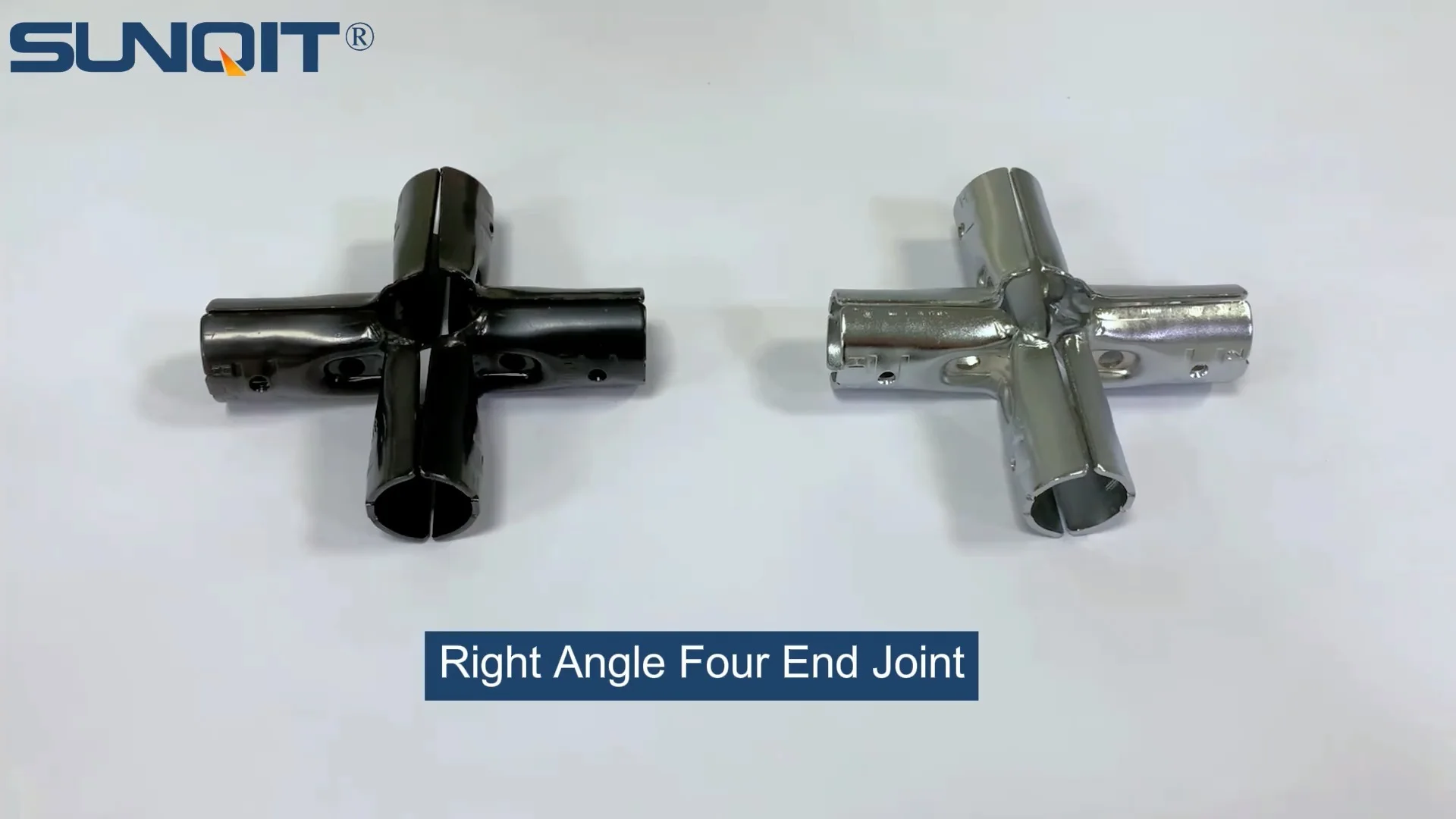
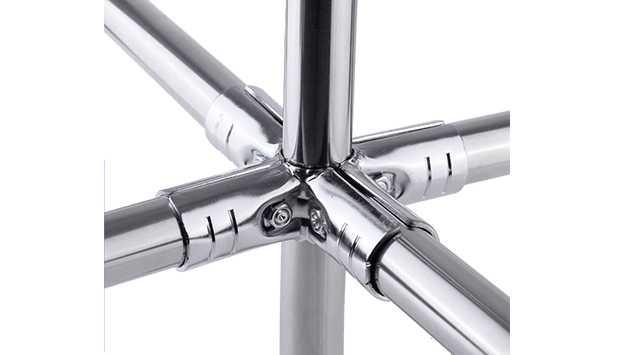
Five way straight lean pipe joint, for 5 pcs 28mm lean pipe connect in straight angle,which used widely in workbench, flow rack, hand trolley frame connection.
Walk into any modern manufacturing facility, and you'll notice the rhythm of productivity—workers moving with purpose, materials flowing smoothly from one station to the next, and workbenches that serve as the quiet backbone of it all. In the world of lean manufacturing, where efficiency isn't just a goal but a way of life, every component matters. From the largest conveyor belt to the smallest joint, each part plays a role in keeping operations running like a well-oiled machine. Today, we're shining a spotlight on a humble yet critical player in this ecosystem: the Five Way Straight Lean Pipe Joint Chrome. More than just a connector, this unassuming component is the unsung hero behind stable, flexible, and durable workbenches—especially the Lean Workbench E (Single Deck-Without Caster). Let's dive into why this joint matters, how it elevates lean systems, and why choosing the right partner, like a trusted lean pipe workbench supplier, can make all the difference in your facility's success.
The Heart of Lean Manufacturing: Workbenches That Work For You
Before we get into the specifics of the Five Way Straight Lean Pipe Joint Chrome, let's take a step back and appreciate the role of workbenches in lean manufacturing. A workbench isn't just a table where tasks get done; it's a command center. It's where assembly line workers piece together products, where quality inspectors check for precision, and where materials are organized to minimize waste. In lean philosophy, waste—whether of time, space, or resources—is the enemy. A poorly designed workbench can lead to all three: workers reaching awkwardly for tools, materials piling up because there's no efficient flow, or instability causing delays as parts shift out of place.
This is where Lean Workbench E comes into play. Designed as a single-deck, caster-free solution, it's built for stability and efficiency. Without casters, it stays firmly rooted in place, making it ideal for tasks that require precision—think electronics assembly or small-part manufacturing, where even the slightest movement can throw off measurements. But what makes Lean Workbench E truly reliable? It's not just the deck or the legs; it's the joints that hold everything together. Enter the Five Way Straight Lean Pipe Joint Chrome.
Meet the Five Way Straight Lean Pipe Joint Chrome: A Game-Changer in Assembly
At first glance, a pipe joint might seem like a simple piece of hardware. But the Five Way Straight Lean Pipe Joint Chrome is anything but simple. Let's break down what makes it unique. The "five way" design means it can connect five pipes at once, all in a straight line. Picture this: a vertical pipe serving as the core, with four horizontal pipes branching out at 90-degree angles—one on each side. This versatility allows for the creation of multi-functional structures, like shelving units attached to the workbench, tool holders, or material racks, all without the need for multiple separate joints. It's like having a Swiss Army knife in your lean system toolkit—one component, endless possibilities.
Then there's the "chrome" finish. Chrome plating isn't just for looks (though it does add a sleek, professional shine to workbenches). Chrome is highly resistant to corrosion, which is critical in manufacturing environments where moisture, oils, or chemicals might be present. A rusted joint isn't just unsightly; it's a safety hazard. Over time, corrosion weakens the metal, leading to instability. The chrome layer acts as a barrier, protecting the underlying metal and extending the joint's lifespan. For facilities that prioritize durability, this isn't a nice-to-have—it's a must.
But what about the material beneath the chrome? Most high-quality lean pipe joints are made from steel, chosen for its strength and load-bearing capacity. The Five Way Straight Lean Pipe Joint Chrome is no exception. Steel provides the rigidity needed to support heavy materials, whether it's a shelf stacked with components or a tool rack holding power tools. When paired with aluminum profile accessories, which are lightweight yet strong, this joint creates a balanced system—sturdy where it needs to be, flexible where you want it to be.
Real-World Impact: Imagine a small electronics manufacturer that recently upgraded to Lean Workbench E with Five Way Straight Lean Pipe Joint Chrome. Previously, their old workbenches used basic two-way joints, requiring extra connectors to add side shelves. This led to a cluttered setup with joints sticking out, creating tripping hazards and wasting space. After switching, they were able to attach three-tier material racks directly to the workbench legs using the five-way joints. Now, components are within arm's reach, workers spend less time walking to fetch parts, and the workspace feels open and organized. Productivity increased by 15% in the first month alone—not because of fancy new machines, but because of a better joint.
Why Material Matters: The Chrome Advantage
Let's talk more about that chrome plating. In manufacturing, environments can be tough. Some facilities are humid, others deal with coolants or lubricants that spill onto work surfaces, and still others have high dust levels that can accelerate wear. A joint without proper protection would start to degrade quickly under these conditions. Chrome plating addresses this by offering three key benefits:
- Corrosion Resistance: As mentioned, chrome acts as a barrier against moisture and chemicals, preventing rust from forming on the steel base.
- Scratch Resistance: Chrome is a hard material, so it holds up well against daily wear and tear. Workers moving tools or materials won't easily scratch the surface, keeping the joint looking new and functioning smoothly.
- Easy Cleaning: Dust, oil, and grime wipe off chrome surfaces quickly. This is a big plus for facilities that adhere to strict cleanliness standards, like those in the medical device or food packaging industries.
Compare this to unplated steel joints, which might start showing signs of rust within months, or plastic joints, which can crack under heavy loads. The Five Way Straight Lean Pipe Joint Chrome is built to last, reducing the need for frequent replacements and lowering long-term maintenance costs.

Lean Workbench E: Designed for Efficiency, Built with Precision
Now, let's bring it all together: the Five Way Straight Lean Pipe Joint Chrome and Lean Workbench E. The Lean Workbench E is a single-deck design, meaning it has one flat surface for work. Without casters, it's anchored to the floor (or secured with leveling feet, another key accessory), providing a stable base. But to maximize its utility, many facilities add attachments—shelves above for storage, bins below for tools, or side racks for materials. This is where the five-way joint shines.
For example, a manufacturer assembling small electric components might need a shelf above the workbench to hold instruction manuals and quality checklists, and a side rack with bins for screws, washers, and wires. Using the Five Way Straight Lean Pipe Joint Chrome, they can connect the vertical support pipes of the workbench to these additional structures with minimal effort. The joint's straight design ensures that shelves and racks align perfectly, avoiding the wobbliness that comes with mismatched connectors. This alignment isn't just about aesthetics; it's about safety. A shelf that tilts forward could send materials crashing down, risking injury or damage to parts.
Another advantage of Lean Workbench E's caster-free design is weight distribution. Casters are great for mobility, but they can limit how much weight a workbench can support. Without them, Lean Workbench E can handle heavier loads—think of a bench in an automotive parts facility holding engine components. The Five Way Straight Lean Pipe Joint Chrome, with its steel core and chrome plating, ensures that the weight is evenly distributed across the frame, preventing stress points that could lead to collapse.
Beyond the Joint: Integrating Aluminum Profile Accessories for a Complete System
No component exists in a vacuum, and the Five Way Straight Lean Pipe Joint Chrome is no exception. To build a truly efficient lean system, it needs to work seamlessly with other accessories—especially aluminum profile accessories. Aluminum profiles are lightweight, corrosion-resistant, and highly customizable, making them ideal for everything from workbench frames to conveyor guides. When paired with the Five Way Straight Lean Pipe Joint Chrome, they create a system that's both strong and flexible.
Take aluminum guide rails, for instance. These can be attached to the edges of Lean Workbench E using the five-way joint to create a barrier, preventing small parts from rolling off the deck. Or consider roller tracks, which can be mounted to the workbench using aluminum brackets. Roller tracks allow materials to glide smoothly from one end of the bench to the other, reducing the need for manual lifting. The five-way joint provides a secure connection point for these tracks, ensuring they stay aligned even with constant use.
Aluminum profile accessories also include things like corner codes, gussets, and end caps. Corner codes reinforce joints, adding extra stability to right angles, while gussets strengthen connections between horizontal and vertical pipes. End caps cover the ends of aluminum profiles, preventing sharp edges and adding a finished look. When all these pieces work together—joints, profiles, accessories—the result is a lean system that's not just functional, but adaptable. As your manufacturing needs change, you can reconfigure the workbench by adding or removing components, all without replacing the entire structure. This adaptability is at the core of lean manufacturing—maximizing value while minimizing waste.
Choosing Your Partner: The Role of a Reliable Lean Pipe Workbench Supplier
By now, it's clear that the Five Way Straight Lean Pipe Joint Chrome is a critical component for Lean Workbench E. But even the best component is only as good as the supplier who provides it. This is where partnering with a reputable lean pipe workbench supplier becomes essential. What should you look for in a supplier? First, quality control. A reliable supplier will test their joints for load capacity, corrosion resistance, and durability, ensuring that each piece meets industry standards. They'll also source high-grade materials—like steel for the joint core and high-quality chrome plating—to avoid cutting corners.
Second, customization options. Every manufacturing facility is different, and your lean system should reflect that. A good supplier will offer not just standard components, but also custom solutions. Maybe you need a five-way joint with a specific pipe diameter, or a Lean Workbench E with a larger deck size. A supplier that listens to your needs and can adapt their products will help you build a system that's tailored to your workflow, not a one-size-fits-all solution.
Third, technical support. Even the most well-designed components can be tricky to assemble. A supplier that provides clear instructions, assembly guides, or even on-site support can save you time and frustration. Imagine receiving a shipment of parts and realizing you're not sure how to connect the five-way joint to your aluminum profiles. A responsive supplier will walk you through the process, ensuring your workbench is set up correctly the first time.
Finally, consistency. In manufacturing, consistency is key. You need to know that the next batch of five-way joints you order will be identical to the last—same dimensions, same quality, same performance. A supplier with a track record of consistency reduces the risk of delays or compatibility issues down the line.
Pro Tip: When evaluating a lean pipe workbench supplier, ask for samples. A sample joint can tell you a lot—check the chrome plating for evenness, test the fit with a piece of lean pipe, and see how it holds up under light pressure. If the sample feels flimsy or the plating is chipped, it's a red flag. A supplier confident in their product will happily provide samples and even references from other customers in your industry.
From Blueprint to Production: Real-World Impact of Quality Components
Let's put this into perspective with a hypothetical (but realistic) scenario. Suppose you run a small electronics manufacturing plant that produces circuit boards. Your assembly line has ten workstations, each using an older, generic workbench with plastic joints. Lately, you've noticed a few issues: the plastic joints are cracking under the weight of tools, causing shelves to sag; workers are spending extra time retrieving parts because there's no efficient way to organize materials at their benches; and the workbenches wobble, leading to occasional errors in soldering, which require rework.
You decide to upgrade to Lean Workbench E, paired with Five Way Straight Lean Pipe Joint Chrome and aluminum profile accessories. Here's what happens next: The new workbenches, with their steel joints and stable, caster-free design, stop wobbling. Workers report that soldering is more precise, reducing rework by 20%. Using the five-way joints, you add overhead shelves for manuals and under-bench bins for tools, cutting down on time spent searching for materials by 15 minutes per worker per shift. The chrome joints resist the flux and oils used in soldering, so there's no rust buildup, meaning the workbenches look and function like new after six months. And because you chose a reliable supplier, the installation process is smooth—no missing parts, no compatibility issues. The result? Increased productivity, happier workers, and lower maintenance costs. All from upgrading a few key components.
A Closer Look: Comparing Lean Pipe Joints
To truly appreciate the Five Way Straight Lean Pipe Joint Chrome, it helps to see how it stacks up against other common joint types. Below is a comparison table highlighting key differences:
| Joint Type | Design | Max Load Capacity | Best For | Corrosion Resistance | Flexibility |
|---|---|---|---|---|---|
| Five Way Straight Lean Pipe Joint Chrome | Connects 5 pipes (1 vertical, 4 horizontal) | Up to 200kg per joint | Multi-functional workbenches, material racks, shelving | High (chrome-plated steel) | High (supports multiple configurations) |
| 90° Fixed Lean Pipe Joint | Connects 2 pipes at 90° angle | Up to 150kg per joint | Simple right-angle connections (e.g., workbench legs to frame) | Medium (unplated steel or zinc-coated) | Low (only 90° angles) |
| Three Way Lean Pipe Joint | Connects 3 pipes (1 vertical, 2 horizontal) | Up to 180kg per joint | Basic shelving or two-sided tool racks | Medium (zinc-coated steel) | Medium (limited to 3 connections) |
| Plastic Lean Pipe Joint | Varies (2-4 way designs) | Up to 80kg per joint | Light-duty applications (e.g., office storage) | High (plastic resists corrosion) | Medium (but low load capacity limits use) |
As the table shows, the Five Way Straight Lean Pipe Joint Chrome stands out for its load capacity, flexibility, and corrosion resistance—making it the top choice for heavy-duty, multi-functional lean systems like Lean Workbench E.
Conclusion: Small Parts, Big Results in Lean Manufacturing
In the grand scheme of manufacturing, the Five Way Straight Lean Pipe Joint Chrome might seem small. But as we've explored, small parts often have the biggest impact. This joint is more than just a connector; it's a building block for efficiency, stability, and adaptability in lean systems. When paired with Lean Workbench E, aluminum profile accessories, and a trusted lean pipe workbench supplier, it becomes a cornerstone of a manufacturing process that minimizes waste, maximizes productivity, and prioritizes worker safety.
So the next time you walk through your facility, take a moment to look at your workbenches. What joints are holding them together? Are they sturdy enough to support your team's needs? Could upgrading to a component like the Five Way Straight Lean Pipe Joint Chrome reduce frustration, save time, or improve quality? In lean manufacturing, every detail counts—and this joint is one detail that's worth investing in.
At the end of the day, lean manufacturing is about creating value for your customers, your team, and your bottom line. The Five Way Straight Lean Pipe Joint Chrome might not be the most glamorous part of your system, but it's a silent partner in that mission—one that ensures your workbenches, and your operations, stand strong for years to come.