- Company Articles
- Products and Technology
- Product knowledge
- Five Way Straight Lean Pipe Joint Chrome: Temperature Resistance & Industrial Use

Five Way Straight Lean Pipe Joint Chrome: Temperature Resistance & Industrial Use
Related Product
Five Way Straight Lean Pipe Joint Chrome
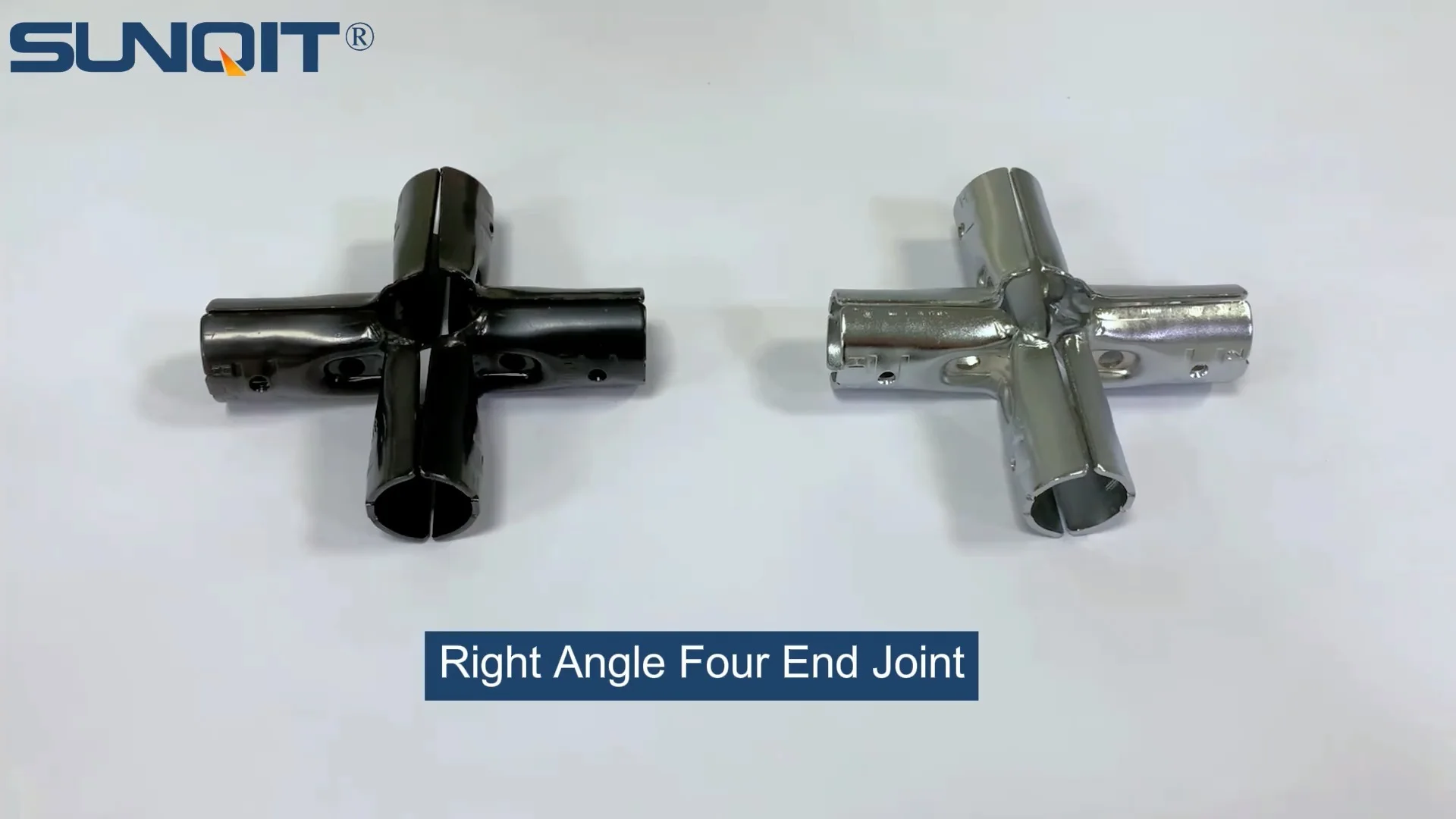
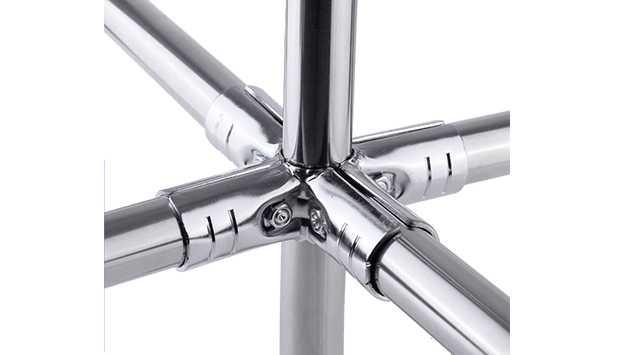
Five way straight lean pipe joint, for 5 pcs 28mm lean pipe connect in straight angle,which used widely in workbench, flow rack, hand trolley frame connection.
The Unsung Hero of Lean Manufacturing: Why Small Components Matter
Walk into any thriving manufacturing facility, and your eyes might first be drawn to the massive assembly robots, the whirring conveyor belts, or the rows of shiny machinery. But if you look closer—past the noise and the motion—you'll notice the quiet backbone holding it all together: the lean pipe systems. These modular, flexible structures form workbenches, flow racks, material carts, and assembly lines, adapting to the ever-changing needs of modern production. And at the heart of these systems? The connectors. Specifically, the five way straight lean pipe joint chrome —a small but mighty component that's easy to overlook, yet critical to keeping operations running smoothly, especially when temperatures spike or plummet.
In lean manufacturing, every second counts. Downtime from a broken joint, a seized connection, or a component that warps under heat can throw off production schedules, inflate costs, and erode the efficiency that lean systems are built to deliver. That's why choosing the right joint isn't just about picking a part off a shelf—it's about investing in durability, versatility, and resilience. And when it comes to withstanding the harsh conditions of industrial environments, few joints measure up to the five way straight lean pipe joint chrome.
What Is the Five Way Straight Lean Pipe Joint Chrome?
Let's start with the basics. A lean pipe joint is the "glue" that holds lean pipe systems together. These joints connect metal pipes (often steel, aluminum, or stainless steel) to form structures like workbenches, trolleys, or flow racks. The "five way straight" design is unique: it allows five pipes to connect in a straight, linear configuration, making it ideal for building long, stable frameworks or branching structures that need to support multiple directions of material flow.
But what sets the "chrome" version apart? Unlike standard plastic or uncoated steel joints, this joint features a chrome-plated finish. Chrome plating involves depositing a thin layer of chromium onto the joint's surface, typically over a steel base. This process isn't just for aesthetics (though the sleek, silver finish does look professional); it adds a hard, protective barrier that boosts the joint's performance in several key areas: corrosion resistance, scratch resistance, and—crucially for many industries—temperature resistance.
Think of it as a suit of armor for your lean system's joints. In environments where moisture, chemicals, or extreme temperatures are common, that armor becomes indispensable.
Temperature Resistance: Why It's a Game-Changer in Industrial Settings
Most people don't think about temperature when they look at a pipe joint, but in industrial settings, it's often the difference between a joint that lasts for years and one that fails in months. Let's break down why temperature resistance matters—and how the five way straight lean pipe joint chrome delivers it.
The Challenges of Extreme Temperatures
Industrial facilities are rarely climate-controlled utopias. Consider these scenarios:
- Near ovens or heat treaters: In automotive or aerospace plants, components might pass through high-temperature curing ovens. The workbenches or roller tracks adjacent to these ovens can see ambient temperatures rise to 60°C (140°F) or higher.
- Cold storage or refrigerated warehouses: Food processing or pharmaceutical facilities often have areas kept at sub-zero temperatures (-10°C to -20°C / 14°F to -4°F). Joints here need to resist brittleness from the cold.
- Friction and mechanical heat: On roller tracks or conveyor systems, moving parts generate friction. Over time, this can cause localized heating at the joints, especially if materials are heavy or move at high speeds.
- Washdown areas: In food or beverage plants, daily cleaning with hot water or steam (often 80°C / 176°F or more) exposes joints to sudden temperature spikes and moisture.
How Chrome Plating Handles the Heat (and Cold)
Chrome is naturally heat-resistant. Chromium has a melting point of 1,907°C (3,465°F)—far higher than any temperature a typical industrial environment would reach. While the joint's steel core might start to weaken at extreme temperatures, the chrome plating itself remains stable, preventing oxidation (rust) and maintaining structural integrity. In cold environments, chrome doesn't become brittle like some plastics or even uncoated steel, which can crack under thermal stress.
Testing has shown that the five way straight lean pipe joint chrome can reliably operate in temperatures ranging from -20°C (-4°F) to 120°C (248°F)—a range that covers 95% of industrial applications. Compare that to standard plastic joints, which can warp at 60°C (140°F) or become brittle in the cold, or uncoated steel joints, which rust when moisture mixes with temperature fluctuations. The chrome finish acts as a shield, keeping the joint's internal structure intact even when the environment gets harsh.

Industrial Applications: Where the Five Way Chrome Joint Shines
Now that we understand why the five way straight lean pipe joint chrome is temperature-resistant, let's explore where it's most useful. This joint isn't a one-trick pony—it's versatile enough to enhance performance across multiple industrial setups. Here are four key applications where it stands out:
1. High-Temperature Assembly Lines
In automotive manufacturing, for example, engine components are often assembled near heat sources like welding stations or paint curing booths. The workbenches holding these components need to stay stable, even as temperatures rise. A five way straight lean pipe joint chrome here ensures that the workbench frame doesn't warp or loosen over time. The chrome finish also resists the oil, grease, and coolants that often splash onto these workbenches, preventing corrosion that could weaken the joint.
2. Roller Tracks in Food Processing
Roller tracks are essential for moving products smoothly through packaging or processing lines. In food plants, these tracks are often near ovens (for baking) or freezers (for frozen foods). The five way chrome joint is ideal here because it can handle both the heat from ovens and the cold from freezers without degrading. Plus, chrome is easy to clean—important for meeting strict food safety standards. Unlike plastic joints, which can harbor bacteria in scratches, the smooth chrome surface wipes clean with disinfectants or steam, reducing contamination risks.
3. ESD Workstations in Electronics Manufacturing
Electronics assembly requires static control (ESD protection) to prevent damage to sensitive components like circuit boards. While ESD workbenches often use specialized materials, their underlying structure still needs to be durable. Many electronics plants also have temperature-controlled cleanrooms, but even small fluctuations can affect joint performance. The five way chrome joint's stability ensures the workstation frame remains rigid, while its corrosion resistance protects against the humidity sometimes used in cleanrooms to reduce static buildup.
4. Heavy-Duty Material Racks in Warehousing
Warehouses storing metal parts, machinery, or automotive components often use heavy-duty material racks built with lean pipe systems. These racks need to support hundreds of pounds of weight, and their joints take the brunt of that load. In outdoor or unheated warehouses, temperature swings between day and night can cause metal to expand and contract. The five way chrome joint's chrome plating helps maintain a tight fit, even as the steel core expands or contracts, preventing the rack from wobbling or collapsing under load.
How It Compares: Five Way Chrome Joint vs. Other Joint Types
To truly appreciate the five way straight lean pipe joint chrome, it helps to see how it stacks up against common alternatives. Let's compare it to three other joint types: standard plastic joints, uncoated steel joints, and stainless steel joints.
| Feature | Five Way Straight Lean Pipe Joint Chrome | Standard Plastic Joint | Uncoated Steel Joint | Stainless Steel Joint |
|---|---|---|---|---|
| Temperature Range | -20°C to 120°C (-4°F to 248°F) | -5°C to 60°C (23°F to 140°F) (prone to warping/cracking outside this range) | -10°C to 80°C (14°F to 176°F) (rusts in moisture/high temps) | -20°C to 150°C (-4°F to 302°F) (excellent, but higher cost) |
| Corrosion Resistance | High (chrome plating prevents rust) | High (plastic resists moisture, but scratches trap bacteria) | Low (prone to rust in humid/damp environments) | Very High (naturally corrosion-resistant) |
| Load Capacity | High (steel core with chrome plating; up to 200kg per joint) | Low to Medium (best for light loads; ~50kg per joint) | High (similar to chrome, but weakened by rust over time) | Very High (strongest, but heaviest and most expensive) |
| Cost | Moderate (more than plastic/uncoated steel, less than stainless steel) | Low (affordable, but frequent replacement needed) | Low-Moderate (cheap upfront, but high long-term costs due to rust) | High (premium price for premium performance) |
| Best For | High-temperature areas, heavy loads, general industrial use | Light-duty, dry, room-temperature environments (e.g., offices, labs) | Short-term projects or dry, low-moisture settings | Extreme environments (chemical exposure, saltwater, medical cleanrooms) |
As the table shows, the five way straight lean pipe joint chrome hits a sweet spot: it offers most of the durability of stainless steel at a lower cost, outperforms plastic and uncoated steel in harsh conditions, and is versatile enough for 90% of industrial applications. For manufacturers looking to balance performance and budget, it's often the best choice.
Installation and Maintenance: Keeping Your Chrome Joints in Top Shape
Even the toughest components need a little care to perform their best. Here's how to install and maintain five way straight lean pipe joint chrome joints to maximize their lifespan:
Installation Tips
- Clean the pipes first: Before connecting, wipe the ends of the lean pipes with a dry cloth to remove dust, grease, or debris. This ensures a tight fit between the pipe and joint.
- Hand-tighten, then secure with a wrench: Start by screwing the joint onto the pipes by hand to avoid cross-threading. Once snug, use a pipe wrench (with a cloth to protect the chrome finish) to tighten 1/4 turn more—just enough to ensure stability without over-tightening, which can crack the joint.
- Check alignment: The five way design is meant for straight connections, so ensure pipes are aligned before fully tightening. Misalignment can cause uneven stress on the joint, reducing its load capacity.
Maintenance Best Practices
- Regular cleaning: Wipe the joints with a damp cloth to remove dirt or grime. For greasy environments, use a mild detergent (avoid harsh chemicals like bleach, which can damage chrome).
- Inspect for damage: Every 3-6 months, check joints for signs of wear: cracks in the chrome plating, loose connections, or rust (though rust should be rare with chrome). replace any damaged joints immediately—even small cracks can grow under load.
- Lubricate moving parts (if applicable): Some five way joints have rotating components. A drop of machine oil on these parts (avoiding the chrome surface) can prevent friction-related heat buildup.
With proper installation and maintenance, a five way straight lean pipe joint chrome can last 5-7 years in heavy industrial use—far longer than plastic joints (which often need replacement every 1-2 years) or uncoated steel joints (which may rust through in 2-3 years in humid environments).
The Bottom Line: Investing in Reliability for Lean Systems
At the end of the day, the five way straight lean pipe joint chrome is more than just a connector—it's an investment in your lean system's reliability. In a world where manufacturing margins are tight and downtime is costly, choosing components that can withstand temperature extremes, resist corrosion, and handle heavy loads isn't a luxury; it's a necessity.
Whether you're building a new workbench near a heat-treating station, upgrading roller tracks in a cold storage facility, or designing a flexible assembly line that needs to adapt to changing products, this joint delivers the performance and peace of mind you need. It's a small part, but it plays a big role in keeping your operations lean, efficient, and ready for whatever the industrial environment throws at it.
So the next time you're planning a lean system upgrade, don't overlook the joints. Choose the five way straight lean pipe joint chrome—and build a foundation that lasts.