- Company Articles
- Products and Technology
- Product knowledge
- Five Way Straight Lean Pipe Joint Chrome vs. Plastic Joints: Industrial Strength Comparison

Five Way Straight Lean Pipe Joint Chrome vs. Plastic Joints: Industrial Strength Comparison
Related Product
Five Way Straight Lean Pipe Joint Chrome
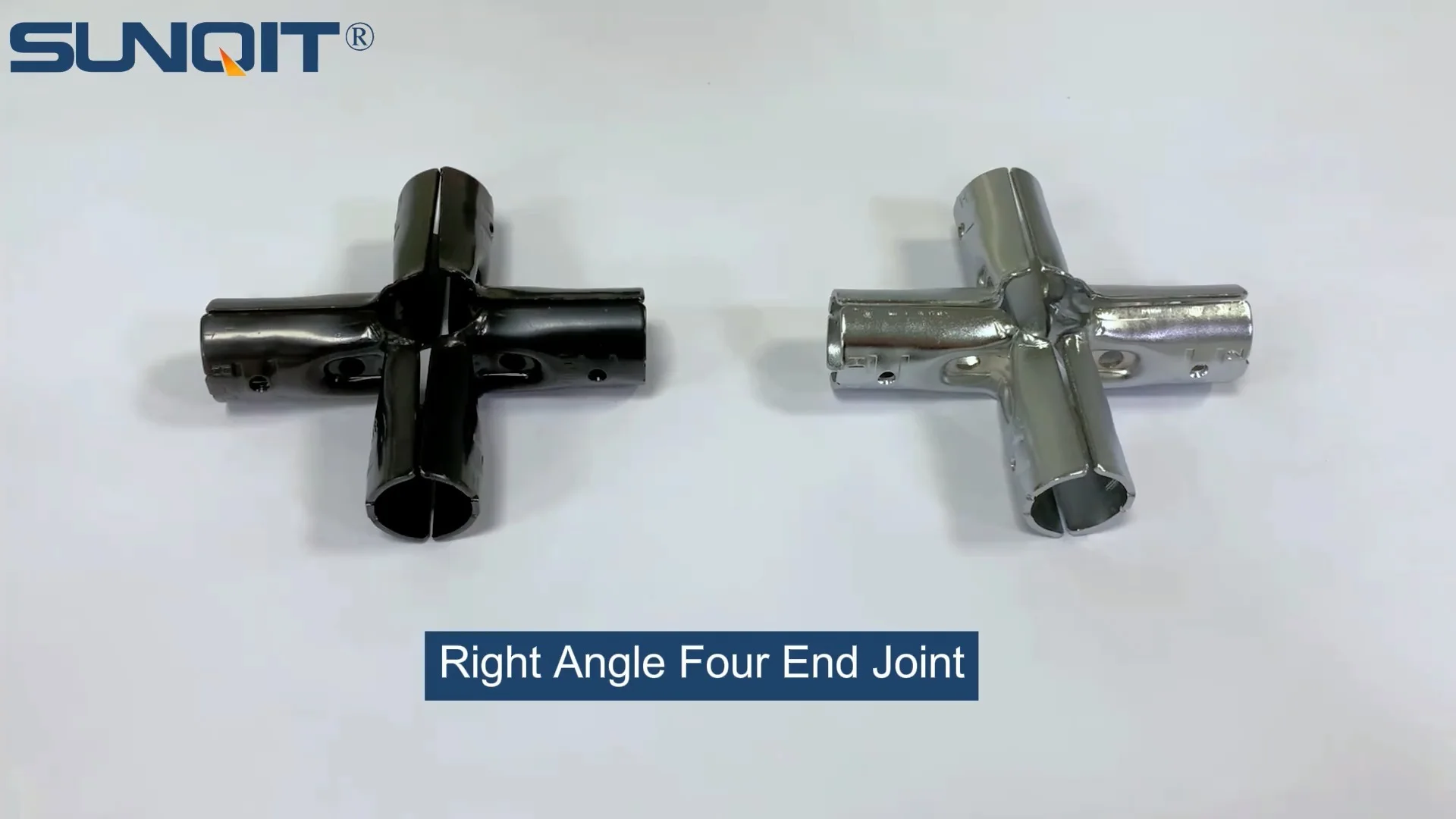
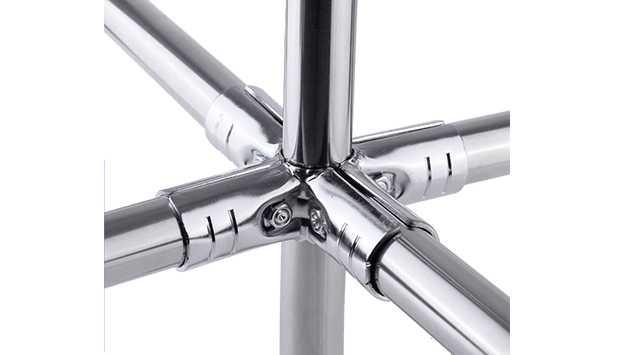
Five way straight lean pipe joint, for 5 pcs 28mm lean pipe connect in straight angle,which used widely in workbench, flow rack, hand trolley frame connection.
In the dynamic landscape of manufacturing and industrial operations, the efficiency of a workspace hinges on its ability to adapt, endure, and evolve with daily demands. Lean systems have redefined workflow design by prioritizing waste reduction, flexibility, and continuous improvement. At the core of these systems lie lean pipe joints—small yet critical components that hold together structures like lean pipe workbenches, flow racks, and material handling setups. Today, we explore a critical comparison between two industry staples: the Five Way Straight Lean Pipe Joint Chrome and plastic joints. By examining their strengths, weaknesses, and real-world applications, you'll gain clarity on which option best aligns with your operational needs, whether constructing a rugged assembly line or a lightweight lab workstation.
Understanding Lean Pipe Joints: The Backbone of Lean Systems
Before diving into the chrome vs. plastic debate, it's essential to recognize the role these joints play in lean systems. Lean pipe joints are the connectors that transform simple pipes into functional, modular structures—think of them as the "connective tissue" that enables the flexibility lean systems are known for. From assembling a basic workbench to creating intricate flow racks, the right joint ensures structural stability, longevity, and adaptability. The market offers diverse materials, but chrome-plated steel and plastic stand out as primary contenders, each with distinct advantages tailored to specific industrial scenarios.
The Five Way Straight Lean Pipe Joint Chrome: Engineering for Durability
When industrial strength and reliability are non-negotiable, the Five Way Straight Lean Pipe Joint Chrome emerges as a top-tier choice. Crafted from high-grade steel with a chrome-plated finish, this joint is engineered to withstand the rigors of heavy-duty environments—from constant vibration in manufacturing plants to exposure to oils, chemicals, and humidity. Let's unpack its defining features.
Material Excellence: Chrome-Plated Steel for Longevity
The chrome joint's durability starts with its construction. Unlike plastic alternatives, it features a solid steel core, renowned for tensile strength and resistance to deformation. The chrome plating adds a protective layer, enhancing corrosion resistance—a critical advantage in humid or chemical-intensive settings like automotive workshops or food processing facilities. This combination ensures the joint resists rust and degradation, outperforming both uncoated metal and plastic in harsh conditions.
Five-Way Design: Versatility in Configuration
The five-way connection design is a game-changer for complex structures. With five ports (vertical, horizontal, and straight), it enables multi-directional pipe branching, reducing the need for multiple connectors and simplifying assembly. Imagine building a lean pipe workbench with integrated tool storage, overhead shelving, and a side-mounted flow rack—all achievable with minimal joints. This versatility is invaluable for custom configurations, allowing teams to tailor workspaces to unique workflows without compromising structural integrity.
Superior Load Capacity: Built for Heavy-Duty Use
In industrial settings, load capacity directly impacts safety and efficiency. The chrome joint excels here, supporting significantly more weight than plastic counterparts. Its steel construction handles hundreds of pounds without bending, making it ideal for assembly lines with heavy components, warehouses storing bulk materials, or production cells with constant tool and part movement. When paired with stainless steel pipe series or aluminum profile systems, it creates structures that maintain stability even under repeated stress.
Precision Fit: Minimizing Vibration and Wear
Loose or wobbly connections can disrupt workflows and compromise safety. The chrome joint's precision engineering—tight tolerances and threaded connections—ensures a snug, rattle-free fit. This stability reduces vibration, keeping materials steady on roller tracks and tools secure on workbenches. Unlike plastic joints, which often rely on friction-fit designs prone to loosening over time, chrome joints maintain their integrity, minimizing maintenance and readjustment needs.
Plastic Joints: Lightweight and Cost-Effective Alternatives
Plastic joints have carved a niche in industries prioritizing cost, weight, and ease of use over heavy-duty performance. Made from materials like reinforced nylon or polypropylene, they offer unique benefits for specific applications, though with notable limitations.
Affordability and Lightweight Design
Plastic joints shine in cost-sensitive environments. Their lower production costs make them ideal for startups, small businesses, or temporary projects. Their lightweight nature reduces shipping expenses and simplifies on-site assembly, requiring minimal tools or labor. For short-term setups—such as pop-up production lines or event displays—plastic joints offer a budget-friendly solution without sacrificing basic functionality.
Corrosion Resistance and Non-Conductivity
Plastic's inherent corrosion resistance suits environments with moisture or mild chemicals, such as pharmaceutical labs or packaging facilities. Additionally, its non-conductive properties make it suitable for electronics manufacturing or cleanrooms, where static electricity could damage sensitive components. These traits position plastic joints as a specialized solution for low-load, controlled environments.
Limitations: Load Capacity and Durability
Despite their advantages, plastic joints have critical drawbacks. Their load capacity is significantly lower than chrome—typically supporting 50–150 lbs compared to the chrome joint's 200–500 lbs. They also lack temperature resistance, warping in high heat or becoming brittle in cold conditions. Over time, friction and repeated use degrade plastic connections, leading to loosening and structural instability—risks that increase in high-vibration industrial settings.

Head-to-Head Comparison: Chrome vs. Plastic Joints
| Feature | Five Way Straight Lean Pipe Joint Chrome | Plastic Joints |
|---|---|---|
| Material | Chrome-plated steel (solid steel core with corrosion-resistant finish) | Reinforced nylon, polypropylene, or plastic blends |
| Load Capacity | 200–500 lbs (ideal for heavy tools, bulk materials) | 50–150 lbs (suitable for light components, small parts) |
| Corrosion Resistance | Excellent (resists rust, chemicals, and humidity) | Good (resists moisture; limited chemical tolerance) |
| Temperature Range | -40°F to 300°F (-40°C to 149°C) | 32°F to 120°F (0°C to 49°C) (prone to warping/brittleness outside this range) |
| Installation | Requires tools (threaded connections for secure fit) | Tool-free (snap/friction fit for quick assembly) |
| Lifespan | 10+ years (minimal wear with proper maintenance) | 2–5 years (prone to degradation from friction/UV exposure) |
| Best For | Heavy manufacturing, automotive, aerospace, high-load workbenches | Light assembly, labs, cleanrooms, temporary setups, low-volume operations |
Real-World Applications: Where Each Joint Excels
Chrome Joints: Industrial Workhorses
Chrome joints dominate in high-stress environments. In automotive plants, they anchor assembly line workbenches supporting heavy tools and engine components, ensuring stability despite constant vibration. In aerospace facilities, their precision fit maintains alignment in flow racks, critical for delicate part handling. Food processing plants rely on their corrosion resistance to withstand daily washdowns with sanitizing chemicals, while warehouses benefit from their load capacity for storing bulk materials on multi-tier racks.
Plastic Joints: Lightweight Specialists
Plastic joints thrive in low-load, flexible settings. Small electronics repair shops use them to build reconfigurable workbenches, adjusting shelving to fit varying device sizes. Educational institutions teaching lean principles favor them for student projects, as they're affordable and forgiving of assembly errors. Cleanrooms in semiconductor manufacturing utilize their non-conductive properties to prevent static damage, while trade show booths leverage their lightweight design for easy setup and teardown.
Cost-Benefit Analysis: Short-Term Savings vs. Long-Term Value
While plastic joints offer lower upfront costs (typically 30–50% cheaper than chrome), their shorter lifespan and maintenance needs often lead to higher long-term expenses. For example, a lean pipe workbench using 50 plastic joints may cost $350 initially, but requiring replacement every 3 years adds up to $700 over a decade. In contrast, 50 chrome joints ($750 upfront) last 10+ years with minimal upkeep, proving more economical over time. For industrial operations where downtime and safety are critical, chrome joints deliver superior value by reducing replacements and preventing structural failures.
Conclusion: Choosing the Right Joint for Your Lean System
The Five Way Straight Lean Pipe Joint Chrome and plastic joints serve distinct purposes in industrial settings. Chrome joints excel in heavy-duty, high-load, and harsh environments, offering durability, precision, and long-term reliability—ideal for manufacturing plants, warehouses, and facilities prioritizing safety and efficiency. Plastic joints, meanwhile, suit lightweight, low-volume, or temporary applications where cost and flexibility are key, such as small workshops, labs, or educational settings.
When selecting between them, consider your operational demands: load requirements, environmental conditions, reconfiguration frequency, and lifespan expectations. For most industrial operations, chrome joints represent a wise investment, ensuring your lean system remains robust, adaptable, and productive for years to come. After all, in the world of lean manufacturing, the right joint isn't just a component—it's the foundation of operational excellence.