- Company Articles
- Products and Technology
- Product knowledge
- Five Way Straight Lean Pipe Joint Surface Treatment: Anodized Aluminum Benefits

Five Way Straight Lean Pipe Joint Surface Treatment: Anodized Aluminum Benefits
Related Product
Five Way Straight Lean Pipe Joint
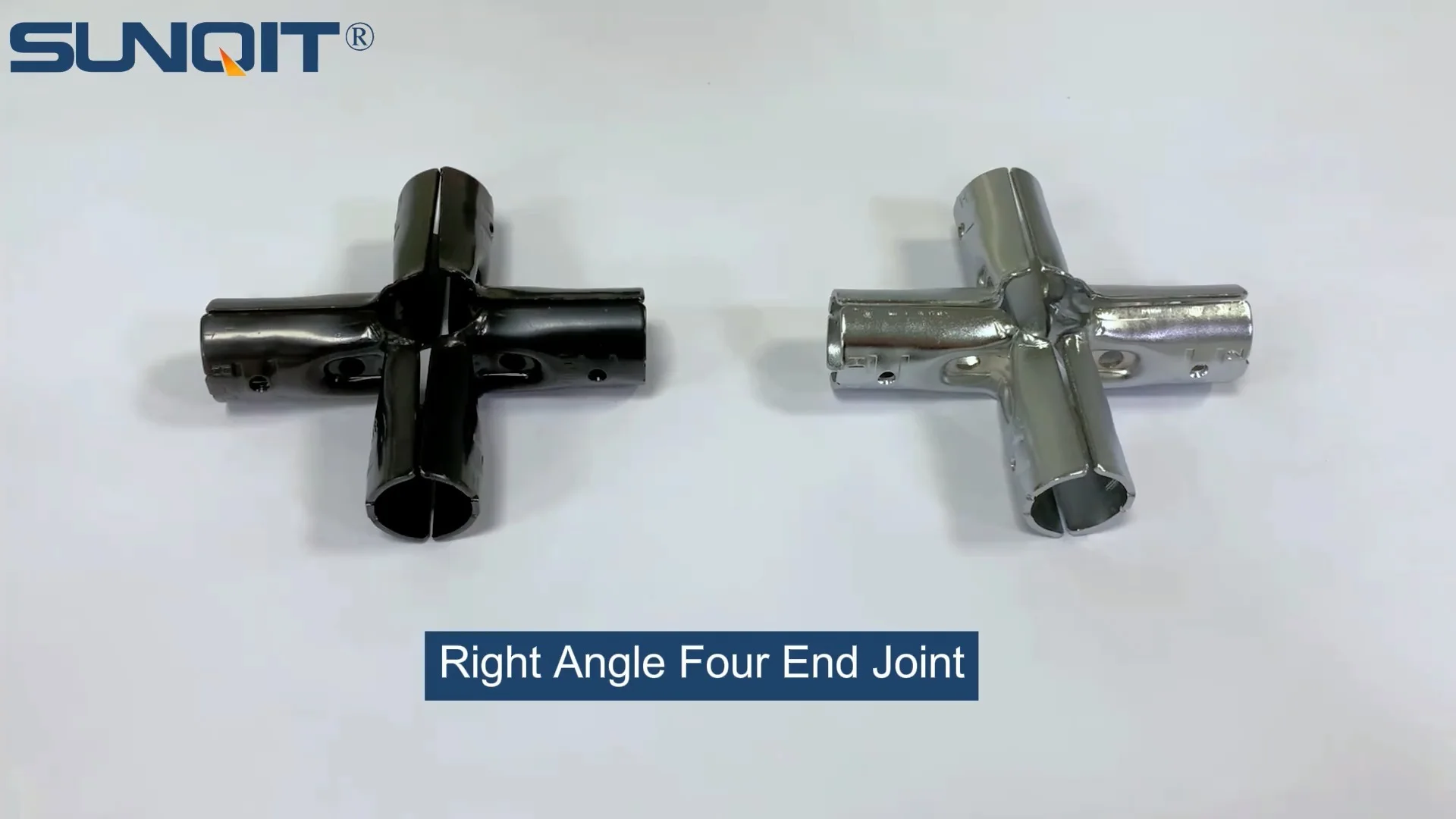
Five way straight lean pipe joint, for 5 pcs 28mm lean pipe connect in straight angle,which used widely in workbench, flow rack, hand trolley frame connection.
The Unsung Hero of Lean Manufacturing: The Five-Way Straight Lean Pipe Joint
In the world of lean manufacturing, where every second counts and efficiency is king, we often focus on big-picture processes—streamlining workflows, reducing waste, optimizing labor. But what about the small parts that hold it all together? Take, for example, the five-way straight lean pipe joint. It's not flashy, it rarely gets a spotlight in factory tours, yet this unassuming component is the backbone of flexible workbenches, flow racks, material trolleys, and entire lean systems. Without it, the adaptability that makes lean manufacturing so powerful would crumble.
Imagine a busy electronics assembly line: workbenches need to be reconfigured for a new product, flow racks adjusted to accommodate larger components, and trolleys modified to carry heavier loads. Each of these changes relies on the ability to quickly, securely connect pipes in multiple directions. That's where the five-way straight lean pipe joint shines. Designed to link five pipes at once—whether in straight lines, right angles, or diagonal configurations—it's the Swiss Army knife of lean system assembly. But here's the catch: not all five-way joints are created equal. The material and surface treatment of this small part can make or break the durability, safety, and long-term cost-effectiveness of your entire setup.
Today, we're zeroing in on one material and treatment combination that's revolutionizing how manufacturers build and maintain their lean systems: anodized aluminum. Why aluminum? Why anodization? And how does this choice impact everything from your factory floor's daily operations to your bottom line? Let's dive in.
Understanding the Five-Way Straight Lean Pipe Joint: Design and Function
First, let's get to know the star of the show. The five-way straight lean pipe joint is a connecting component engineered to join five lean pipes (or aluminum extrusion profiles) in a single, sturdy node. Unlike simpler two-way or three-way joints, its design allows for multi-directional builds—think of it as the central hub of a spider's web, where each pipe extends outward to support shelves, work surfaces, or guide rails. This versatility is why it's indispensable in dynamic environments where layouts change frequently.
Traditionally, lean pipe joints were made of steel with chrome plating, or even plastic for lighter applications. But as manufacturers demand more from their equipment—lighter weight, better corrosion resistance, and a cleaner aesthetic—aluminum has emerged as the material of choice. Aluminum extrusion profiles, known for their strength-to-weight ratio, pair perfectly with aluminum joints, creating systems that are both robust and easy to maneuver. And when that aluminum joint undergoes anodization? The result is a component that doesn't just connect pipes—it elevates the entire lean system.

Surface Treatments for Aluminum Lean Pipe Joints: Why Anodization Stands Out
Aluminum is naturally a great material for lean pipe joints: it's lightweight, non-magnetic, and conducts heat well (useful in temperature-sensitive environments like electronics manufacturing). But raw aluminum has a weakness: it's reactive. When exposed to air, it forms a thin oxide layer, which offers some protection, but not enough to withstand the wear and tear of a busy factory. That's where surface treatments come in. The goal? Enhance aluminum's natural properties while adding durability, corrosion resistance, and even aesthetic appeal.
Common surface treatments for aluminum joints include powder coating, painting, chrome plating, and anodization. Each has its pros and cons, but anodization has quickly become the gold standard for lean system suppliers and manufacturers alike. Here's why:
What Is Anodization, Anyway?
Anodization is an electrolytic process that converts the surface of aluminum into a thick, porous oxide layer. Here's how it works in simple terms: the aluminum joint is submerged in an electrolyte bath (usually sulfuric acid) and acts as the anode in an electrical circuit. When an electric current is applied, oxygen ions from the electrolyte combine with aluminum atoms on the surface, forming aluminum oxide (Al₂O₃). This oxide layer is not just a coating—it's integrated into the metal itself, making it impossible to chip or peel off (unlike paint or powder coating, which sit on top).
After anodization, the porous oxide layer can be sealed (with hot water or specialized sealants) to close the pores, creating a smooth, non-porous surface. The result? A joint that's harder, more corrosion-resistant, and more durable than untreated aluminum—with a sleek, uniform finish that lasts for years.

The Top Benefits of Anodized Aluminum Five-Way Joints
Now, let's break down the specific advantages of choosing anodized aluminum for your five-way straight lean pipe joints. From daily wear and tear to long-term cost savings, these benefits add up to a smarter, more reliable lean system.
1. Unmatched Durability: Scratch and Wear Resistance
Factory floors are tough places. Pipes get bumped by trolleys, tools are dropped on workbenches, and joints are tightened and loosened repeatedly during reconfigurations. Raw aluminum scratches easily, and those scratches aren't just cosmetic—they create weak points where corrosion can start. Anodized aluminum changes the game. The anodized oxide layer is significantly harder than the base aluminum (up to 30% harder, depending on the treatment). This means your five-way joints can withstand daily abrasion, accidental impacts, and frequent adjustments without showing signs of wear.
Consider this: a non-anodized aluminum joint might start to look scuffed after a month of heavy use, with visible scratches that catch on gloves or materials. An anodized joint? After six months, it still looks new. This durability translates to fewer replacements, less downtime, and a more professional appearance on the factory floor.
2. Superior Corrosion Resistance: Perfect for Harsh Environments
Humidity, chemicals, oils, and even sweat from workers' hands—these are the silent enemies of metal components. In industries like automotive manufacturing, where lubricants and coolants are everywhere, or coastal factories with salty air, corrosion is a constant threat. Untreated aluminum will corrode over time, weakening joints and putting your entire structure at risk. Chrome-plated steel joints, while corrosion-resistant, are heavy and prone to chipping (once the chrome layer cracks, rust sets in quickly).
Anodized aluminum, however, creates a barrier that's impervious to most common industrial chemicals and moisture. The sealed oxide layer acts like a suit of armor, preventing water, salts, and oils from reaching the base metal. In fact, anodized aluminum is so corrosion-resistant that it's used in marine environments and medical equipment—settings where hygiene and longevity are non-negotiable. For lean system suppliers and manufacturers, this means fewer unexpected failures, safer workspaces, and systems that last 3-5 times longer than those with untreated or poorly treated joints.
3. Low Maintenance: Spend Less Time Cleaning, More Time Producing
In lean manufacturing, "maintenance waste" is one of the seven wastes to eliminate. Time spent scrubbing rust off joints, repainting chipped surfaces, or replacing corroded components is time taken away from production. Anodized aluminum five-way joints are practically maintenance-free. Their smooth, non-porous surface doesn't trap dirt, oil, or grime—so a quick wipe with a damp cloth is all it takes to keep them clean. Unlike painted joints, which fade or chip and require touch-ups, anodized finishes retain their color and luster indefinitely.
Take ESD workbenches, for example. In electronics manufacturing, static control is critical, and a dirty or corroded joint could disrupt ESD protection. Anodized aluminum joints stay clean, ensuring consistent static dissipation and reducing the risk of costly component damage. For busy facility managers, this low-maintenance feature alone makes anodized aluminum worth the investment.
4. Aesthetic Appeal: Sleek, Professional, and Brand-Aligned
Let's not overlook the power of appearance. A clean, well-maintained factory floor isn't just about pride—it boosts morale, impresses clients, and even enhances safety (cluttered or worn-out equipment is more likely to hide hazards). Anodized aluminum has a distinct, modern look: a smooth, matte or semi-gloss finish that's available in a range of colors (though clear, silver, and black are most common in industrial settings). Unlike chrome plating, which can look dated or overly shiny, anodized aluminum offers a subtle, professional aesthetic that fits seamlessly into contemporary manufacturing environments.
What's more, the color is integrated into the oxide layer, not just applied on top. That means it won't fade from UV exposure or wear off with cleaning. So whether you're building a customer-facing demo line or a back-of-house production area, anodized five-way joints keep your lean system looking sharp for years.
5. Environmental Sustainability: Aligning with Green Manufacturing Goals
Sustainability is no longer a buzzword—it's a business imperative. Lean manufacturing and sustainability go hand in hand, as both focus on reducing waste and maximizing efficiency. Anodized aluminum checks the sustainability box in multiple ways. First, aluminum is 100% recyclable, with no loss of quality during recycling. Second, the anodization process itself is environmentally friendly: it uses water-based electrolytes, produces no volatile organic compounds (VOCs), and generates minimal waste. Compare that to powder coating, which often involves harsh chemicals, or chrome plating, which uses toxic heavy metals.
For manufacturers aiming to reduce their carbon footprint or meet green certification standards (like ISO 14001), choosing anodized aluminum five-way joints is a tangible step forward. It's a small choice that aligns with larger sustainability goals—and sends a message to employees, clients, and stakeholders that your commitment to lean principles extends to the planet.

Anodized Aluminum vs. Other Surface Treatments: A Comparison
Still on the fence? Let's put anodized aluminum head-to-head with other common surface treatments for five-way lean pipe joints. The table below breaks down key factors like durability, cost, and maintenance to help you see why anodization comes out on top.
| Surface Treatment | Durability (Scratch/Wear Resistance) | Corrosion Resistance | Maintenance Needs | Environmental Impact | Upfront Cost | Lifecycle Cost |
|---|---|---|---|---|---|---|
| Anodized Aluminum | High (30% harder than raw aluminum) | Excellent (sealed oxide layer resists chemicals, moisture) | Low (wipe clean with damp cloth; no touch-ups needed) | Low (recyclable, water-based process, no VOCs) | Moderate (higher than raw aluminum, lower than chrome) | Low (fewer replacements, minimal maintenance) |
| Chrome-Plated Steel | High (but prone to chipping) | Good (but rusts if plating cracks) | Moderate (requires polishing; rust removal if chipped) | High (uses toxic chemicals; non-recyclable plating) | High (expensive plating process) | High (heavy, prone to corrosion over time) |
| Powder-Coated Aluminum | Moderate (prone to scratching/chipping) | Good (but coating can peel, exposing aluminum) | High (touch-ups needed for chips; color fades over time) | Moderate (some VOCs; recyclable aluminum but coating is waste) | Low-Moderate | Moderate-High (frequent repainting; replacements for peeling) |
| Untreated Aluminum | Low (easily scratched) | Poor (natural oxide layer offers minimal protection) | High (prone to staining; requires frequent cleaning) | Low (recyclable) | Low | High (short lifespan; frequent replacements) |
The data speaks for itself: while anodized aluminum has a slightly higher upfront cost than untreated or powder-coated options, its lifecycle cost is significantly lower. When you factor in fewer replacements, minimal maintenance, and durability, it's clear that anodization is the most cost-effective choice in the long run.
Real-World Applications: Where Anodized Five-Way Joints Shine
To truly appreciate the value of anodized aluminum five-way joints, let's look at how they perform in real manufacturing settings. Here are a few industries where this combination is making a difference:
Electronics Manufacturing: Cleanrooms and ESD Workbenches
In electronics production, precision and cleanliness are non-negotiable. Anodized aluminum joints are ideal for ESD workbenches and flow racks, where corrosion resistance and low maintenance are critical. The smooth surface won't trap dust or static, ensuring components stay clean and safe. Plus, the lightweight nature of aluminum makes reconfiguring workstations quick and easy—no heavy lifting required.
Automotive: High-Traffic, Heavy-Duty Environments
Automotive factories are bustling with activity: forklifts, robotic arms, and workers moving materials around the clock. Anodized five-way joints stand up to the constant vibration and impacts, while their corrosion resistance protects against oils, coolants, and degreasers. Whether used in assembly line workbenches or material trolleys, they keep operations running smoothly with minimal downtime.
Food Processing: Hygiene and Corrosion Resistance
Food processing facilities demand strict hygiene standards and resistance to water, cleaning chemicals, and food acids. Anodized aluminum joints are non-porous, easy to sanitize, and won't leach chemicals into food products. They're also lightweight enough to allow frequent reconfiguration of processing lines, a must in an industry with ever-changing product lines.
Choosing the Right Partner: Why a Reliable Lean System Supplier Matters
Anodized aluminum five-way joints offer clear benefits, but their quality depends entirely on the supplier. Not all lean system suppliers use the same anodization processes or source the same high-grade aluminum extrusion profiles. To ensure you're getting the best value, look for a supplier who:
- Uses high-purity aluminum: Impurities in aluminum can weaken the anodized layer, leading to premature failure.
- Controls the anodization process in-house: Suppliers with their own anodization facilities can ensure consistency in layer thickness (typically 5-20 microns for industrial use) and sealing quality.
- Offers compatible accessories: The best lean system suppliers provide aluminum profile accessories—like end caps, connectors, and brackets—that are designed to work seamlessly with anodized joints, ensuring a perfect fit and maximum strength.
- Provides testing and certifications: Ask for salt spray test results (an industry standard for corrosion resistance) or ISO certifications to verify durability claims.
Remember, a cheap joint might save you money today, but if it fails in six months, the cost of replacement, downtime, and potential safety risks will far outweigh the savings. Investing in a quality anodized aluminum five-way joint from a trusted supplier is an investment in your lean system's reliability and your company's success.
Conclusion: Small Part, Big Impact
The five-way straight lean pipe joint may be small, but its role in lean manufacturing is enormous. It's the quiet force that enables flexibility, the unsung hero that keeps your systems adaptable, and the foundation of a productive, efficient factory floor. And when that joint is made of anodized aluminum? It becomes more than a connector—it's a long-term asset that enhances durability, reduces maintenance, and aligns with sustainability goals.
In a world where every detail matters, choosing anodized aluminum for your five-way joints is a decision that pays dividends. It's about building a lean system that doesn't just work for today's needs, but evolves with tomorrow's challenges. So the next time you're reconfiguring your workbench or upgrading your flow rack, take a moment to appreciate the small part that holds it all together. With anodized aluminum, that small part will be holding strong for years to come.