- Company Articles
- Products and Technology
- Product knowledge
- Fixed vs. Flat Swivel Castor Wheels: Which Is Better for Workbench E?

Fixed vs. Flat Swivel Castor Wheels: Which Is Better for Workbench E?
Related Product
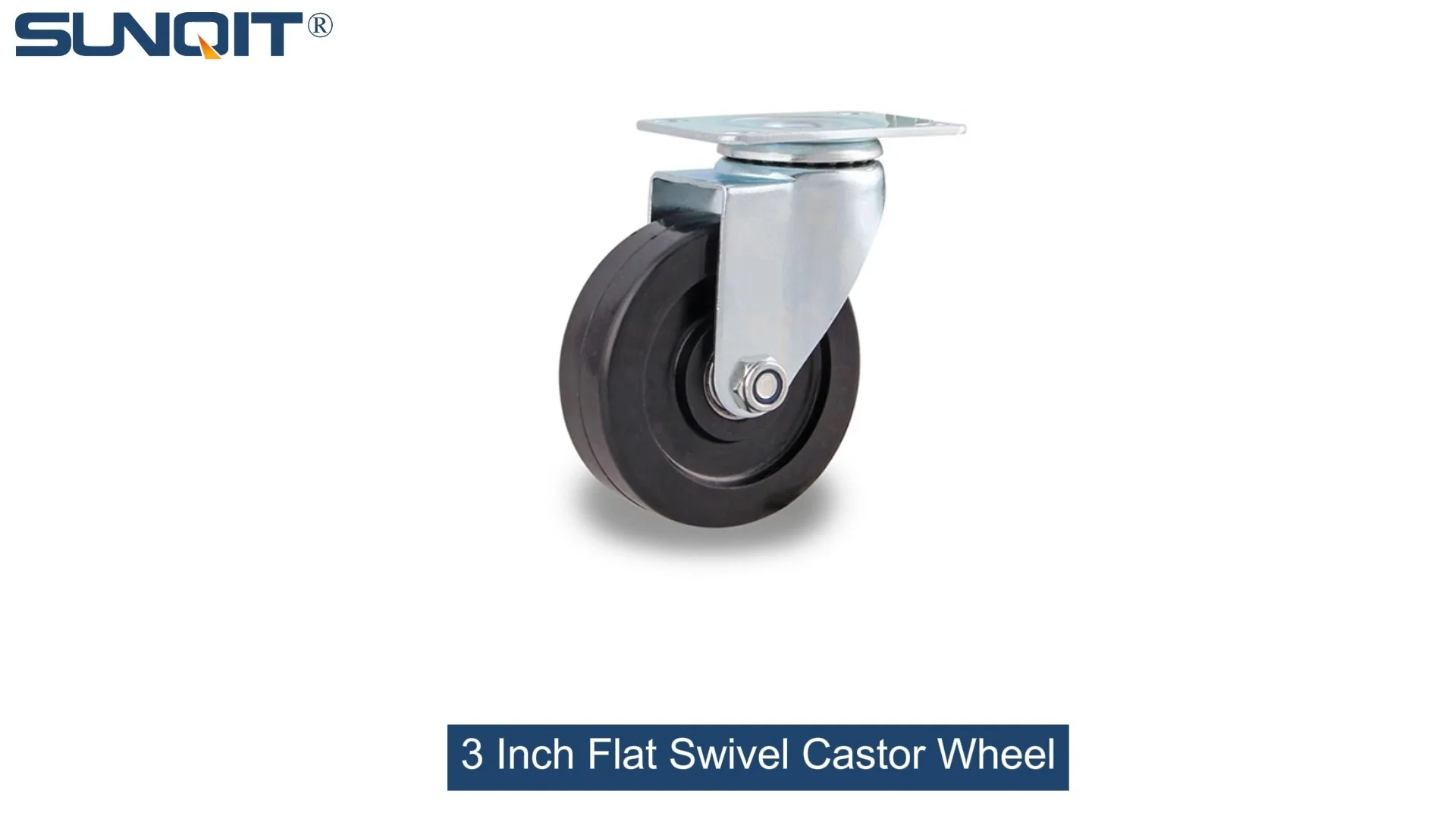
Flat Swivel Castor Wheel
Chair Casters Ball Bearing Wheels Rubber Base. Resistant to abrasion, impact and corrosion. Heavy payload can hold 70-90Kgs per pcs,which can make it works at a stable and smooth status.
Introduction: The Unsung Hero of Your Workspace – Workbench E
Walk into any workshop, factory floor, or even a home garage, and you'll likely spot a workbench standing tall, holding tools, parts, or ongoing projects. But not all workbenches are created equal. Today, let's talk about a specific star in the lean manufacturing world: Workbench E (single deck-without caster) . It's a no-frills, single-deck workbench designed for efficiency, but here's the catch – it doesn't come with wheels. That might sound like a minor detail, but when you're in the thick of a busy day, moving a heavy workbench across the floor can feel like pushing a boulder uphill.
That's where castor wheels come in. They're the unsung heroes that turn a stationary workbench into a mobile powerhouse. But not all castors are the same. Choose the wrong type, and you'll end up with a wobbly mess that's harder to maneuver than a shopping cart with a stuck wheel. Choose the right one, and your Workbench E becomes a flexible, time-saving tool that adapts to your workflow.
In this article, we're diving deep into two popular options: fixed castor wheels and flat swivel castor wheels. We'll break down how they work, their pros and cons, and most importantly, which one is the best fit for your Workbench E. Whether you're setting up a lean pipe workbench in a small electronics shop or a heavy-duty assembly line, by the end, you'll have all the info you need to make a choice that keeps your workspace running smoothly.
First Things First: What Exactly Is Workbench E?
Before we jump into castors, let's get to know Workbench E a little better. As the name suggests, it's a single-deck workbench – think of it as a sturdy tabletop supported by a frame, with no extra shelves or drawers cluttering the space. The "without caster" part is key here: it's designed to stay put unless you add wheels. But why would anyone want a stationary workbench in the first place? Well, in lean manufacturing, stability is often a priority. A fixed workbench won't shift when you're tightening bolts, assembling delicate parts, or using power tools, which reduces errors and keeps you safe.
But here's the thing: even in lean systems, flexibility matters. Maybe you need to reconfigure your workspace for a new project, or roll the workbench closer to a material rack when restocking parts. That's when adding castors transforms Workbench E from a static piece of furniture into a dynamic tool. And since it's part of the lean pipe workbench family, it's built to be customizable – meaning adding castors is not just possible, but encouraged as part of optimizing your workflow.
So, Workbench E is like a blank canvas. It's strong, simple, and ready to adapt. The question is: which type of castor wheel will help it reach its full potential?
Fixed Castor Wheels: The Reliable Workhorses
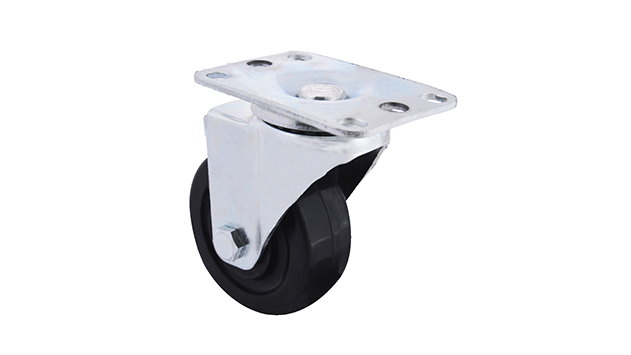
Let's start with fixed castor wheels. As the name implies, these wheels are fixed in direction – they only roll forward and backward, like the wheels on a shopping cart that can't turn. The design is straightforward: a wheel mounted on a rigid fork that's bolted or welded to the bottom of the workbench. No swiveling, no fancy mechanisms – just good old-fashioned linear movement.
How Do Fixed Castors Work?
Fixed castors are all about stability. The rigid fork keeps the wheel aligned in a straight line, so when you push the workbench, it moves exactly where you point it. There's no wobbling or veering off course, even if you're pushing it over uneven concrete or through a doorframe. This makes them ideal for situations where you need precision in movement – like rolling the workbench along a fixed path, say from a storage area to an assembly line.
Most fixed castors come with a simple, durable construction. The wheel itself is often made of rubber, polyurethane, or steel, depending on the load it needs to handle. The fork is usually steel or aluminum, built to withstand heavy weights without bending. And since there are fewer moving parts, they're less likely to break down over time – no swivel bearings to jam or wear out.
The Pros of Fixed Castor Wheels
- Stability First: If you've ever tried to push a swivel chair across a room and had it spin out of control, you know the value of stability. Fixed castors keep your Workbench E steady, even when you're applying force to the work surface. This is a big deal if you're working with heavy tools or delicate components – a wobbly workbench is a recipe for mistakes.
- Higher Load Capacity: Because they lack the complex swivel mechanism, fixed castors can often handle more weight. A typical fixed castor might support 500-800 pounds per wheel, whereas some swivel castors top out at 300-500 pounds. If your Workbench E is regularly loaded with heavy machinery parts or stacks of materials, fixed castors are the safer bet.
- Durability: With fewer moving parts, there's less to go wrong. No swivel joints to lubricate, no ball bearings to rust, no pins to snap. This makes fixed castors low-maintenance – perfect for busy workplaces where "out of sight, out of mind" is the norm (until something breaks, that is).
- Cost-Effective: Simpler design means lower production costs, which translates to a lower price tag. If you're on a tight budget and don't need fancy maneuverability, fixed castors give you reliable mobility without breaking the bank.
The Cons of Fixed Castor Wheels
- Limited Maneuverability: Here's the big downside: fixed castors only move forward and backward. Want to turn a corner? You'll need to push, pull, and pivot the entire workbench, which can be a workout if it's loaded down. In tight spaces – like a workshop with narrow aisles or multiple workbenches – this can be a major hassle. Imagine trying to squeeze Workbench E between two other benches; with fixed castors, you might have to unload it first, move it, then reload. Not exactly lean manufacturing at its finest.
- Not Great for Uneven Floors: While fixed castors are stable on flat ground, they can struggle on rough or uneven floors. If your workspace has cracks, bumps, or even just a slight slope, the rigid wheels might get stuck or cause the workbench to tilt. This is less of an issue with swivel castors, which can adjust to small irregularities more easily.
- One-Way Traffic: Fixed castors work best when you have a dedicated, straight path for the workbench. If your workflow requires frequent changes in direction – like moving from a testing station to a packaging area and back – you'll spend more time wrestling with the workbench than actually working.
Real-Life Example: The Heavy-Duty Assembly Shop
John runs a small shop that assembles industrial pumps. His Workbench E is loaded with a 300-pound drill press, various wrenches, and stacks of metal parts. He rarely needs to move the workbench more than 10 feet – just from the storage shelf to the assembly line and back. For John, fixed castors are perfect. They keep the workbench steady while he's drilling, can handle the heavy load, and he doesn't mind the occasional pivot since the path is straight. "I tried swivel castors once, and the workbench kept shifting when I used the drill," he says. "Fixed castors? They're like anchors – solid, reliable, and I never worry about them giving out."

Flat Swivel Castor Wheels: The Maneuverability Masters
Now, let's turn to flat swivel castor wheels. Unlike their fixed counterparts, these wheels can rotate 360 degrees, thanks to a swivel head that sits between the wheel fork and the mounting plate. Think of them as the casters on a office chair – you can push them in any direction with minimal effort, even in tight spaces. The "flat" part usually refers to the mounting plate, which sits flush against the bottom of the workbench for a secure fit.
Swivel castors are all about flexibility. They're designed to make moving heavy objects feel effortless, even when you're navigating around obstacles. But how do they work, exactly? The swivel head contains ball bearings or a raceway that allows the fork (and thus the wheel) to rotate freely. Some models even come with brakes, which lock the wheel in place to prevent movement when you're working – a handy feature if stability is still a concern.
How Do Flat Swivel Castors Work?
The magic is in the swivel mechanism. When you push the workbench, the swivel head rotates to face the direction of movement, so the wheels naturally align with the path you're taking. This means you can turn corners, pivot in place, or even move diagonally without having to strain. It's like the difference between driving a car with power steering and one without – suddenly, maneuvering feels almost effortless.
Flat swivel castors come in a variety of materials and designs. The wheels might be rubber (for quiet operation and floor protection), polyurethane (for durability and grip), or steel (for heavy loads). The swivel head can be made of zinc-plated steel, aluminum, or even plastic (for lighter applications). And since they're more complex, they often come with extra features like caster accessories – think brake levers, dust covers for the swivel bearings, or shock-absorbing springs for rough floors.
The Pros of Flat Swivel Castor Wheels
- Ultimate Maneuverability: This is their biggest selling point. Need to squeeze Workbench E through a narrow doorway? No problem. Want to spin it 180 degrees to face a different workstation? Easy. In tight spaces – like a busy electronics assembly line with multiple workbenches and material racks – swivel castors save you time and frustration. You'll spend less time moving the workbench and more time actually working.
- Space-Saving: Because they're so easy to maneuver, swivel castors let you make the most of limited space. You can tuck Workbench E into a corner when it's not in use, then roll it out when needed. This is a game-changer for small workshops or facilities where floor space is at a premium.
- Reduced Physical Strain: Pushing a fixed castor workbench around a corner requires a lot of force – enough to strain your back or shoulders over time. Swivel castors reduce the effort needed, which is better for your team's health and morale. Happy, pain-free workers are more productive workers, after all.
- Versatility: Swivel castors work well in a variety of environments. Whether you're on smooth concrete, hardwood floors, or even carpet, there's a wheel material that will glide smoothly. Some models even have locking brakes, so you can enjoy the best of both worlds: easy movement when you need it, rock-solid stability when you don't.
The Cons of Flat Swivel Castor Wheels
- Stability trade-offs: All that maneuverability comes with a catch – swivel castors can feel less stable than fixed ones, especially when moving at speed or over uneven floors. Hit a small bump, and the workbench might wobble or even tip if it's top-heavy. This is why many swivel castors come with brakes – to lock the wheel and swivel head in place when you're working.
- Lower Load Capacity: The swivel mechanism adds extra parts, which can limit how much weight each castor can handle. A typical flat swivel castor might support 200-500 pounds per wheel, compared to 500-800 pounds for fixed castors. If your Workbench E regularly holds heavy equipment, you might need to use more swivel castors (e.g., six instead of four) to distribute the weight, which adds cost and complexity.
- More Maintenance: The swivel head has bearings that need lubrication to stay smooth. Dirt and debris can get stuck in the raceway, causing the wheel to jam or swivel stiffly. Over time, the brakes (if included) might wear out and need replacement. In short, swivel castors need a little TLC to keep performing their best.
- Higher Cost: All those moving parts and extra features mean swivel castors are generally more expensive than fixed ones. If you're on a tight budget and don't need the maneuverability, the extra cost might not be worth it.
Real-Life Example: The Busy Electronics Repair Shop
Maria owns a small electronics repair shop with a dozen Workbench E setups. Her technicians move workbenches constantly – from the testing area to the parts bin, to the customer pickup counter. "With fixed castors, we were spending 10 minutes just moving a workbench across the shop," she says. "Now, with flat swivel castors, a tech can spin a workbench around in seconds, even with a laptop, multimeter, and parts tray on it. The brakes are a lifesaver too – we lock the wheels when we're soldering, and it's as stable as a fixed bench. The extra cost was worth every penny for the time we save."

Fixed vs. Flat Swivel Castors: Head-to-Head Comparison
Still on the fence? Let's put fixed and flat swivel castors side by side. The table below breaks down their key features, so you can see at a glance which one aligns with your needs.
| Feature | Fixed Castor Wheels | Flat Swivel Castor Wheels |
|---|---|---|
| Mobility | Only forward/backward; requires pivoting to turn | 360° swivel; moves in any direction with minimal effort |
| Stability | Excellent – minimal wobble, even with heavy loads | Good when locked; may wobble when moving or on uneven floors |
| Load Capacity (per wheel) | 500-800 lbs (higher for heavy-duty models) | 200-500 lbs (higher for industrial-grade models) |
| Best For | Heavy loads, straight paths, low maneuverability needs | Tight spaces, frequent direction changes, light to medium loads |
| Maintenance | Low – few moving parts; occasional wheel cleaning | Moderate – lubricate swivel bearings; clean raceways; replace brakes if needed |
| Cost | Lower (simple design, fewer parts) | Higher (swivel mechanism, extra features like brakes) |
| Floor Protection | Good (depends on wheel material) | Excellent (many models have soft rubber/polyurethane wheels) |
| Space Efficiency | Poor – needs room to pivot | Excellent – easy to tuck into tight spaces |
How to Choose: Factors to Consider for Your Workbench E
Now that you know the pros and cons of each type, how do you decide which one is right for your Workbench E? It all comes down to your specific needs. Here are the key factors to consider:
1. Your Work Environment
Start by looking at your workspace. Is it a large, open factory floor with wide aisles and straight paths? Fixed castors might be all you need. But if you're working in a small shop with narrow aisles, tight corners, or lots of obstacles (like other workbenches, material racks, or machinery), flat swivel castors will save you endless frustration.
Floor type matters too. Smooth concrete or hardwood floors work well with both types, but if your floor is uneven, cracked, or covered in debris, swivel castors with larger, softer wheels (like rubber or polyurethane) will glide more smoothly. Fixed castors on rough floors can get stuck or cause the workbench to bounce, which is bad for both your projects and your back.
2. Load Requirements
Next, think about how much weight your Workbench E typically holds. If it's just a few tools and light parts (under 400 pounds total), most swivel castors will handle it. But if you're regularly loading it with heavy machinery (800+ pounds), fixed castors are the safer choice. Remember: even if you use swivel castors for heavy loads, you'll need more of them to distribute the weight, which can make the workbench bulkier and harder to maneuver.
Pro tip: Always overestimate your load capacity. It's better to have a castor that can handle 500 pounds than to risk one that maxes out at 300 – especially if you occasionally need to set a heavy tool on the bench.
3. How Often Do You Move the Workbench?
If you move Workbench E once a week or less, fixed castors might be fine. The occasional pivot or push is a small price to pay for stability. But if you're moving it multiple times a day – say, between workstations or to access different tools – swivel castors will save you hours of time and effort. Think about it: if each move takes 5 minutes with fixed castors and 1 minute with swivel castors, that's 20 minutes saved in a 5-move day. Over a week, that's over an hour of extra productivity.
4. Budget
Let's talk money. Fixed castors are generally cheaper, so if you're on a tight budget and don't need the maneuverability, they're the way to go. But if you can afford the extra cost, swivel castors often pay for themselves in time saved. And remember: you don't have to choose all fixed or all swivel. Some workbenches use a mix – two fixed castors on one end, two swivel castors (with brakes) on the other. This gives you a balance of maneuverability and stability, though it's a bit more complex to install.
5. Safety
Last but never least: safety. If your Workbench E holds sharp tools, fragile glassware, or hazardous materials, stability is non-negotiable. In this case, fixed castors (or swivel castors with reliable brakes) are a must. You don't want a wobbly workbench causing accidents or damage. On the flip side, if maneuverability is critical to avoiding collisions (e.g., in a busy warehouse with forklifts), swivel castors can help you move quickly and safely out of the way.
Installation Tips: Adding Castors to Your Workbench E
Once you've chosen between fixed and flat swivel castors, it's time to install them. Don't worry – it's a straightforward process, even if you're not a DIY pro. Here's how to do it right:
Tools You'll Need
- Drill and drill bits (matching the size of your caster mounting screws)
- Screwdriver or impact driver
- Wrench (for tightening nuts, if your castors use them)
- Tape measure and pencil (to mark mounting holes)
- Level (to ensure the workbench sits evenly)
- Caster accessories: Mounting plates (if not included with the castors), extra screws, washers, or locknuts for a secure fit.
Step-by-Step Installation
- Prep the Workbench: Empty the workbench and flip it upside down so the frame is accessible. If the legs have plastic caps or feet, remove them – you'll be mounting the castors directly to the leg bottoms.
- Mark the Mounting Holes: Place a castor mounting plate (if using) on the bottom of one leg. Use a pencil to mark the screw holes. Repeat for all legs, making sure the plates are centered and aligned. This ensures the workbench will sit level once the castors are installed.
- Drill Pilot Holes: Use a drill bit slightly smaller than your screws to drill pilot holes into the marked spots. This prevents the wood or metal frame from splitting when you drive in the screws.
- Attach the Castors: Line up the castor mounting plate with the pilot holes, then drive in the screws with a screwdriver or impact driver. If your castors use nuts and bolts instead of screws, tighten the nuts with a wrench until they're snug (but not so tight you strip the threads).
- Check for Level: Flip the workbench right side up and use a level to ensure it sits evenly. If one corner is higher than the others, you may need to adjust the castor mounting plates or add adjustable leveling feet (yes, they work with castors!) to balance it out.
- Test It Out: Give the workbench a gentle push to see how it moves. If it's wobbly, check that all screws are tight. If it's hard to maneuver (for swivel castors), make sure the swivel head moves freely – you may need to lubricate the bearings with a few drops of oil.
Maintenance: Keeping Your Castors Rolling Smoothly
Whether you choose fixed or swivel castors, a little maintenance goes a long way. Here's how to keep them in top shape:
For Fixed Castors:
- Clean the wheels regularly: Dirt, hair, and debris can get caught in the wheel axles, causing them to roll stiffly. Wipe the wheels with a rag or brush them off with a wire brush to keep them clean.
- Check for wear: Inspect the wheel treads for cracks, flat spots, or uneven wear. If a wheel is worn out, replace it immediately – a damaged wheel can cause the workbench to wobble or even tip.
- Tighten screws: Over time, the screws holding the castor to the workbench can loosen. Give them a quick tighten with a screwdriver every month or so to prevent the castor from coming loose.
For Flat Swivel Castors:
- Lubricate the swivel head: The ball bearings in the swivel head need oil to stay smooth. Every 3-6 months (more often if you use the workbench daily), apply a few drops of lubricating oil (like 3-in-1 oil) to the swivel joint. Wipe away any excess to prevent attracting dirt.
- Clean the raceway: The raceway (the circular track where the swivel bearings roll) can collect dirt and debris, causing the swivel to stick. Use a small brush or compressed air to clean it out periodically.
- Test the brakes: If your swivel castors have brakes, check that they lock securely and release smoothly. If the brakes are sticking, spray them with a little silicone lubricant (avoid oil, which can attract dirt).
- replace worn parts: Swivel castors have more parts that can wear out – like brake pads, bearings, or swivel pins. Keep an eye on these and replace them as needed. Many manufacturers sell replacement caster accessories , so you don't have to buy a whole new castor.
Conclusion: It's All About Your Workflow
So, fixed vs. flat swivel castor wheels – which is better for Workbench E? The answer, as with most things in life, is: it depends. If you need stability, heavy load capacity, and don't move the workbench often, fixed castors are the reliable choice. They're simple, durable, and won't let you down when the going gets heavy.
But if maneuverability, space efficiency, and daily mobility are priorities, flat swivel castors are worth the investment. They turn your Workbench E into a flexible tool that adapts to your workflow, saving you time and reducing physical strain.
At the end of the day, the best castor for your Workbench E is the one that fits your unique needs. Take a moment to assess your workspace, load requirements, and how you use the workbench. Ask yourself: Do I need to move it often? Is stability non-negotiable? What's my budget? Once you have the answers, the choice will be clear.
And remember: whether you go fixed or swivel, a well-chosen castor is more than just a wheel – it's an investment in a smoother, more efficient workspace. So take your time, do your research, and your Workbench E will reward you with years of reliable service.