- Company Articles
- Products and Technology
- Installation And Maintenance
- Fixing Loose 3030 Aluminum Profile End Caps: Top 5 Troubleshooting Tips

Fixing Loose 3030 Aluminum Profile End Caps: Top 5 Troubleshooting Tips
Related Product
3030 Aluminum Profile End Cap
The aluminum profile end cap adds a finishing touch to your project and closes off profile ends to limit dust and debris buildup, also it can avaid some scratch for material and labor during the assemble work.
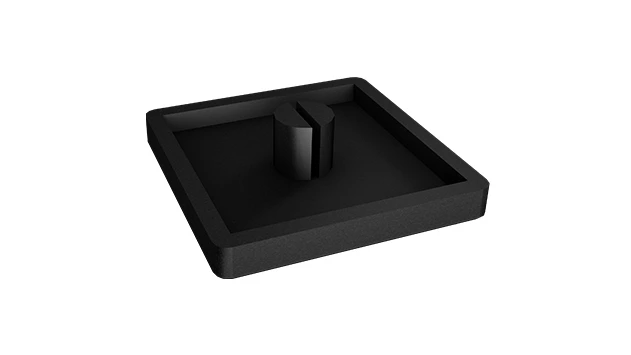
There's a small but surprisingly frustrating problem that anyone working with aluminum profiles has likely encountered: the 3030 aluminum profile end cap that just won't stay put. One day, you're assembling a workbench or material rack, and the end cap snaps into place perfectly. The next, you hear a faint rattle, glance over, and there it is—hanging loose, or worse, lying on the floor. Maybe it's sharp edges peeking through where the end cap fell off, or the annoying *clink* every time you bump the profile. Whatever the case, loose end caps aren't just a nuisance; they compromise safety, damage the profile's integrity, and throw off the clean, professional look you worked hard to achieve.
If you've ever muttered, "Why won't this stupid cap stay on?", you're in the right place. End caps might seem like minor components, but they play a big role: they seal the open ends of aluminum profiles to prevent dust, debris, and moisture from getting inside, protect hands from sharp internal edges, and keep your setup looking polished. And when they're loose, none of that works. Let's dive into the top 5 troubleshooting tips to fix loose 3030 aluminum profile end caps—no fancy tools or engineering degrees required.
Why 3030 Aluminum Profile End Caps Loosen: A Quick Primer
Before we jump into solutions, let's talk about *why* end caps come loose in the first place. 3030 aluminum profiles are workhorses in workshops, factories, and DIY projects—their 30mm x 30mm cross-section strikes a perfect balance between strength and versatility, used in everything from workbenches to material racks. The end caps, small as they are, are designed to fit snugly into the profile's open ends. But several factors can disrupt that fit:
- Mismatched sizing: Not all "3030" end caps are created equal. Some might be designed for profiles with slightly different inner dimensions (e.g., thin-walled vs. thick-walled 3030 extrusions).
- Surface debris: Dust, oil, or machining residue on the profile's inner walls or the end cap itself can act as a barrier, preventing a tight seal.
- Wear and tear: Plastic end caps (the most common type) can degrade over time—sunlight, temperature fluctuations, or repeated removal/installation can make them brittle or misshapen.
- Installation haste: Slamming an end cap into place instead of pressing it evenly can warp the plastic or leave gaps.
Now that we know the "why," let's tackle the "how to fix it." Below are five tried-and-true methods, ordered from simplest to most involved, to get those end caps staying put for good.
Tip 1: Start with the Basics—Inspect for Proper Fit and Manufacturing Defects
Before reaching for adhesives or tools, take 30 seconds to check if the end cap itself is the problem. More often than not, loose end caps are the result of a poor fit from the start. Here's how to diagnose:
Step 1: Verify the End Cap is Designed for 3030 Profiles
Aluminum profiles come in standard sizes—2020, 3030, 4040, etc.—and their end caps are sized accordingly. A 2020 end cap, for example, will be too small for a 3030 profile, leading to a loose fit. Check the packaging or product label for "3030 aluminum profile end cap" to confirm it's the right part. If you're unsure, measure the inner dimensions of your 3030 profile: most have an inner width of ~26mm (since the walls are ~2mm thick), so the end cap should have a corresponding outer width of ~25.5–26mm for a snug press-fit.
Step 2: Check for Manufacturing Imperfections
Even "correct" end caps can have flaws. Hold the end cap up to the light and inspect its edges—are they warped? Are the corners rounded unevenly? A warped end cap won't seat properly, no matter how hard you press. Similarly, check the profile's open end: if it's bent (common if the profile was dropped), the end cap won't align. A quick fix for minor bends: gently tap the profile's edges with a rubber mallet to straighten them (be careful not to dent the aluminum).
Pro Tip: Test with a Spare End Cap
If you have extra 3030 aluminum profile end caps (always a good idea to stock spares, by the way), try swapping the loose one with a new one. If the new cap fits tight, the original was likely defective or worn. This is the fastest way to rule out fit issues before moving to more complex solutions.

Tip 2: Clean the Profile End and End Cap—Debris is Your Enemy
You'd be surprised how much dust, oil, or machining residue can accumulate inside an aluminum profile's end—especially if it's been sitting in a workshop or storage for a while. This gunk acts like a lubricant, preventing the end cap from gripping the profile's inner walls. A quick clean can often solve the problem.
What You'll Need:
- Isopropyl alcohol (70% or higher)
- Cotton swabs or a small, soft-bristled brush (an old toothbrush works!)
- Lint-free cloth
Cleaning Steps:
- Remove the loose end cap: Gently pry it off with a flathead screwdriver (wrap the tip in tape to avoid scratching the profile). If it's stuck, wiggle it side-to-side while pulling.
- Clean the profile's inner walls: Dip the cotton swab in alcohol and run it along the inner edges of the profile's open end. Focus on the top, bottom, and sides—these are the contact points for the end cap. For stubborn grime (like dried oil), use the toothbrush to scrub gently.
- Clean the end cap: Wipe the end cap's outer surface (the part that touches the profile) with the alcohol-soaked cloth. Pay attention to any grooves or tabs—debris here can prevent a tight seal.
- Let it dry: Alcohol evaporates quickly, but give it 1–2 minutes to ensure no moisture remains (water can create a slippery barrier, too).
- Reinstall evenly: Align the end cap with the profile's edges, then press firmly and evenly around the perimeter. You should feel a slight "pop" as it seats into place. Avoid pressing only one corner—this can warp the end cap.
Many users report this simple cleaning step fixes 50% of loose end cap issues. If the cap still wiggles after cleaning, move to Tip 2.

Tip 2: Boost Friction with Aluminum Profile Rubber Strips
If the end cap fits "almost" snug but still slips, the solution might be adding a thin layer of friction. Enter aluminum profile rubber strips—small, flexible strips designed to fill gaps and enhance grip between components. They're cheap, easy to use, and won't damage the profile or end cap.
Why Rubber Strips Work
Rubber is naturally grippy and compressible. When inserted between the profile's inner wall and the end cap, it fills tiny gaps (from manufacturing tolerances or minor warping) and creates friction, preventing the end cap from sliding out. Think of it like adding weatherstripping to a drafty window—small, but effective.
How to Apply Rubber Strips
- Choose the right strip size: Look for thin rubber strips (~1–2mm thick, ~5mm wide) from aluminum profile accessories suppliers. They're often sold in rolls, so you can cut them to length.
- Measure and cut: Cut four strips, each ~25mm long (matching the profile's inner height/width). For a 3030 profile, you'll need one strip per inner wall (top, bottom, left, right).
- Clean the profile (again): Even a little dust will prevent the rubber from sticking. Use alcohol to wipe the inner walls where the strips will go.
- Apply the strips: Peel off any adhesive backing (some strips are self-adhesive) and press one strip along each inner wall, ~2mm from the open end. If the strips aren't adhesive, a tiny dot of super glue (on the strip, not the profile!) will hold them in place temporarily.
- Reinstall the end cap: Press the end cap into place firmly. The rubber strips will compress slightly, filling gaps and creating a tight seal.
Pro tip: If you don't have rubber strips, a thin piece of foam tape (the kind used for weatherstripping) works in a pinch—just avoid thick foam, which can make the end cap bulge.
Tip 3: Use Adhesive—But Choose Wisely
When friction alone isn't enough, adhesives can provide a permanent (or semi-permanent) fix. But not all adhesives are created equal—some can damage plastic end caps, while others won't bond well to aluminum. Here's how to pick and apply the right one:
| Adhesive Type | Best For | Difficulty | Removal Ease |
|---|---|---|---|
| Cyanoacrylate (Super Glue) | Small gaps, temporary fixes | Easy | Hard (may damage end cap) |
| Silicone Sealant (Clear) | Moisture-prone areas, flexible bonds | Moderate | Easy (peels off with time) |
| Epoxy (Two-Part) | Permanent fixes, large gaps | Moderate | Very hard (may damage profile) |
Application Tips for Best Results
- Less is more: A tiny drop (the size of a pinhead) is enough. Excess adhesive will squeeze out and make a mess, or worse, seep into the profile's T-slots (ruining them for future use with aluminum profile fixings).
- Apply to the end cap, not the profile: This way, if you need to remove the end cap later (e.g., to run wires through the profile), the adhesive stays on the cap, not the aluminum.
- Clamp temporarily: Use a small clamp (with a cloth to protect the profile) to hold the end cap in place while the adhesive dries. For super glue, 30 seconds is enough; for silicone, let it cure overnight.
Warning: Avoid using super glue on plastic end caps if you plan to remove them later. The glue can melt or discolor the plastic. Silicone is a safer bet for semi-permanent fixes.
Tip 4: replace Worn End Caps with Quality Aluminum Profile Accessories
If your end cap is cracked, brittle, or misshapen (common after years of use), no amount of cleaning or glue will save it. It's time to replace it with a new one. But not all replacements are equal—investing in quality aluminum profile accessories will save you frustration down the line.
What to Look for in a Replacement End Cap
- Material: Plastic end caps are affordable, but UV-resistant plastic (labeled "UV-stabilized") lasts longer outdoors. For heavy-duty use (e.g., industrial workbenches), consider metal end caps (though they're pricier).
- Design: Look for end caps with "gripper tabs"—small plastic protrusions that dig into the profile's inner walls for extra hold. Some also have built-in rubber gaskets (no need for separate rubber strips!)
- Supplier reputation: Buy from trusted aluminum profile suppliers—generic "no-name" end caps often have inconsistent sizing.
Installing the New End Cap
Once you have the new cap, follow the cleaning steps from Tip 1, then press it in evenly. A new, well-fitting end cap should stay put with minimal effort. Pro tip: Keep a few spares in your workshop—they're cheap insurance against future looseness.
Tip 5: For Extreme Cases—Reinforce with Aluminum Profile Fixings
If you're dealing with a high-vibration environment (e.g., a profile near a machine) or need the end cap to never, ever fall off, mechanical reinforcement is the way to go. This involves using small aluminum profile fixings—like self-tapping screws or clips—to lock the end cap in place.
Method 1: Self-Tapping Screws (Permanent)
- Drill a tiny pilot hole: Use a 1.5mm drill bit to drill a hole through the end cap and into the profile's wall (only ~3mm deep—you don't want to go all the way through!).
- Drive a small self-tapping screw: Use a #2 Phillips screw (~6mm long) to secure the end cap to the profile. Be gentle—over-tightening can crack the plastic.
Method 2: Clip-On Retainers (Semi-Permanent)
Some suppliers sell metal clip-on retainers that snap over the profile's edge, holding the end cap in place. They're invisible once installed and can be removed with a screwdriver if needed.
Note: This method is overkill for most home or workshop projects, but it's a lifesaver for industrial settings where safety (e.g., preventing end caps from falling into machinery) is critical.
Which Method Should You Choose? A Quick Decision Guide
Still unsure which tip to try first? Use this flowchart:
- End cap is new, clean, and undamaged? Try Tip 1 (clean and reinstall).
- End cap fits but wiggles slightly? Try Tip 2 (rubber strips).
- End cap is slightly warped or old? Try Tip 3 (adhesive) or Tip 4 (replace).
- High-vibration environment or safety-critical application? Try Tip 5 (reinforce with fixings).
Final Thoughts: Small Fix, Big Impact
Loose 3030 aluminum profile end caps might seem like a trivial annoyance, but they're worth fixing. A secure end cap protects the profile from dust and moisture, prevents sharp edges (a big safety win), and keeps your setup looking professional. The best part? Most fixes are quick, cheap, and require no special tools—just a little patience and the right approach.
Whether you start with cleaning, add rubber strips, or replace the end cap entirely, the key is to address the issue early. A loose end cap today can become a cracked profile or a lost part tomorrow. And with the tips above, you'll have those end caps staying put for years to come.
Now go grab that end cap, and get to fixing—your future self (and your workshop) will thank you.