- Company Articles
- Products and Technology
- Product knowledge
- Flat Adjustable Swivel Castor Wheels: Corrosion Resistance for Wet Industrial Environments

Flat Adjustable Swivel Castor Wheels: Corrosion Resistance for Wet Industrial Environments
Related Product
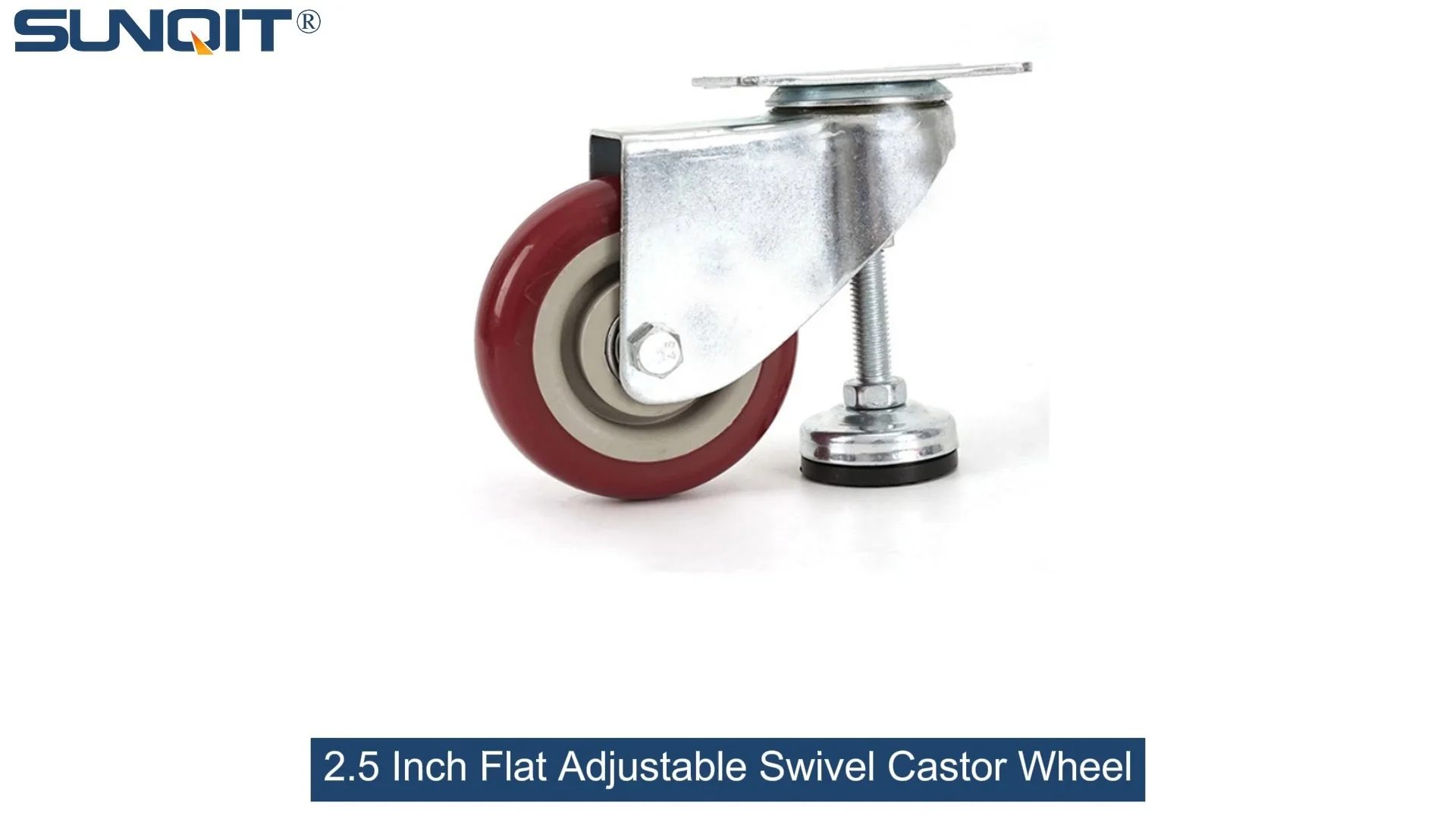
Flat Adjustable Swivel Castor Wheel
Swivel Chair Casters Ball Bearing Wheels Rubber Base with adjustable height function. Resistant to abrasion, impact and corrosion. Heavy payload can hold 80Kgs per pcs,which can make it works at a stable and smooth status.
Walk into any food processing plant, pharmaceutical facility, or chemical manufacturing unit, and you'll notice a common challenge: moisture. Whether it's daily washdowns with high-pressure hoses, accidental spills of corrosive liquids, or the constant humidity of a production floor, wet industrial environments are tough on equipment. From conveyor belts to workbenches, every component must stand up to water, chemicals, and repeated cleaning—especially the unsung heroes that keep everything moving: caster wheels. In these settings, a rusted or seized caster isn't just an inconvenience; it can halt production, compromise safety, and drive up maintenance costs. That's where the flat adjustable swivel castor wheel comes in. Designed with corrosion resistance at its core, this specialized caster wheel is changing the game for industries where moisture is part of the daily grind.
The Hidden Cost of Moisture: Why Ordinary Caster Wheels Fail
Most industrial caster wheels are built for durability, but few are engineered to thrive in wet conditions. Take a standard steel caster, for example. While strong, its uncoated or minimally protected surface is a magnet for rust when exposed to water. Over time, even small amounts of moisture can cause the wheel to seize, the swivel mechanism to lock up, or the brake to fail. In food processing, where strict (sanitation) standards require daily washdowns with hot water and sanitizers, a rusted caster isn't just a mechanical issue—it's a contamination risk. Rust particles can flake off into products, leading to costly recalls and regulatory fines.
Then there are plastic caster wheels, often marketed as "water-resistant." While they don't rust, many plastics degrade when exposed to harsh chemicals or high temperatures. A plastic wheel might warp after repeated steam cleaning, or its tread might wear down quickly under heavy loads, leading to frequent replacements. For facilities running 24/7, downtime for caster repairs or replacements isn't an option. The result? Many operations end up in a cycle: buying cheap casters, replacing them every few months, and losing productivity in between.
What Makes Flat Adjustable Swivel Castor Wheels Different?
The flat adjustable swivel castor wheel is designed to break that cycle. Unlike generic casters, it's built from the ground up to address the unique demands of wet environments. Let's start with the "flat adjustable" feature: these casters come with a low-profile, flat mounting plate that sits flush against equipment bases, reducing crevices where water and debris can collect. This design not only makes cleaning easier but also minimizes the risk of bacterial growth—a critical factor in food and pharmaceutical industries. The "adjustable" aspect allows users to tweak the height of the caster, ensuring equipment stays level even on uneven floors, which is essential for stability when moving heavy loads across slippery surfaces.
But the real star here is the swivel mechanism. Traditional casters often use ball bearings or pins that can trap water, leading to corrosion. Flat adjustable swivel castor wheels, however, typically feature sealed precision bearings and stainless steel swivel plates. These components prevent water from seeping into the internal parts, keeping the swivel smooth and reliable even after hundreds of washdowns. Combine that with a corrosion-resistant wheel material, and you have a caster that doesn't just survive wet environments—it thrives in them.

Corrosion Resistance by Design: Materials That Stand Up to Moisture
At the heart of any corrosion-resistant caster is its materials. Flat adjustable swivel castor wheels are engineered with a combination of metals and polymers that repel water and resist chemical attack. Let's break down the key components:
Stainless Steel: The Gold Standard for Wet Environments
When it comes to corrosion resistance, stainless steel is hard to beat. Many flat adjustable swivel castor wheels feature frames, swivel plates, and axles made from 304 or 316 stainless steel. 304 stainless steel, with its high chromium content, forms a protective oxide layer when exposed to oxygen, preventing rust from taking hold. It's ideal for most wet industrial settings, including food processing and general manufacturing. For more aggressive environments—like chemical plants where acids or saltwater are present—316 stainless steel adds molybdenum to the mix, enhancing its resistance to pitting and crevice corrosion. This makes it a top choice for pharmaceutical facilities using strong sanitizers or marine equipment exposed to salt spray.
Stainless steel's durability also shines in applications where casters are subject to heavy loads. A 304 stainless steel frame can support hundreds of pounds without bending, while its smooth surface is easy to clean with steam or disinfectants. Unlike painted steel, which can chip and expose the underlying metal to moisture, stainless steel's corrosion resistance is inherent, so it won't degrade over time—even with frequent scrubbing.
Aluminum Profile: Lightweight Strength for Specialized Setups
While stainless steel is the go-to for maximum corrosion resistance, aluminum profile offers a lightweight alternative for applications where weight matters. Aluminum naturally forms a thin layer of aluminum oxide when exposed to air, which acts as a barrier against moisture. When used in caster wheel brackets or mounting plates, aluminum profile keeps the overall weight of the caster low, making it easier to maneuver carts and equipment. This is particularly useful in industries like electronics manufacturing, where sensitive components require gentle handling, or in warehouses where workers need to move equipment quickly across large spaces.
Aluminum profile also pairs well with other modular systems. For example, many facilities use aluminum extrusion profiles to build custom workbenches or material racks. By integrating flat adjustable swivel castor wheels with aluminum profile bases, operators can create mobile setups that are both lightweight and corrosion-resistant. Plus, aluminum's smooth surface is easy to clean, and it won't rust—though it may develop a dull patina over time, which is purely cosmetic and doesn't affect performance.
Non-Metallic Wheels: Rubber, Polyurethane, and Nylon
The wheel itself is just as important as the frame. Flat adjustable swivel castor wheels often feature non-metallic treads made from rubber, polyurethane, or nylon—materials chosen for their water resistance and grip. Polyurethane, for instance, is a popular choice because it combines elasticity with durability. It absorbs shocks, reducing noise on hard floors, and its smooth surface doesn't trap dirt or bacteria. In wet environments, polyurethane wheels maintain their traction, preventing carts from slipping on damp concrete. Rubber wheels, meanwhile, offer excellent grip and are often used in settings where floor protection is key, such as pharmaceutical cleanrooms with epoxy floors.
Nylon wheels are another option, prized for their chemical resistance. They stand up to oils, solvents, and most sanitizers, making them ideal for automotive or chemical plants. However, they can be noisy on rough surfaces, so they're often paired with a rubber or polyurethane tire for a quieter ride. No matter the material, the wheel's hub and bearing are usually sealed to prevent water intrusion, ensuring smooth rotation even after repeated exposure to moisture.

Beyond the Wheel: Caster Accessories That Boost Performance in Wet Environments
A great caster wheel is only as good as its accessories. In wet industrial environments, the right add-ons can turn a reliable caster into a system that minimizes maintenance, enhances safety, and extends lifespan. Let's explore some key caster accessories that complement flat adjustable swivel castor wheels:
Sealed Bearings: Keeping Water Out, Smooth Rotation In
The swivel and wheel bearings are the most vulnerable parts of any caster when it comes to moisture. Unsealed bearings can trap water, leading to rust and friction. That's why flat adjustable swivel castor wheels often come with double-sealed precision ball bearings or roller bearings. These bearings feature rubber or metal seals that block water, dirt, and debris from entering the internal components. In food processing plants, where high-pressure washdowns are daily routine, sealed bearings ensure the caster continues to swivel and roll smoothly, even after years of use.
Brakes: Safety in Slippery Conditions
In wet environments, stopping power is critical. A cart that rolls unexpectedly on a damp floor can cause spills, injuries, or damage to equipment. Flat adjustable swivel castor wheels often include foot-operated brakes that lock both the wheel and the swivel mechanism. These brakes are typically made from stainless steel or corrosion-resistant plastics to prevent rust. Some models even feature "total lock" brakes, which immobilize the caster completely, ensuring stability during loading, unloading, or when the cart is parked on an incline. For added convenience, many brakes are designed to be operable with a single foot press, even when wearing heavy work boots.
Mounting Plates: Secure Attachment to Equipment
The connection between the caster and the equipment it's attached to is another potential weak point. In wet environments, bolts and fasteners can rust, making it hard to remove or adjust the caster. Flat adjustable swivel castor wheels often come with stainless steel mounting plates and hardware, ensuring a secure, corrosion-free attachment. Some plates even feature slotted holes, allowing for (fine adjustments) to the caster's position, which is useful when aligning multiple casters on a cart or workbench.

Real-World Applications: How Industries Are Using Flat Adjustable Swivel Castor Wheels
To understand the impact of flat adjustable swivel castor wheels, let's look at how they're transforming operations in three key industries:
Food Processing: Meeting Strict Sanitation Standards
In a poultry processing plant, the production floor is hosed down multiple times a day to remove blood, fat, and bacteria. Standard casters on mobile workbenches and ingredient carts would quickly rust under this constant moisture, leading to frequent replacements. By switching to flat adjustable swivel castor wheels with 304 stainless steel frames and polyurethane wheels, one Midwestern plant reduced caster-related downtime by 75%. The sealed bearings and smooth surfaces made cleaning faster—workers could sanitize the casters in minutes instead of scrubbing rust off old steel models. Plus, the adjustable height feature ensured carts stayed level, preventing spills of raw ingredients and reducing cross-contamination risks.
Pharmaceutical Manufacturing: Corrosion Resistance for Sterile Environments
Pharmaceutical facilities face unique challenges: not only must equipment resist moisture, but it also needs to withstand aggressive sanitizers like hydrogen peroxide vapor. A New Jersey-based drug manufacturer was struggling with plastic casters that degraded under these chemicals, leaving behind small particles that contaminated cleanrooms. They switched to flat adjustable swivel castor wheels with 316 stainless steel frames and nylon wheels. The 316 stainless steel stood up to the sanitizers, while the nylon wheels didn't shed particles. The result? Fewer cleanroom violations and a 40% reduction in caster replacement costs over two years.
Chemical Storage: Handling Corrosive Spills Safely
Chemical warehouses often deal with accidental spills of acids, bases, or solvents. A leading chemical distributor in Texas was using standard steel casters on their storage racks, which would corrode within months of a spill. After installing flat adjustable swivel castor wheels with 316 stainless steel frames and chemical-resistant polyurethane wheels, they noticed a dramatic difference. Even after a minor sulfuric acid spill, the casters showed no signs of corrosion. The swivel mechanism remained smooth, and the brakes still functioned perfectly. This not only extended the lifespan of the casters but also improved safety—workers no longer had to worry about sudden wheel failure when moving heavy chemical drums.
Comparing Caster Materials for Wet Environments: A Practical Guide
| Material | Corrosion Resistance | Load Capacity | Best For | Potential Drawbacks |
|---|---|---|---|---|
| 304 Stainless Steel | Excellent (resists water, mild chemicals) | High (up to 1,000 lbs per caster) | Food processing, general manufacturing | More expensive than steel; can pit in saltwater |
| 316 Stainless Steel | Superior (resists saltwater, acids, harsh chemicals) | High (up to 1,200 lbs per caster) | Pharmaceuticals, chemical plants, marine use | Most expensive option |
| Aluminum Profile | Good (resists water, mild corrosion) | Medium (up to 500 lbs per caster) | Lightweight equipment, electronics manufacturing | Lower load capacity; can dent under heavy impact |
| Polyurethane (Wheel Tread) | Excellent (resists water, oils, mild chemicals) | Medium-High (depends on core material) | Wet floors, noise reduction | Can degrade in extreme heat; less durable than metal |
| Nylon (Wheel Tread) | Excellent (resists chemicals, oils, water) | High (up to 800 lbs per caster) | Chemical plants, automotive manufacturing | Harder ride; can be noisy on rough floors |
Maintenance Tips: Extending the Life of Your Flat Adjustable Swivel Castor Wheels
Even the most corrosion-resistant caster wheels need proper care to perform at their best. Here are some simple maintenance steps to keep your flat adjustable swivel castor wheels rolling smoothly for years:
- Clean regularly: After washdowns or spills, wipe down the casters with a soft cloth to remove any chemical residue. For stubborn debris, use a mild detergent and a soft brush—avoid abrasive pads that can scratch stainless steel or damage wheel treads.
- Lubricate moving parts: While sealed bearings don't require frequent lubrication, the swivel joint and brake mechanism may need a light coating of food-grade lubricant (for food processing) or silicone-based lubricant (for general use) every 3-6 months. This prevents friction and keeps the swivel smooth.
- Inspect for damage: Check wheels for cracks, tread wear, or debris trapped in the bearings. Inspect brakes to ensure they engage fully and release smoothly. replace worn or damaged parts promptly to avoid further issues.
- Adjust as needed: Use the flat adjustable feature to keep equipment level, reducing stress on the casters. Tighten loose mounting bolts regularly to prevent the caster from wobbling.
The Bottom Line: Investing in Corrosion Resistance Pays Off
In wet industrial environments, cutting corners on caster wheels can cost far more than the initial savings. A standard caster might be cheaper upfront, but frequent replacements, downtime, and potential safety risks add up quickly. Flat adjustable swivel castor wheels, with their stainless steel or aluminum construction, sealed bearings, and corrosion-resistant materials, offer a long-term solution. They reduce maintenance costs, improve productivity, and ensure compliance with strict industry standards—all while keeping your facility running smoothly, even when the going gets wet.
Whether you're running a small bakery or a large chemical plant, the right caster wheels can make a world of difference. So the next time you're outfitting your equipment, remember: in wet environments, corrosion resistance isn't a luxury—it's a necessity. And when it comes to caster wheels that deliver on that promise, the flat adjustable swivel castor wheel stands head and shoulders above the rest.